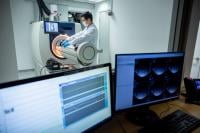
Researchers have succeeded in detecting anti-avian influenza virus antibody in blood serum within 20 minutes, using a portable analyzer they have developed to conduct rapid on-site bio tests. If a suitable reagent is developed, this technology could be used to detect antibodies against SARS-CoV-2, the causative virus of COVID-19.
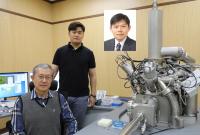
Researchers from the School of Life Sciences at The Chinese University of Hong Kong (CUHK) and Japanese research teams have constructed a high-resolution chromosome-scale full genome sequence assembly of an American Shorthair domestic cat (AnAms1.0). By incorporating data from multiple advanced genomic technologies, this genome assembly has a much improved quality over the currently available reference.
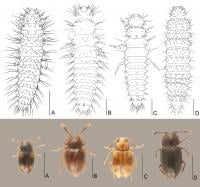
When studying the larval morphology of Toramini (Coleoptera: Erotylidae) we found that larvae of the genus Toramus attach their exuviae to their distal abdomen, with each exuvia from the preceding instar attached to the next to form a vertical pile. Exuvial attachment is facilitated by modified hook-like setae with flattened shafts inserted into the exuvia of the previous instar. We discuss the possibility that the exuvial attachment serves as a kind of autotomy — “exuvial autotomy”.
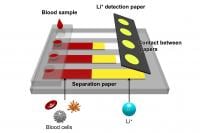
A group of Hokkaido University researchers has developed a paper-based device that can easily and cheaply measure lithium ion concentration in blood, which could greatly help bipolar disorder patients.
The Agency for Science, Technology and Research (A*STAR)
19 May 2020
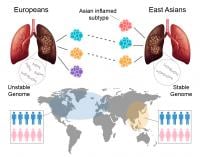
New data on East Asian populations will guide researchers and clinicians to develop novel therapeutic strategies tailored to individual lung cancer patients.
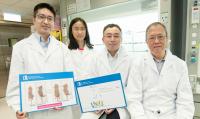
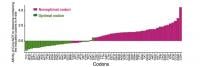
A recent study conducted by the Faculty of Medicine at The Chinese University of Hong Kong (CU Medicine) discovered a novel genetic biomarker which can predict the survival of head and neck cancer patients. There are over 0.7 million new head and neck squamous cell carcinoma (HNSCC) cases globally each year. However, currently there is no clinical implementation of any genetic biomarker to predict outcomes for these patients after standard treatment.
Scientists from Hong Kong Baptist University (HKBU) have developed a novel technique that can produce pure therapeutic drugs without the associated side effects.
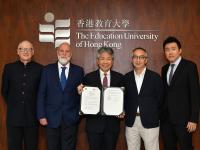
Following the completion of the 2017 World Bank project in Vietnam, The Education University of Hong Kong (EdUHK) is extending its reach to another ASEAN country, Cambodia, by building the capacity of higher education teachers to enhance access to quality education there.
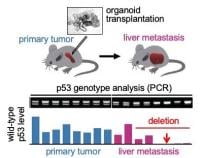
Research at Kanazawa University, Theragen Etex Bio Institute and Seoul National University as reported in Nature Communications points towards pathways for the metastasis and malignant transitions that result from changes in the protein p53. The results suggest that the cooperative development of mutations in the proteins helps tumours spread and metastasis.
Professor Tony MOK from the Faculty of Medicine of The Chinese University of Hong Kong (CU Medicine) and Professor LU You from West China School of Medicine at The Sichuan University co-led the world’s first-in-human Phase I clinical trial investigating the safety and feasibility of CRISPR gene-edit therapy as a treatment option for patients with late stage lung cancer.
Daegu Gyeongbuk Institute of Science and Technology (DGIST)
18 May 2020
Researchers from Daegu Gyeongbuk Institute of Science and Technology develop a simple approach for controlling the otherwise random formation of cracks in flexible thin-film conductors, greatly increasing the durability of flexible electrodes and transistors against bending and folding.
As a first-in-the-world "rapid smart test kit", the cPass™ which can measure neutralising antibodies in an hour will be a huge boost to current COVID-19 investigations, from contact tracing, sero-prevalence survey, and assessment of herd immunity, longevity of protective immunity and efficacy of different vaccine candidates.
Japanese 'bone engineers' have developed a bone-substitute biomaterial used in dental grafts that reduces the need for harvesting bone from the patient's own body.
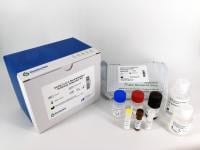
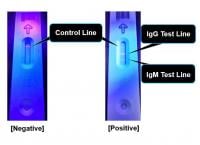
The newly developed rapid testing kit detects COVID-19 antibodies, requiring only micro-liter volume of serum and 15 minutes of time for achieving results.
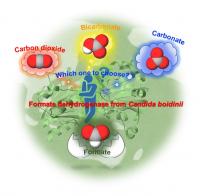
The group clarified for the first time whether formate dehydrogenase reduces carbon dioxide, biocarbonate ion, or carbonate ion to formic acid.
Points to a catalyst in developing and designing an artificial photosynthesis system that efficiently converts carbon dioxide into organic molecules.
A research team led by Prof. Yi-Chun LU from the Faculty of Engineering at The Chinese University of Hong Kong (CUHK) has taken a critical step forward in improving high-energy batteries by introducing a novel electrolyte to the aqueous lithium-ion (Li-ion) battery. This electrolyte is commonly used in skin cream. It is inexpensive, inflammable, less toxic and is eco-friendly, yet can create stable voltage for common usage.
Diagnosis of Alzheimer's disease, the most common type of dementia, is not easy for its overlapping signs with normal ageing. A collaborative research by City University of Hong Kong (CityU) and Johns Hopkins University has developed a new non-invasive molecular imaging approach based on Magnetic Resonance Imaging (MRI) to dynamically measure glucose level changes in the brain lymphatic system.
Institute for Integrated Cell-Material Sciences (iCeMS) at Kyoto University
13 May 2020
Hydrogen fuel cells made with coordination polymer glass membranes could produce as much energy as their liquid-based counterparts while adding strength and flexibility.
There is currently a strong demand to replace organic liquid electrolytes used in conventional rechargeable batteries, with solid-state ionic conductors which will enable the batteries to be safer and have higher energy density.
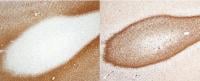
In a recent study published in Molecular Cell, researchers at Kanazawa University report the role of cellular structures called PML bodies in regulating gene function
Daegu Gyeongbuk Institute of Science and Technology (DGIST)
12 May 2020
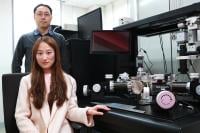
Researchers from Daegu Gyeongbuk Institute of Science and Technology(DGIST) have developed an innovative method that allows them to visualize up to tens of different proteins simultaneously in the same cell. This technology could help scientists elucidate the complex protein interactions involved in degenerative diseases such as Alzheimer’s, deepening our understanding of their mechanisms and allowing for early detection and treatment.
A research team led by Hong Kong Baptist University (HKBU) has developed a novel anti-Epstein-Barr virus (EBV) drug that can selectively disrupt a viral protein produced by EBV, leading to the shrinkage of tumours caused by the virus. It is the first known agent to successfully target the virus and disturb its latency in tumour cells in this way.
When the master regulator of protein production malfunctions, it may contribute to the development of neuronal diseases such as Alzheimer's and Huntington's.