

Heritage Science
News
30 Jul 2026
Lingnan University
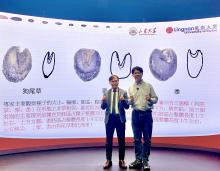
Ancient plant seeds provide important archaeological evidence for studying the evolution of human civilisation. Lingnan University and Shandong University have jointly developed the world’s first artificial intelligence (AI) archaeological system dedicated to identifying ancient Chinese plant seeds. The system emulates the identification process of archaeobotanical experts and achieves a classification accuracy of over 90 per cent. The researchers point out that the identification of plant seeds excavated from archaeological sites has traditionally relied on experts examining each seed individually, a process that is both time-consuming and difficult to scale. The large, standardised database they have created helps improve research efficiency while advancing archaeobotanical research and the digitalisation of cultural heritage. The findings have been published in Heritage Science, an internationally recognised journal of cultural heritage and part of the Nature Portfolio.
23 Jul 2026
Newcastle University in Singapore
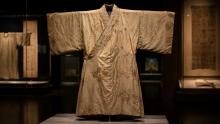
A review maps how modern diagnostics and reversible materials can help museums protect silk, leather, paper and wood with less damage.