

Molecular Psychiatry
About Molecular Psychiatry
Molecular Psychiatry publishes work aimed at elucidating biological mechanisms underlying psychiatric disorders and their treatment.
- Website: https://www.nature.com/mp/
- Current Issue: https://www.nature.com/mp/current-issue
News
04 Mar 2026
Daegu Gyeongbuk Institute of Science and Technology (DGIST)
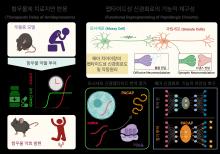
- Mechanism of brain neuropeptide circuit reconstruction uncovered, paving the way for next-generation rapid-acting therapies beyond serotonin
- Findings published in Molecular Psychiatry, a leading journal in molecular psychiatry
06 Feb 2026
Tohoku University
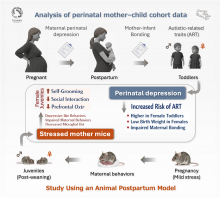
This research study assessing 23,000 mother-child pairs found that higher maternal depression around the period of birth may impair mother-infant bonding and increases the risk of autism in their daughters.
01 Dec 2025
Daegu Gyeongbuk Institute of Science and Technology (DGIST)
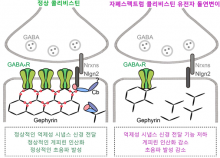
- The DGIST research team, led by Professors Eom Ji-won and Ko Jae-won, identified the cause: a protein abnormality in autistic patients that disrupts brain signal transmission and leads to communication difficulties.
- Identifying the ‘Switch inside Brain’ linked to autistic symptoms, expected to provide clues for developing future treatments for mental illness.
05 Sep 2025
The University of Osaka
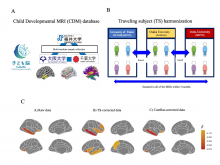
Magnetic resonance imaging often yields inconsistent results when assessing the brain’s structural characteristics in children with attention deficit/hyperactivity disorder (ADHD). To address this, scientists from Japan have used a harmonization method called traveling-subject (TS) to reduce measurement bias in brain imaging datasets from multiple sites. The TS harmonized datasets showed significant reductions in measurement bias and revealed apparent volumetric changes in specific brain regions, indicating promise for developing a more robust diagnosis for ADHD.
23 Feb 2024
The University of Osaka
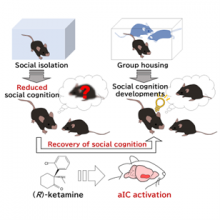
Researchers from Osaka University have found that, after chronic social isolation, one form of ketamine—(R)-ketamine—is effective for restoring neuronal activation in a brain region known as the anterior insular cortex. This restored activation leads to improvements in social impairments in a mouse model of depression. Together, these findings indicate that (R)-ketamine is a promising treatment for social symptoms of depression and may lead to better quality of life for millions of people worldwide.
14 Dec 2022
Daegu Gyeongbuk Institute of Science and Technology (DGIST)
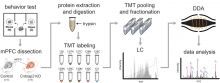
- Discovery of potential treatment target networks for gene dysregulation uniquely found in patients with autism spectrum disorder
- Published in ‘Molecular Psychiatry,’ an international journal of molecular psychiatry
24 May 2019
Daegu Gyeongbuk Institute of Science and Technology (DGIST)
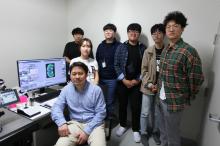
A research team in South Korea has clarified the expression of antidepressant efficacy by modulating hippocampal mossy cells. It is expected to provide a basis to understand the mechanism of existing anti-depressants and contribute greatly to the development of next generation depression treatment.