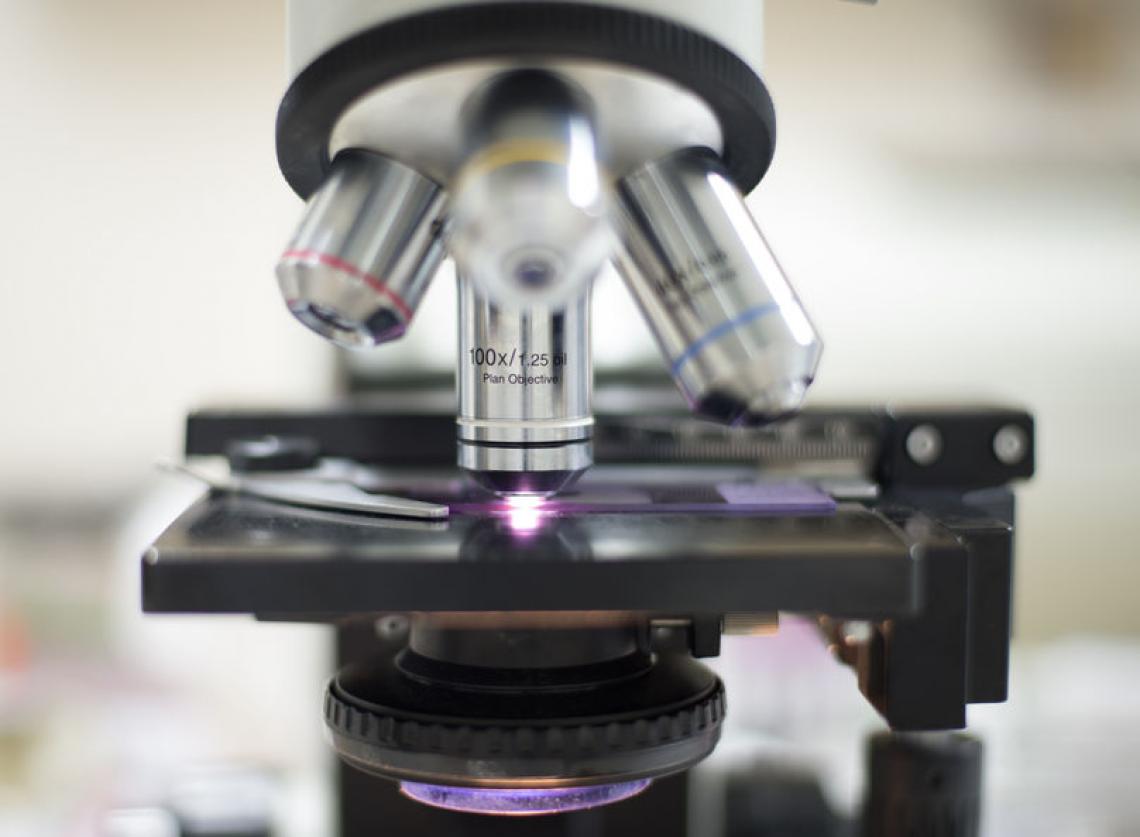
Press releases under the microscope
By Ruth Francis
Concise and compelling, a good press release should grab attention in the first paragraph and convince reporters to read on. It should cover the basics without going into extensive detail that can be found in the journal article or by talking to the researcher.
Before the writing begins, there is groundwork to be done:
Firstly make sure this is genuinely of interest to news media. Are there significant applications or implications? Does it touch on a popular topic or issue? Is it quirky? Is there a story or mystery? Worthy research that is fascinating within its own discipline is not always the same thing. Regularly reading what media covers in relevant fields means you’ll know what is likely to resonate. It will also help when it comes to finding appropriate lay language to describe complexity.
Who will answer media enquiries? Even the best story can flop if no one is available speak to interested reporters, so make sure one of the team can do this for a couple of days after the release is sent out. If language is a concern, responses can be provided by email, but they must be turned around quickly. Journalists work on short deadlines and usually need answers the same day.
Start thinking now about what images or video can accompany the release. Strong images can really boost a story’s appeal and spread. Action shots of researchers in the lab or field, and colorful results or research subjects all add to the story. A large group of people smiling at the camera will not be used.
Six tips for writing a release:
1. The press release format is the reverse of a research abstract. State the main finding or accomplishment before giving background detail. Keep sentences and paragraphs short and steer clear of jargon. Technical terms must be explained. Remember that not all aspects can be included, so focus the most newsworthy.
2. Make sure the headline is punchy – ideally no more than six words long – and also true to the topic in the release. Word play and fun are encouraged so long as accuracy is not compromised.
3. The first two sentences should cover what has been done, where, and why readers should care -- again, in terms they can easily understand. Then move into supporting information, keeping the text to between 400 and 500 words.
4. Don’t clog up paragraphs with long lists of contributors with their titles and affiliations. Note in the text who spearheaded the research (or the researcher who will answer media questions, if different) and where it was published or presented. You can provide full titles, collaborators and contact information in a ‘Notes to Editors’ section at the end of the press release.
5. Include a quote! Great releases include at least one quote from a team member that adds colour or context to the story. Quotes should be no more than one or two sentences long. Shorter quotes are usually more impactful and memorable.
6. Get the whole document proofread for grammar and spelling. Basic errors can be off-putting. In next month’s column, we’ll talk about stories and how they can help to explain complex research.
----------------------------------------------------
Ruth Francis is a communications expert with over 17 years experience working in academia and publishing, including Springer Nature, BioMed Central, Cancer Research UK and King's College London.