

Singapore
News

17 Jun 2021
Duke-NUS Medical School
Cryo-electron microscopy and computer simulations uncover how a cellular protein helps transport omega-3 fatty acids to the brain and eye, with implications for drug development.

11 Jun 2021
Duke-NUS Medical School
• Glioblastoma (GBM) is a highly aggressive type of brain cancer. Even with current standard of care, 50% of patients die within 15 months of diagnosis.
• This complex cancer is difficult to treat due to its location, structure, ability to spread quickly, high recurrence rate and severely limited treatment options.
• GBM tumours can look identical under the microscope but respond differently to the same treatment.
• With a national grant of about S$10 million, researchers in Singapore are working with overseas collaborators to address these challenges and develop new diagnostic and treatment options so patients can receive effective targeted therapy.
21 May 2021
Duke-NUS Medical School
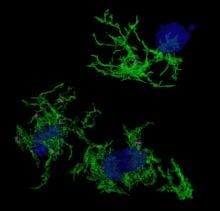
Single-cell gene studies are clarifying the roles of the brain’s specialised immune cell in Alzheimer’s disease and offer new avenues for treatment of this incurable condition.

20 May 2021
The British High Commission in Singapore
The UK’s COP26 Universities Network and leading research centres in Singapore have announced a partnership to develop four reports that provide policy recommendations for climate action in the ASEAN region.
19 May 2021
Tohoku University
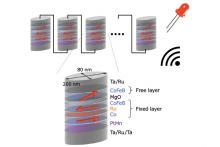
Researchers at the National University of Singapore and Tohoku University have demonstrated that an array of electrically connected spintronic devices can harvest a 2.4 GHz wireless signal, which can be used to power and charge small electronic devices and sensors.
11 May 2021
Duke-NUS Medical School
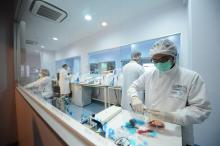
First-of-its-kind in Singapore, the clinical trial will test a technology that enables specific cell therapy products to be manufactured for use in patients.
03 May 2021
Duke-NUS Medical School
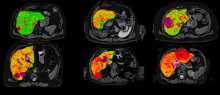
• Only 20% of primary liver cancer or hepatocellular carcinoma (HCC) are diagnosed at an early stage, which makes early detection an urgent, unmet healthcare need.
• Study aims to develop more accurate diagnostics for early HCC, an AI algorithm to predict an individual’s risk of developing HCC, and discover novel molecular targets to prevent the development of HCC.
• Study aims to recruit 2,000 participants at high risk of developing HCC from six healthcare institutions and eight polyclinics across Singapore.

28 Apr 2021
National Supercomputing Centre (NSCC) Singapore
The National Supercomputing Centre (NSCC) Singapore has awarded the tender for the development of the next generation national supercomputer system plus upgrades to the national storage and research network infrastructure. The new system is expected to provide up to 10 Petaflops (10 PFLOPS) of computing capacity and is eight times more powerful than the current supercomputer. The new supercomputer is the first in a series of systems that will form the backbone of the nation’s future supercomputing resources which will support research in areas like climate change, biomedical science and smart nation activities.

22 Apr 2021
Duke-NUS Medical School
A mitochondrial peptide called MOCCI has a surprising sidekick, and they work together to regulate inflammation and immunity, Singapore researchers reveal.

15 Apr 2021
The Agency for Science, Technology and Research (A*STAR)
A five-year study in Singapore has highlighted that chronic wounds among patients with diabetic foot ulcers and bed sores led to longer hospital stays.
07 Apr 2021
Duke-NUS Medical School
New national body established to further research insights, improve patient outcomes and create new economic opportunities for the biomedical technology industry.
29 Mar 2021
Duke-NUS Medical School
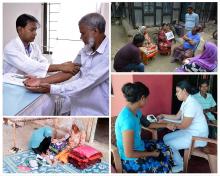
Multi-country trial finds low-cost intervention to improve hypertension management in rural communities is cost-effective. Consisting of home visits by community healthcare workers, physician training and coordination with public health care infrastructure, the intervention can be scaled up in low- and middle-income countries.

25 Mar 2021
Duke-NUS Medical School
Professor David Matchar and his team from the Health Services and Systems Research (HSSR) Programme at Duke-NUS bagged two prestigious awards at the International Stroke Conference 2021, held virtually on 17-19 March, 2021.
24 Mar 2021
Duke-NUS Medical School
Study shows that antibody longevity varies widely from 40 days to as long as several decades and not everyone who has recovered from COVID-19 is immune from reinfection. Individuals with low levels of neutralising antibodies may still be protected if they have robust T-cell immunity. Blood tests and a computer algorithm suggest annual vaccinations might be needed for some individuals to prevent future outbreaks of COVID-19.
16 Mar 2021
Duke-NUS Medical School
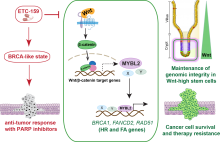
New research from Duke-NUS Medical School, and the Agency for Science, Technology and Research identifies chemotherapy-resistant cancers’ escape mechanism, which offers new anti-cancer treatment options.
02 Mar 2021
National Supercomputing Centre (NSCC) Singapore
The SupercomputingAsia 2021 (SCA21) conference reflects this spirit of collaboration with a number of initiatives. These include the signing of a Memorandum of Understanding (MOU) that will create a new
link between Singapore entities and Finland’s CSC-IT Centre for Science, the launch of the inaugural
HPC Centre Leaders Forum, and the first EU-ASEAN-Japan Symposium.
11 Feb 2021
Duke-NUS Medical School
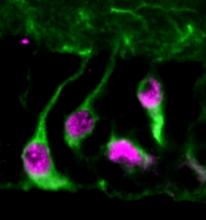
A brain enzyme activates dormant neural stem cells, revealing how defects in its gene could lead to neurodevelopmental disorders.

28 Jan 2021
Duke-NUS Medical School
COVID-19 has led to psychological distress among one in three adults, large-scale meta-analysis by researchers at Duke-NUS Medical School, Singapore, reveals.
19 Jan 2021
Duke-NUS Medical School
New ‘armoured’ T cells attack cancer without being suppressed by drugs given to transplant patients to avoid organ rejection.
12 Jan 2021
Duke-NUS Medical School
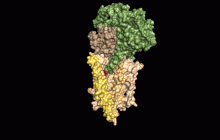
Preventing Wnt from hitching a ride may offer new avenue for novel treatments for cancer and fibrosis.

19 Dec 2020
Solar Energy Research Institute of Singapore (SERIS)
The SNEC 15th (2021) International Photovoltaic Power Generation and Smart Energy Conference will be held on June 2-4, 2021 in Shanghai, China.
30 Nov 2020
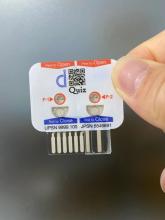
Cell ID Pte. Ltd., a Singapore-incorporated med-tech company, is selling a palm-sized portable genetic test kit that uses an app on a laptop to detect, anywhere, at any time, if a person has COVID-19.
30 Nov 2020
National Supercomputing Centre (NSCC) Singapore
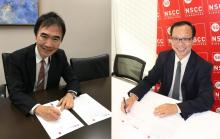
New collaboration between Japan’s RIKEN Center for Computational Science (R-CCS), Research Organization for Information Science and Technology (RIST) and National Supercomputing Centre (NSCC) Singapore, will allow Singapore scientists to directly tap on Japan’s Fugaku supercomputer to do ground breaking research, enhance educational activities and develop talent in high performance computing (HPC).
23 Nov 2020
Duke-NUS Medical School
Taskforce will look into COVID-19 origins, leveraging expertise in One Health, outbreak investigation, virology, lab biosecurity and disease ecology.
20 Nov 2020
Duke-NUS Medical School
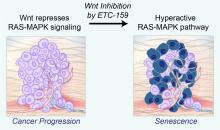
Cancer is a disease driven by mutations that alter the way biochemical signals control cell growth, division and migration. Scientists at Duke-NUS Medical School found out that, like Goldilocks, cancer is very picky about getting rapid growth just right.
18 Nov 2020
National Supercomputing Centre (NSCC) Singapore
Thirty Teams Across the Asia Pacific Region Participated in the Six-Month Competition that Trains Student Teams to Practice and Produce Solutions using HPC and AI Platforms.
17 Nov 2020
Duke-NUS Medical School
A Duke-NUS Medical School study finds that new labels may be needed to help consumers make healthier food purchases.
13 Nov 2020
Duke-NUS Medical School
A Singapore study finds patients with chronic kidney disease need tailored nutrition guidance, as well as better communication with doctors and family support, to empower them to manage their condition.
06 Nov 2020
Duke-NUS Medical School
Testing for mutations in RNF43, a protein that affects key cancer cell-growth pathway Wnt, gives clinicians actionable insights to tailor treatments better.
04 Nov 2020
Duke-NUS Medical School
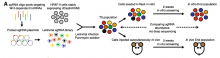
Innovative research by scientists at Duke-NUS Medical School has shed light on the mysterious role of long non-coding RNAs in the development of pancreatic cancer and suggests potential new targets for precision cancer therapies.
Events
Sorry, no events coming up for this topic.
- « first
- ‹ previous
- 1
- 2
- 3
- 4
Researchers
Sorry, no researchers coming up for this topic.
Giants in history

Singaporean physician Oon Chiew Seng (1916 – 31 March 2022) advanced dementia care and research in Singapore, and co-founded the Apex Harmony Lodge, the nation’s first nursing home for residents with dementia.

Maggie Lim (5 January 1913 – November 1995) was a Singaporean physician who promoted family planning and expanded the access to clinics to improve the quality of life for mothers and children in Singapore’s early days.

Gloria Lim (1930-2022) was a mycologist from Singapore who studied tropical fungi. One of the first students to attend University of Malaya when it was founded in 1949, she went on to become the first female Dean of the Faculty of Science at the University of Singapore.