

Medicine & Healthcare Psychiatry
News
18 Aug 2026
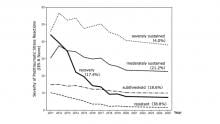
A recent study has tracked survivors of the Great East Japan Earthquake over a 15-year period, discovering that continuous monitoring of mental-health care is critical for early intervention.
16 Jan 2026
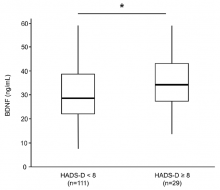
Symptoms of depression are common among people with asthma, but growing evidence suggests they may arise from biological mechanisms different from those underlying major depressive disorder.

11 Apr 2025
New research in model mice suggests low-dose opioids may help improve social interactions in people with autism spectrum disorder.

26 Apr 2023
Singapore scientists find use of healthcare resources, absenteeism and reduced productivity due to mental health issues place a significant burden on Singapore’s economy.
25 Apr 2023
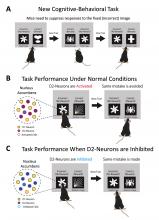
The Nobel prize winning physicist Niels Bohr once said, “An expert is a (person) that has made all the mistakes that can be made in a narrow field.” This idea that to master a skill we must learn from our mistakes and avoid making them in future has long been recognized; however, the brain mechanisms and pathways that control this ability have been poorly understood.
We revealed a specific brain pathway that allows us to identify and learn from our mistakes to guide better decision-making in future.
Our work is an important step towards understanding how the brain controls our daily choices and behavior. The identification of these cells as ‘mistake signalers’ may also help to guide new treatments for mental health conditions associated with impaired decision-making ability.
27 Nov 2020
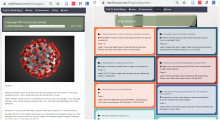
IIUM psychiatrist Ramli Musa has developed a website that is helping Malaysians improve their understanding of mental health and assess their levels of anxiety.
Events
Sorry, nothing coming up for this discipline
Researchers

Dr. Ashfaq Ahmad Shah (اشفاک), born on 6 June 1992 and hailing from Doderkoot (ددیرکوٹ), Kulgam, South Kashmir, Jammu and Kashmir, India, is an Indian microbiologist, biomedical scientist, academic researcher, scientific reviewer, and annotation engineer whose professional interests span infection biology, immunology, medical microbiology, antimicrobial research and One Health, pharmacology, natural-product science, and artificial intelligence. Dr. Shah has developed an interdisciplinary scientific career focused on understanding the complex interactions between microorganisms, bioactive compounds, and host immune responses, with particular interest in infection–immunity relationships and the discovery of novel antimicrobial, anti-inflammatory, and immunomodulatory agents. He has been associated with Graphic Era (Deemed to be University), Dehradun, Uttarakhand, India, where he pursued research activities from 2020 to 2025 and subsequently continued his academic and research journey in the health sciences/medicine domain, including his role as an assistant professor and scientist in the University Center for Research and Development, Chandigarh University, Mohali, India. His scientific interests encompass a broad spectrum of contemporary biomedical research, including host–pathogen interactions, infection immunity, antimicrobial resistance, immunomodulation, natural-product pharmacology, microbial metabolites, plant-derived bioactive compounds, disease-model studies, protein–antigen interactions, and novel therapeutic discovery. A distinctive component of his research involves investigating the biological significance of phytoalexins, phytoanticipins, phenolic compounds, and other secondary metabolites, particularly their antimicrobial, anti-inflammatory, and potential immunomodulatory properties. His work seeks to establish meaningful links between the chemical characterization of naturally occurring compounds and their biological effects, thereby contributing to the broader field of infection biology and therapeutic research. Dr. Shah has experience with advanced analytical and biochemical approaches, including GC–MS, HPLC, FTIR, and related hyphenated analytical techniques, for the identification and characterization of microbial and plant-derived metabolites and other biologically active compounds. His wider scientific interests also include **tyrosinase inhibition, polyphenol oxidase inhibition, bioactive compounds relevant to pharmaceutical and dermatological applications, and experimental approaches for evaluating antimicrobial and pharmacological activity. Over the course of his academic career, Dr. Shah has contributed to scientific literature through research publications, academic books, book chapters, scientific reviews, and editorial activities. He has published more than 40 scientific papers in national and international journals, including publications in Scopus- SCIE, and Web of Science-indexed journals (Q1, Q2), and has contributed to international academic books and scholarly chapters. His work reflects an interdisciplinary approach in which microbiology is integrated with immunology, pharmacology, analytical chemistry, biotechnology, and biomedical science. In recognition of his academic contributions and scientific work in the area of infection and immunity, Dr. Shah received the Young Scientist Award in August 2023. Alongside his research and academic responsibilities, he has served as a scientific reviewer and editorial contributor associated with scholarly journals, books, and academic initiatives, enabling him to participate in the broader international process of scientific communication and peer review. Dr. Shah has also developed an international academic network through professional interactions and research-related collaborations with scientists and scholarly communities from different parts of the world, including the United States of America, Japan, Malaysia, and other international research environments. These interactions have supported scientific exchange, collaborative discussions, and exposure to diverse approaches in microbiology, immunology, biomedical research, and emerging scientific technologies. His international engagement complements his core research activities and reflects his commitment to developing a globally connected scientific career. Beyond conventional research and academic publishing, Dr Shah has made sustained contributions to the dissemination of medical and scientific knowledge through **Wikipedia**, where he has been an active contributor to medical-science content since 2015. With more than 1,000 edits related to medical and scientific topics, he has contributed to the organisation and accessibility of scientific information for a worldwide readership.Dr Shah has also submitted his NGS work, like nucleotide sequences of mutated genes, to the gene banks like the National Library of Medicine (NCBI) USA.gov.

Dr Ramli is a Professor at Department of Psychiatry, Kulliyyah of Medicine at the International Islamic University Malaysia (IIUM).
Giants in history
Sorry, nothing coming up for this discipline