

JAMA Network Open
About JAMA Network Open
JAMA Network Open is a monthly open access medical journal published by the American Medical Association covering all aspects of the biomedical sciences.
News
30 Sep 2026
Duke-NUS Medical School
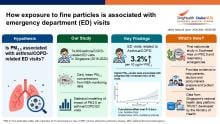
Nationwide Duke-NUS study finds asthma-related emergency visits rise within two days of increases in PM2.5, underscoring the importance of early precautions during periods of poorer air quality.
10 Sep 2026
National Taiwan University
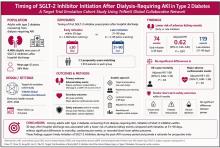
Among adults with type 2 diabetes recovering from dialysis-requiring acute kidney injury, starting an SGLT-2 inhibitor within 30 days of hospital discharge was associated with fewer serious kidney events than starting 31 to 90 days later. The study found no significant differences in death, major cardiovascular events, or recorded short-term safety outcomes.
03 Sep 2026
The University of Osaka
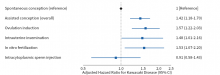
A nationwide Japanese birth cohort study of 101,864 children found that ovulation induction, intrauterine insemination and in vitro fertilization were associated with a higher risk of Kawasaki disease before age five compared with spontaneous conception. Intracytoplasmic sperm injection showed no clear difference in risk. The findings remained broadly consistent after adjustment for maternal comorbidities and highlight the need for further research into underlying mechanisms.
18 Aug 2026
Tohoku University
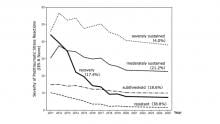
A recent study has tracked survivors of the Great East Japan Earthquake over a 15-year period, discovering that continuous monitoring of mental-health care is critical for early intervention.
28 Aug 2025
Hiroshima University
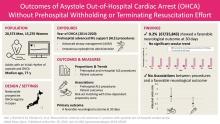
By analyzing outcomes from a large-scale national dataset, this study raises tough questions about the impact of pre-hospital life support procedures on outcomes in patients with asystole.

18 Apr 2025
Hokkaido University
Colder temperatures are linked with increased risk of diarrhea among Rohingya refugees in Bangladesh, emphasizing the need for climate-sensitive health strategies in refugee settings.

12 Sep 2024
Osaka Metropolitan University
Whether immunotherapy or conventional chemotherapy carries less mortality risk depends on BMI

21 May 2024
The University of Osaka
Researchers at Osaka University analyzed data from the Japan Gerontological Evaluation Study and found that socioeconomic status (SES) transitions affect dementia risk. Specifically, upward SES mobility is greater associated with reduced dementia risk and extended healthy aging with dementia-free lifespan, while downward mobility increases risk. The study of 9,186 participants found that lifestyle, comorbidities, and social factors mediate this relationship, highlighting the importance of SES in cognitive health and preventing dementia.

22 Aug 2022
Hokkaido University
Scientists show that there is a close association between clinical cases of COVID-19 and viral loads in wastewater, with the viral loads picking up to two days before the cases were detected.