

Plants & Animals
News
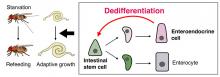
11 Sep 2023
Tohoku University
Researchers have unveiled an intriguing phenomenon of cellular reprogramming in mature adult organs, shedding light on a novel mechanism of adaptive growth. The study, which was conducted on fruit flies (Drosophila), provides further insights into dedifferentiation - where specialized cells that have specific functions transform into less specialized, undifferentiated cells like stem cells.

08 Sep 2023
Asia Research News
Asia Research News monitors the latest research news in Asia. Some highlights that caught our attention this week are a new species of fish that was spotted being sold at local markets, how humans almost went extinct, and an Earth-like planet that may be lurking in our solar system.

08 Sep 2023
Asia Research News
Capturing carbon dioxide, Shells go nuclear, Worms surf electric fields, Brain repair & Creating matter from light. Plus from our blog: Monitoring research for further impact. Read all in the latest Editor's Choice.
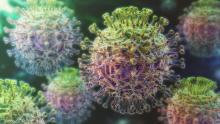
08 Sep 2023
Duke-NUS Medical School
Study addresses gaps in understanding of swine influenza A virus evolution and highlights need for early warning of disease emergence
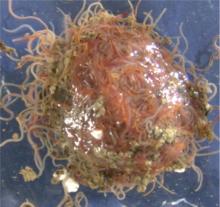
01 Sep 2023
Tohoku University
Tubificine worms inhabit the sediments of lakes and rivers. They can form into blobs that behave like a single organism to adapt to extreme environmental conditions. Recreating an uneven and confined terrain, a group of scientists has recently studied the collective movement of worm blobs.
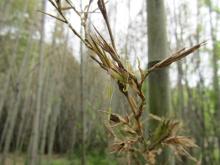
01 Sep 2023
Hiroshima University
A long-lived monocarpic species of bamboo, Phyllostachys nigra var. henonis, only flowers once every 120 years before it dies. The upcoming flowering event for this species does not bode well for its continued long-term survival, as most flowers are not producing viable seeds.

25 Aug 2023
Asia Research News
Asia Research News monitors the latest research news in Asia. Some highlights that caught our attention this week are how melatonin can help us remember objects, drones that can assemble and disassemble in mid-air, and a new species of anemone.
23 Aug 2023
Tohoku University
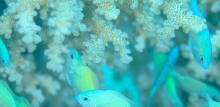
Researchers have identified a new pathway by which sugar is released by symbiotic algae. This pathway involves the largely overlooked cell wall, showing that this structure not only protects the cell but plays an important role in symbiosis and carbon circulation in the ocean.
23 Aug 2023
Mahidol University
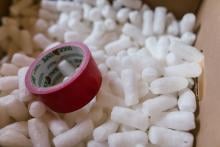
An international team of researchers has developed novel bio-degradable rigid foams derived from pineapple waste, showcasing impressive properties. Starch and cellulosic materials are key components of the foams, which are processed via microwave gel formation and filler blending. The foams feature high strength, and rapid biodegradation, with potential for practical use from packaging, to construction, automotive, and aerospace.

17 Aug 2023
Asia Research News
Japanese fossil forest found, AI finds a way to people’s hearts, Language diversity and child social development & Supplement for kidney disease. Plus Submissions open for Asia Research News 2024. Read all in the latest Editor's Choice.

11 Aug 2023
Mahidol University
A team of scientists from Thailand and Malaysia, led by principal investigator, Associate Professor Taweechai Amornsakchai from Mahidol University, has successfully developed a low-cost and green method to make films prepared from pineapple stem starch for food packaging, such as fruits and vegetable.

11 Aug 2023
Asia Research News monitors the latest research news in Asia. Some highlights that caught our attention this week are particle pollution linked to antibiotic resistance and microplastics being found in the body, fossils that show a marine reptile that used filter feeding, and how a connection in our brains compares our rewards to ones that others received.
10 Aug 2023
Hokkaido University
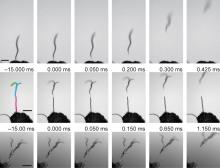
Hokkaido University researchers found that tiny nematode worm larvae surf electric fields to hitch rides on passing insects.

04 Aug 2023
Asia Research News
Asia Research News monitors the latest research news in Asia. Some highlights that caught our attention this week are how the tobacco plant could be used to help treat cancer, how lifting weights is good for your skin, and a glue that can be switched on and off.
25 Jul 2023
Tohoku University
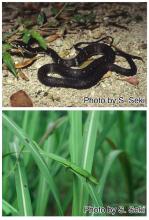
Miyako Islands are home to various native species of snake and lizards. How these species came to call these islands home has long puzzled scientists. A group of researchers from Tohoku University have compiled the latest geological and biological data, proposing that an island once facilitated migration between Okinawa and Miyako Islands.
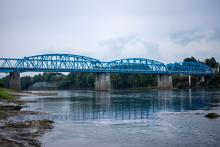
21 Jul 2023
Hokkaido University
An exquisitely preserved fossil forest from Japan provides missing links and helps reconstruct a whole Eurasia plant from the late Miocene epoch.
21 Jul 2023
Agricultural genetic stories reported at the International Congress of Genetics in Melbourne.
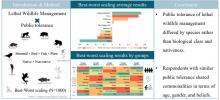
20 Jul 2023
Tohoku University
Japan’s population may be on the decline, but it is the opposite for many wildlife species. This has increased the number of human-wildlife interactions. Controversially, lethal management is sometimes employed to manage this issue. But a holistic understanding of the public’s attitude to this approach has been lacking. Now, researchers have surveyed the public’s opinion on the topic, hoping to provide data that can direct future management practices.
20 Jul 2023
Thursday at the International Congress of Genetics in Melbourne

18 Jul 2023
Research stories from the International Congress of Genetics in Melbourne Tuesday 18 July 2023

18 Jul 2023
Highlights from the first two days of the 23rd International Congress of Genetics, Melbourne Australia
For the next six days we will hear how genetics has transformed medicine, food, conservation, and almost every area of human activity.

30 Jun 2023
Asia Research News
Asia Research News monitors the latest research news in Asia. Some highlights that caught our attention this week are whether octopuses have dreams, an app that can tell you if your cat is in pain, and interchangeable arms for cyborg dancing.

23 Jun 2023
Asia Research News
Asia Research News monitors the latest research news in Asia. Some highlights that caught our attention this week are how worms use electric fields to jump onto bumblebees, how humans moving water affects the Earth’s rotation, and rising sea levels causing the displacement of people over 20 000 years ago.
23 Jun 2023
Hokkaido University
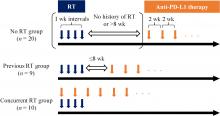
A combination of radiotherapy followed by immunotherapy is a promising strategy for the treatment of oral malignant melanomas in dogs.
22 Jun 2023
Newcastle University in Singapore
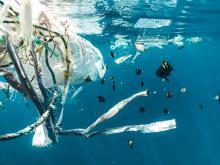
Researchers from Newcastle University, led by Dr Kheng Lim Goh, have developed a cost-effective Cellular Automata (CA) model for predicting marine plastic movement. Findings from model predictions align well with traditional particle-tracking models, suggesting its potential as a valuable tool for assessing marine plastic pollution and mitigation strategies.

19 Jun 2023
Asia Research News
A key protein for sperm maturation identified, Understanding gel formation, Urine test predicts organ diseases, A laser drills holes in a graphene film. Plus in our blog - The frogs of Borneo: more than just a race. Read all in the latest Editor's Choice.
18 Jun 2023
Mahidol University
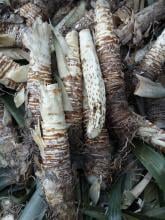
A team of researchers from universities in Thailand and Malaysia have collaborated to develop a unique kind of bioplastic sheet that is good for the environment and can decompose naturally. They made this bioplastic sheet using a byproduct of the bromelain industry which used the leftover pineapple stems from agricultural waste. This new type of bioplastic sheet has the potential to be used as single-use packaging material, as an alternative to the use of harmful plastic sheet, contributing to a more sustainable way of doing business and promoting a circular economy.

16 Jun 2023
Asia Research News
Asia Research News monitors the latest research news in Asia. Some highlights that caught our attention this week are a potential answer to the question of which came first the chicken or the egg, vaginal seeding to boost baby microbiomes, and looking at remnants of the universe that used to be filled with gas.

09 Jun 2023
Asia Research News
Asia Research News monitors the latest research news in Asia. Some highlights that caught our attention this week are ice-free Arctic summers, how monkey malaria gets transmitted, and over 300 new species discovered in the lower Mekong.
07 Jun 2023
Newcastle University in Singapore
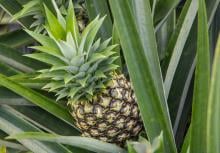
Scientists from Thailand, France and Singapore have conducted groundbreaking research using both tiny cellulose nanofibers (CNF) and long pineapple leaf fibers (PALF) to create stronger materials. They added varying amounts of CNF to epoxy and found that 1% CNF greatly increased impact strength. PALF-epoxy composites showed significant flexibility and strength improvements. Combining CNF and PALF resulted in a remarkable increase in impact strength. The findings could revolutionize stronger material development.
Events
Sorry, no events coming up for this topic.
Researchers
Sorry, no researchers coming up for this topic.
Giants in history
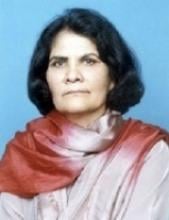
Pakistani botanist Azra Quraishi (22 September 1945 – 22 November 2002) is recognised for developing virus-free seed potatoes that increased potato production in Pakistan by an estimated five per cent.
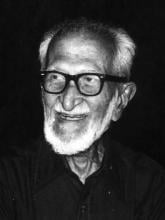
Sálim Moizuddin Abdul Ali (12 November 1896 – 20 June 1987), commonly referred to as the Birdman of India, was the first person to conduct systematic surveys of birds from across India.
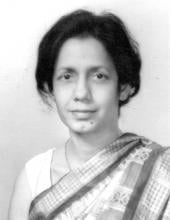
Indian botanist Shipra Guha-Mukherjee (13 July 1938 – 15 September 2007) made a breakthrough discovery that enabled the genetic study of plants and, by extension, the development of improved varieties of rice, wheat, potatoes, and other crops.

During her short life, Fahire Battalgil (1902 - 1948) achieved renown as the first zoologist from Turkey to make strides in the field of freshwater fish biodiversity.

Edgardo Dizon Gomez (7 November 1938 – 1 December 2019) was a Filipino marine biologist who recognized the need to protect marine resources, especially coral reefs, in the Philippines.

Gloria Lim (1930-2022) was a mycologist from Singapore who studied tropical fungi. One of the first students to attend University of Malaya when it was founded in 1949, she went on to become the first female Dean of the Faculty of Science at the University of Singapore.
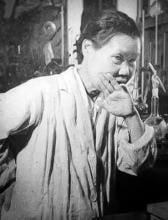
Michiyo Tsujimura (17 September 1888 – 1 June 1969) was a Japanese agricultural scientist and biochemist recognized for her research of green tea components.

Meemann Chang (born 17 April 1936) is a Chinese palaeontologist who studied the fossils of ancient fish to understand the evolution of life. By examining fossils, she uncovered new insights on how vertebrates, animals with a backbone, migrated from the sea and became adapted to live on land.
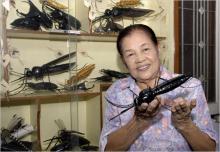
Rampa Rattanarithikul is a Thai entomologist who is a leading expert on mosquitoes. Rattanarithikul began her scientific career as a technician collecting mosquito specimens for the United States Operations Mission (USOM) malaria control program. Throughout her career, she discovered 23 species and officially described 13 others.
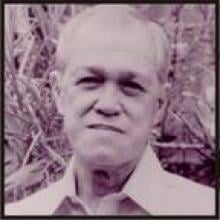
Julian Arca Banzon (13 March 1908 – 13 September 1988) was a biochemist from the Philippines who was a pioneer in alternative fuel research. Banzon investigated the use of indigenous crops as sources of renewable fuels and chemicals.
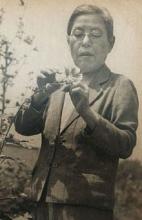
Kono Yasui (16 February 1880 – 24 March 1971) was a Japanese botanist who researched the genetics of poppies, corn and spiderworts and surveyed the plants that had been affected by the nuclear fallout after the atomic bombings of Hiroshima and Nagasaki.

Susan Lim (14 February 1952 – 2 August 2014) was a Malaysian parasitologist who specialized in studying a class of flatworms, the Monogeans, which are parasites of fishes.
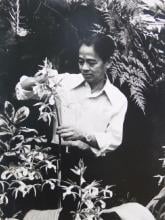
Rapee Sagarik (4 December 1922 – 17 February 2018) was Thailand’s renowned expert on orchids.
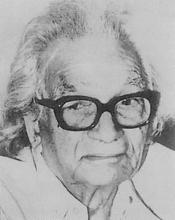
Salimuzzaman Siddiqui (19 October 1897 – 14 April 1994) was an artist and chemist from Pakistan whose research focused on natural products from plants.

Maqsudul Alam (14 December 1954 – 20 December 2014) was a biologist from Bangladesh who is renowned for his research on genome sequencing
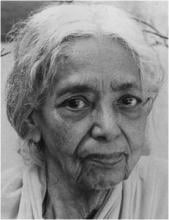
Janaki Ammal Edavalath Kakkat (4 November 1897 – 7 February 1984) was an Indian botanist who studied plant chromosomes and genetics.
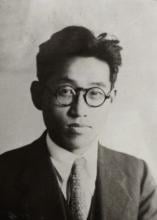
Joo-myung Seok (November 13, 1908 – October 6, 1950) was a Korean butterfly entomologist who made important contributions to the taxonomy of the native butterfly species in Korea.
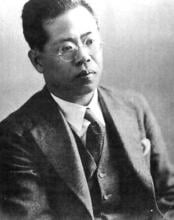
Woo Jang-choon (8 April 1898 – 10 August 1959) was a Korean-Japanese agricultural scientist and botanist.
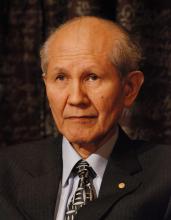
Osamu Shimomura (27 August 1928 – 19 October 2018) was a Japanese organic chemist and marine biologist who dedicated his career to understanding how organisms emitted light.

Rinchen Barsbold (born 21 December 1935) is a Mongolian palaeontologist and geologist who was instrumental in discovering and recovering one of the largest dinosaur collections in the world from the Gobi Desert in Mongolia and China.
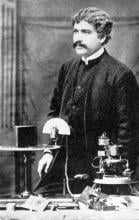
Sir Jagadish Chandra Bose (30 November 1858 – 23 November 1937) was a scientist and inventor who contributed to a wide range of scientific fields such as physics, botany and biology.
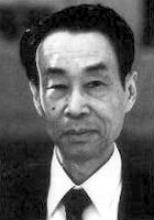
Motoo Kimura (13 November 1924 – 13 November 1994) was a Japanese theoretical population geneticist who is best remembered for developing the neutral theory of molecular evolution.

Indian organic chemist Asima Chatterjee (1917 to 2006) studied the medicinal properties of plant products, especially compounds known as vinca alkaloids.
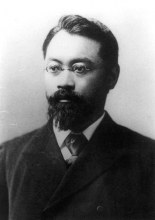
The techniques that make industrial pearl culturing possible were developed over a century ago at the Misaki Marine Biological Station in Japan. The station’s first director, Professor Kakichi Mitsukuri, emphasized to Kokichi Mikimoto in 1890 that stimulating pearl sac formation was important for pearl growth, and they went on to successfully develop methods for culturing pearls.
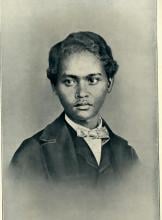
Little is known about Ali, a teenager from Sarawak, Malaysia, who was chief assistant to the famous naturalist Alfred Wallace. Most of what is known comes from Wallace’s writings. Ali accompanied Wallace on expeditions throughout the Malay Archipelago from December 1855 to February 1862.
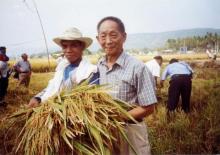
Chinese agronomist Yuan Longping (7 September 1930 – 22 May 2021) developed the first varieties of the high-yield, hybrid rice that brought food security to multiple countries including China, which had been ravaged by food shortages as recently as the mid-20th century.
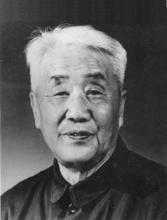
Chinese palaeontologist, archaeologist and anthropologist Pei Wenzhong (January 19, 1904 – September 18, 1982) is regarded as a founder of Chinese anthropology.
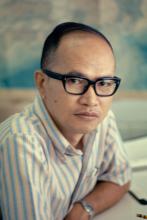
Research by Filipino plant scientist Benito Vergara (23 June 1934 – 24 October 2015) on the physiology of rice led to the development of deep-water and cold-tolerant rice varieties. Vergara also made several contributions to expanding public awareness of rice science.
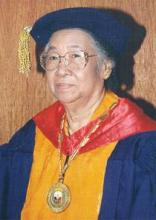
Eminent Filipina scientist and educator Clara Lim-Sylianco (18 August 1925 – 23 July 2013) is remembered for her extensive research on mutagens – often-carcinogenic agents that permanently alter genetic materials such as DNA – antimutagens and bioorganic mechanisms.

Filipina chemist María Orosa (29 November 1892–13 February 1945) fought malnutrition and food insecurity in the Philippines by devising over 700 culinary creations including Soyalac, a nutrient rich drink made from soybeans, and Darak, rice cookies packed with Vitamin B1, which could prevent beriberi disease caused by Vitamin B1 deficiency. She was also a partisan of the guerrilla movement resisting Japanese occupation during World War II, and died after being struck by shrapnel while working in her laboratory during the Battle of Manila.
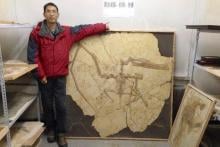
Lü Junchang (1965–9 October 2018) was a Chinese palaeontologist who is remembered as one of the most important dinosaur researchers of the last 50 years. Lü was an expert on reptiles that lived during the Mesozoic period about 252 million years ago. Cumulatively, Lü and his colleague/competitor Xiaolin Wang described and named more than 50 new species of flying dinosaurs known as pterosaurs.
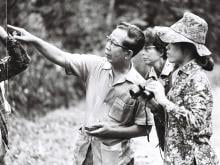
Thai physician and conservationist Boonsong Lekagul (1907 – 1992) made major contributions to the preservation of his country’s wildlife.
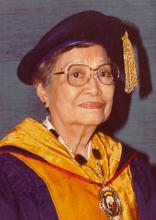
The research of Filipino pharmaceutical chemist Luz Oliveros-Belardo (3 November 1906 – 12 December 1999) focussed on essential oils and other chemicals derived from native Philippine plants.
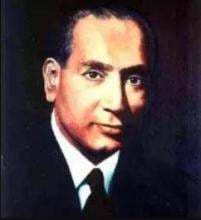
Birbal Sahni (14 November 1891 – 10 April 1949), a pioneer of Indian palaeobotanical research, and founder of what is now the Birbal Sahni Institute of Palaeosciences in Lucknow, made multiple contributions to the study of prehistoric plants. These include the discovery of a new group of fossil gymnosperms (named Pentoxylae), reconstruction of the extinct Williamsonia sewardiana plant, and description of a new type of petrified wood from the Jurassic age.

Ground-breaking cancer researcher Kamal Jayasing Ranadive (8 November 1917 – 11 April 2001) advanced the understanding of the causes of leukaemia, breast cancer and oesophageal cancer through the use of animal models. She was also among the first to recognise how susceptibility to cancer is linked to tumour-causing interactions between hormones and viruses.
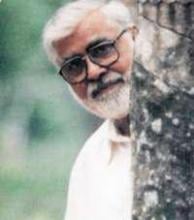
Known as Mr. Natural Rubber, chemist and researcher B. C. Shekhar (17 November 1929 – 6 September 2006) introduced a number of technical innovations that helped put Malaysia’s natural rubber industry on the world map.
In his over 30 year career in rice research, Munshi Siddique Ahmad (1924 – 19 October 2011) developed more than 30 varieties of high-yielding rice, including the BRRI Shail strain, which was responsible for increasing the rice production of Bangladesh from 8 million tonnes in 1965 to 20 million tonnes in 1975.
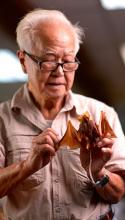
Lim Boo Liat (21 August 1926 – 11 July 2020), a leading authority in the conservation of Malaysia’s biological diversity, had his initial interest in the outdoors piqued by nature lessons in school. Lim, who helped found the National Zoo of Malaysia and re-establish the Malaysian Nature Society, had a particular interest in researching zoonotic diseases associated with small animals.
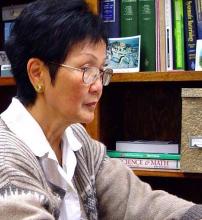
Roseli Ocampo-Friedmann (23 November 1937 – 4 September 2005) was a Filipino-American scientist whose research focused on cyanobacteria and microorganisms that inhabit extreme environments.
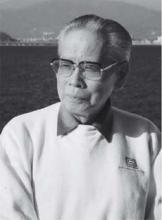
A Japanese surgeon, Tetsuzo Akutsu (20 August 1922 – 9 August 2007) built the first artificial heart capable of keeping an animal alive.
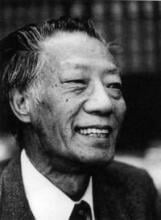
Min Chueh Chang (10 October 1908 – 5 June 1991) was a Chinese-American biologist who studied fertilization in mammalian reproduction.
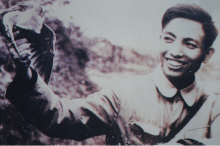
Võ Quý (1929 – 2017) was a Vietnamese ornithologist who studied the destruction of tropical forests and agricultural lands in Vietnam by Agent Orange, a herbicide used by the U.S. military during the Vietnam War. In addition to planning forest restoration projects, Quý rediscovered the rare eastern sarus crane, an endangered species that had vanished during the war.