
Asia Research News - How it all began
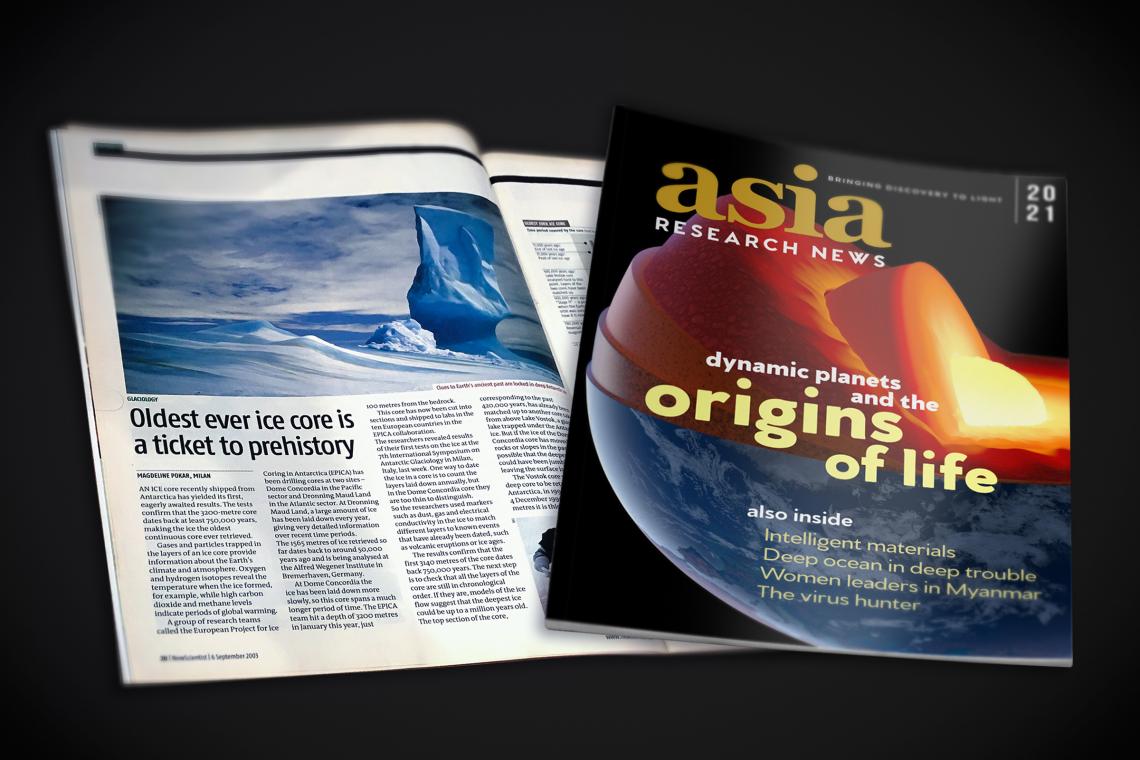
Dr. Magdeline Pokar reporting for New Scientist in 2003 (left). She now produces the Asia Research News magazine (right), among other channels, to showcase research from Asia to a global audience. The 2022 edition will be out in March.
I first heard the words science communication from a fellow PhD student at University of Leeds, which piqued my interest as I've always been interested in the blending of science and writing. An interest which started whilst working as a freelance journalist for the New Straits Times in the evenings and completing my Environmental Geophysics Masters in Universiti Sains Malaysia in the daytime. I believe this helped me at the Chevening Awards interview, which resulted in a full PhD scholarship to the United Kingdom, only 1 of 3 awarded to Malaysians that year.
In the UK, I started pitching to New Scientist and attended talks on science communication including one from the founder of SciDev.Net, who mentioned the difficulties getting information about science and research outside of Europe and the US. Many other journalists agreed with him. As a post-doc at University of Bristol, I was also an assistant editor to a European Geosciences Union (EGU) newsletter. Here, I learnt about the system that assisted journalists to keep track of the latest research from universities in Europe and the US. I learnt there was no such system in other parts of the world, which unfortunately, skewed international science news coverage. So, somewhat naively, I decided to set up a platform for universities and journalists, which later became Asia Research News. That was 18 years ago, with help from my husband Daniel Raymer and an extended mortgage on our little house.
Science communication has come a long way since then, with more news coverage from around the world. I am grateful for the opportunity to innovate in this industry. Over the years, we've worked with leading research institutions in Asia, listened to their needs and developed services to meet those needs. It was not an easy journey - working long hours with no pay, including taking only 1 day off after giving birth (not one of my better decisions) but each year, we continue to grow, expanding through word of mouth and continuous building of new relationships and cementing existing ones.
I would like to thank the many people who have helped us along the way. We are proud to support Asia's research community by continuing to increase awareness of the innovation throughout the region.
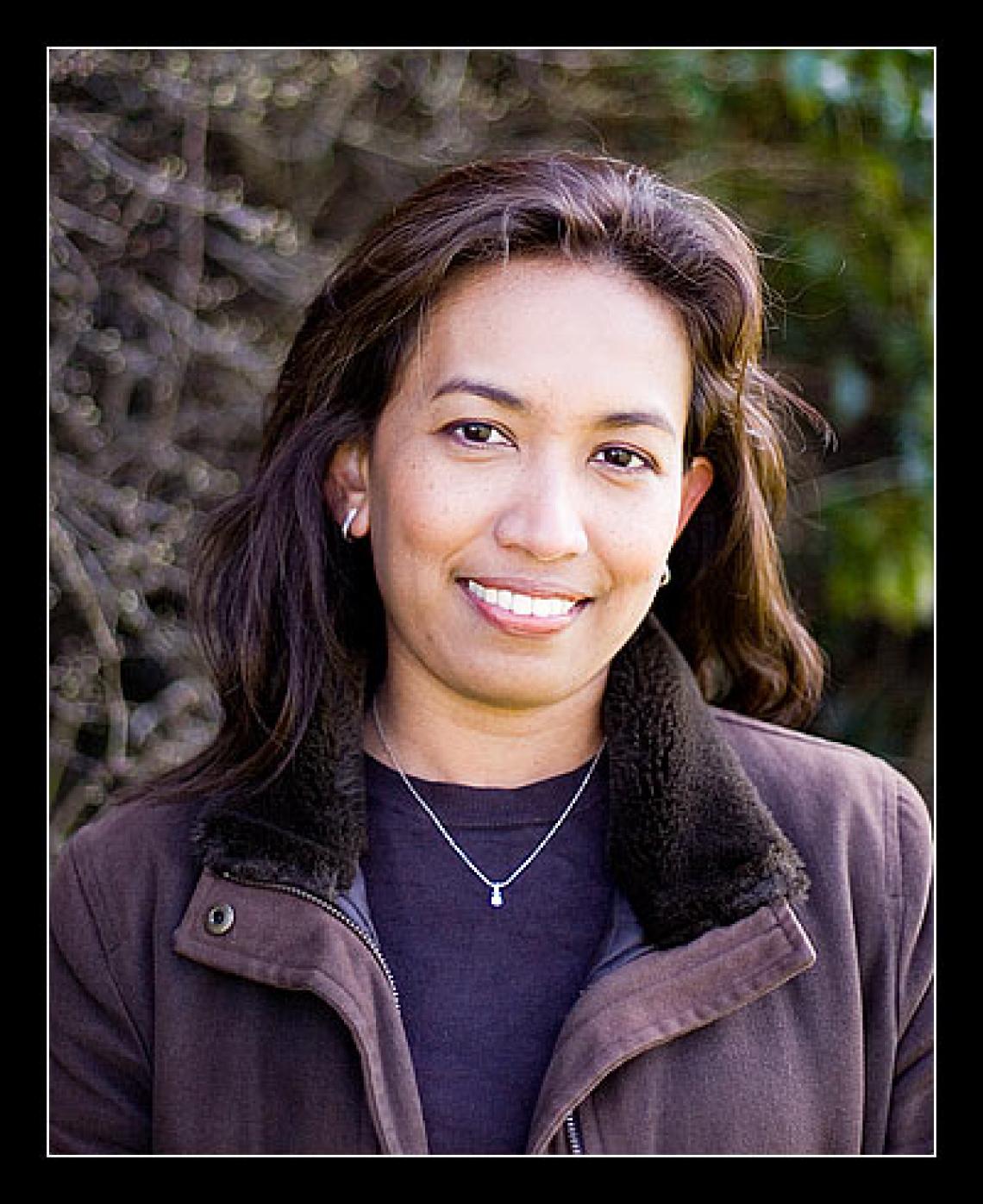
Dr. Magdeline Pokar set up a platform for universities and journalists, to connect with each other in 2004.
About the author
Maggie is the founder and managing director of Asia Research News, overseeing all aspects of this innovative startup. Before life as an entrepreneur, she investigated new technologies for pollution and groundwater monitoring, as well as climate change impact on Antarctica. Her interest in journalism grew from reporting stories in Malaysia to contributing features to international science magazines. Being able to combine research and news is a dream job for her. Maggie is also a Salzburg Global Fellow, Japan Airlines, Chevening and Tun Razak Leadership and UK National Endowment for Science, Technology and the Arts Scholar. She loves trying out new restaurants, going to the beach and watching the clouds go by.