Internal medicine Oncology
News
03 Aug 2023
The researchers from Osaka University showed how bone erosion caused by cholesteatoma occurs. This study showed that a subset of cells called osteoclastogenic fibroblasts expresses a protein, activin A, which causes the breakdown of the bones. Because of this discovery, novel medical treatments can be developed as first-line management for cholesteatomas.
28 Jun 2023
Researchers from Osaka University have revealed the mechanism by which increased signaling through a pathway associated with a molecule called Wnt leads to the development of liver cancer. They identified a gene called GREB1 as a target of Wnt specifically in liver cancer. This gene alters the function of a protein called HNF4α, leading to the development of cancer. They also showed that treatment of mice with antisense oligonucleotides against GREB1 had significant anti-cancer effects.
24 Jan 2022
Broccoli may contain advantages beyond nutrition. A molecule found in broccoli, cabbage and more digests down into DIM, a compound with brighter benefits than the name implies, such as inducing cell death in breast, prostate and colon cancer. Now, researchers are beginning to understand the mechanism underpinning this molecular behavior — information that could help elucidate future anti-cancer treatments.
22 Dec 2021
We have succeeded in establishing a mouse model that develops gastric cancer closely resembling advanced human gastric cancer. Using this model, we have discovered gastric cancer stem cells, i.e. Lgr5+ gastric cancer cells, essential for the development, maintenance, and metastasis of cancer. Our study provides an experimental system that enables detailed analysis of highly malignant gastric cancer and is expected to lead to the development of a breakthrough treatment for advanced human gastric cancer.
02 Nov 2021
Malfunctioning of the so-called Hippo signalling pathway within animal cells leads to irregular activity of proteins that regulate genes involved in cell proliferation. Researchers have identified a key step in the process of this aberration, opening the door to new therapeutics for cancers such as head-and-neck squamous cell carcinoma and lung adenocarcinoma.
06 Sep 2021
A synthetic CDK4/6 inhibitor exerts antitumor effects by forcing RB1 tumor-suppressor into an active status, but its single administration is not sufficiently effective. We find its combinatorial administration with an IKKβ inhibitor is significantly more effective in hepatocellular carcinoma treatment. Also, blockage of the IKK-NF-κB or AKT pathway enhances its effects on RB1-intact K-Ras mutated lung and colon cancers. CDK4/6 inhibitors have potential to treat various RB1-intact cancers when combined with an appropriate kinase inhibitor.
12 Feb 2021
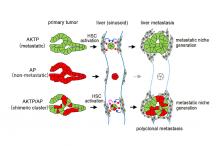
In a study published in Nature Communications, cancer researchers at Kanazawa University identify mechanisms by which malignant tumor cells extend their toxicity to distinct cell types and in turn help them spread.
24 Jan 2021
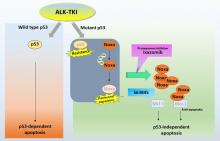
Researchers at Kanazawa University report in Clinical Cancer Research that in the most common type of lung cancer, certain secondary mutations occurring with another gene alteration known as ALK make the efficacy of alectinib, an otherwise commonly used drug for treating lung cancer, become unfavorable. Combining alectinib with another kind of drug can overcome this adverse effect, however.

26 Mar 2020
In a recent study published in Autophagy, researchers at Kanazawa University show how abnormalities in a gene called TPR can lead to pediatric brain cancer
23 Nov 2018
Tests show an association between how aggressive a tumour is and the levels of sugar and inflammatory proteins in the blood.
Events
Sorry, nothing coming up for this discipline
Researchers
Sorry, nothing coming up for this discipline
Giants in history
Sorry, nothing coming up for this discipline