

Journal of Biological Chemistry
About Journal of Biological Chemistry
The Journal of Biological Chemistry (JBC) welcomes high-quality science that seeks to elucidate the molecular and cellular basis of biological processes.
- Website: https://www.jbc.org/
- Current Issue: https://www.jbc.org/current
News
15 Oct 2026
Ehime University
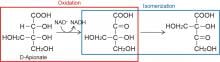
Only four enzymes including D-apionate oxidoisomerase (ApnO) are known to catalyze distinct, sequential chemical reactions at a single active site. Biochemical and crystallographic analysis revealed the catalytic mechanism of ApnO containing zinc and manganese ions as metal cofactors, and unique tetrahedral coordination geometry of the later. This study provides new insight into the molecular evolution of rare enzymes that defy the general paradigm wherein a single enzyme's activity is classified under a single reaction mode.
27 Feb 2026
Ehime University
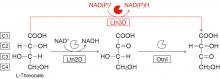
Biochemical and structural biological analysis of a hypothetical gene (protein) within a gene cluster related to metabolic pathway of L-threonate, a four-carbon sugar acid, revealed it’s enzyme function as a L-threonate 3-dehydrogenase and physiological role for metabolic diversity. Although the existence of this enzyme itself was reported in the same academic journal in 1964, the molecular identity of which has remained unknown for over 60 years.

24 Jun 2025
Osaka Metropolitan University
Stress-responsive gene pushes pancreatic insulin-producing cells toward dysfunction, fueling diabetes

01 Dec 2024
The University of Osaka
Researchers at Osaka University have identified ARMC5 as a key regulator of fatty acid balance in adipose tissue. ARMC5 degrades non-SCAP-bound SREBP1, activating it to regulate stearoyl-CoA desaturase (SCD), an enzyme essential for fatty acid desaturation. This discovery opens avenues for developing drugs targeting ARMC5 to manage fatty acid levels and improve health outcomes.

18 Jul 2024
Ehime University
Elucidation of the substrate recognition mechanism of ArcS, the second-step enzyme for archaeosine synthesis in tRNA
24 Jul 2023
Tohoku University
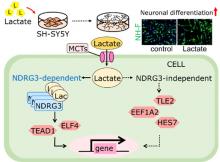
Lactate is a byproduct of exercise and metabolism, fueling our brain when oxygen is limited. More recently, scientists have become aware of the many roles it plays in developing our nervous system. Now, researchers from Tohoku University have unearthed the cellular mechanisms by which lactate helps our brains develop.
27 Dec 2022
Ehime University
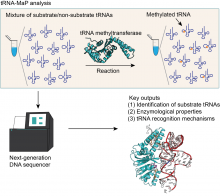
tRNA-MaP can rapidly analyze the specificity of tRNA m1A22 methyltransferase (TrmK) for substrate tRNAs.

12 Dec 2022
Institute for Integrated Cell-Material Sciences (iCeMS) at Kyoto University
Revelations about the mechanisms of two key proteins which maintain the asymmetric distribution of cholesterol within the cell membrane could help understand and treat diseases linked to its imbalance
19 Jul 2022
Osaka Metropolitan University
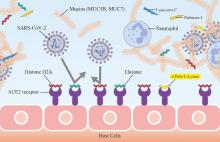
Saliva and oral cells are important routes for transmission and infection by the novel coronavirus COVID-19. A research group led by Associate Professor Misako Matsubara and Specially Appointed Professor Katsutoshi Yoshizato of Osaka Metropolitan University hypothesized that the body's innate immune system may protect against SARS-CoV-2 infection. The onset and severity of COVID-19 are age-dependent, as are parts of the innate immune system like saliva production and quality, which are significantly reduced in the elderly. They found that saliva from healthy individuals prevented the binding of the SARS-CoV-2 spike protein S1 on the viral envelope to the angiotensin-converting enzyme 2 (ACE2) receptor present on the plasma membrane of human cells in a concentration-dependent manner.

28 Dec 2020
Institute for Integrated Cell-Material Sciences (iCeMS) at Kyoto University
Investigations of a cellular protein have uncovered a possible link with schizophrenia.
11 Mar 2020
Ehime University
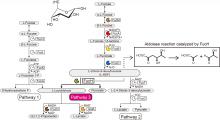
・A novel pathway of L-fucose metabolism was discovered in strictly anaerobic and pathogenic bacterium.
・The genetic context in bacterial genomes and the screening for potential substrates can help identify the biochemical functions of bacterial enzymes.
・No homologous pathway is found in humans or in probiotic bacteria.
07 Feb 2020
Hokkaido University
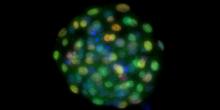
A calf was born from an embryo lacking cells which form a large part of the placenta, providing new insight into the regenerative capacity of mammalian embryos.
09 Jan 2020
The Chinese University of Hong Kong (CUHK)
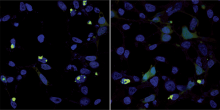
A small molecule could hold the key to tackling the protein build-up in nerve cells that occurs in several devastating neurological disorders.
29 Oct 2019
Ehime University
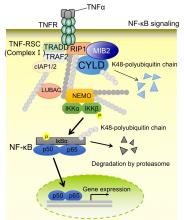
A team of researchers at Ehime University revealed that E3 ubiquitin ligase MIB2 enhances inflammation by degrading the deubiquitinating enzyme CYLD. This finding was published on September 20 in The Journal of Biological Chemistry.
28 May 2019
Duke-NUS Medical School
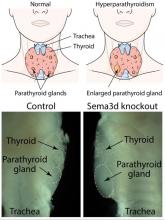
Singapore researchers discover protein that protects parathyroid glands from excessive growth, suggesting potential drug-based strategies to treat hyperparathyroidism and other relevant tumours.
25 Dec 2017
Hokkaido University
Hokkaido University researchers have uncovered a cellular protein that stabilizes a tumor promoting signaling pathway, suggesting a new target to treat prostate cancer.
13 Oct 2016
Nagoya University
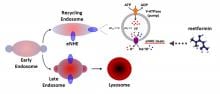
Nagoya University-led researchers use nematode worms as a model to identify a new target of the type 2 diabetes drug metformin; ion exchanger protein NHX-5 and its related protein in fruit flies are potential metformin targets, suggesting the drug controls the cellular endocytic cycle.
16 Jun 2016
Hokkaido University
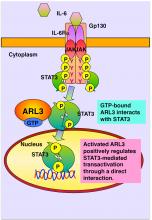
Hokkaido University scientists are getting closer to understanding the function of a protein involved in vital cellular processes. This may lead to the discovery of drugs that can treat some cancers and autoimmune disorders.
09 Dec 2015
Tohoku University
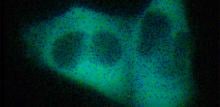
Researchers in Japan have created a new technique for visualizing the dynamics of nitrate (NO3-) and nitrite (NO2−), both markers of nitric oxide in a cell.
27 Jul 2015
The University of Tokyo
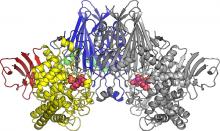
Missing link in microbial cellulose decomposition

24 Sep 2013
Organization of Frontier Science and Innovation, Kanazawa University
Prof. Tamai's latest research examines how orange, apple and grapefruit juices affect the absorption of prescription drugs into the body. As Kanazawa's most cited professor, he has dedicated his career to study molecules and genes responsible for cardiomyopathy, muscle weakness, and Reye’s syndrome.
07 Mar 2012
RIKEN
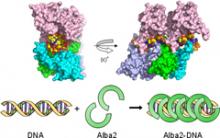
Researchers at the RIKEN SPring-8 Center in Japan have clarified for the first time how chromatin in archaea, one of the three evolutionary branches of organisms in nature, binds to DNA. The results offer valuable clues into the evolution of chromatin structure and promise insights into how abnormalities contribute to cancers and gene disorders.

29 Oct 2011
Asia Research News
“Reinforcement of microfibril rescues microfibril disorder of Marfan’s syndrome”.

15 Jul 2011
RIKEN
Zinc-transporting protein complexes are found unexpectedly to steer the maturation of an essential enzyme
08 Oct 2010
RIKEN
RIKEN molecular biologists have successfully reprogrammed adult rabbit body cells to form colonies of fully pluripotent cells that are highly similar to rabbit embryonic stem cells (ESCs).

30 Jul 2010
RIKEN
By bolstering a sophisticated computational model with quantitative experimental data, researchers begin to decipher the workings of a complex signaling network
30 Apr 2010
RIKEN
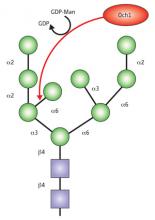
By characterizing the sugar content of cells, researchers have begun to reconstruct important ‘quality control’ mechanisms for protein production