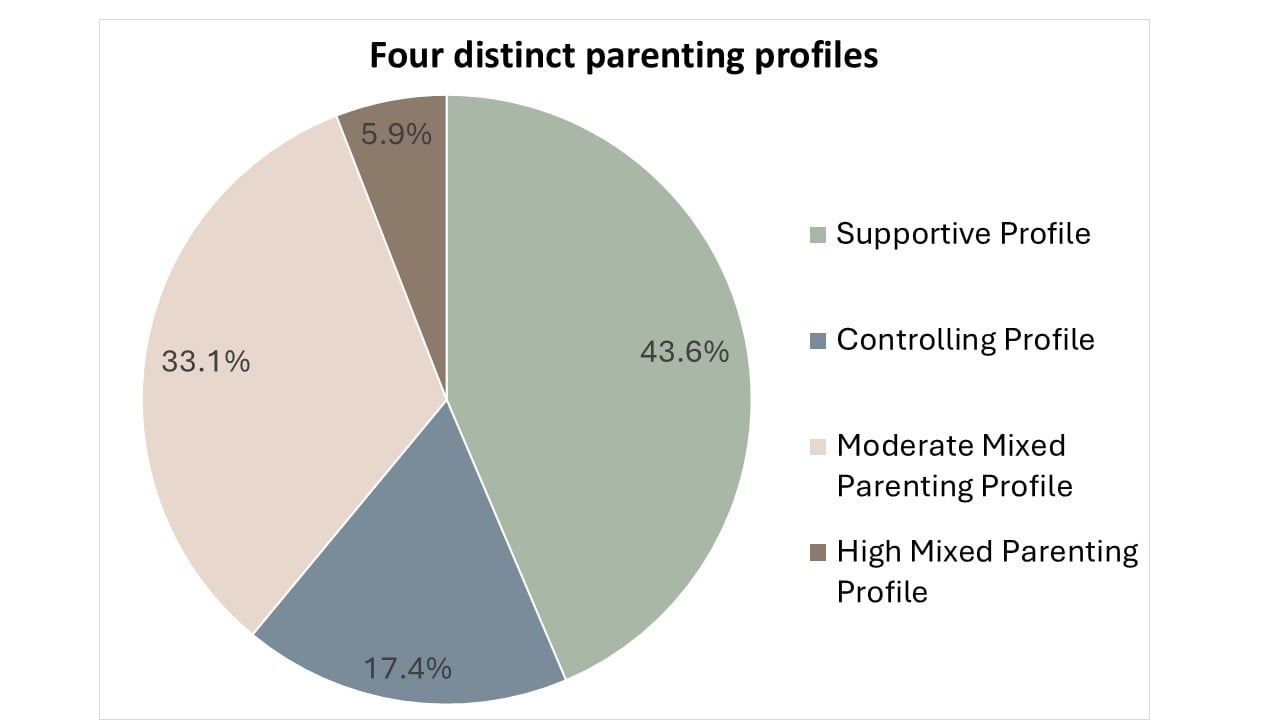
Figure 1. Based on the survey results, the research team divided parenting styles into four distinct categories: "Supportive Profile", "Moderate Mixed Parenting Profile", "Controlling Profile", and "High Mixed Parenting Profile".
Prof Lin Li, Assistant Professor of the Department of Psychology at Lingnan University and her collaborators conducted a two-wave survey between 2020 and 2021. The study tracked 742 junior secondary school students from Grade 7 to Grade 8 in two public schools in Foshan, with the two rounds of data collection spaced one year apart. Participating students reported on their perceptions of parents' child-rearing practices, alongside assessments of their own emotional regulation, depressive symptoms, and self-harm behaviours.
Based on the data, the research team identified four distinct parenting profiles. Nearly 44 per cent (43.6 per cent) of parents fell into the "Supportive Profile", characterised by respecting their children’s opinions, granting autonomy, and infrequent use of psychological control. This was followed by the "Moderate Mixed Parenting Profile", accounting for 33.1 per cent, where parents exhibited an inconsistent parenting style that alternated between openness and demandingness, making it difficult for adolescents to anticipate their responses. Over 17 per cent (17.4 per cent) fell into the "Controlling Profile", where parents demanded strict obedience, allowed minimal personal autonomy, and frequently deployed psychological control tactics like guilt induction or love withdrawal to exert pressure. The final category, nearly 6 per cent (5.9 per cent), was the "High Mixed Parenting Profile", where parents, under the guise of acting for the child's own good, offered superficial autonomy and support while simultaneously using psychological control tactics such as guilt induction and love withdrawal to demand compliance (Figure 1).
The study indicates that "Supportive" families respect autonomy and value emotional communication, resulting in a lower risk of depression and self-harm in children. Conversely, the three profiles involving psychological control, most notably the "Controlling" group, showed a marked correlation with non-suicidal self-injury (NSSI) a year later. Crucially, the "High Mixed Parenting" group proves deeply problematic because the conflicting signals of superficial support paired with intense psychological control leave adolescents highly disoriented.
Research and analysis reveal that parental psychological control compromises an adolescent's capacity for emotional regulation, manifesting as impulsivity, hyper-reactivity, and difficulty coping with negative emotions. This prolonged emotional dysregulation creates a direct pathway to depressive symptoms and subsequent self-harm, a trend that is particularly pronounced among female respondents.
Prof Lin noted that the findings offer clear direction for both educators and parents, showing that a beneficial upbringing requires balancing boundaries with proper autonomy and emotional support. By reducing psychological control, parents can help children develop important emotional regulation skills. She observed, “Conducted in South China, this study is most relevant to Hong Kong, especially given our fiercely competitive environment. Many local parents have exceptionally high aspirations for their children, hoping they will excel and succeed. Some view control as a form of care and responsibility, or act out of a conviction that it is 'for their own good', inadvertently exerting psychological pressure as a result. Far from achieving the desired educational outcome, this may severely damage a child's mental health, sense of self-worth, and the parent-child relationship.”
To effectively prevent and reduce non-suicidal self-injury in adolescents, Prof Lin suggests that the education sector should identify high-risk youth early by looking at different parenting styles, and strengthening emotional management and mental health support.
Prof Lin Li from Lingnan University serves as the corresponding author of this study, Miss Du Qingnan, a postgraduate researcher from the School of Psychology of South China Normal University, is the first author, and Prof Wu Nini, Associate Professor from the Department of Applied Psychology of Guangdong University of Education, is the co-first author. The other co-authors include Prof Zheng Xiangrong, Associate Professor at the Department of Applied Psychology of Guangdong University of Education, and Ms Luo Dongli of Boqi School in Nanhai District.
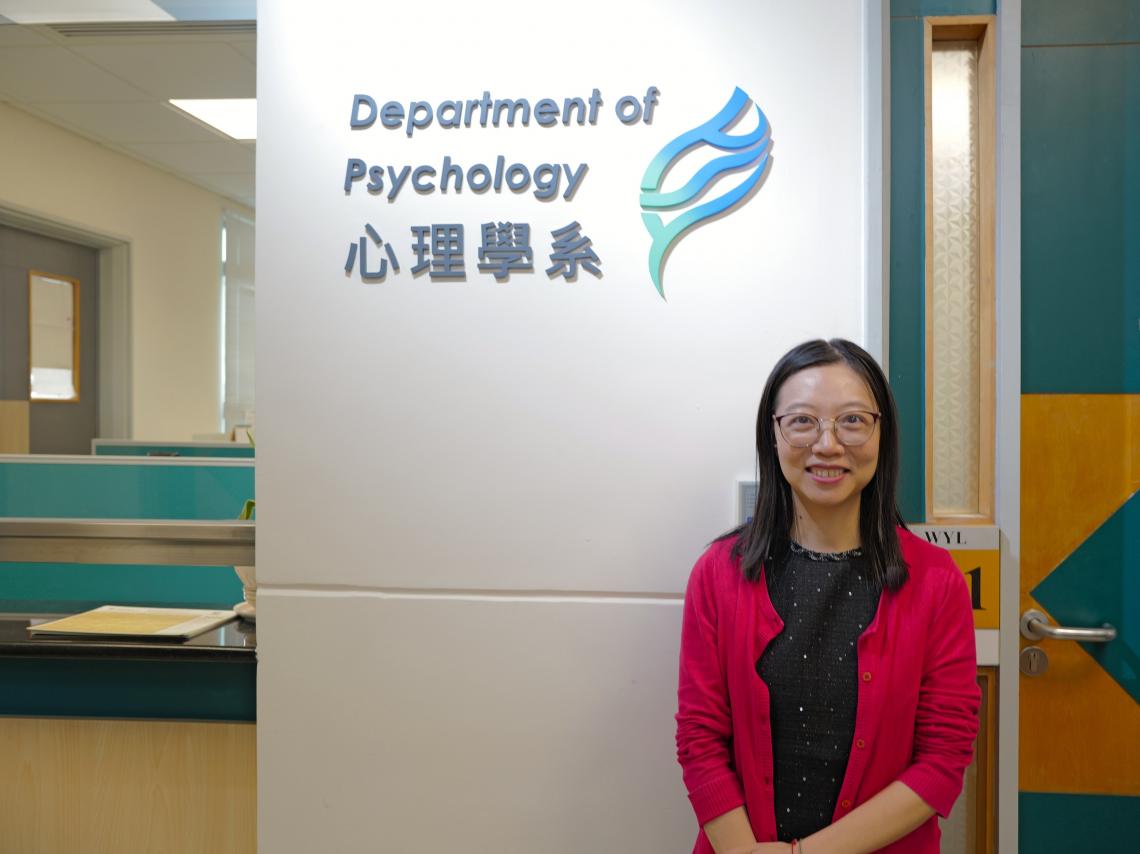
Prof Lin Li, Assistant Professor in the Department of Psychology at Lingnan University.