

Medicine & Healthcare Internal medicine
News
04 Mar 2026
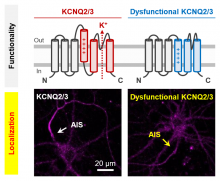
Researchers from The University of Osaka have found that potassium KCNQ2/3 channels in the brain, which are important for suppressing cell excitability, need to be fully functional to be trafficked to the appropriate part within the nerve cell and work properly. This link between channel functionality and localization may have important consequences for the development of therapies against KCNQ2/3-related epilepsy.
02 Mar 2026
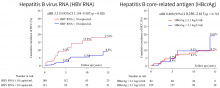
Researchers at Hiroshima University and Gifu Kyoritsu University identified Hepatitis B RNA serum levels as a biomarker that more accurately stratifies risk of liver cancer in individuals who have been functionally cured of chronic hepatitis B.
27 Feb 2026
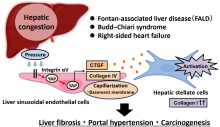
Researchers from The University of Osaka have found that a specific signaling pathway, the integrin αV–YAP–CTGF axis in liver sinusoidal endothelial cells, may be associated with the development of liver fibrosis, portal hypertension, and liver cancer in patients with chronic liver congestion. These findings have important implications for the development of therapies aimed at preventing more severe forms of liver disease.
05 Feb 2026
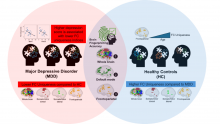
Study highlights the uniqueness of individual brain functional connectomes as a promising approach to identify biomarkers for major depressive disorder.
29 Jan 2026
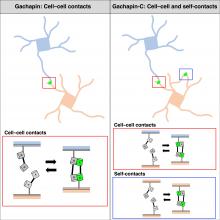
Researchers from The University of Osaka report the development of two fluorescent indicators, Gachapin and Gachapin-C, that can be used to monitor cell–cell contacts and contacts between different processes of the same neuronal cell. Unlike split GFP indicators, the reversible and instant fluorescence from the Gachapin/Gachapin-C chromophore upon contact enables real-time imaging of dynamic contact events.
26 Jan 2026
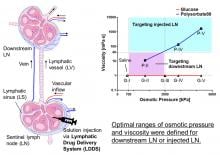
Lymphatic Drug Delivery System (LDDS) is an emerging type of cancer treatment, but its efficacy depends on how efficiently the drugs reach the lymphatic system. A research team from Tohoku University has clarified how the physical and chemical features of medicines affect how they move through the lymphatic and blood systems, helping to advance the clinical development of LDDS.
16 Jan 2026
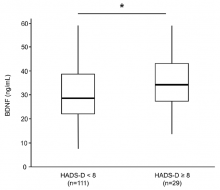
Symptoms of depression are common among people with asthma, but growing evidence suggests they may arise from biological mechanisms different from those underlying major depressive disorder.
13 Jan 2026
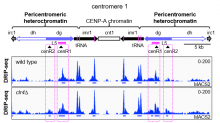
A research team at The University of Osaka revealed that the loss of heterochromatin can cause a chain reaction leading to genetic changes and the subsequent development of diseases including cancer. Using fission yeast, the study specifically found that loss of Clr4, which encodes a methyltransferase, can induce an increase in R-loop levels at pericentromeric repeats, and the later conversion of R-loops into ADR-loops can prompt gross chromosomal rearrangements.
09 Jan 2026
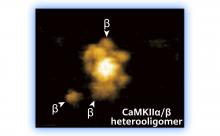
Scientists at the Nano Life Science Institute (WPI-NanoLSI), Kanazawa University, have captured real-time images showing how a key brain enzyme organizes itself to help memory formation. Their study, published in Nature Communications, reveals that the enzyme CaMKII forms mixed α/β subunit structures whose interactions stabilize learning-related signals in neurons.

29 Dec 2025
Findings connect Fusobacterium nucleatum with multiple sclerosis disease severity
10 Dec 2025
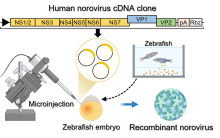
Researchers from The University of Osaka have developed a novel reverse genetics system to study norovirus, the leading cause of gastroenteritis. This efficient system can generate infectious viral particles by simply injecting viral genetic material into zebrafish embryos. They were able to alter the genetic material to create modified viruses, enabling the evaluation of antiviral drugs and novel vaccine development. The advances provided by this new system will have a significant effect on public health.

09 Dec 2025
Brain atlas, From perfume to plastic, Stable solar power, Plant aging switch, Anti-cancer droplets, Greener gold, Extreme star factory and How research shapes sustainability policy. Read all in the latest Editor's Choice.
08 Dec 2025
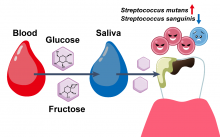
Researchers from The University of Osaka found migration of glucose and fructose from the blood to saliva drives oral microbiome dysbiosis in patients with type 2 diabetes, increasing the development of dental caries. This suggests that glycemic control could be an effective strategy for controlling dental caries in this population.

17 Nov 2025
Researchers at The University of Osaka developed the Balloon-Assisted Bronchoscope Delivery (BDBD) technique and in a first-in-human clinical trial, the team successfully demonstrated that this technique is both safe and effective, enabling access to lesions smaller than 20 mm. By using a small balloon to gently widen airways, it allows endoscopes to reach deep, peripheral lung tumors, promising more accurate cancer diagnosis and new minimally invasive treatment options.

14 Nov 2025
Untangling cosmic knots, Samurai jellyfish, Controlling rogue antibodies, Search for anti-ulcer vaccine & Metal-recovering yeast. Plus next SciCom coffee talk on experiences in science journalism in the AI era and WHO guide to reporting on non communicable diseases. Read all in the latest Editor's Choice.
11 Nov 2025
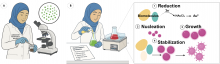
Researchers have developed an eco-friendly method to create gold nanoparticles (AuNPs) using microalgae. This "green synthesis" avoids harsh chemicals, resulting in nanoparticles that are more stable than conventional ones. When activated by a laser, these AuNPs effectively destroy cancer cells while showing lower toxicity to healthy cells. This breakthrough promises a more sustainable and safer approach to photothermal cancer therapy and other applications in nanomedicine.
10 Nov 2025
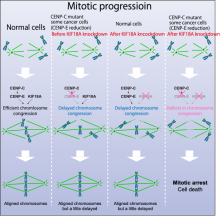
UOsaka and MIT scientists revealed that the motor proteins KIF18A and CENP-E work together to align chromosomes during mitosis. Cancer cells with reduced CENP-E levels are especially sensitive to KIF18A inhibition, and dual inhibition of both proteins leads to efficient cell death. The discovery offers new insights into chromosome mechanics and a potential strategy for targeted cancer therapy.
05 Nov 2025
Researchers from The University of Osaka have found that rituximab, a monoclonal antibody approved for the treatment of nephrotic syndrome in children in Japan, also improves disease management in adults. The drug kept adults with frequently relapsing nephrotic syndrome or steroid-dependent nephrotic syndrome relapse-free for longer, compared with placebo, with good safety. By reducing the frequency of relapses, rituximab may reduce the reliance on corticosteroids and help to improve quality of life among adult patients with these challenging conditions.
08 Oct 2025
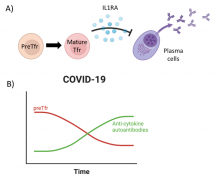
Researchers at The University of Osaka have discovered precursor T follicular regulatory cells (preTfr), comprising 30-50% of circulating Tfr in human blood. preTfr are significantly reduced in severe COVID-19 and sepsis, correlating with increased anti-interferon-gamma autoantibodies and activated atypical B cells. Unlike stable conventional naïve regulatory T cells, preTfr are specifically depleted during severe disease. When stimulated, preTfr up-regulate suppressive molecules including IL-1RA and show enhanced wound healing capacity. Conversely, mRNA vaccination increases preTfr frequency, suggesting controlled immune participation. The findings identify preTfr as a therapeutic target for preventing autoantibody production during severe infections.
08 Oct 2025
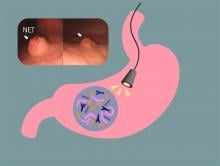
Researchers investigated how autoimmune gastritis alters the gastric microbiota and disrupts metabolism, shedding light on mechanisms that contribute to the development of neuroendocrine tumors.
22 Sep 2025
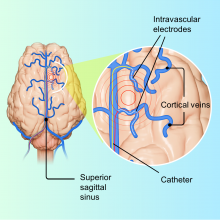
This innovative technique allows for precise measurement of brain activity without the need for open-brain surgery by using blood vessels as conduits for electrodes. This holds immense potential for improving neurological care, advancing our understanding of the brain, and unlocking new possibilities for brain-computer interfaces.
22 Sep 2025
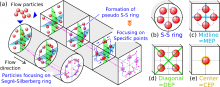
A joint team has uncovered how soft, deformable particles, like cells, behave in microfluidic channels. Using precisely fabricated hydrogel particles and simulations on the supercomputer "Fugaku," they demonstrated that particle softness dramatically alters their focusing patterns, deviating significantly from rigid particle behavior. These findings reveal distinct "phase transitions" in focusing, shifting from mid-edge to eight-point, diagonal-edge, and finally center focusing as deformability increases. This breakthrough, explained by a new theoretical model incorporating inertia and deformability, offers crucial insights for designing next-generation microfluidic devices for highly efficient cell sorting and other biomedical applications like early cancer detection. The ability to control particle focusing based on deformability opens exciting possibilities for advanced particle manipulation and separation technologies.
16 Sep 2025
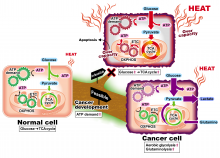
Researchers at The University of Osaka and Kanazawa University have developed a novel method for analyzing cancer metabolism, revealing new insights into cancer's inefficient energy process. This breakthrough, published in Metabolic Engineering, combines biological experiments with advanced information science techniques to uncover the role of cancer-specific inefficient metabolism.
11 Sep 2025
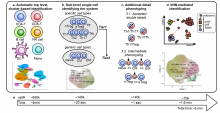
An international research group led by The University of Osaka has developed scODIN, a novel computational tool to classify cell types from single-cell RNA sequencing (scRNA-seq) data. Existing methods struggle to balance speed and accuracy, often misclassifying rare or transitional cells. scODIN overcomes this limitation by combining a hierarchical classification system (Tier system) with k-nearest neighbor inference. This approach allows for the rapid and accurate classification of large datasets, processing 650,000 cells in just six minutes. The tool's improved accuracy stems from its ability to identify cells at varying levels of detail, recognize intermediate phenotypes through double labeling, and recover cells affected by dropout events. scODIN promises to accelerate biomedical discoveries by enabling more precise and efficient analysis of complex biological processes and disease mechanisms.
04 Sep 2025
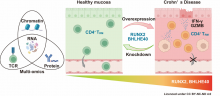
The research group led by Drs. Mitsuru Arase, Mari Murakami, and Prof. Kiyoshi Takeda (Graduate School of Medicine/ Immunology Frontier Research Center at The University of Osaka) revealed that transcription factors RUNX2 and BHLHE40 play crucial roles in inducing T cells involved in Crohn's disease.
02 Sep 2025
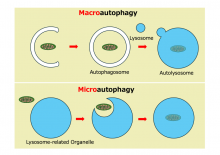
Researchers from The University of Osaka found that macrophages use microautophagy, mediated by Rab32-positive lysosome-related organelles, to directly engulf damaged mitochondria and other organelles. This was discovered to be independent of macroautophagy. Key factors in this process include Rab32 GTPase, PI(3,5)P2, ubiquitination, and p62/SQSTM1. By clearing mitochondria, microautophagy promotes metabolic reprogramming toward glycolysis, supporting M1 macrophage polarization. Loss of Rab32/38 disrupts this process, highlighting microautophagy’s role in regulating macrophage function.
18 Aug 2025
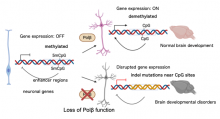
A research group led by The University of Osaka has discovered that the DNA repair enzyme Polβ plays a crucial role in protecting the developing brain from harmful mutations. The study found that a lack of Polβ leads to a significant increase in small insertions and deletions of DNA, known as indels near CpG sites, which are important regulatory regions in genes. This accumulation of mutations could contribute to neurodevelopmental disorders.

06 Aug 2025
Prognosis indicators may be detectable in canine test results

18 Jul 2025
A team from The University of Osaka found that the intestinal flora works together with the OTUD3 and STING genes to aggravate ulcerative colitis, a disease with no cure that causes major intestinal pain and bloody diarrhea. When the OTUD3 gene is mutated, microbes in the intestinal flora trigger STING signalingOTUD, leading to inflammation in the colon. The intestinal flora and STING signaling may be important new targets for ulcerative colitis treatment.

14 Jul 2025
As the days grow shorter, many animals prepare for the approaching winter by suspending reproduction. Insects, for example, accumulate energy stores while halting ovarian development through a process known as reproductive diapause. In a recent study published in The Journal of Experimental Biology, researchers at The University of Osaka uncovered a key neuroendocrine pathway underlying this seasonal shift in the bean bug Riptortus pedestris, identifying the neuropeptide corazonin as a molecular signal that suppresses reproduction in response to changes in day length.
Events
Sorry, nothing coming up for this discipline
Researchers
Sorry, nothing coming up for this discipline
Giants in history
Sorry, nothing coming up for this discipline