
Biology Mycology
News
01 Apr 2026
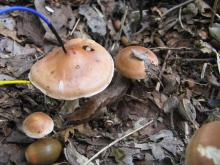
Psst, have you heard that mushrooms can “gossip” and spread information to their neighbours? Researchers at Tohoku University showed how electrical information flows between mushrooms in response to a unique stimulus: urine.
31 Mar 2026
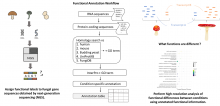
Researchers at Hiroshima University have developed a new tool to quickly and accurately map fungal gene functions, even for species that have never been studied before.

09 Oct 2024
Fungi don’t have eyes or a brain, but their intelligent behaviours may surprise you! Research at Tohoku University suggests that fungi may be able to recognize shapes.
30 Jul 2024
Applied Microbiology International has announced that it has recruited 11 new Global Ambassadors from around the world.

19 Jun 2024
Study suggests mycoviral infections affect the ecology of host oomycete
16 May 2024
Naturally derived antioxidants improve growth of yeast strain in presence of ethanol
24 Jan 2024
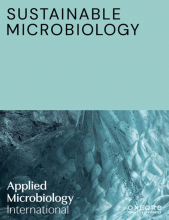
This week sees the launch of the first published content in Sustainable Microbiology, the new open access journal which will apply microbiology to sustainability. The journal is published by Applied Microbiology International.
11 May 2023
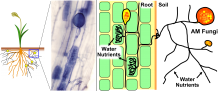
A new group of mitochondrial viruses confined to the arbuscular mycorrhizal fungi Glomeromycotina may represent an ancestral lineage of mitoviruses.
14 Oct 2022
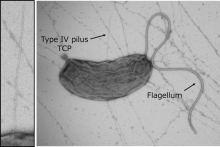
Researchers from Osaka University have found that the Vibrio cholerae colonization factor TcpF forms a flower-shaped trimer to specifically bind to the minor pilus protein TcpB resulting in secretion by the type 4 pilus secretion system into the extracellular space. This finding could help lead to the development of a novel anti-adhesive drug that selectively interrupts the TcpF-TcpB interaction, which may replace antibiotics in the treatment of cholera.

10 Sep 2021
Giants in History: Gloria Lim (1930-11 July 2022) is a retired mycologist from Singapore who studied tropical fungi. One of the first students to attend University of Malaya when it was founded in 1949, she graduated as one of the two Botany Honours students from the inaugural class.
Events
Sorry, nothing coming up for this discipline
Researchers

Dr. Ashfaq Ahmad Shah (اشفاک), born on 6 June 1992 and hailing from Doderkoot (ددیرکوٹ), Kulgam, South Kashmir, Jammu and Kashmir, India, is an Indian microbiologist, biomedical scientist, academic researcher, scientific reviewer, and annotation engineer whose professional interests span infection biology, immunology, medical microbiology, antimicrobial research and One Health, pharmacology, natural-product science, and artificial intelligence. Dr. Shah has developed an interdisciplinary scientific career focused on understanding the complex interactions between microorganisms, bioactive compounds, and host immune responses, with particular interest in infection–immunity relationships and the discovery of novel antimicrobial, anti-inflammatory, and immunomodulatory agents. He has been associated with Graphic Era (Deemed to be University), Dehradun, Uttarakhand, India, where he pursued research activities from 2020 to 2025 and subsequently continued his academic and research journey in the health sciences/medicine domain, including his role as an assistant professor and scientist in the University Center for Research and Development, Chandigarh University, Mohali, India. His scientific interests encompass a broad spectrum of contemporary biomedical research, including host–pathogen interactions, infection immunity, antimicrobial resistance, immunomodulation, natural-product pharmacology, microbial metabolites, plant-derived bioactive compounds, disease-model studies, protein–antigen interactions, and novel therapeutic discovery. A distinctive component of his research involves investigating the biological significance of phytoalexins, phytoanticipins, phenolic compounds, and other secondary metabolites, particularly their antimicrobial, anti-inflammatory, and potential immunomodulatory properties. His work seeks to establish meaningful links between the chemical characterization of naturally occurring compounds and their biological effects, thereby contributing to the broader field of infection biology and therapeutic research. Dr. Shah has experience with advanced analytical and biochemical approaches, including GC–MS, HPLC, FTIR, and related hyphenated analytical techniques, for the identification and characterization of microbial and plant-derived metabolites and other biologically active compounds. His wider scientific interests also include **tyrosinase inhibition, polyphenol oxidase inhibition, bioactive compounds relevant to pharmaceutical and dermatological applications, and experimental approaches for evaluating antimicrobial and pharmacological activity. Over the course of his academic career, Dr. Shah has contributed to scientific literature through research publications, academic books, book chapters, scientific reviews, and editorial activities. He has published more than 40 scientific papers in national and international journals, including publications in Scopus- SCIE, and Web of Science-indexed journals (Q1, Q2), and has contributed to international academic books and scholarly chapters. His work reflects an interdisciplinary approach in which microbiology is integrated with immunology, pharmacology, analytical chemistry, biotechnology, and biomedical science. In recognition of his academic contributions and scientific work in the area of infection and immunity, Dr. Shah received the Young Scientist Award in August 2023. Alongside his research and academic responsibilities, he has served as a scientific reviewer and editorial contributor associated with scholarly journals, books, and academic initiatives, enabling him to participate in the broader international process of scientific communication and peer review. Dr. Shah has also developed an international academic network through professional interactions and research-related collaborations with scientists and scholarly communities from different parts of the world, including the United States of America, Japan, Malaysia, and other international research environments. These interactions have supported scientific exchange, collaborative discussions, and exposure to diverse approaches in microbiology, immunology, biomedical research, and emerging scientific technologies. His international engagement complements his core research activities and reflects his commitment to developing a globally connected scientific career. Beyond conventional research and academic publishing, Dr Shah has made sustained contributions to the dissemination of medical and scientific knowledge through **Wikipedia**, where he has been an active contributor to medical-science content since 2015. With more than 1,000 edits related to medical and scientific topics, he has contributed to the organisation and accessibility of scientific information for a worldwide readership.Dr Shah has also submitted his NGS work, like nucleotide sequences of mutated genes, to the gene banks like the National Library of Medicine (NCBI) USA.gov.

Department of Microbiology / Biomolecular Sciences
Universiti Teknologi MARA
Malaysia
Giants in history

Gloria Lim (1930-2022) was a mycologist from Singapore who studied tropical fungi. One of the first students to attend University of Malaya when it was founded in 1949, she went on to become the first female Dean of the Faculty of Science at the University of Singapore.