

Food
News

10 Apr 2022
Newcastle University in Singapore
A team of materials researchers from India, Thailand, Malaysia, China and UK has successfully produced a fibre reinforced polymer composite material using natural fibres from the coconut stalk.

08 Apr 2022
The Education University of Hong Kong (EdUHK)
A population health survey in Hong Kong revealed that 50% of people aged 15 to 84 were either overweight or obese because of insufficient intake of wholegrains, fruits, and vegetables, and the increasing consumption of sugar-sweetened and alcoholic beverages, convenience foods, take-out food, and other high-density, low-nutrient foods.
31 Mar 2022
Tohoku University
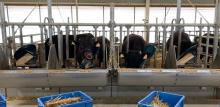
A collaborative research project has investigated the physiological changes in Japanese Black cattle during their unique feeding process, paving the way for evaluating their metabolic status and an even tastier cut of meat.
09 Mar 2022
Hokkaido University
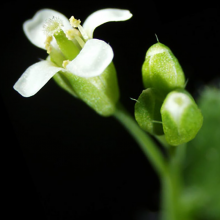
Scientists from Hokkaido University and colleagues have identified a pathway that accelerates plant flowering in low-nitrogen soils — a finding that could help enhance agricultural production.
11 Feb 2022
On the occasion of the One Ocean Summit taking place in the French city of Brest, UNESCO has announced that at least 80% of the seabed will be mapped by 2030, compared to 20% currently, with the support of its Member States and the private sector.
04 Feb 2022
Hiroshima University
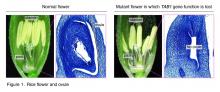
Rice has long been a staple food for more than half the global population. The United Nations even declared 2004 the International Year of Rice to raise awareness and encourage action to protect and advance the crop for a rapidly growing population. The genetic guidance rice uses to grow and reproduce, however, is still not fully understood. Now, a research team based in Japan is learning more, including how critical one gene is for the plant to develop grains of rice, which serve as both seeds and food.
27 Jan 2022
Asia Research News
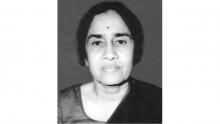
Giants in History: In 1939, biochemist Kamala Sohonie (18 June 1911 – 28 June 1998) became the first woman to be accepted into the Indian Institute of Science (IISc).
24 Jan 2022
Hokkaido University
Researchers from Hokkaido University have proposed a framework to assist in the demarcation between genetically modified organisms and genome-edited organisms, taking into account both scientific and socio-ethical considerations.
20 Jan 2022
Asia Research News
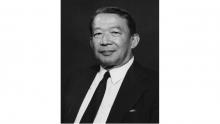
Giants in History: U Hla Myint (1920 – 2017) was a celebrated economist from Myanmar. Considered a prodigy, he was admitted to Rangoon University to study economics when he was just 14 years old.

30 Dec 2021
Asia Research News
Giants in History: Filipina chemist María Orosa (29 November 1892–13 February 1945) fought malnutrition and food insecurity in the Philippines by devising over 700 culinary creations including Soyalac, a nutrient rich drink made from soybeans, and Darak, rice cookies packed with Vitamin B1, which could prevent beriberi disease caused by Vitamin B1 deficiency.

16 Dec 2021
Asia Research News
Susan Lim (14 February 1952 – 2 August 2014) was a Malaysian parasitologist who specialized in studying a class of flatworms, the Monogeans, which are parasites of fishes.
16 Dec 2021
Singapore University of Technology and Design
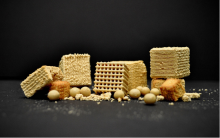
Okara, a soybean byproduct, can now be 3D printed without any additives, boosting food sustainability efforts.

26 Nov 2021
The Education University of Hong Kong (EdUHK)
The Hong Kong SAR Government’s 2018-19 Health Behaviour Survey showed that around 96% of residents aged 15 or over consumed less than five portions of fruit and vegetables per day. Added to this, almost 10% of these people ate processed meat at least once a day, on average. The World Health Organisation states that an unhealthy diet and lack of physical activity are leading global risks to health, and its member states have agreed to halt the rise of diabetes and obesity in adults, teenagers, and of overweight children by 2025.
10 Nov 2021
Hokkaido University
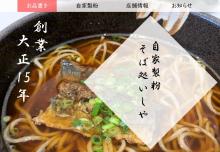
Japanese customers have higher expectations of restaurants selling traditional foods more when they display an older year of establishment.
26 Oct 2021
Osaka City University
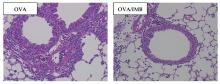
Researchers have revealed in an animal model that ImmuBalance, a fermented soybean product, is effective in suppressing airway inflammation caused by asthma. Results showed a decreased presence of eosinophils in bronchoalveolar lavage fluid, a decrease in mucus production in the bronchial epithelium, and a suppression of proteins that induce eosinophilic inflammation.
30 Sep 2021
Geb Impact aims to scale up microalgae production to provide novel super food ingredient by cost-effective mass cultivation of microalgae

29 Sep 2021
Asia Research News Partnerships
The 10th edition of TechInnovation presents an array of opportunities to catalyse technology transfer and partnerships for business growth.

29 Sep 2021
Osaka City University
Researchers conducted an online survey on nutrition, dietary behavior, and body image with 32 national and international level para-athletes with physical disabilities such as spinal cord injury or limb defect/amputation. Results showed that about 40% need assistance in procuring and cooking food and that it is difficult to achieve their ideal diet on their own. Also, although para-athletes with a good body image rated their eating habits as healthy, they had a low percentage of correct answers to questions about nutrition.
23 Sep 2021
Ehime University
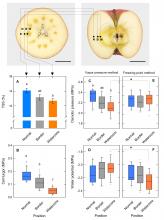
Single cell analyses reveal hidden turgor-associated metabolic changes and water flow across the flesh in watercored apples

23 Sep 2021
Asia Research News Partnerships
IPI’s flagship technology brokerage event will spotlight the latest global sustainability solutions from 28 to 30 September 2021.
11 Sep 2021
Asia Research News
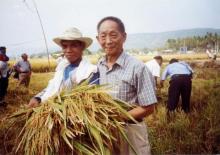
Giants in History: Chinese agronomist Yuan Longping (7 September 1930 – 22 May 2021) developed the first varieties of the high-yield, hybrid rice that brought food security to multiple countries including China, which had been ravaged by food shortages as recently as the mid-20th century.

27 Aug 2021
Asia Research News Partnerships
Speakers announced for the 10th edition of IPI’s premier technology matching event

12 Aug 2021
Institute of Policy Studies of Sri Lanka
The nutritional status of children under five in Sri Lanka has not shown a significant improvement for the last 20 years. It has also been lagging behind most of the other health and social indicators on children. IPS research shows that household income, inadequate nutrient intake, breastfeeding practices, mothers’ education, etc., play a major role in child undernutrition in Sri Lanka. Moreover, given significant losses in household income experienced at the hands of the COVID-19 pandemic, nutrient intake may have declined further over the past year. As such, it would be a challenging task for health planners to develop effective strategies to minimise undernutrition among children under five years. This article highlights some of the facts contributing to child undernutrition in Sri Lanka and suggests ways to address this critical issue.

25 May 2021
Institute of Industrial Science, The University of Tokyo (UTokyo-IIS)
Researchers at The University of Tokyo Institute of Industrial Science repurpose food waste to build materials with a bending strength comparable to concrete and that still taste good

20 Apr 2021
International Islamic University Malaysia (IIUM)
This article discusses about a conceptual framework for halal food quality management based on the element of Islamic philosophy: epistemology, tasawwur (worldview), ontology, and axiology.
03 Mar 2021
Osaka City University
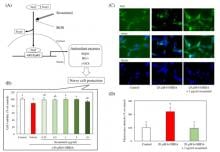
Osaka City University finds that the chemical sesaminol, naturally occurring in sesame seeds, protects against Parkinson’s disease by preventing neuronal damage that decreases the production of dopamine. In vitro experiments show sesaminol handle oxidative stress in cells by regulating the production of reactive oxygen species and the movement of antioxidants. In vivo experiments reveal that a diet of sesaminol increases production of dopamine and significantly improve motor functions in mice.
03 Mar 2021
Institute of Industrial Science, The University of Tokyo (UTokyo-IIS)
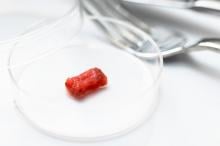
Researchers at The University of Tokyo develop a method of culturing meat in the laboratory in the form of millimeter-scale contractile beef muscle that closely simulates steak meat

26 Feb 2021
Hiroshima University
Vitamin B6 may help calm cytokine storms and unclog blood clots linked to COVID-19's lethality. But research on it is lacking. A Hiroshima University researcher calls on fellow scientists to study its potential role.

24 Feb 2021
Springer Nature
Springer Nature and the University of Tokyo to hold SDGs Symposium 2021, “Interdisciplinary science solutions for food, water, climate and ecosystems Sustainable Development Goals”

11 Feb 2021
Asia Research News
ARN's February newsletter features research about catalyzing plastic recycling, the mental health toll of the COVID-19 pandemic, antiperovskites and oolong tea. In honor of International Day of Women and Girls in Science, we also have tips for addressing gender bias in STEM communications, and inspirational stories about pioneering female scientists from our Giants in History series. Read on...
Events
Sorry, no events coming up for this topic.
Researchers
Sorry, no researchers coming up for this topic.
Giants in history

Chinese biochemist Chi Che Wang (1894 - 1979), one of the first Chinese women to study abroad, advanced to prominent research positions at American institutions including the University of Chicago and the Northwestern University Medical School.
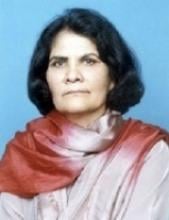
Pakistani botanist Azra Quraishi (22 September 1945 – 22 November 2002) is recognised for developing virus-free seed potatoes that increased potato production in Pakistan by an estimated five per cent.

Flora Zaibun Majid ( 1939–2018) was an accomplished Bangladeshi researcher in botany and nutrition science and the first female chairperson of the Bangladesh Council of Scientific and Industrial Research.
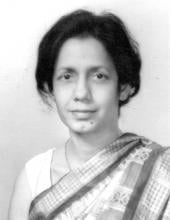
Indian botanist Shipra Guha-Mukherjee (13 July 1938 – 15 September 2007) made a breakthrough discovery that enabled the genetic study of plants and, by extension, the development of improved varieties of rice, wheat, potatoes, and other crops.

Hwang Hye-seong (5 July 1920 – 14 December 2006) was an expert on Korean royal court cuisine, the knowledge of which she dedicated her career to keeping alive. Formerly an assistant professor of nutritional science, Hwang met the last kitchen court lady in the Joseon Dynasty Han Hui-sun and, from her, learned about the culinary traditions of the royal court.
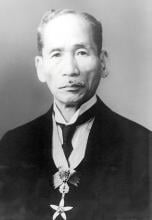
Umetaro Suzuki (7 April 1874 – 20 September 1943) was a Japanese scientist best remembered for his research on beriberi, a disease caused by vitamin B1 deficiency, characterized by limb stiffness, paralysis and pain.
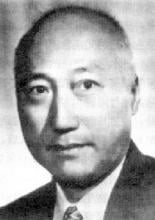
Hsien Wu (24 November 1893 – 8 August 1959) is widely regarded as the founder of biochemistry and nutrition science in China. He was the first to propose that protein denaturation was caused by the unfolding of the protein, instead of chemical alteration.
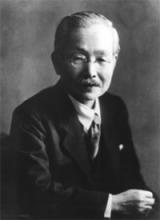
Kikunae Ikeda (8 October 1864 – 3 May 1936) was a Japanese chemist who discovered the fifth basic taste, umami.
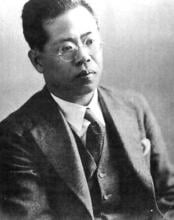
Woo Jang-choon (8 April 1898 – 10 August 1959) was a Korean-Japanese agricultural scientist and botanist.
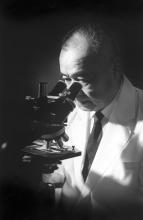
Minoru Shirota (April 23, 1899 – March 10, 1982) was a Japanese microbiologist who invented the popular fermented drink Yakult.
Chinese agronomist Yuan Longping (7 September 1930 – 22 May 2021) developed the first varieties of the high-yield, hybrid rice that brought food security to multiple countries including China, which had been ravaged by food shortages as recently as the mid-20th century.
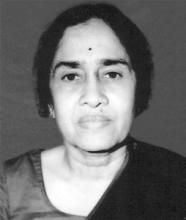
In 1939, biochemist Kamala Sohonie (18 June 1911 – 28 June 1998) became the first woman to be accepted into the Indian Institute of Science (IISc).

Filipino chemist and pharmacist Manuel A. Zamora (29 March 1870 – 9 July 1929) is best remembered for his discovery of the tiki-tiki formula to combat beriberi, a disease caused by Vitamin B1 deficiency.

Filipina chemist María Orosa (29 November 1892–13 February 1945) fought malnutrition and food insecurity in the Philippines by devising over 700 culinary creations including Soyalac, a nutrient rich drink made from soybeans, and Darak, rice cookies packed with Vitamin B1, which could prevent beriberi disease caused by Vitamin B1 deficiency. She was also a partisan of the guerrilla movement resisting Japanese occupation during World War II, and died after being struck by shrapnel while working in her laboratory during the Battle of Manila.
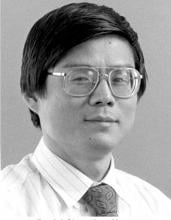
South Korean theoretical physicist Daniel Chonghan Hong (3 March 1956 – 6 July 2002) achieved fame in the public sphere through his research into the physics of popcorn.

Ground-breaking cancer researcher Kamal Jayasing Ranadive (8 November 1917 – 11 April 2001) advanced the understanding of the causes of leukaemia, breast cancer and oesophageal cancer through the use of animal models. She was also among the first to recognise how susceptibility to cancer is linked to tumour-causing interactions between hormones and viruses.
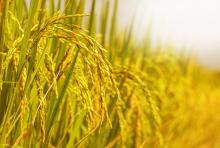
In his over 30 year career in rice research, Munshi Siddique Ahmad (1924 – 19 October 2011) developed more than 30 varieties of high-yielding rice, including the BRRI Shail strain, which was responsible for increasing the rice production of Bangladesh from 8 million tonnes in 1965 to 20 million tonnes in 1975.