

Health
News
03 Jul 2020
Institute for Integrated Cell-Material Sciences (iCeMS) at Kyoto University
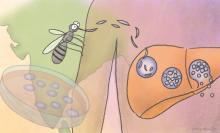
A method that involves infecting liver cells with mosquito-bred parasites could improve the study of malaria in India.
30 Jun 2020
Digital edition of CAREhab – Singapore Rehabilitation Conference 2020 postpones to 17 – 18 July 2020 in light of Singapore General Elections
26 Jun 2020
International Islamic University Malaysia (IIUM)
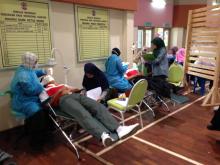
An International Islamic University Malaysia study highlights the need for strong oral hygiene awareness among school staff caring for disabled children.
19 Jun 2020
The Chinese University of Hong Kong (CUHK)
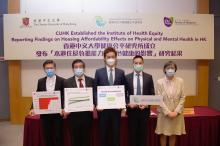
The newly established Institute of Health Equity of The Chinese University of Hong Kong (CUHK) has collaborated with the Jockey Club School of Public Health and Primary Care of the Faculty of Medicine at CUHK in a study which investigates the effects of housing affordability on physical and mental health in Hong Kong. The findings show that unaffordable housing worsens the physical and mental health of Hong Kong people, and the relative deprivation of necessities has a mediating role between housing affordability and health. It is the first “health equity” study of its kind in Asia and the results were published in the Journal of Epidemiology and Community Health.

19 Jun 2020
The Chinese University of Hong Kong (CUHK)
The Faculty of Medicine at The Chinese University of Hong Kong (CU Medicine) has recently conducted a global survey to examine the impact of the COVID-19 pandemic on urological care. This is the world’s first survey of its kind and includes a large sample of urology professionals from 6 continents. Results from over 1,000 participants showed that on average 28% of urology outpatient clinics, 30% of outpatient investigations and procedures, and 31% of urological surgeries had a delay of more than 8 weeks. The degree of cut-down of urological services increased with the degree of COVID-19 outbreak.
19 Jun 2020
The Chinese University of Hong Kong (CUHK)
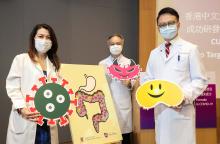
Have you ever thought about why some people are more vulnerable to catching a virus? And why some get more severe infection than others? Gut microbiota, which is a fine balance between good and bad bacteria, regulates our immune system. Imbalance in gut microbiota (dysbiosis) will make us susceptible to infections.
18 Jun 2020
Asia Research News Partnerships
* CAREhab 2020 in conjunction with 6th Singapore Rehabilitation Conference to
take place virtually via tech-enabled CAREhab GO platform live on 10-11 July
* Delegates to have full access to digital library of video content and exhibition
showcase in their own time from 10 July 2020 to February 2021, meeting
convenient learning needs
17 Jun 2020
Horizon Journals
The journal provides a fast and convenient route to the most recently published articles in your subject areas. It's important to stay alert!
12 Jun 2020
International Institute for Integrative Sleep Medicine (WPI-IIIS), University of Tsukuba
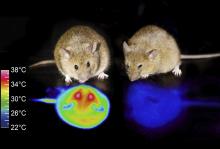
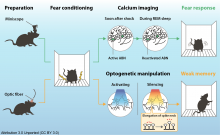
Researchers at the University of Tsukuba and RIKEN in Japan spark a hibernation-like state in mice—a species that does not naturally hibernate
04 Jun 2020
International Institute for Integrative Sleep Medicine (WPI-IIIS), University of Tsukuba
Researchers from University of Tsukuba and the University of Tokyo identify neurons responsible for memory consolidation during REM sleep
03 Jun 2020
Institute for Integrated Cell-Material Sciences (iCeMS) at Kyoto University
A highly accurate machine learning tool could help doctors tailor individualized treatments for people with glioma brain tumours.
29 May 2020
Ehime University
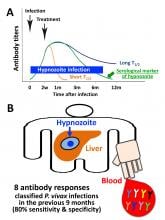
An international collaborative team from PROS Ehime University and CellFee Science, Japan; the Walter and Eliza Hall Institute, Australia; Pasteur Institute, France; and Foundation for Innovative New Diagnostics, Switzerland developed a new diagnostic blood test which detects recent exposure to ‘vivax’ malaria. The new test can also identify people who may harbor dormant liver-stage malaria parasites, which can cause illness. This new diagnostic approach has the potential to enhance malaria surveillance and accelerate elimination.
28 May 2020
The Agency for Science, Technology and Research (A*STAR)
A team of scientists and researchers from A*STAR’s Singapore Immunology Network and Jinan University, Guangzhou, have deciphered human embryonic immune cell development and discovered how the earliest macrophages in humans, a type of white blood cell of the immune system, stems from a distinct embryonic source and not the bone marrow.
27 May 2020
The Chinese University of Hong Kong (CUHK)
A team of young researchers led by Professor JIANG Yangzi, Research Assistant Professor at the Institute for Tissue Engineering and Regenerative Medicine (iTERM) and the School of Biomedical Sciences (SBS) at The Chinese University of Hong Kong (CUHK), has recently been granted funding from the National Key Research and Development (R&D) Programme. It is the first team in Hong Kong to receive national-level, cross-border research funding under the “Young Scientist Scheme” of the Programme. The team has been awarded a research grant of RMB 5.45 million (approximately HKD 6 million) for basic and preclinical research on the pathogenesis of osteoarthritis.
26 May 2020
The Chinese University of Hong Kong (CUHK)
Scratching the head or rubbing the hands repeatedly is common, unconscious behaviour when people are facing stress. Neuroscientists from the School of Biomedical Sciences and the Gerald Choa Neuroscience Centre of the Faculty of Medicine at The Chinese University of Hong Kong (CU Medicine) have discovered a mammalian brain circuitry underlying our ability to generate adaptive responses when facing stress with strong negative emotions. The result of the study was recently published in the renowned international scientific journal Nature Communications.
25 May 2020
Hokkaido University
Wastewater could be used as a surveillance tool to monitor the invasion, spread and eradication of COVID-19 in communities.
21 May 2020
Hokkaido University
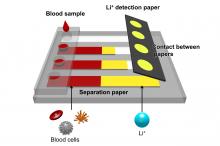
A group of Hokkaido University researchers has developed a paper-based device that can easily and cheaply measure lithium ion concentration in blood, which could greatly help bipolar disorder patients.
19 May 2020
The Chinese University of Hong Kong (CUHK)
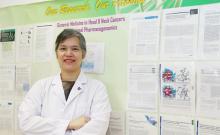
A recent study conducted by the Faculty of Medicine at The Chinese University of Hong Kong (CU Medicine) discovered a novel genetic biomarker which can predict the survival of head and neck cancer patients. There are over 0.7 million new head and neck squamous cell carcinoma (HNSCC) cases globally each year. However, currently there is no clinical implementation of any genetic biomarker to predict outcomes for these patients after standard treatment. A study led by Professor Vivian Wai Yan LUI, an expert in genomic medicine and Associate Professor of the School of Biomedical Sciences at CU Medicine, and her research team, has identified that mitogen activated protein kinase (MAPK) pathway mutations found in almost 20% of HNSCC patients can predict favourable clinical outcomes with standard therapy. Their survival also doubled when compared with other patients. The finding has just been published in the journal Life Science Alliance.
18 May 2020
The Chinese University of Hong Kong (CUHK)
Professor Tony MOK from the Faculty of Medicine of The Chinese University of Hong Kong (CU Medicine) and Professor LU You from West China School of Medicine at The Sichuan University co-led the world’s first-in-human Phase I clinical trial investigating the safety and feasibility of CRISPR gene-edit therapy as a treatment option for patients with late stage lung cancer. Research team recruited 22 advanced Non-small-cell lung carcinoma (NSCLC) patients and isolate the T cell (a form of white blood cell) from peripheral blood. After gene-editing by CRISPR, the T cells that were reinfused back to patient may have the ability to attack cancer cell. Objective of the study is to demonstrate safety and feasibility. Results demonstrated CRISPR technology is safe and feasible as patients showed no severe adverse events and the frequency of off-target events was only 0.05%. This opens a new chapter in the history of lung cancer immunotherapy. The findings were recently published on-line in the international medical journal Nature Medicine.
15 May 2020
Duke-NUS Medical School
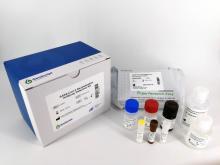
As a first-in-the-world "rapid smart test kit", the cPass™ which can measure neutralising antibodies in an hour will be a huge boost to current COVID-19 investigations, from contact tracing, sero-prevalence survey, and assessment of herd immunity, longevity of protective immunity and efficacy of different vaccine candidates.
13 May 2020
City University of Hong Kong (CityUHK)
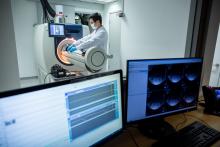
Diagnosis of Alzheimer's disease, the most common type of dementia, is not easy for its overlapping signs with normal ageing. A collaborative research by City University of Hong Kong (CityU) and Johns Hopkins University has developed a new non-invasive molecular imaging approach based on Magnetic Resonance Imaging (MRI) to dynamically measure glucose level changes in the brain lymphatic system. Their discovery may help in identifying Alzheimer's disease at early stages so that treatments can start as soon as possible.

13 May 2020
Hokkaido University
Insights into a flipping crystal could further research into the development of autonomous robots.
11 May 2020
Hong Kong Baptist University (HKBU)
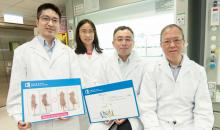
A research team led by Hong Kong Baptist University (HKBU) has developed a novel anti-Epstein-Barr virus (EBV) drug that can selectively disrupt a viral protein produced by EBV, leading to the shrinkage of tumours caused by the virus. It is the first known agent to successfully target the virus and disturb its latency in tumour cells in this way.
08 May 2020
Tohoku University
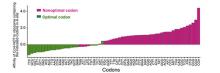
When the master regulator of protein production malfunctions, it may contribute to the development of neuronal diseases such as Alzheimer's and Huntington's.
30 Apr 2020
The British High Commission in Singapore
The UK today confirmed that it will be the largest supporter of the international alliance to vaccinate children against deadly diseases, saving millions of lives.
28 Apr 2020
Hong Kong Baptist University (HKBU)
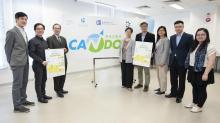
A research team led by Hong Kong Baptist University (HKBU) has launched an online cognitive behavioural therapy (CBT) programme. Introduced in April 2020 for Hong Kong people with mild to moderate depressive symptoms, the programme provides them with easy access to counselling services and reduces the stigma associated with depression.
The team will recruit 400 participants aged between 18 and 70 with depressive symptoms and provide training next year to around 200 local mental health professionals on how to operate this online CBT programme, with the aim of serving more people in the long run.
16 Apr 2020
Duke-NUS Medical School
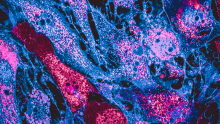
A small mitochondrial protein is necessary for energy production and its malfunction could be behind a range of degenerative diseases, according to study by Duke-NUS Medical School and their collaborators.
13 Apr 2020
The Chinese University of Hong Kong (CUHK)
The best timing for endoscopy of patients with acute upper gastrointestinal bleeding is still controversial among the medical community. A recent study conducted by the Faculty of Medicine at The Chinese University of Hong Kong (CU Medicine) found that for patients with overt signs of acute upper gastrointestinal bleeding, urgent endoscopy performed within 6 hours after gastroenterological consultation was not associated with lower mortality and risk of further bleeding, compared with endoscopy performed between 6 and 24 hours after consultation. In other words, earlier endoscopy did not lower mortality nor improve outcomes. The study results have just been published in the top medical journal, The New England Journal of Medicine (NEJM).

31 Mar 2020
eLife
New findings show that the formation of amyloid plaques drives damage and tissue loss in the brain during Alzheimer’s disease in animals, but lithium reduces the life-shortening effects of this loss.
30 Mar 2020
The Chinese University of Hong Kong (CUHK)
To support the fight against the COVID-19 pandemic, from March 29, the Faculty of Medicine at The Chinese University of Hong Kong (CU Medicine) has offered to conduct, for free, stool tests for asymptomatic children coming to Hong Kong by air to screen for possible COVID-19. The test currently employed by the Department of Health relies on collection of respiratory samples. The false negative rate of deep throat saliva test increases to over 40% with improper collection technique. Collection is particularly difficult in young children and infants. The potentially high false negative rate of the current test for children is therefore of great public health concern. The stool test that CU Medicine has developed is non-invasive, accurate and is potentially a better option for screening test for asymptomatic populations such as young children and infants. By conducting stool tests for children, CU Medicine aims to help identify asymptomatic children carrying the COVID-19 virus as early as possible in order to stop its spread through our community.
Events
Sorry, no events coming up for this topic.
- « first
- ‹ previous
- 1
- 2
- 3
Giants in history

Henriette Bui Quang Chieu (1906 – 2012) was inspired to follow in her brother’s footsteps and become a doctor after losing her mother to tuberculosis. She studied in France and became the first Vietnamese woman to receive a medical degree. Upon her return to Vietnam, Bui was appointed head of the Department of Midwifery at Cho Lon Hospital in Ho Chi Minh City. A pioneer in gynaecology, she applied acupuncture techniques that she had learned in Japan to obstetrics. As Vietnam was still a French colony, Bui also lobbied for the rights of Vietnamese doctors, nurses, and patients.

Japanese biochemist Akira Endo (1933 – 2024) discovered the first statin, called mevastatin, which lowered cholesterol levels in the blood by inhibiting a key enzyme in the cholesterol biosynthesis pathway. His work laid the foundation for the development of statins to help patients lower their blood cholesterol levels and reduce their risk of heart disease or stroke.

Filipina paediatrician and scientist Perla Santos-Ocampo (25 July 1931 – 29 June 2012) made important contributions to treatments and policies that curbed debilitating and sometimes deadly diarrhoea-related diseases and malnutrition in children.

Singaporean physician Oon Chiew Seng (1916 – 31 March 2022) advanced dementia care and research in Singapore, and co-founded the Apex Harmony Lodge, the nation’s first nursing home for residents with dementia.
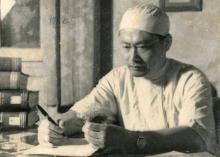
Vietnamese surgeon Tôn Thất Tùng (10 May 1912 – 7 May 1982) developed a pioneering technique that reduced the risks and mortality rate of liver operations.
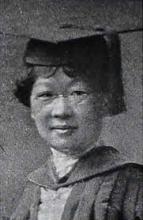
Chinese biochemist Chi Che Wang (1894 - 1979), one of the first Chinese women to study abroad, advanced to prominent research positions at American institutions including the University of Chicago and the Northwestern University Medical School.
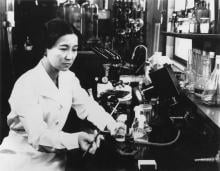
Ruby Sakae Hirose (1904 – 1960) was a Japanese-American scientist whose research contributed significantly to our understanding of blood clotting, allergies and cancer.
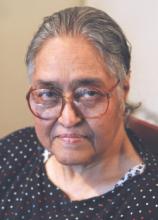
Flora Zaibun Majid ( 1939–2018) was an accomplished Bangladeshi researcher in botany and nutrition science and the first female chairperson of the Bangladesh Council of Scientific and Industrial Research.

Iranian physician and bacteriologist Azar Andami (8 December 1926 – 19 August 1984) developed a cholera vaccine to combat an outbreak that swept through the Middle East, India, Southeast Asia, and Africa in 1937.
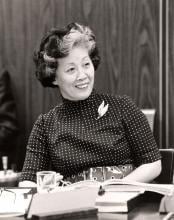
Irene Ayako Uchida’s (8 April 1917 – 30 July 2013) strides to understand genetic diseases such as Down syndrome paved the way for early screening of chromosomal abnormalities in foetuses.
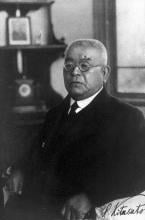
Baron Kitasato Shibasaburo (29 January 1856 – 13 June 1931) was a Japanese physician and bacteriologist whose work led to a new understanding of preventing and treating tetanus, diphtheria and anthrax.

Maggie Lim (5 January 1913 – November 1995) was a Singaporean physician who promoted family planning and expanded the access to clinics to improve the quality of life for mothers and children in Singapore’s early days.
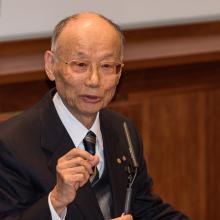
By isolating soil microorganisms and studying the compounds they produce, Satoshi Omura (born 1935) discovered almost 500 organic compounds with unique properties that were produced by these microorganisms, including many new antibiotics.

The founder of the Adyar Cancer Institute in India, Muthulakshmi Reddy (30 July 1886 – 22 July 1968), fought to uplift women and girls from impoverished situations.
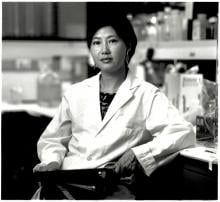
Chinese-American virologist and molecular biologist Flossie Wong-Staal (27 August 1946 – 8 July 2020) was the first scientist to clone HIV and determine the function of its genes.

Maharani Chakravorty (1937 – 2015) was one of India’s earliest molecular biologists whose research paved the way for advances in the treatment of bacterial and viral infections.

Archana Sharma (16 February 1932 - 14 January 2008) conducted research into plant and human genetics that expanded the understanding of both botany and human health. In relation to botany, she uncovered the means by which asexually-reproducing plants evolve into new species.
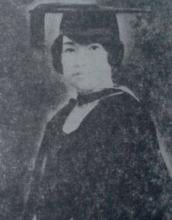
The first Thai woman to receive a degree in medicine, Margaret Lin Xavier (29 May 1898 – 6 December 1932), is best remembered for her compassion towards her less privileged patients.
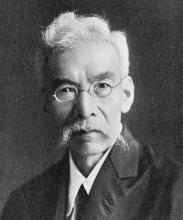
In 1915, pathologist Katsusaburo Yamagiwa and his research assistant Koichi Ichikawa became the first to prove that chronic exposure to chemicals can cause cancer.
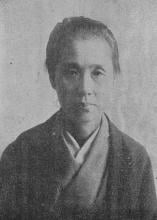
Ogino Ginko (3 March 1851 – 23 June 1913) was the first registered female doctor to practise modern medicine in Japan.
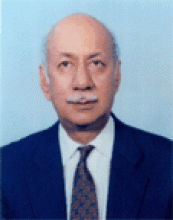
Syed Qasim Mehdi (13 February 1941 – 28 September 2016) was a Pakistani molecular biologist who was a founding member of the Human Genome Diversity Project (HGDP), which assessed human diversity by studying human migration, mutation rates, relationships between different populations, genes involved in height and selective pressure.
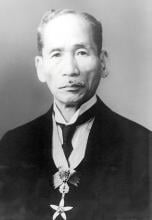
Umetaro Suzuki (7 April 1874 – 20 September 1943) was a Japanese scientist best remembered for his research on beriberi, a disease caused by vitamin B1 deficiency, characterized by limb stiffness, paralysis and pain.
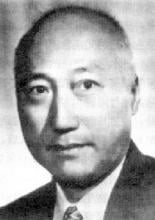
Hsien Wu (24 November 1893 – 8 August 1959) is widely regarded as the founder of biochemistry and nutrition science in China. He was the first to propose that protein denaturation was caused by the unfolding of the protein, instead of chemical alteration.

Indian organic chemist Asima Chatterjee (1917 to 2006) studied the medicinal properties of plant products, especially compounds known as vinca alkaloids.
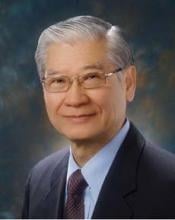
David T. Wong (born 1936) is a Hong Kong-born American neuroscientist who is best known for discovering the antidepressant drug fluoxetine, better known as Prozac.
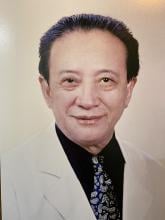
After witnessing death and suffering as a youth in his home village during World War II, Nguyễn Tài Thu (6 April 1931 – 14 February 2021) set his sights on alleviating pain by becoming a doctor. After studying Traditional Chinese Medicine in China in the 1950s, Thu returned to Vietnam to serve in military hospitals. Eventually, he became the country’s foremost practitioner of acupuncture, a technique he first learned by inserting needles into himself.

Filipino chemist and pharmacist Manuel A. Zamora (29 March 1870 – 9 July 1929) is best remembered for his discovery of the tiki-tiki formula to combat beriberi, a disease caused by Vitamin B1 deficiency.
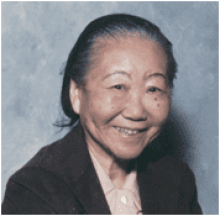
Tsai-Fan Yu (1911 – 2 March 2007) was a Chinese-American physician and researcher who was the first female full professor at Mount Sinai School of Medicine. She discovered that gout, a condition characterized by the painful inflammation of joints, was caused by elevated levels of uric acid in the bloodstream.
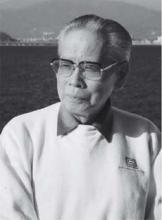
A Japanese surgeon, Tetsuzo Akutsu (20 August 1922 – 9 August 2007) built the first artificial heart capable of keeping an animal alive.
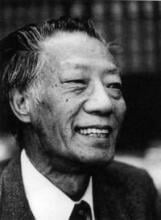
Min Chueh Chang (10 October 1908 – 5 June 1991) was a Chinese-American biologist who studied fertilization in mammalian reproduction.