

Health
News

29 Sep 2020
International Islamic University Malaysia (IIUM)
A high incidence of tooth-related ‘periodontal’ diseases among a sample of Malaysian children with diabetes suggests these conditions should be given more attention, as is the case with other co-morbidities.
Periodontal disease is the sixth most common co-morbidity in people with diabetes. Researchers at the International Islamic University Malaysia (IIUM) examined 64 children, finding a high prevalence (96.8%) of periodontal disease in those with diabetes compared to those without. More than 6% of the children with diabetes who had periodontal disease were found to have untreated or a severe form of periodontal disease.
29 Sep 2020
The Chinese University of Hong Kong (CUHK)
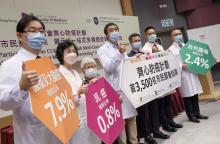
Supported by the donation of over HK$35 million from The Hong Kong Jockey Club Charities Trust, The Chinese University of Hong Kong (CUHK) announced the results of the early phase of the CUHK Jockey Club Multi-Cancer Prevention Programme (the Programme) today. Since the commencement of the Programme in 2018, it has already provided screening services to over 3,000 eligible citizens. More than 70% of the participants were diagnosed either with adenoma or advanced adenoma through colonoscopy, while ten persons were diagnosed with colorectal cancer.
For those who underwent colorectal cancer screening, almost all of them were willing to be screened for another type of cancer. Subsequently, 15 participants were diagnosed with breast cancer and another 37 participants were diagnosed with prostate cancer. The research team believes that the screening results demonstrated the effectiveness of the “one-stop multi-cancer screening” model and advocates the implementation of this model to the cancer screening programme in the future.
28 Sep 2020
International Institute for Integrative Sleep Medicine (WPI-IIIS), University of Tsukuba
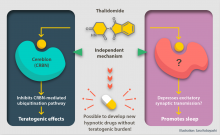
Researchers from the University of Tsukuba demonstrate that the hypnotic and teratogenic effects of thalidomide are separable.
Thalidomide is a medication with several different effects, one of which is promoting sleep in the context of insomnia. In a new study, researchers from the University of Tsukuba have discovered that thalidomide exerts its hypnotic effects through mechanisms distinct from those for the drug’s notorious teratogenicity.
These are striking results showing how thalidomide induces sleep independently of its known effects on the teratogenic cereblon pathway. These findings could be helpful in developing novel thalidomide-like hypnotic drugs without thalidomide’s teratogenic effects.
The study was published in the scientific journal Proceedings of the National Academy of Sciences of the United States of America.
28 Sep 2020
Hokkaido University
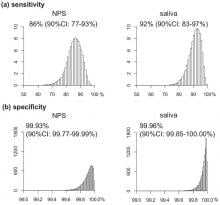
Testing self-collected saliva samples could offer an easy and effective mass testing approach for detecting asymptomatic COVID-19.
22 Sep 2020
Lingnan University
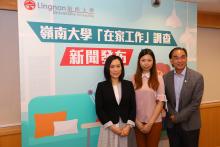
In response to the COVID-19 outbreak, many organisations have adopted work from home (WFH) practice for months. A recent survey conducted by Lingnan University (LU) in Hong Kong reveals that over 80 per cent of respondents prefer WFH for at least one day per week even after the pandemic. More than 70 per cent of respondents said WFH allowed them to have more time to rest while 64 per cent said the practice helped reduce work stress.
Conducted by the School of Graduate Studies of LU from 8 to 26 April 2020, the online survey collected valid responses from 1,976 Hong Kong citizens. The objective of the survey was to understand people’s views and experiences regarding WFH.
18 Sep 2020
Hiroshima University
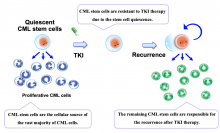
Drugs tackling chronic myelogenous leukemia have completely transformed prognoses of patients over the last couple of decades, with most cases going into remission. But drug resistance can occur, leading to relapses. Targeting the lipids involved in regulating part of a leukemia stem cell’s life span offers a potential second route to defeat the disease—and solid tumorous cancers as well.
16 Sep 2020
Duke-NUS Medical School
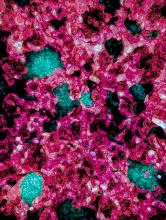
Applying cutting-edge experimental and computational tools to basic science, researchers in Australia and Singapore have discovered a technique that could enable future cell therapies for placenta complications during pregnancy.
15 Sep 2020
Hokkaido University
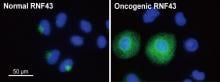
A team of scientists has unraveled the molecular mechanism behind one of the causes of colorectal cancer, and a treatment target.
15 Sep 2020
The Chinese University of Hong Kong (CUHK)
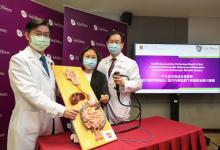
Compared to Minimally Invasive Surgery, Endoscopic Submucosal Dissection (ESD) represents an advanced less-invasive endoscopic treatment for early gastrointestinal cancer. ESD has significant advantages as an organ preservation surgical treatment, but it is technically challenging with substantial risk of perforation and bleeding. The Faculty of Medicine at The Chinese University of Hong Kong (CU Medicine) has been collaborating with researchers from Singapore since 2010 to develop a flexible endoscopic robotic system. This novel system was specifically designed to enhance the safety and efficacy of ESD for the treatment of gastrointestinal cancer. Using the first prototype flexible endoscopic robot, our team at CU Medicine had successfully performed ESD for treatment of early gastric cancer in 2011. The flexible endoscopic robot is now further redesigned and developed for performing ESD in the colorectum– namely The EndoMaster EASE (Endoluminal Access Surgical Efficacy) System. CU Medicine led the world’s first clinical trial on robotic colorectal ESD using the EndoMaster EASE System which commenced in May this year and has demonstrated satisfactory outcomes thus far. Researchers believe this innovative technology will enhance advanced endoscopic resection and benefit more patients with early colorectal cancer who will require ESD treatment.
14 Sep 2020
Ehime University
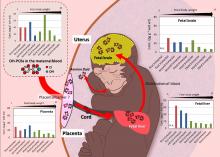
This study selected the Japanese macaque (Macaca fuscata) as a model animal for the fetal transfer of OH-PCBs in humans, and revealed OH-PCB concentrations and their relationships in the maternal and fetal brains. The key finding from this study is that OH-PCBs can reach the developing brain of the fetus as early as the first trimester of pregnancy. These OH-PCBs may exceed the levels that induce adverse effects on neurodevelopment.

11 Sep 2020
City University of Hong Kong (CityUHK)
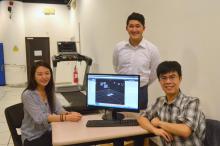
Face masks have become an important tool in fighting against the COVID-19 pandemic. However, improper use or disposal of masks may lead to "secondary transmission". A research team from City University of Hong Kong (CityU) has successfully produced graphene masks with an anti-bacterial efficiency of 80%, which can be enhanced to almost 100% with exposure to sunlight for around 10 minutes. Initial tests also showed very promising results in the deactivation of two species of coronaviruses. The graphene masks are easily produced at low cost, and can help to resolve the problems of sourcing raw materials and disposing of non-biodegradable masks.
09 Sep 2020
The Chinese University of Hong Kong (CUHK)
Running is a fundamental mode of human movement that most of us perform effortlessly without conscious thought. Some may run regularly for exercise, or even undergo serious, professional training for completing marathons. This apparent ease of running belies the enormous biomechanical complexity of running, the coordinated control of which is accomplished by an intricate neuronal network in the brain and spinal cord.
08 Sep 2020
Hokkaido University
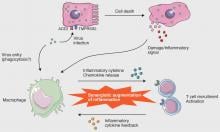
Scientists review macrophage activation syndrome — a feature of the cytokine storm that kills patients with severe cases of COVID-19, as well as possible treatments.
04 Sep 2020
Hiroshima University
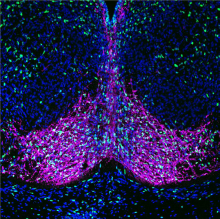
Pregnant mice fed diets high in omega-6 fats and low in omega-3 fats are shown in a new study to produce offspring whose brains had a higher level of dopamine-producing neurons—the neurological reward system. These mice went on to chase hyper-caloric diets, suggesting that the fats in a pregnant mother's diet may control the eating habits of her children, and potentially offering a new obesity-prevention strategy.
03 Sep 2020
Asia Research News Partnerships
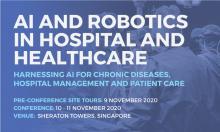
Conference will see leading regional thought leaders, policymakers, C-suite officers, senior and middle level hospital and healthcare, e-health, clinical operations, medical and nursing professionals convene to explore new ways to innovate and collaborate.

03 Sep 2020
Duke-NUS Medical School
Study by researchers at Duke-NUS Medical School, Duke University and SingHealth finds that dispatch-assisted CPR, training in CPR and use of an Automated External Defibrillator, and a volunteer first responder mobile app, increased the likelihood of laypeople performing CPR during out-of-hospital cardiac arrest, which was associated with increased survival rates.
01 Sep 2020
Tohoku University
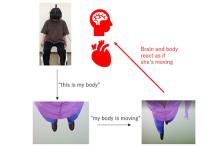
Researchers at the Smart-Aging Research Center (IDAC) at Tohoku University have developed an innovative training protocol that, utilizing immersive virtual reality (IVR), leads to real physical and cognitive benefits.
28 Aug 2020
Hokkaido University
Scientists have reviewed reported cases and testing data of COVID-19 and have determined that changes in the testing rate may be masking the true growth rate and extent of the pandemic.
28 Aug 2020
Tohoku University
Understanding the skin damage caused by rubbing could lead to better topical skin treatments and help prevent the formation of new routes for viral and bacterial infection.
27 Aug 2020
The Chinese University of Hong Kong (CUHK)
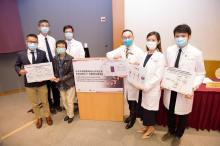
The older population and those with dementia around the world are facing an unprecedented threat from COVID-19 which threatens them with a higher risk of death when infected. As of 23 August 2020, in Hong Kong, the mortality rate for people aged 60 or above was around 6.27%, which was almost 105 times of those below 60 (0.06%). All deaths from the third wave of COVID-19 in Hong Kong are 60 years old or above. Data from the United Kingdom showed that having dementia was associated with a two-fold increase in the risk of death from COVID-19. In light of this, a dementia team of the Faculty of Medicine at The Chinese University of Hong Kong (CU Medicine), initiated an international effort to devise strategies that can reduce the adverse impact which can come from public health interventions and protect them from getting COVID-19.
26 Aug 2020
Duke-NUS Medical School
Duke-NUS, the only graduate-entry medical school in Singapore, has joined the TriNetX global research network to increase clinical trial adoption and to facilitate better collaboration with other global healthcare organizations (HCOs). This latest member for TriNetX in Asia will provide the network with access to de-identified data from more than a million patients.
26 Aug 2020
Hokkaido University
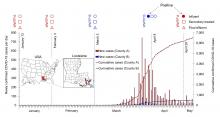
A group of scientists have detected genetic material from SARS-CoV-2 in untreated wastewater samples collected in April 2020 from two wastewater treatment plants in Louisiana, USA.
24 Aug 2020
The Chinese University of Hong Kong (CUHK)
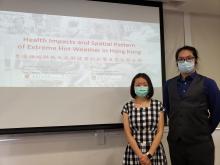
Hong Kong has been experiencing hotter summers and more scorcher days in recent years due to climate change and heat island effect. Amid the increasing number of “hot nights”, it is found that consecutive “hot nights” are more detrimental to human health than “very hot days”, although the actual temperature does not reach the level of daytime, according to a collaborative research conducted by the Institute of Future Cities at The Chinese University of Hong Kong (CUHK), as well as researchers from the University of Hong Kong.
The research also identified that lack of urban greenery and poor air ventilation in a high-density context are factors that lead to more “hot nights” than “hot days” in some areas. The team suggests that better urban planning and building design are long-term mitigation measures.
21 Aug 2020
Hokkaido University
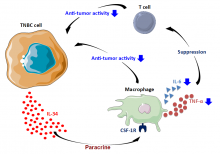
Hokkaido University scientists have shown that Interleukin-34 is a prognostic marker and drug target for Triple Negative Breast Cancer.

21 Aug 2020
The Chinese University of Hong Kong (CUHK)
Uterine fibroid is a common benign gynaecological disease for women of reproductive age and often leads to heavy menstrual bleeding, pelvic pain and pressure related symptoms. Both surgical and non-surgical treatment options, such as High-Intensity-Focused-Ultrasound (HIFU), are available for patients nowadays. The Faculty of Medicine at The Chinese University of Hong Kong (CU Medicine) has developed a modified HIFU treatment protocol for patients with uterine fibroid. The innovative procedure implements a modified energy transmission protocol and oxytocin augmentation which has proved to provide better therapeutic outcomes than other non-surgical treatments. The findings were recently published in the international journal Ultrasound in Medicine & Biology.
18 Aug 2020
Asia Research News Partnerships
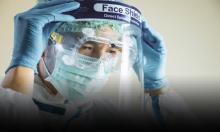
Under the “Saving the Lives of Healthcare Workers” project in the Philippines, ASSIST and Project HOPE will distribute kits of personal protective equipment (PPE) to select hospitals and health facilities in COVID-19 hotspots in the Philippines.
18 Aug 2020
City University of Hong Kong (CityUHK)
Malignant glioma is the most common type of primary brain cancer. But lack of early diagnosis, among many other factors, has made it difficult to be treated. Recently, a team of cross-disciplinary scientists from City University of Hong Kong (CityU) has discovered new biomarkers in blood serum, which can be quantitatively detected by the label-free biosensors developed by the team, for the early detection of glioma progression. The findings enable a non-invasive liquid biopsy of glioma to be conducted, making it a promising diagnostic tool in the future.

17 Aug 2020
Duke-NUS Medical School
Duke-NUS spinout, PairX, led by US and Singapore scientists and investors, to advance immunotherapy biotech exclusively licensed from Duke-NUS.

12 Aug 2020
IOP Publishing
Researchers in China have taken the first step towards a new way of treating gastric wounds by using a microrobot combined with the new concept of “in situ in vivo bioprinting” to carry out tissue repair inside the body.

12 Aug 2020
Asia Research News Partnerships
Forty-five of the world’s most influential leaders and innovators participated in EmTech Asia. They discussed how emerging technologies will influence industries related to artificial intelligence, robotics, sustainability, healthcare, immersive media, and more.
Events
Sorry, no events coming up for this topic.
- « first
- ‹ previous
- 1
- 2
- 3
Giants in history

Henriette Bui Quang Chieu (1906 – 2012) was inspired to follow in her brother’s footsteps and become a doctor after losing her mother to tuberculosis. She studied in France and became the first Vietnamese woman to receive a medical degree. Upon her return to Vietnam, Bui was appointed head of the Department of Midwifery at Cho Lon Hospital in Ho Chi Minh City. A pioneer in gynaecology, she applied acupuncture techniques that she had learned in Japan to obstetrics. As Vietnam was still a French colony, Bui also lobbied for the rights of Vietnamese doctors, nurses, and patients.

Japanese biochemist Akira Endo (1933 – 2024) discovered the first statin, called mevastatin, which lowered cholesterol levels in the blood by inhibiting a key enzyme in the cholesterol biosynthesis pathway. His work laid the foundation for the development of statins to help patients lower their blood cholesterol levels and reduce their risk of heart disease or stroke.

Filipina paediatrician and scientist Perla Santos-Ocampo (25 July 1931 – 29 June 2012) made important contributions to treatments and policies that curbed debilitating and sometimes deadly diarrhoea-related diseases and malnutrition in children.

Singaporean physician Oon Chiew Seng (1916 – 31 March 2022) advanced dementia care and research in Singapore, and co-founded the Apex Harmony Lodge, the nation’s first nursing home for residents with dementia.

Vietnamese surgeon Tôn Thất Tùng (10 May 1912 – 7 May 1982) developed a pioneering technique that reduced the risks and mortality rate of liver operations.

Chinese biochemist Chi Che Wang (1894 - 1979), one of the first Chinese women to study abroad, advanced to prominent research positions at American institutions including the University of Chicago and the Northwestern University Medical School.
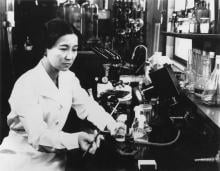
Ruby Sakae Hirose (1904 – 1960) was a Japanese-American scientist whose research contributed significantly to our understanding of blood clotting, allergies and cancer.

Flora Zaibun Majid ( 1939–2018) was an accomplished Bangladeshi researcher in botany and nutrition science and the first female chairperson of the Bangladesh Council of Scientific and Industrial Research.

Iranian physician and bacteriologist Azar Andami (8 December 1926 – 19 August 1984) developed a cholera vaccine to combat an outbreak that swept through the Middle East, India, Southeast Asia, and Africa in 1937.
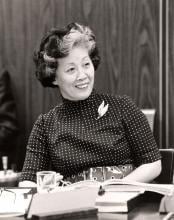
Irene Ayako Uchida’s (8 April 1917 – 30 July 2013) strides to understand genetic diseases such as Down syndrome paved the way for early screening of chromosomal abnormalities in foetuses.
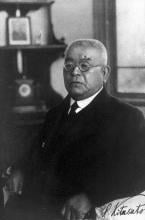
Baron Kitasato Shibasaburo (29 January 1856 – 13 June 1931) was a Japanese physician and bacteriologist whose work led to a new understanding of preventing and treating tetanus, diphtheria and anthrax.

Maggie Lim (5 January 1913 – November 1995) was a Singaporean physician who promoted family planning and expanded the access to clinics to improve the quality of life for mothers and children in Singapore’s early days.
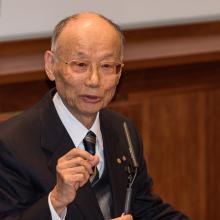
By isolating soil microorganisms and studying the compounds they produce, Satoshi Omura (born 1935) discovered almost 500 organic compounds with unique properties that were produced by these microorganisms, including many new antibiotics.

The founder of the Adyar Cancer Institute in India, Muthulakshmi Reddy (30 July 1886 – 22 July 1968), fought to uplift women and girls from impoverished situations.
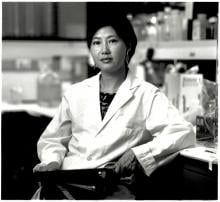
Chinese-American virologist and molecular biologist Flossie Wong-Staal (27 August 1946 – 8 July 2020) was the first scientist to clone HIV and determine the function of its genes.

Maharani Chakravorty (1937 – 2015) was one of India’s earliest molecular biologists whose research paved the way for advances in the treatment of bacterial and viral infections.

Archana Sharma (16 February 1932 - 14 January 2008) conducted research into plant and human genetics that expanded the understanding of both botany and human health. In relation to botany, she uncovered the means by which asexually-reproducing plants evolve into new species.
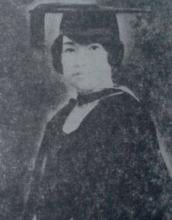
The first Thai woman to receive a degree in medicine, Margaret Lin Xavier (29 May 1898 – 6 December 1932), is best remembered for her compassion towards her less privileged patients.
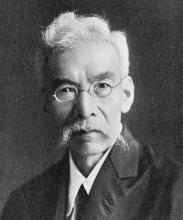
In 1915, pathologist Katsusaburo Yamagiwa and his research assistant Koichi Ichikawa became the first to prove that chronic exposure to chemicals can cause cancer.
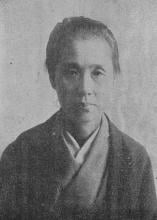
Ogino Ginko (3 March 1851 – 23 June 1913) was the first registered female doctor to practise modern medicine in Japan.
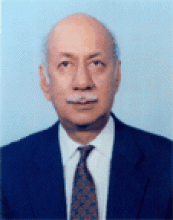
Syed Qasim Mehdi (13 February 1941 – 28 September 2016) was a Pakistani molecular biologist who was a founding member of the Human Genome Diversity Project (HGDP), which assessed human diversity by studying human migration, mutation rates, relationships between different populations, genes involved in height and selective pressure.
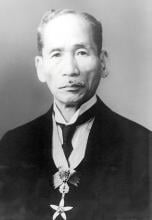
Umetaro Suzuki (7 April 1874 – 20 September 1943) was a Japanese scientist best remembered for his research on beriberi, a disease caused by vitamin B1 deficiency, characterized by limb stiffness, paralysis and pain.
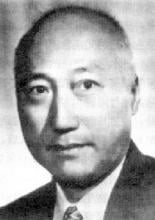
Hsien Wu (24 November 1893 – 8 August 1959) is widely regarded as the founder of biochemistry and nutrition science in China. He was the first to propose that protein denaturation was caused by the unfolding of the protein, instead of chemical alteration.

Indian organic chemist Asima Chatterjee (1917 to 2006) studied the medicinal properties of plant products, especially compounds known as vinca alkaloids.
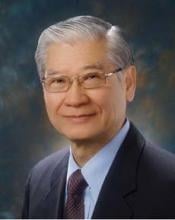
David T. Wong (born 1936) is a Hong Kong-born American neuroscientist who is best known for discovering the antidepressant drug fluoxetine, better known as Prozac.
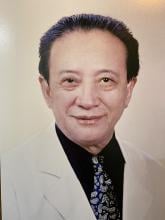
After witnessing death and suffering as a youth in his home village during World War II, Nguyễn Tài Thu (6 April 1931 – 14 February 2021) set his sights on alleviating pain by becoming a doctor. After studying Traditional Chinese Medicine in China in the 1950s, Thu returned to Vietnam to serve in military hospitals. Eventually, he became the country’s foremost practitioner of acupuncture, a technique he first learned by inserting needles into himself.

Filipino chemist and pharmacist Manuel A. Zamora (29 March 1870 – 9 July 1929) is best remembered for his discovery of the tiki-tiki formula to combat beriberi, a disease caused by Vitamin B1 deficiency.
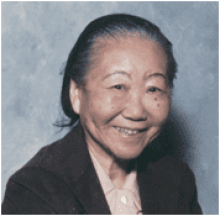
Tsai-Fan Yu (1911 – 2 March 2007) was a Chinese-American physician and researcher who was the first female full professor at Mount Sinai School of Medicine. She discovered that gout, a condition characterized by the painful inflammation of joints, was caused by elevated levels of uric acid in the bloodstream.
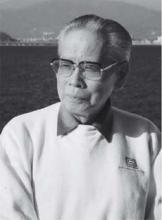
A Japanese surgeon, Tetsuzo Akutsu (20 August 1922 – 9 August 2007) built the first artificial heart capable of keeping an animal alive.
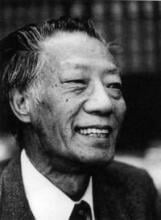
Min Chueh Chang (10 October 1908 – 5 June 1991) was a Chinese-American biologist who studied fertilization in mammalian reproduction.