

Health
News

14 Sep 2021
City University of Hong Kong (CityUHK)
Cochlear implants help deaf patients in hearing, yet the current technology remains far from perfect. A research team led by scientists from City University of Hong Kong (CityU) has shown that neonatally deafened rats could be trained with cochlear implant stimulation to restore the ability to locate the directions of sound origins. The finding implies that shortcomings in current cochlear implant technology, rather than the lack of auditory experience in early childhood, maybe the reason why cochlear implant patients usually have poor spatial hearing performance.
13 Sep 2021
Institute for Integrated Cell-Material Sciences (iCeMS) at Kyoto University
iCeMS scientists and colleagues have designed a molecular code that powers up cancer-fighting immune cells.
13 Sep 2021
Hokkaido University
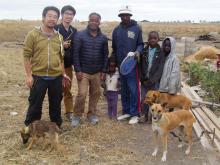
Abnormally high levels of DNA methylation have been identified in dogs exposed to high levels of lead near a mining area in Kabwe, Zambia, by a team of scientists from Japan and Zambia.

10 Sep 2021
Asia Research News
Magnetic patterns in meteorites, Treating mitochondrial diseases, underwater sensors and a broad COVID-19 vaccine in the September Editor's Choice. Plus, what's it like to communicate vaccine research in a pandemic and Asia Research News 2022.
10 Sep 2021
Hiroshima University
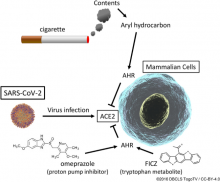
Researchers have identified a potential reason why lower numbers of COVID cases have appeared amongst smokers compared to non-smokers, even as other reports suggest smoking increases severity of the disease.
09 Sep 2021
International Institute for Integrative Sleep Medicine (WPI-IIIS), University of Tsukuba
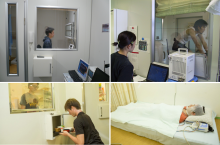
Researchers at the University of Tsukuba in Japan show that low metabolic flexibility is associated with reduced fat metabolism during sleep.
09 Sep 2021
International Institute for Integrative Sleep Medicine (WPI-IIIS), University of Tsukuba
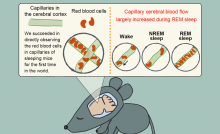
Researchers from the University of Tsukuba and Kyoto University find that capillary blood flow in the brain, which is important for delivering oxygen and nutrients and removing waste products, is increased in mice during the dream-active phase of sleep.

09 Sep 2021
International Institute for Integrative Sleep Medicine (WPI-IIIS), University of Tsukuba
Researchers from University of Tsukuba in collaboration with Yamagata University scientists find that exposure to light with less blue before sleep is better for energy metabolism. Extended exposure to light during nighttime can have negative consequences for human health. But now, researchers from Japan have identified a new type of light with reduced consequences for physiological changes during sleep.
08 Sep 2021
Hiroshima University
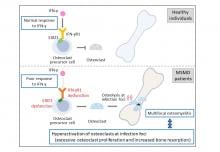
A research team led by Hiroshima University Professor Satoshi Okada has determined that enhanced bone resorption activity due to a faulty immune response may underpin multifocal osteomyelitis — painful, chronic bone infections — in children with MSMD, a rare genetic condition resulting from a range of immune system mutations.
08 Sep 2021
Tohoku University
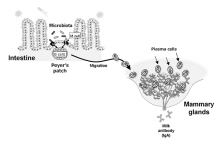
A research group has discovered an interorgan network between the mammary glands and the small intestine that plays an essential role in transferring antibodies via breastfeeding.
07 Sep 2021
Duke-NUS Medical School
Recreating major pathological features of Parkinson’s disease in a lab-grown, human mini-brain will help researchers to explore new treatments. This is the first time that Lewy bodies, a hallmark of Parkinson’s disease in patients’ brains, have been produced in the laboratory, offering new insights into the disease.
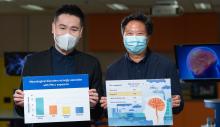
06 Sep 2021
Hong Kong Baptist University (HKBU)
A comprehensive, systematic meta-analysis conducted by HKBU scientists found a significant association between exposure to PM2.5, i.e., fine particulates with equivalent diameters of less than 2.5 microns suspended in the air, and neurological disorders. These include stroke, dementia, Alzheimer's disease, Parkinson's disease and autism spectrum disorder (ASD). Neurological disorders are the leading cause of disability and the second leading cause of death worldwide, posing serious challenges to global health.
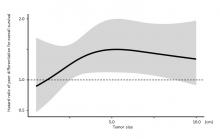
06 Sep 2021
Osaka City University
Using data from 1,107 patients dating back over 30 years, researchers have connected prognostic impact to poorly differentiated tumor size in hepatocellular carcinoma. Data confirmed previous findings that after resection, <2 cm sized tumors had excellent long-term outcomes. However, ≥2 cm and ≥5 cm sizes shared a risk of early recurrence with the latter size also at risk of early extrahepatic recurrence.
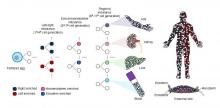
01 Sep 2021
Korea Advanced Institute of Science and Technology (KAIST)
KAIST researchers have used whole-genome sequencing to track the development from a single fertilized-egg to a human body.

27 Aug 2021
The Education University of Hong Kong (EdUHK)
The healthcare systems of the mainland and Hong Kong face similar challenge of spiralling costs in the face of increasing demand from a more prosperous and aging population, and a surge in non-communicable diseases. Hong Kong government reforms aim to reduce the burden on the over-stretched public healthcare system. The public policy research by Dr Alex He Jingwei, Associate Professor and Associate Head (Research and Development) at the Department of Asian and Policy Studies, The Education University of Hong Kong, has contributed to knowledge informing large-scale reforms in both mainland China and Hong Kong, and generated public debate. His work provided a significant reference in a major government-supported reform blueprint for the mainland’s healthcare system, much of it now being implemented in the State Council’s 13th Five-Year Plan (2016-2020), engagement with policymakers, and media engagement in mainland China and Hong Kong, reaching an audience of at least a billion people.

27 Aug 2021
Asia Research News Partnerships
Speakers announced for the 10th edition of IPI’s premier technology matching event
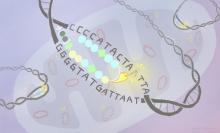
26 Aug 2021
Institute for Integrated Cell-Material Sciences (iCeMS) at Kyoto University
A multi-functional, small molecule can tag mutant genetic sequences inside mitochondria for removal.

26 Aug 2021
Hokkaido University
Distinguished Professor Reiko Kishi of the Hokkaido University Center for Environmental and Health Sciences was honored with the International Society for Environmental Epidemiology (ISEE)’s prestigious 2021 John Goldsmith Award, on August 26, 2021.
26 Aug 2021
Osaka City University
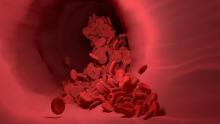
Researchers discover a link between an increase in protein Ba of the complement immune system and the eventual development of thrombotic microangiopathy in patients who have received an allogeneic hematopoietic stem cell transplantation.
25 Aug 2021
Hokkaido University
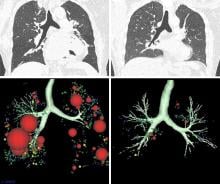
A novel CT scan-based approach has revealed significant changes in a parameter indicating lung destruction in some asthmatics. This finding could lead to more personalized treatments for asthma accompanied by persistent airflow limitation.

18 Aug 2021
Osaka City University
Through a follow-up analysis of d-ROM values taken pre- and post-cardiopulmonary exercise tests, researchers have found that heart failure patients with increased oxidative stress during exercise have a poorer prognosis - leading to potential design of exercise routines around individual patients.

12 Aug 2021
Institute of Policy Studies of Sri Lanka
The nutritional status of children under five in Sri Lanka has not shown a significant improvement for the last 20 years. It has also been lagging behind most of the other health and social indicators on children. IPS research shows that household income, inadequate nutrient intake, breastfeeding practices, mothers’ education, etc., play a major role in child undernutrition in Sri Lanka. Moreover, given significant losses in household income experienced at the hands of the COVID-19 pandemic, nutrient intake may have declined further over the past year. As such, it would be a challenging task for health planners to develop effective strategies to minimise undernutrition among children under five years. This article highlights some of the facts contributing to child undernutrition in Sri Lanka and suggests ways to address this critical issue.
11 Aug 2021
Osaka City University
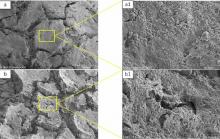
Researchers from Osaka City University show the benefits of mixing alginic acid with calcium phosphate cement (CPC), a common bone replacement material, with in vitro and in vivo studies. The biopolymer is shown to improve the setting time and compressive strength of CPC, as well as help it acquire porosity – which allows cells to enter the defected area and grow new bone.
10 Aug 2021
Daegu Gyeongbuk Institute of Science and Technology (DGIST)
A new, energy-efficient method of electrical brain stimulation developed by researchers from the Daegu Gyeongbuk Institute of Science and Technology could aid stroke rehabilitation and has few side effects.

05 Aug 2021
Tohoku University
People with autism spectrum disorder interpret facial expressions differently. A group of Tohoku University researchers have revealed more about how this comes to be. They induced abnormalities into a neural network model to explore the effects on the brain’s learning development.
04 Aug 2021
Hokkaido University
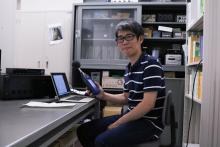
Sleeping safe and sound is one of human’s most fundamental needs to stay reenergized and maintain our bodily functions. How does hearing environmental sounds influence our sleeping quality? Assistant Professor Junta Tagusari from the Laboratory of Regional Environmental Issues, Graduate School of Engineering, is investigating the best method to measure noises and how they affect human health.
27 Jul 2021
Ehime University
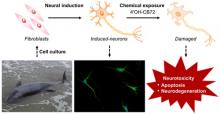
Using neurons directly reprogrammed from tissues of stranded whales to assess brain health
A research team of the Center for Marine Environmental Studies (CMES) of Ehime University, Japan succeeded for the first time in direct reprogramming of whale somatic cells to neuronal cells, and conducted a neurotoxicity test using these cells. Exposure to a metabolite (4′OH-CB72) of polychlorinated biphenyls, ubiquitous environmental pollutants, caused apoptosis in the reprogrammed neurons. Transcriptome analysis of 4′OH-CB72-treated whale neurons showed altered expressions of genes associated with oxidative phosphorylation, chromatin degradation, axonal transport, and neurodegenerative diseases.
27 Jul 2021
Tohoku University
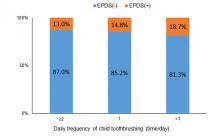
Researchers have shown that postpartum depression can inhibit a mother’s ability to instill healthy tooth brushing habits in children. The study demonstrates the need to foster greater mental support and management for mothers and incorporate these factors when assessing children’s oral health.
21 Jul 2021
National Institute for Materials Science (NIMS)
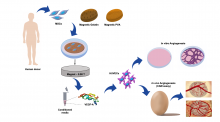
Magnetic field could boost blood vessel growth to regenerate damaged tissue.
19 Jul 2021
Nagoya University
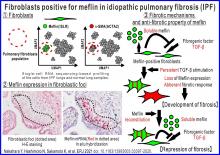
A subset of fibroblasts located in small foci of tissue on the edges of extensive scarring produce a protein that protects against cell aging.
Events
Sorry, no events coming up for this topic.
- « first
- ‹ previous
- 1
- 2
- 3
Giants in history

Henriette Bui Quang Chieu (1906 – 2012) was inspired to follow in her brother’s footsteps and become a doctor after losing her mother to tuberculosis. She studied in France and became the first Vietnamese woman to receive a medical degree. Upon her return to Vietnam, Bui was appointed head of the Department of Midwifery at Cho Lon Hospital in Ho Chi Minh City. A pioneer in gynaecology, she applied acupuncture techniques that she had learned in Japan to obstetrics. As Vietnam was still a French colony, Bui also lobbied for the rights of Vietnamese doctors, nurses, and patients.

Japanese biochemist Akira Endo (1933 – 2024) discovered the first statin, called mevastatin, which lowered cholesterol levels in the blood by inhibiting a key enzyme in the cholesterol biosynthesis pathway. His work laid the foundation for the development of statins to help patients lower their blood cholesterol levels and reduce their risk of heart disease or stroke.

Filipina paediatrician and scientist Perla Santos-Ocampo (25 July 1931 – 29 June 2012) made important contributions to treatments and policies that curbed debilitating and sometimes deadly diarrhoea-related diseases and malnutrition in children.

Singaporean physician Oon Chiew Seng (1916 – 31 March 2022) advanced dementia care and research in Singapore, and co-founded the Apex Harmony Lodge, the nation’s first nursing home for residents with dementia.

Vietnamese surgeon Tôn Thất Tùng (10 May 1912 – 7 May 1982) developed a pioneering technique that reduced the risks and mortality rate of liver operations.

Chinese biochemist Chi Che Wang (1894 - 1979), one of the first Chinese women to study abroad, advanced to prominent research positions at American institutions including the University of Chicago and the Northwestern University Medical School.
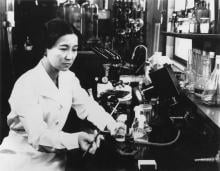
Ruby Sakae Hirose (1904 – 1960) was a Japanese-American scientist whose research contributed significantly to our understanding of blood clotting, allergies and cancer.

Flora Zaibun Majid ( 1939–2018) was an accomplished Bangladeshi researcher in botany and nutrition science and the first female chairperson of the Bangladesh Council of Scientific and Industrial Research.

Iranian physician and bacteriologist Azar Andami (8 December 1926 – 19 August 1984) developed a cholera vaccine to combat an outbreak that swept through the Middle East, India, Southeast Asia, and Africa in 1937.

Irene Ayako Uchida’s (8 April 1917 – 30 July 2013) strides to understand genetic diseases such as Down syndrome paved the way for early screening of chromosomal abnormalities in foetuses.
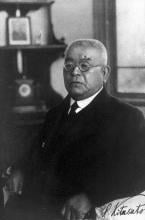
Baron Kitasato Shibasaburo (29 January 1856 – 13 June 1931) was a Japanese physician and bacteriologist whose work led to a new understanding of preventing and treating tetanus, diphtheria and anthrax.

Maggie Lim (5 January 1913 – November 1995) was a Singaporean physician who promoted family planning and expanded the access to clinics to improve the quality of life for mothers and children in Singapore’s early days.
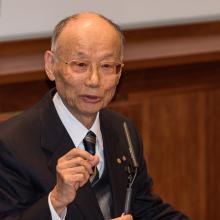
By isolating soil microorganisms and studying the compounds they produce, Satoshi Omura (born 1935) discovered almost 500 organic compounds with unique properties that were produced by these microorganisms, including many new antibiotics.

The founder of the Adyar Cancer Institute in India, Muthulakshmi Reddy (30 July 1886 – 22 July 1968), fought to uplift women and girls from impoverished situations.
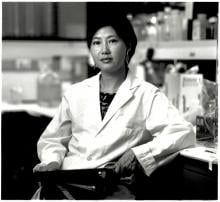
Chinese-American virologist and molecular biologist Flossie Wong-Staal (27 August 1946 – 8 July 2020) was the first scientist to clone HIV and determine the function of its genes.

Maharani Chakravorty (1937 – 2015) was one of India’s earliest molecular biologists whose research paved the way for advances in the treatment of bacterial and viral infections.

Archana Sharma (16 February 1932 - 14 January 2008) conducted research into plant and human genetics that expanded the understanding of both botany and human health. In relation to botany, she uncovered the means by which asexually-reproducing plants evolve into new species.
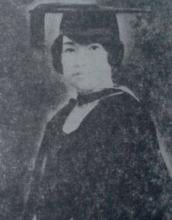
The first Thai woman to receive a degree in medicine, Margaret Lin Xavier (29 May 1898 – 6 December 1932), is best remembered for her compassion towards her less privileged patients.
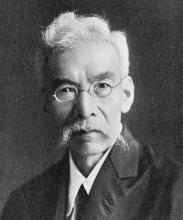
In 1915, pathologist Katsusaburo Yamagiwa and his research assistant Koichi Ichikawa became the first to prove that chronic exposure to chemicals can cause cancer.
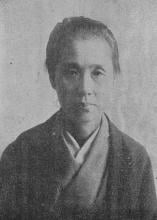
Ogino Ginko (3 March 1851 – 23 June 1913) was the first registered female doctor to practise modern medicine in Japan.
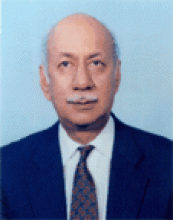
Syed Qasim Mehdi (13 February 1941 – 28 September 2016) was a Pakistani molecular biologist who was a founding member of the Human Genome Diversity Project (HGDP), which assessed human diversity by studying human migration, mutation rates, relationships between different populations, genes involved in height and selective pressure.
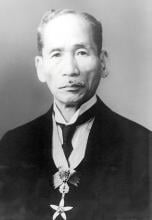
Umetaro Suzuki (7 April 1874 – 20 September 1943) was a Japanese scientist best remembered for his research on beriberi, a disease caused by vitamin B1 deficiency, characterized by limb stiffness, paralysis and pain.
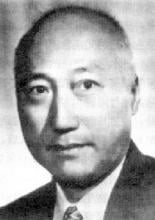
Hsien Wu (24 November 1893 – 8 August 1959) is widely regarded as the founder of biochemistry and nutrition science in China. He was the first to propose that protein denaturation was caused by the unfolding of the protein, instead of chemical alteration.

Indian organic chemist Asima Chatterjee (1917 to 2006) studied the medicinal properties of plant products, especially compounds known as vinca alkaloids.
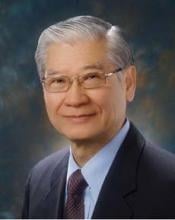
David T. Wong (born 1936) is a Hong Kong-born American neuroscientist who is best known for discovering the antidepressant drug fluoxetine, better known as Prozac.
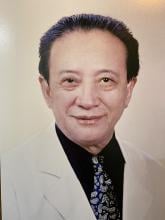
After witnessing death and suffering as a youth in his home village during World War II, Nguyễn Tài Thu (6 April 1931 – 14 February 2021) set his sights on alleviating pain by becoming a doctor. After studying Traditional Chinese Medicine in China in the 1950s, Thu returned to Vietnam to serve in military hospitals. Eventually, he became the country’s foremost practitioner of acupuncture, a technique he first learned by inserting needles into himself.

Filipino chemist and pharmacist Manuel A. Zamora (29 March 1870 – 9 July 1929) is best remembered for his discovery of the tiki-tiki formula to combat beriberi, a disease caused by Vitamin B1 deficiency.
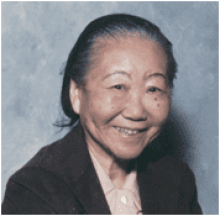
Tsai-Fan Yu (1911 – 2 March 2007) was a Chinese-American physician and researcher who was the first female full professor at Mount Sinai School of Medicine. She discovered that gout, a condition characterized by the painful inflammation of joints, was caused by elevated levels of uric acid in the bloodstream.
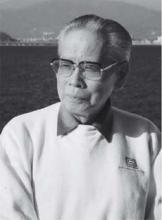
A Japanese surgeon, Tetsuzo Akutsu (20 August 1922 – 9 August 2007) built the first artificial heart capable of keeping an animal alive.
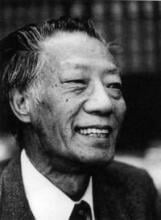
Min Chueh Chang (10 October 1908 – 5 June 1991) was a Chinese-American biologist who studied fertilization in mammalian reproduction.