

Health
News

17 Jun 2022
Tohoku University
Everyone knows that exercise brings physical and psychological benefits. A new study suggests that virtual reality exercise induces similar effects, meaning those with limited mobility may be able to improve their mental well-being.
17 Jun 2022
Osaka Metropolitan University
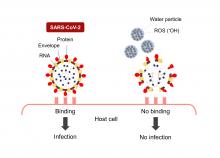
A research group led by Osaka Metropolitan University and Panasonic Corporation Living Appliances and Solutions Company discovered how nano-sized electrostatic atomized water particles disinfect SARS-CoV-2. The nano-sized electrostatic atomized water particles developed by Panasonic Corporation have an electron rich nano-sized water shell that contains reactive oxygen species. The researchers showed that the water particles damage the viral envelope, protein, and RNA. They also revealed that the damaged virus did not bind to host cells. These phenomena are considered the main inactivation mechanism of the nano-sized electrostatic atomized water particles on SARS-CoV-2.
13 Jun 2022
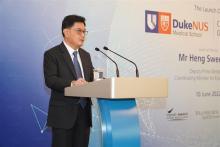
Themed “Roll Back Dengue” and organised as a hybrid event, the three-day summit will congregate dengue community including over 200 clinicians, researchers, government public health leaders and policymakers across Asia
11 Jun 2022
Duke-NUS Medical School
Duke-NUS is working with the Bill and Melinda Gates Foundation to develop the Asia Pathogen Genomics Initiative (APGI) to improve regional genomic surveillance and sequencing capacity. New Centre for Outbreak Preparedness will support APGI and work closely with national and global partners to enhance regional capacity to predict, prepare and respond to future health threats.
10 Jun 2022
SINGAPORE, June 9, 2022– Takeda Pharmaceutical Company Limited (“Takeda”) today announced that its dengue vaccine candidate, TAK-003, prevented 61% of symptomatic dengue cases and 84% of hospitalised cases with no important safety risks identified in the overall population.
09 Jun 2022
Daegu Gyeongbuk Institute of Science and Technology (DGIST)
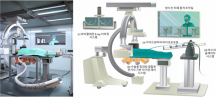
A new apparatus uses magnets to remotely control guidewires through tiny, tortuous blood vessels for the treatment of cardiovascular diseases.
06 Jun 2022
Asia Research News
Partnership seeks to deepen symbiotic industry-academia collaborations in applied research and talent upskilling. First-of-its-kind made-for-Asia sustainable R&D to develop kale stems as prebiotics
01 Jun 2022
Osaka Metropolitan University
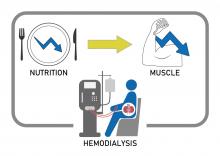
Scientists at Osaka Metropolitan University utilized a Japan-developed, objective, and simple nutritional indicator called the Nutrition Risk Index (NRI) to unveil a long-suspected yet unverified relationship between sarcopenia and malnutrition in end-stage kidney disease patients. Their findings confirmed that malnutrition contributes to sarcopenia, which can be detected through NRI.

27 May 2022
Asia Research News
Asia Research News monitors the latest research news in Asia. Some highlights that caught our attention this week are a wormlike robot, shady spider sales, and different ways of keeping a healthy heart.
26 May 2022
Osaka Metropolitan University
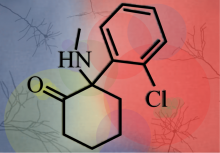
Among anesthetics, ketamine has a unique effect: it also acts as an antidepressant. A research team led by Osaka Metropolitan University Professor Makoto Kondo linked ketamine to brain regulation of IGF-1, which works independently of other ketamine-associated factors. The discovery may help untangle ketamine’s positive and negative effects, allowing future drug development to target IGF-1 directly.

25 May 2022
The Education University of Hong Kong (EdUHK)
As physical activity (PA) has significant benefits for health and fitness, the WHO recommends that children and adults engage at least 60 minutes and 150 minutes of moderate-intensity PA per week, respectively. However, owing to global urbanisation, technological advances, and increasing convenience in daily activities, inadequate PA in all aspects of life has become a major public health concern. In Hong Kong, 71% of adults do not meet the WHO PA recommendations. This persistent and growing health-related problem indicates an urgent need to develop an intervention programme that can effectively promote PA at the individual, family, community, and city-wide levels. Therefore, a set of community-based family ‘holistic health’ intervention programmes were developed, implemented, and evaluated in the previous Happy Family Kitchen Movement (HFKM) project to promote well-being and health in Hong Kong.

23 May 2022
Osaka Metropolitan University
The antibiotic rifampicin is shown as a potential medicine for preventing Amyotrophic Lateral Sclerosis (ALS) and Frontotemporal dementia (FTD).

19 May 2022
Tohoku University
Thought to enhance muscle recovery, compression garments are commonly worn by athletes and people engaging in exercise. Yet, an international research team’s systematic review provides evidence to the contrary.
18 May 2022
Hiroshima University
A study by Japanese researchers showed that getting a mild case of COVID-19 doesn’t translate to lower chances of becoming a long-hauler. And that sex and the presence of long-term symptoms are risk factors for post-COVID psychological distress.
17 May 2022
Hokkaido University
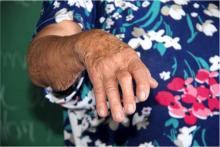
Adenosine triphosphate (ATP) secreted from sensory neuron-interneuron crosstalk is key to the spreading of inflammation across joints, acting as a neurotransmitter and inflammation enhancer.

13 May 2022
Asia Research News
Molecular robots work cooperatively in swarms, LED lights made from rice husk, Muonic x-rays safely see inside samples, Making a luminescent material shine brighter and How to counter vaccine hesitancy, Read all in the May Editor's Choice and this month's Asia Research News 2022 magazine pick - Absorbing impact: Inside the Head of a Woodpecker.
11 May 2022
Osaka Metropolitan University
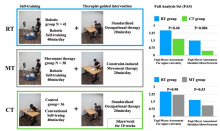
Strokes have a debilitating effect on quality of life; the combination of cognitive and physical effects can be especially devastating. A new study from Osaka Metropolitan University Graduate School of Rehabilitation Science showed that moderate to severe hand and arm paralysis was dramatically improved with the use of robotic therapy, for chronic stroke patients with upper extremity hemiplegia in Japan, as reported in the journal Stroke.

05 May 2022
Asia Research News
Giants in History: Ground-breaking cancer researcher Kamal Jayasing Ranadive (8 November 1917 – 11 April 2001) advanced the understanding of the causes of leukaemia, breast cancer and oesophageal cancer through the use of animal models.
03 May 2022
Hong Kong Baptist University (HKBU)
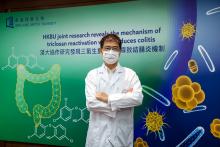
A Hong Kong Baptist University (HKBU) collaborative research study has revealed that certain gut microbial enzymes mediate the reactivation of triclosan (TCS) from its inactive glucuronide metabolite. TCS is an antimicrobial agent commonly used in a wide range of consumer products, and it is associated with the development of colitis.
27 Apr 2022
The World Academy of Sciences (TWAS)
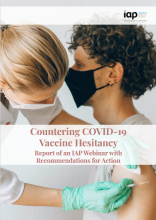
A new report by the InterAcademy Partnership (IAP) highlights practical recommendations for improving the uptake of vaccines.
25 Apr 2022
Institute for Integrated Cell-Material Sciences (iCeMS) at Kyoto University
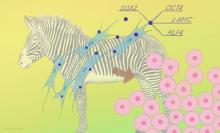
Examination of endangered species’ stem cells unveils ancient genetic links between mammals.

22 Apr 2022
Osaka Metropolitan University
Scientists discovered that intramuscular fat levels are indicative of heart health. Measurements of intramuscular fat in 93 heart failure patients’ thighs showed patients with high intramuscular fat levels were at greater risk of rehospitalisation, despite no significant differences in conventional heart health criteria. These findings enable new approaches for treating heart failure, a growing concern in Japan’s ageing society.
22 Apr 2022
The Education University of Hong Kong (EdUHK)
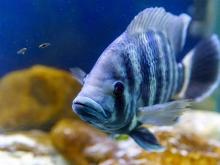
Polycyclic aromatic hydrocarbons (PAHs) are toxic organic pollutants, which are usually deposited in soil and marine sediments through petroleum contamination, fossil fuel burning, fallout from air pollution, and terrestrial runoff. The dietary intake of contaminated food is considered to be one of the major sources of total human exposure to PAHs. Previous studies revealed that concentrations of PAHs in human blood plasma collected from Hong Kong residents were positively correlated with consumption of seafood, including fish, which is a major source of protein in Hong Kong. The contamination of PAHs in farmed fish depends partly on the quality of feed. Fish meal and fish oil are commonly used in fish feed, but they are also a source of organic pollutants, including PAHs. Formulated feeds have become the major diet of many important farmed species.
21 Apr 2022
Osaka Metropolitan University
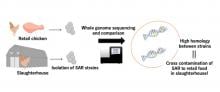
Genome profiling of Staphylococcus argenteus strains unveiled cross-contamination among Japanese retail foods and slaughterhouses.

18 Apr 2022
Institute of Policy Studies of Sri Lanka
In line with globally recommended practices to reduce the dietary risk of non-communicable diseases (NCDs), the Sri Lankan government implemented a traffic-light labelling (TLL) system for sugar-sweetened beverages (SSB) in August 2016. The purpose of the regulations was to educate the public on the sugar content in SSBs to promote healthy diets in Sri Lanka and reduce NCDs associated with a high sugar intake. It is timely to assess the effectiveness of TLL in encouraging healthier food choices. Based on an ongoing IPS study, this blog discusses consumers’ knowledge of TLL and how it impacts their SSB choices.
Events
Sorry, no events coming up for this topic.
- « first
- ‹ previous
- 1
- 2
- 3
Giants in history

Henriette Bui Quang Chieu (1906 – 2012) was inspired to follow in her brother’s footsteps and become a doctor after losing her mother to tuberculosis. She studied in France and became the first Vietnamese woman to receive a medical degree. Upon her return to Vietnam, Bui was appointed head of the Department of Midwifery at Cho Lon Hospital in Ho Chi Minh City. A pioneer in gynaecology, she applied acupuncture techniques that she had learned in Japan to obstetrics. As Vietnam was still a French colony, Bui also lobbied for the rights of Vietnamese doctors, nurses, and patients.

Japanese biochemist Akira Endo (1933 – 2024) discovered the first statin, called mevastatin, which lowered cholesterol levels in the blood by inhibiting a key enzyme in the cholesterol biosynthesis pathway. His work laid the foundation for the development of statins to help patients lower their blood cholesterol levels and reduce their risk of heart disease or stroke.

Filipina paediatrician and scientist Perla Santos-Ocampo (25 July 1931 – 29 June 2012) made important contributions to treatments and policies that curbed debilitating and sometimes deadly diarrhoea-related diseases and malnutrition in children.

Singaporean physician Oon Chiew Seng (1916 – 31 March 2022) advanced dementia care and research in Singapore, and co-founded the Apex Harmony Lodge, the nation’s first nursing home for residents with dementia.

Vietnamese surgeon Tôn Thất Tùng (10 May 1912 – 7 May 1982) developed a pioneering technique that reduced the risks and mortality rate of liver operations.

Chinese biochemist Chi Che Wang (1894 - 1979), one of the first Chinese women to study abroad, advanced to prominent research positions at American institutions including the University of Chicago and the Northwestern University Medical School.
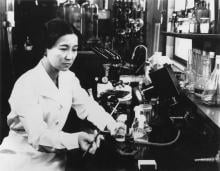
Ruby Sakae Hirose (1904 – 1960) was a Japanese-American scientist whose research contributed significantly to our understanding of blood clotting, allergies and cancer.

Flora Zaibun Majid ( 1939–2018) was an accomplished Bangladeshi researcher in botany and nutrition science and the first female chairperson of the Bangladesh Council of Scientific and Industrial Research.

Iranian physician and bacteriologist Azar Andami (8 December 1926 – 19 August 1984) developed a cholera vaccine to combat an outbreak that swept through the Middle East, India, Southeast Asia, and Africa in 1937.

Irene Ayako Uchida’s (8 April 1917 – 30 July 2013) strides to understand genetic diseases such as Down syndrome paved the way for early screening of chromosomal abnormalities in foetuses.
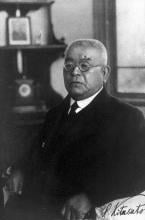
Baron Kitasato Shibasaburo (29 January 1856 – 13 June 1931) was a Japanese physician and bacteriologist whose work led to a new understanding of preventing and treating tetanus, diphtheria and anthrax.

Maggie Lim (5 January 1913 – November 1995) was a Singaporean physician who promoted family planning and expanded the access to clinics to improve the quality of life for mothers and children in Singapore’s early days.
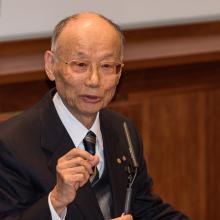
By isolating soil microorganisms and studying the compounds they produce, Satoshi Omura (born 1935) discovered almost 500 organic compounds with unique properties that were produced by these microorganisms, including many new antibiotics.

The founder of the Adyar Cancer Institute in India, Muthulakshmi Reddy (30 July 1886 – 22 July 1968), fought to uplift women and girls from impoverished situations.
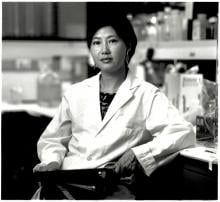
Chinese-American virologist and molecular biologist Flossie Wong-Staal (27 August 1946 – 8 July 2020) was the first scientist to clone HIV and determine the function of its genes.

Maharani Chakravorty (1937 – 2015) was one of India’s earliest molecular biologists whose research paved the way for advances in the treatment of bacterial and viral infections.

Archana Sharma (16 February 1932 - 14 January 2008) conducted research into plant and human genetics that expanded the understanding of both botany and human health. In relation to botany, she uncovered the means by which asexually-reproducing plants evolve into new species.
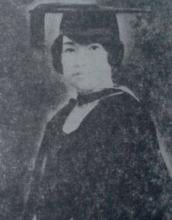
The first Thai woman to receive a degree in medicine, Margaret Lin Xavier (29 May 1898 – 6 December 1932), is best remembered for her compassion towards her less privileged patients.
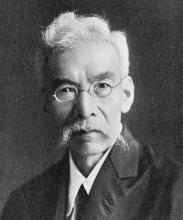
In 1915, pathologist Katsusaburo Yamagiwa and his research assistant Koichi Ichikawa became the first to prove that chronic exposure to chemicals can cause cancer.
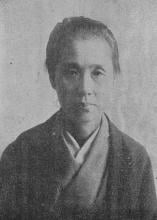
Ogino Ginko (3 March 1851 – 23 June 1913) was the first registered female doctor to practise modern medicine in Japan.
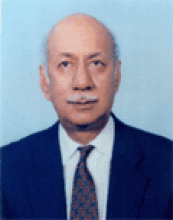
Syed Qasim Mehdi (13 February 1941 – 28 September 2016) was a Pakistani molecular biologist who was a founding member of the Human Genome Diversity Project (HGDP), which assessed human diversity by studying human migration, mutation rates, relationships between different populations, genes involved in height and selective pressure.
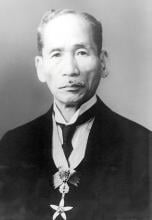
Umetaro Suzuki (7 April 1874 – 20 September 1943) was a Japanese scientist best remembered for his research on beriberi, a disease caused by vitamin B1 deficiency, characterized by limb stiffness, paralysis and pain.
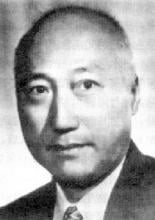
Hsien Wu (24 November 1893 – 8 August 1959) is widely regarded as the founder of biochemistry and nutrition science in China. He was the first to propose that protein denaturation was caused by the unfolding of the protein, instead of chemical alteration.

Indian organic chemist Asima Chatterjee (1917 to 2006) studied the medicinal properties of plant products, especially compounds known as vinca alkaloids.
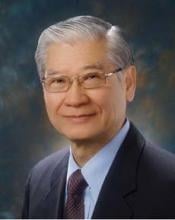
David T. Wong (born 1936) is a Hong Kong-born American neuroscientist who is best known for discovering the antidepressant drug fluoxetine, better known as Prozac.
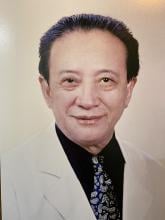
After witnessing death and suffering as a youth in his home village during World War II, Nguyễn Tài Thu (6 April 1931 – 14 February 2021) set his sights on alleviating pain by becoming a doctor. After studying Traditional Chinese Medicine in China in the 1950s, Thu returned to Vietnam to serve in military hospitals. Eventually, he became the country’s foremost practitioner of acupuncture, a technique he first learned by inserting needles into himself.

Filipino chemist and pharmacist Manuel A. Zamora (29 March 1870 – 9 July 1929) is best remembered for his discovery of the tiki-tiki formula to combat beriberi, a disease caused by Vitamin B1 deficiency.
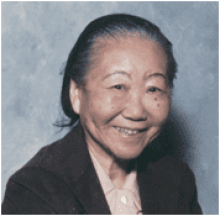
Tsai-Fan Yu (1911 – 2 March 2007) was a Chinese-American physician and researcher who was the first female full professor at Mount Sinai School of Medicine. She discovered that gout, a condition characterized by the painful inflammation of joints, was caused by elevated levels of uric acid in the bloodstream.
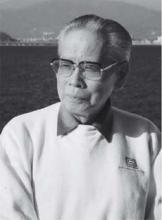
A Japanese surgeon, Tetsuzo Akutsu (20 August 1922 – 9 August 2007) built the first artificial heart capable of keeping an animal alive.
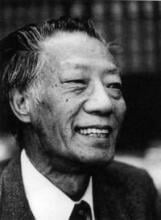
Min Chueh Chang (10 October 1908 – 5 June 1991) was a Chinese-American biologist who studied fertilization in mammalian reproduction.