

Health
News
13 Jan 2020
Asia Research News Partnerships
The war against antibiotic resistance requires a conceptual revision, namely design and creation of new types of degradable antibiotics with novel intracellular interactions, says Nobel Prize in Chemistry (2009) laureate Ada Yonath.

08 Jan 2020
Universiti Teknologi MARA (UiTM)
Much-needed insight into raising young children with autism in Malaysia highlights the need to improve local research, awareness, acceptance and support services.

06 Jan 2020
Asia Research News Partnerships
In view of the Covid-19 situation in Singapore, CAREhab 2020 has been postponed to 10-11 July. Head on to the CAREhab Singapore website for more information.
23 Dec 2019
The Chinese University of Hong Kong (CUHK)
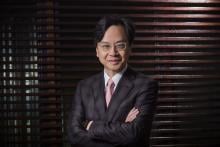
Professor Dennis Yuk Ming LO and Professor Rossa Wai Kwun CHIU from the Faculty of Medicine at The Chinese University of Hong Kong (CUHK) have been named the “Top 20 Translational Researchers of 2018” by the world-renowned scientific journal Nature Biotechnology. They are the only Hong Kong scientists on the list and it is the third consecutive year for Professor Lo to receive this honour.
20 Dec 2019
The Chinese University of Hong Kong (CUHK)
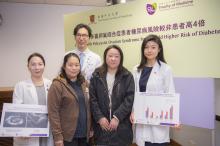
A recent study conducted by the Faculty of Medicine at The Chinese University of Hong Kong (CUHK) revealed that Chinese women with polycystic ovary syndrome (PCOS) are at 4-fold higher risk of developing type 2 diabetes mellitus (T2DM) compared with those without the disorder, and also have younger onset of diabetes.

20 Dec 2019
The Chinese University of Hong Kong (CUHK)
Professor Ronald Ching Wan MA, Professor and Head of the Division of Endocrinology and Diabetes of the Department of Medicine and Therapeutics, and Professor Siew Chien NG, Professor of the Division of Gastroenterology and Hepatology of the Department of Medicine and Therapeutics and Associate Director of the Centre for Gut Microbiota Research under the Faculty of Medicine at The Chinese University of Hong Kong (CUHK), have received Croucher Senior Medical Research Fellowships 2020 in recognition of their excellent achievements in scientific research in medicine and the support that gives to the next generation of clinician scientists.
20 Dec 2019
The Chinese University of Hong Kong (CUHK)
Four top research academics from The Chinese University of Hong Kong (CUHK) were presented with prestigious awards from the Croucher Foundation. Professor Jianfang Wang, Professor, Department of Physics received the Croucher Senior Research Fellowship 2020. Two scholars from the Department of Medicine and Therapeutics of the Faculty of Medicine, Professor Ronald Ching Wan Ma, Professor and Head of the Division of Endocrinology and Diabetes, and Professor Siew Chien Ng, Professor, Division of Gastroenterology and Hepatology and Associate Director of the Centre for Gut Microbiota Research were awarded the Croucher Senior Medical Research Fellowships 2020. Professor Renjie Zhou, Assistant Professor, Department of Biomedical Engineering was awarded the Croucher Innovation Award 2019.
20 Dec 2019
The Chinese University of Hong Kong (CUHK)
Nine professors of The Chinese University of Hong Kong (CUHK) have earned the honour of being named in the list of “Highly Cited Researchers 2019” as among the world’s top researchers who have demonstrated significant and broad influence reflected in their publication of multiple papers, highly cited by fellow academics.
20 Dec 2019
The Chinese University of Hong Kong (CUHK)
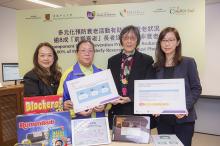
A recent study conducted by the Department of Medicine and Therapeutics of the Faculty of Medicine of The Chinese University of Hong Kong (CUHK) and CUHK Jockey Club Institute of Ageing proved the effectiveness of a multicomponent frailty prevention programme (the Programme) in improving physical and cognitive functions, and self-rated health in pre-frail community-dwelling older persons in Hong Kong.

09 Dec 2019
Duke-NUS Medical School
Inaugural Nipah virus Conference convenes leading experts to strengthen global collaboration, improve efforts to combat deadly virus.

06 Dec 2019
Asia Research News
Chika Kuroda (24 March 1884 – 8 November 1968) was a Japanese chemist whose research focussed on the structures of natural pigments.
06 Dec 2019
Daegu Gyeongbuk Institute of Science and Technology (DGIST)
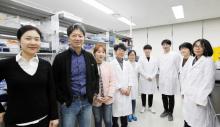
Scientists in Korea find a protein that mediates the interaction between the cellular systems involved in rapid responses against foreign genes in plants
29 Nov 2019
Hokkaido University
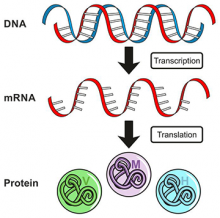
Scientists have discovered non-coding RNA has a novel role to fine-tune gene expressions during stress recovery, getting closer to uncovering a 30-year-old nuclear mystery.
28 Nov 2019
Duke-NUS Medical School
Despite great investments, an effective drug-based treatment for Alzheimer’s disease, the most common form of dementia among the elderly, remains elusive. Scientists led by Duke-NUS Medical School, in collaboration with Monash University, have published an online atlas of gene expressions at single-cell level in Alzheimer’s disease brains, aiming to boost to efforts to identify gene targets for drug development.
28 Nov 2019
Tohoku University
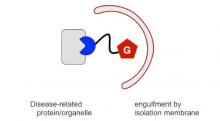
New molecules that tag cellular components for removal could lead to drugs for a wide range of diseases.
27 Nov 2019
Tohoku University
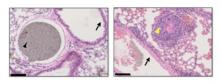
Why some existing cancer treatments are ineffective in tackling the early-stage of lung cancer? Researchers investigated the ability of anti-cancer agents to affect early-stage lung metastatic tumors.
26 Nov 2019
National University of Singapore
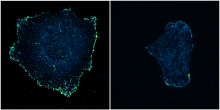
Researchers from the Mechanobiology Institute at the National University of Singapore have shown that cells can attach to the fibrous protein meshwork that surrounds them only if the fibres are spaced close enough. The team’s findings can explain the abnormal motility patterns displayed by cancer cells.
22 Nov 2019
Asia Research News
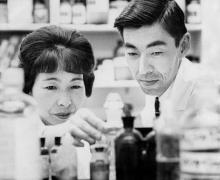
Husband and wife team, Kimishige (3 December 1925 – 6 July 2018) and Teruko Ishizaka (28 September 1926 – 4 June 2019) discovered the antibody class Immunoglobulin E (IgE) that triggers allergic reactions.
22 Nov 2019
Asia Research News
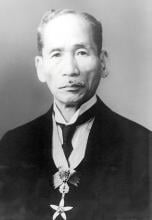
Umetaro Suzuki (7 April 1874 – 20 September 1943) was a Japanese scientist best remembered for his research on beriberi, a disease caused by vitamin B1 deficiency, characterized by limb stiffness, paralysis and pain.
22 Nov 2019
Asia Research News
Salimuzzaman Siddiqui (19 October 1897 – 14 April 1994) was an artist and chemist from Pakistan whose research focused on natural products from plants.

20 Nov 2019
Springer Nature
Survey of over 6,300 PhD students worldwide shows most to be satisfied with their PhD experience, but highlights issues affecting student well-being such as working hours, funding and bullying
11 Nov 2019
Hokkaido University
International collaboration is finding new ways to improve how scientists develop and test models to forecast dengue infection.

07 Nov 2019
Asia Research News Partnerships
Asia-Pacific Agri-Food Innovation Week in Singapore, from November 20-22, 2019, will explore the latest technology innovations and market opportunities in the agri-food supply chain across Southeast Asia, India and China.

04 Nov 2019
Asia Research News Partnerships
The event will take place from 20-21 November 2019 at the International Convention Centre, Sydney, Australia. Organised by Healthcare Information and Management Systems Society (HIMSS).
04 Nov 2019
City University of Hong Kong (CityUHK)
A team of researchers from City University of Hong Kong (CityU) and Karolinska Institutet has recently developed a new protein which can help increase the targeting accuracy in the genome editing process. It is believed that it would be useful for future gene therapies in human which require high precision.
01 Nov 2019
The Chinese University of Hong Kong (CUHK)
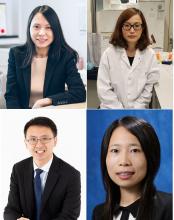
Four young researchers from The Chinese University of Hong Kong (CUHK) have been awarded China's Excellent Young Scientists Fund 2019. Each of them will receive a funding of RMB1.3 million to directly support their scientific research projects in Hong Kong to a maximum period of three years.
01 Nov 2019
Duke-NUS Medical School
Antibodies against viruses from the same family as Ebola and Marburg have been detected in fruit bats and the human community hunting them, indicating cross-species virus transmission has occurred in the past, warns a global team of infectious disease scientists.
30 Oct 2019
Daegu Gyeongbuk Institute of Science and Technology (DGIST)
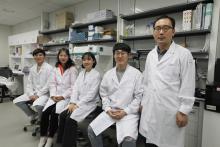
Development of novel agonist antibodies to treat cancer by collaboration between academia and industry
29 Oct 2019
Tohoku University
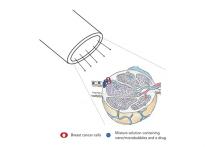
Drugs can be safely delivered to cancerous lymph nodes via the lymphatic system and then released inside the nodes using sound waves. Tohoku University researchers tested the treatment on mice with metastatic breast cancer and published their findings in the journal Scientific Reports.

28 Oct 2019
City University of Hong Kong (CityUHK)
A recent research led by a scientist at City University of Hong Kong (CityU) has discovered an easily transmitted DNA piece that can make a new type of hyper-resistant and deadly superbug become hyper-virulent quickly, posing an unprecedented threat to human health.
Events
Sorry, no events coming up for this topic.
- « first
- ‹ previous
- 1
- 2
- 3
Giants in history

Henriette Bui Quang Chieu (1906 – 2012) was inspired to follow in her brother’s footsteps and become a doctor after losing her mother to tuberculosis. She studied in France and became the first Vietnamese woman to receive a medical degree. Upon her return to Vietnam, Bui was appointed head of the Department of Midwifery at Cho Lon Hospital in Ho Chi Minh City. A pioneer in gynaecology, she applied acupuncture techniques that she had learned in Japan to obstetrics. As Vietnam was still a French colony, Bui also lobbied for the rights of Vietnamese doctors, nurses, and patients.

Japanese biochemist Akira Endo (1933 – 2024) discovered the first statin, called mevastatin, which lowered cholesterol levels in the blood by inhibiting a key enzyme in the cholesterol biosynthesis pathway. His work laid the foundation for the development of statins to help patients lower their blood cholesterol levels and reduce their risk of heart disease or stroke.

Filipina paediatrician and scientist Perla Santos-Ocampo (25 July 1931 – 29 June 2012) made important contributions to treatments and policies that curbed debilitating and sometimes deadly diarrhoea-related diseases and malnutrition in children.

Singaporean physician Oon Chiew Seng (1916 – 31 March 2022) advanced dementia care and research in Singapore, and co-founded the Apex Harmony Lodge, the nation’s first nursing home for residents with dementia.
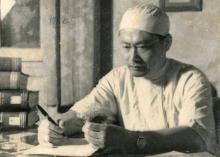
Vietnamese surgeon Tôn Thất Tùng (10 May 1912 – 7 May 1982) developed a pioneering technique that reduced the risks and mortality rate of liver operations.
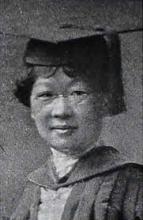
Chinese biochemist Chi Che Wang (1894 - 1979), one of the first Chinese women to study abroad, advanced to prominent research positions at American institutions including the University of Chicago and the Northwestern University Medical School.
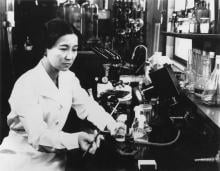
Ruby Sakae Hirose (1904 – 1960) was a Japanese-American scientist whose research contributed significantly to our understanding of blood clotting, allergies and cancer.
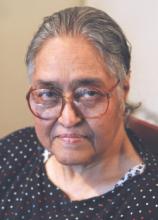
Flora Zaibun Majid ( 1939–2018) was an accomplished Bangladeshi researcher in botany and nutrition science and the first female chairperson of the Bangladesh Council of Scientific and Industrial Research.

Iranian physician and bacteriologist Azar Andami (8 December 1926 – 19 August 1984) developed a cholera vaccine to combat an outbreak that swept through the Middle East, India, Southeast Asia, and Africa in 1937.
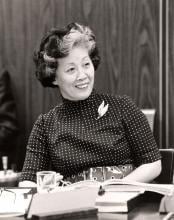
Irene Ayako Uchida’s (8 April 1917 – 30 July 2013) strides to understand genetic diseases such as Down syndrome paved the way for early screening of chromosomal abnormalities in foetuses.
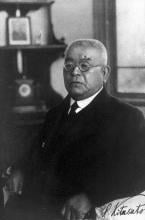
Baron Kitasato Shibasaburo (29 January 1856 – 13 June 1931) was a Japanese physician and bacteriologist whose work led to a new understanding of preventing and treating tetanus, diphtheria and anthrax.
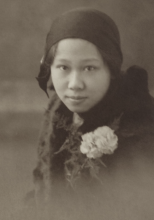
Maggie Lim (5 January 1913 – November 1995) was a Singaporean physician who promoted family planning and expanded the access to clinics to improve the quality of life for mothers and children in Singapore’s early days.
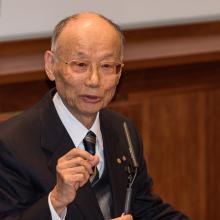
By isolating soil microorganisms and studying the compounds they produce, Satoshi Omura (born 1935) discovered almost 500 organic compounds with unique properties that were produced by these microorganisms, including many new antibiotics.
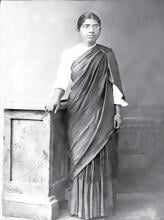
The founder of the Adyar Cancer Institute in India, Muthulakshmi Reddy (30 July 1886 – 22 July 1968), fought to uplift women and girls from impoverished situations.
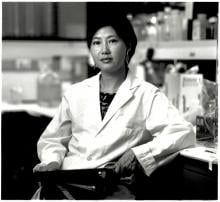
Chinese-American virologist and molecular biologist Flossie Wong-Staal (27 August 1946 – 8 July 2020) was the first scientist to clone HIV and determine the function of its genes.
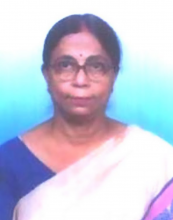
Maharani Chakravorty (1937 – 2015) was one of India’s earliest molecular biologists whose research paved the way for advances in the treatment of bacterial and viral infections.

Archana Sharma (16 February 1932 - 14 January 2008) conducted research into plant and human genetics that expanded the understanding of both botany and human health. In relation to botany, she uncovered the means by which asexually-reproducing plants evolve into new species.
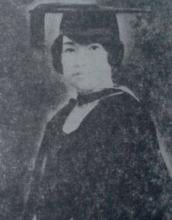
The first Thai woman to receive a degree in medicine, Margaret Lin Xavier (29 May 1898 – 6 December 1932), is best remembered for her compassion towards her less privileged patients.
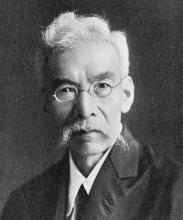
In 1915, pathologist Katsusaburo Yamagiwa and his research assistant Koichi Ichikawa became the first to prove that chronic exposure to chemicals can cause cancer.
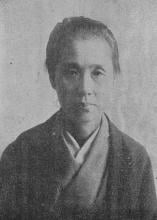
Ogino Ginko (3 March 1851 – 23 June 1913) was the first registered female doctor to practise modern medicine in Japan.
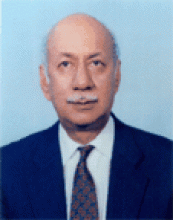
Syed Qasim Mehdi (13 February 1941 – 28 September 2016) was a Pakistani molecular biologist who was a founding member of the Human Genome Diversity Project (HGDP), which assessed human diversity by studying human migration, mutation rates, relationships between different populations, genes involved in height and selective pressure.
Umetaro Suzuki (7 April 1874 – 20 September 1943) was a Japanese scientist best remembered for his research on beriberi, a disease caused by vitamin B1 deficiency, characterized by limb stiffness, paralysis and pain.
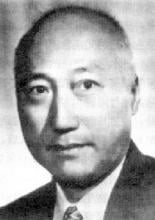
Hsien Wu (24 November 1893 – 8 August 1959) is widely regarded as the founder of biochemistry and nutrition science in China. He was the first to propose that protein denaturation was caused by the unfolding of the protein, instead of chemical alteration.
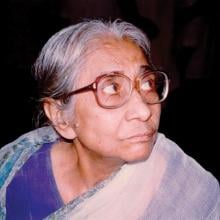
Indian organic chemist Asima Chatterjee (1917 to 2006) studied the medicinal properties of plant products, especially compounds known as vinca alkaloids.
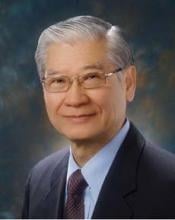
David T. Wong (born 1936) is a Hong Kong-born American neuroscientist who is best known for discovering the antidepressant drug fluoxetine, better known as Prozac.
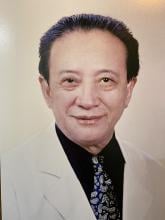
After witnessing death and suffering as a youth in his home village during World War II, Nguyễn Tài Thu (6 April 1931 – 14 February 2021) set his sights on alleviating pain by becoming a doctor. After studying Traditional Chinese Medicine in China in the 1950s, Thu returned to Vietnam to serve in military hospitals. Eventually, he became the country’s foremost practitioner of acupuncture, a technique he first learned by inserting needles into himself.

Filipino chemist and pharmacist Manuel A. Zamora (29 March 1870 – 9 July 1929) is best remembered for his discovery of the tiki-tiki formula to combat beriberi, a disease caused by Vitamin B1 deficiency.
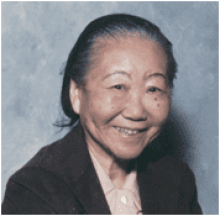
Tsai-Fan Yu (1911 – 2 March 2007) was a Chinese-American physician and researcher who was the first female full professor at Mount Sinai School of Medicine. She discovered that gout, a condition characterized by the painful inflammation of joints, was caused by elevated levels of uric acid in the bloodstream.
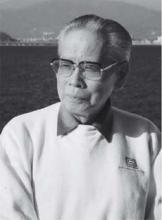
A Japanese surgeon, Tetsuzo Akutsu (20 August 1922 – 9 August 2007) built the first artificial heart capable of keeping an animal alive.
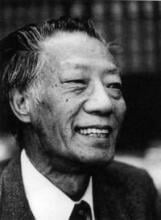
Min Chueh Chang (10 October 1908 – 5 June 1991) was a Chinese-American biologist who studied fertilization in mammalian reproduction.