
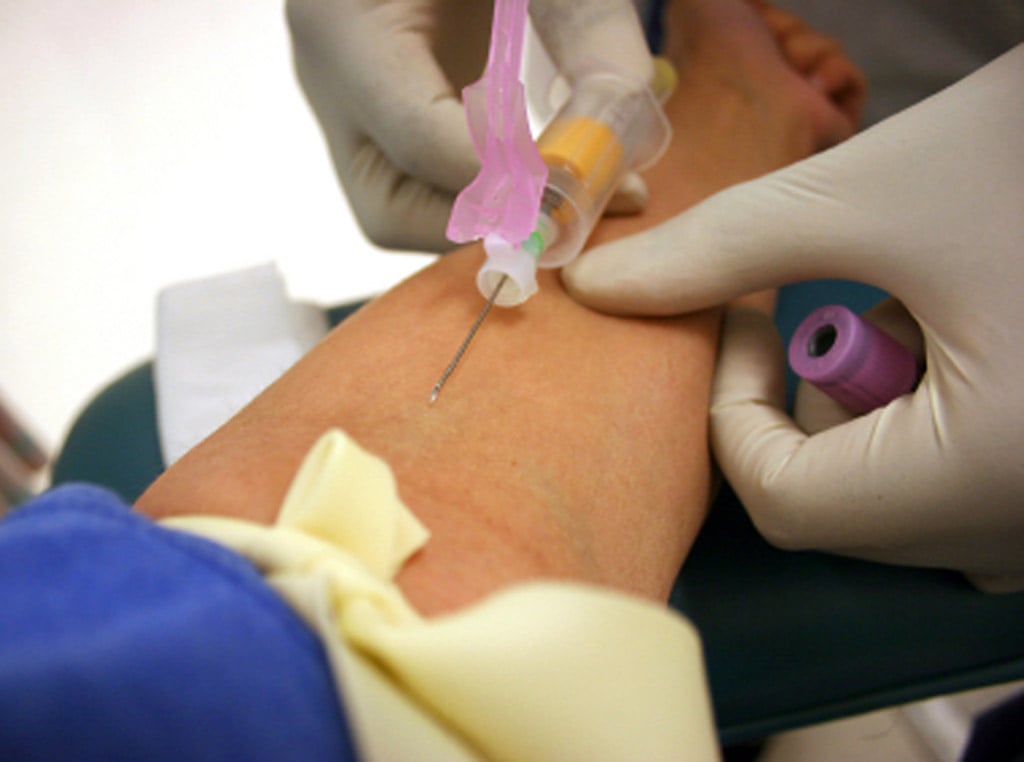
Figure 1: In the Japanese population, blood CRP levels are linked to three genes
Individuals with increased levels of C-reactive protein (CRP) in the blood are at increased risk for various diseases linked to inflammation, such as colorectal cancer and cardiovascular diseases. Now, a research team in Japan including Yukinori Okada and colleagues at the RIKEN Center for Genomic Medicine in Yokohama, reports that single-nucleotide changes in three genes can affect the blood levels of CRP in Japanese individuals[1]. Two of these genes, CRP and HNF1A, had already been found to affect Caucasians, but it was unclear if those same genes would also play a role in Japanese people.
Doctors often measure blood CRP levels in the clinic to determine a patient’s risk for inflammation-associated diseases. CRP is synthesized in the liver in response to inflammation in the body so elevated levels signal a problem, such as infectious and autoimmune diseases.
Okada and his colleagues found the three genes that were correlated with changes in blood CRP levels in a genome-wide association study (GWAS) of some 13,000 Japanese individuals (Fig. 1). Their discovery of a single-nucleotide change in the interleukin-6 (IL-6) gene in the Japanese population, however, was not detected in the GWAS of Caucasians.
The IL-6 gene encodes a pro-inflammatory cytokine, IL-6, which has been linked to a variety of immune reactions, and plays a key role in inducing fever in response to infection. Blockers of IL-6 receptor are used successfully in the clinic to reduce the severity of rheumatoid arthritis, a disease long linked to joint inflammation. “The identified variation in IL-6 could therefore be a promising target in the pharmacogenomics [matching drugs to an individual’s specific genetic variants] of IL-6 blocking therapy,” explains Okada.
The researchers also examined the blood of over 30,000 Japanese patients to determine whether or not the single-nucleotide change in IL-6 that leads to increases in blood CRP levels could affect any other hematological or biochemical markers used in medical practice. They found an increase in: white blood cells, which are involved in inflammation; platelets, which are involved in blood clotting; and serum protein levels, all of which are associated with the IL-6 gene variant that increases CRP levels. They also found a decrease in anemia-related markers.
The link between IL-6, CRP, and these blood parameters could explain why patients with elevated CRP have an increased risk for inflammation-related diseases, and, according to Okada, could provide a clue for how to move forward with personalized medicine. Okada next plans on extending the study to Africans and Caucasians.