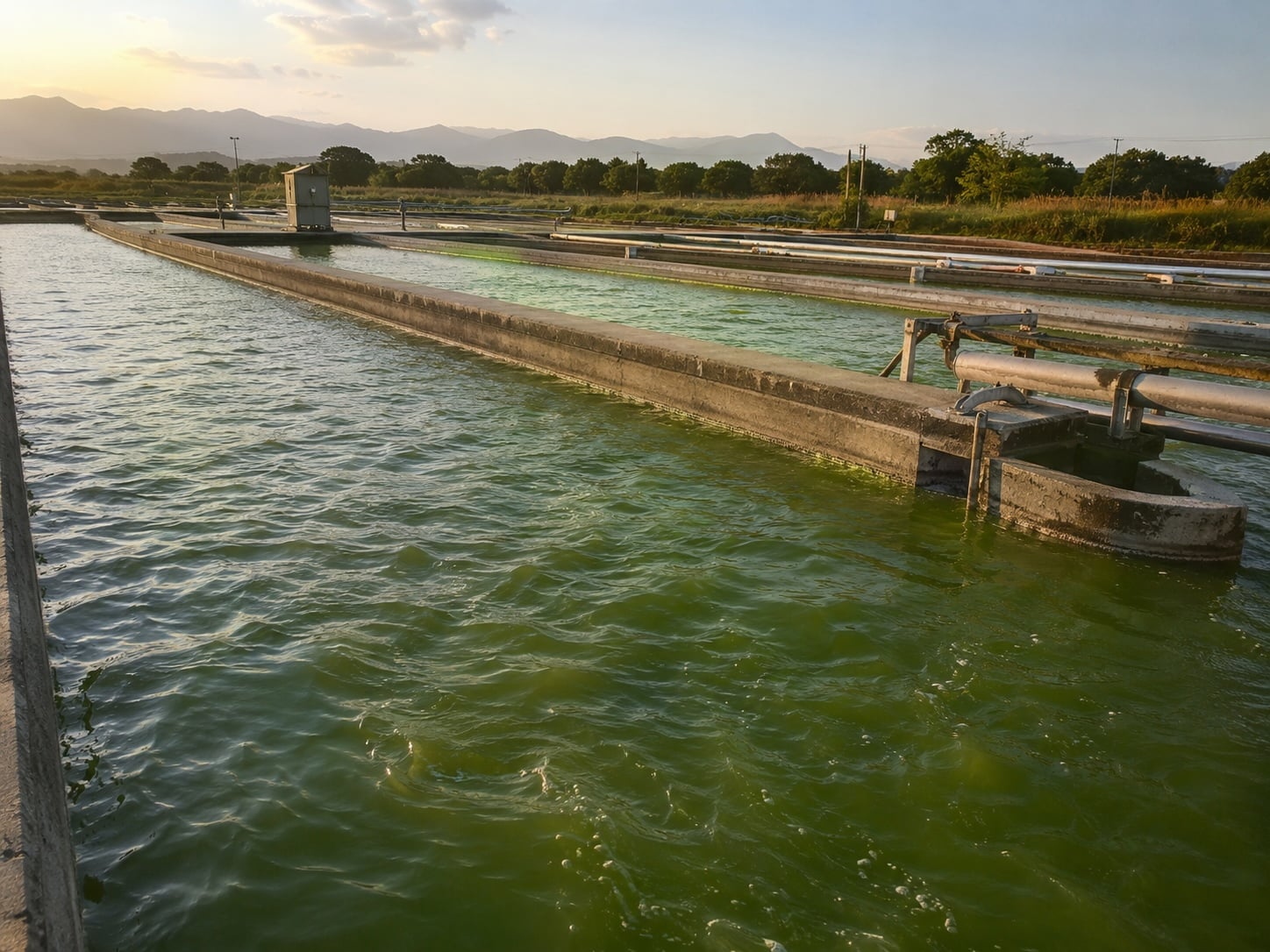
Algae cultivation offers a sustainable source of nutrient-rich oils, including ARA-enriched algae oil, for use in nutrition and functional food products.
Algae oil is increasingly used as a sustainable source of important nutrients, including polyunsaturated fatty acids that support human health and development. One important example is arachidonic acid, or ARA, which is used in nutrition products such as infant formula and functional foods.
However, crude algae oil needs to be refined before it can be used in high-quality food and nutrition applications. Two key refining steps are usually required: degumming, which removes phospholipids, and deacidification, which removes free fatty acids. Conventional refining methods can require large amounts of water, chemicals, solvents or energy, and may also reduce oil yield or affect valuable nutrients.
In a recent study, an international collaborative team from the Oil Crops Research Institute of the Chinese Academy of Agricultural Sciences, Newcastle University in Singapore, and the University of Auckland reported a more efficient enzymatic approach for refining ARA-enriched algae oil.
Published in Engineering, the study developed an immobilised phospholipase, PLA1@MCM-41-C8, that can perform both degumming and deacidification. In other words, the same enzyme system can do two important refining jobs.
The method achieved a degumming rate of 95.9% while retaining up to 97.3% of ARA in the algae oil. The acidity of the degummed oil was reduced from 14.5 to 1.1 mg KOH g⁻¹. At the same time, the process produced 29.2% high-value diacylglycerol, a functional lipid of interest in food and nutrition applications.
Importantly, the enzymatic process had minimal effect on the oil’s antioxidant stability, fatty acid composition, oil content and flavour characteristics. Compared with conventional refining, this suggests a gentler route for processing nutrient-rich algae oil while preserving its useful components.
A simple potential application is in the production of cleaner, higher-quality algae oil ingredients for nutrition products. For example, ARA-enriched algae oil is relevant to infant nutrition and other functional food formulations. A refining process that removes unwanted impurities while preserving ARA could help manufacturers improve product quality without relying heavily on harsher chemical refining steps.
The immobilised enzyme also showed improved thermostability, pH tolerance, solvent tolerance and reusability compared with free phospholipase A1. These features make the system promising for future industrial oil refining, especially where cost, stability and repeated use of enzymes are important.
The paper, “Two Birds with One Stone: Enzymatic Degumming and Deacidification for Arachidonic Acid-Enriched Algae Oil Using PLA1@MCM-41-C8”, is published in Engineering. DOI: 10.1016/j.eng.2025.11.030.
Authors and Affiliations
The study was carried out by Zhonghui Liu, Yi Zhang, Tieliang Liu, Qi Zhou, Yandaizi Zhou, Fenghong Huang and Mingming Zheng from the Oil Crops Research Institute, Chinese Academy of Agricultural Sciences, China; Kheng-Lim Goh from Newcastle University in Singapore; and Siew-Young Quek from the University of Auckland, New Zealand.
For further details, contact Dr Kheng Lim Goh at [email protected]
Advertisement