

Biology Genetics
News
13 Oct 2026
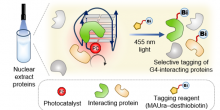
A new labeling tool reveals an unlikely candidate involved in the DNA folding process: hexokinase-1. The exciting new method can be used to determine how DNA and proteins interact.
06 Oct 2026
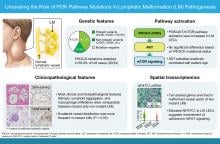
Researchers led by the University of Osaka analyzed lymphatic malformations from 34 patients and found shared molecular features regardless of whether PIK3CA mutations were detected. The PI3K/AKT/mTOR pathway was activated in malformed lymphatic vessels, while spatial transcriptomics highlighted NFATC1, associated with the calcineurin-NFAT pathway, as a possible contributor to the disease pathogenesis. The findings deepen the understanding of lymphatic malformations and may help refine existing treatments and identify new therapeutic targets.

15 Sep 2026
AI-powered cyborg cockroaches, Undiagnosed kidney disease, Plants as genetic engineers, AI and mental workload, Carnivorous plants confirm Darwin prediction, Moisture conveyor belt and Forever chemicals in furry friends. Read all in the latest Editor's Choice.
03 Sep 2026
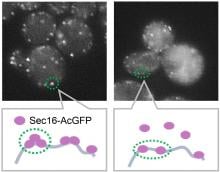
A study in budding yeast suggests that changes in membrane lipids trigger a braking system that slows internal protein transport when the endoplasmic reticulum comes under stress, comparable to modern logistics networks where shipments are slowed when distribution hubs are under stress.
02 Sep 2026
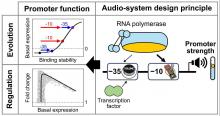
Gene regulation research mainly focuses on transcription factors. However, recent studies reveal core promoters as a critical yet overlooked component shaping the evolution and engineering of transcriptional regulation.
27 Aug 2026
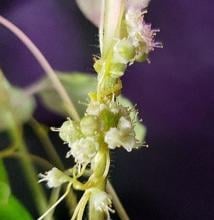
How foreign genes become permanent in parasitic plants
26 Aug 2026
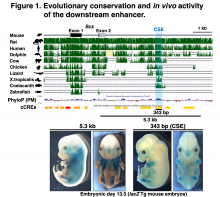
Findings strengthen the scientific basis for regenerative medicine
25 Aug 2026
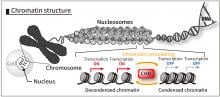
Developmental disorders, including autism, entail challenges in social life; as the number of affected individuals has risen, this has become a significant societal concern. Using a mouse model, we demonstrate that a mutation in CHD8, a gene associated with autism spectrum disorder, causes abnormal differentiation of ventral progenitor cells, leading to autistic-like behavior in adulthood. This should lead to the elucidation of mechanisms underlying autism onset during brain development and to the advancement of therapeutics.
25 Aug 2026
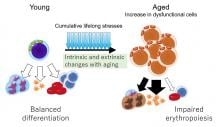
Hematopoietic stem cells can transform into any type of blood cell. However, this ability declines as we age. Recent research at Tohoku University uses AI to guide their deep dive into understanding which genes cause aging in stem cells.
07 Aug 2026
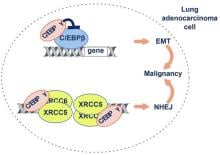
C/EBPγ coordinates cancer cell plasticity and DNA repair in lung adenocarcinoma, revealing a potential target against therapy resistance.
07 Aug 2026
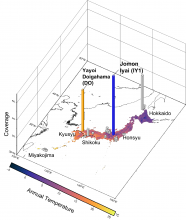
High-coverage Jomon and Yayoi genomes reveal continuity with modern Japanese, continental ancestry, and prehistoric starch adaptations in Japan.

05 Aug 2026
The flowering plant Saxifraga candelabrum has been confirmed as a new carnivorous lineage, according to research published in Nature Communications, supporting a prediction made by Charles Darwin about the plants.

16 Jul 2026
Disrupting a single enzyme gene in red perilla reshaped its metabolism, producing green plants enriched in health-promoting molecules.

12 Jun 2026
Pomacea canaliculata, commonly known as the apple snail, a pest commonly found in Hong Kong’s wetlands and farmlands, feeds on aquatic plants and deposits its eggs on terrestrial plants or stone bunds. It is listed by the International Union for Conservation of Nature (IUCN) as one of the “100 of the World's Worst Invasive Alien Species”. The Division of Science of Lingnan University and its collaborative research team analysed the genomes of the Pomacea canaliculata and its close relatives, and discovered that despite being aquatic animals, they possess the trait of terrestrial reproduction, and their egg masses also exhibit desiccation resistance, UV screening, and predator deterrence. This capability may originate from an infection by a virus during the Jurassic period, where their ancestors integrated the viral gene to evolve in their own genome, and scholars point out that this could not only provide foundational insight into how land invasion occurred, but also suggest potential avenues for developing inhibitors to eradicate the snail pest from the root. These research findings were recently published in the top international academic journal Advanced Science.
08 Jun 2026
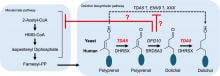
Hiroshima University researchers say a newly proposed three-step “detour” pathway for making dolichol, a molecule cells need to properly process proteins, may be more universal than scientists realized. Experiments in yeast suggest eukaryotes may rely on overlapping biochemical pathways, including the evolutionarily conserved “detour” and evidence of a possible “backup route,” to produce a molecule essential to life.
26 May 2026
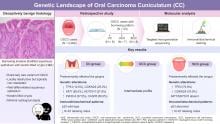
Researchers studied 23 cases of oral cancer with a burrowing growth pattern and found that rare carcinoma cuniculatum has a unique genetic fingerprint. The research found genetic alterations in FAT1, NOTCH1, PIK3CA, and CASP8, suggesting a potential explanation for its slow growth and favorable prognosis. These findings suggest that genetic testing could improve diagnosis and inform treatment decisions in oral cancer.
22 May 2026
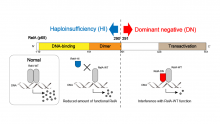
Position of a RELA mutation can shape symptoms, severity and treatment response

14 May 2026
We don’t have time to count every fish in the ocean! Environmental DNA or eDNA allows us to see where fish live by analyzing DNA in seawater – such as from shed scales or skin. This Japan-wide eDNA survey conducted by the Advanced Institute for Marine Ecosystem Change (WPI-AIMEC), Tohoku University & JAMSTEC, revealed hidden factors of the ecological niches that affect shifts in fish distributions.
14 May 2026
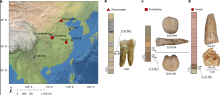
Enamel proteins from the teeth of six Homo erectus individuals that lived in China around 400,000 years ago offer insights into how ancient genetic material might have made its way into modern humans.

12 May 2026
Cellular changes affect ability to conceive
12 May 2026
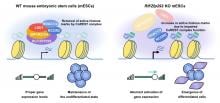
Researchers from The University of Osaka found that the zinc finger proteins RLF and ZFP292 play redundant roles in stabilizing the CoREST corepressor complex at gene promoters in embryonic stem cells. Deleting both proteins allowed the cells to differentiate, suggesting that they could be useful targets for maintaining stem cell quality.

23 Apr 2026
Researchers at Tohoku University have discovered hidden genetic damage that has been overlooked for decades, which could lead to more accurate research on aging and diseases like cancer. This groundbreaking discovery opens the door to more reliable technologies for working with DNA in the future.
31 Mar 2026
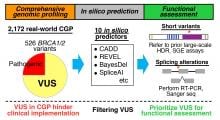
Hiroshima University researchers have developed a practical framework to identify candidate pathogenic variants hidden among the large number of variants of uncertain significance (VUS) detected in comprehensive genomic profiling (CGP) of cancers. This framework could improve the accuracy of precision oncology by more reliable prioritization of VUS.

26 Mar 2026
According to a 20-year study in mice published in Nature Communications, repeated cloning cannot be sustained indefinitely in mammals.
25 Mar 2026
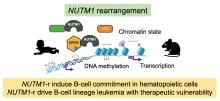
Researchers from The University of Osaka found that leukemia caused by NUTM1 rearrangements is distinguished from other forms of B-cell acute lymphoblastic leukemia (B-ALL) by a unique pattern of gene activity and gene regulation. Unlike the common form of B-ALL caused by KMT2A rearrangement, which is resistant to treatment, leukemic cells with NUTM1 rearrangements are highly sensitivity to chemotherapy.
04 Feb 2026
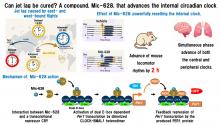
A potential breakthrough for jet lag and shift work-related sleep disorders. A Japanese research team has discovered a new compound that can advance the body’s internal clock—offering hope for faster recovery from jet lag and better adaptation to night-shift work. The compound, called Mic-628, specifically activates the transcription of a clock gene named Period1 (Per1). When given orally to mice, it advanced their body clocks and activity rhythms, regardless of dosing time. The findings suggest a new approach to controlling circadian rhythms through drug action rather than light exposure.
13 Jan 2026
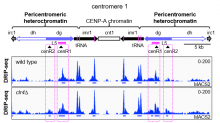
A research team at The University of Osaka revealed that the loss of heterochromatin can cause a chain reaction leading to genetic changes and the subsequent development of diseases including cancer. Using fission yeast, the study specifically found that loss of Clr4, which encodes a methyltransferase, can induce an increase in R-loop levels at pericentromeric repeats, and the later conversion of R-loops into ADR-loops can prompt gross chromosomal rearrangements.
08 Jan 2026
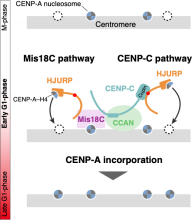
Researchers at The University of Osaka used a range of cellular techniques to show that the histone protein CENP-A can be deposited into centromeres by two independent pathways. By identifying that CENP-C can substitute for Mis18C in binding to the chaperone HJURP to prompt CENP-A deposition, they showed that there is redundancy in the process of specifying the location of the centromere on chromosomes, which is essential for mitosis and meiosis.

09 Dec 2025
Brain atlas, From perfume to plastic, Stable solar power, Plant aging switch, Anti-cancer droplets, Greener gold, Extreme star factory and How research shapes sustainability policy. Read all in the latest Editor's Choice.

30 Jul 2025
A group of researchers led by The University of Osaka have identified a novel genetic mutation in Streptococcus pyogenes, a common bacterium which causes strep throat, significantly associated with severe invasive infections. A single mutation in the bacterial ferric ion transporter enhances bacterial growth in human blood. This mutation, unique to Japanese isolates, indicates a novel pathogenic mechanism. This world-first discovery offers a potential new target for treatments and preventive measures.
Events

28 Aug 2019
The 2019 Genome Expo is scheduled to be held at UNIST from August 28 to 29, 2019.
Researchers

I am an efficient Professor able to Develop courses with IT skills & sound teaching skills in a manner attractive to students. I have vast experience in supervising postgraduate research & Contribute in a well manner to the ongoing academic development of the School’s postgraduate courses and research.
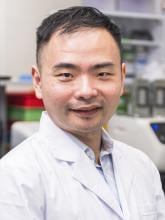
Dr. Yan is an assistant professor at the Department of Biomedical Sciences, City University of Hong Kong (CityU). His current research focuses on developing genomic tools to dissect lncRNA function and mechanism in diseases and to identify genetic variations that contribute to disease pathogenesis.
Giants in history

Irene Ayako Uchida’s (8 April 1917 – 30 July 2013) strides to understand genetic diseases such as Down syndrome paved the way for early screening of chromosomal abnormalities in foetuses.
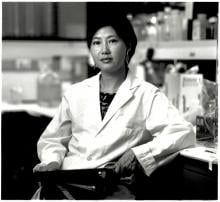
Chinese-American virologist and molecular biologist Flossie Wong-Staal (27 August 1946 – 8 July 2020) was the first scientist to clone HIV and determine the function of its genes.

Maharani Chakravorty (1937 – 2015) was one of India’s earliest molecular biologists whose research paved the way for advances in the treatment of bacterial and viral infections.

Archana Sharma (16 February 1932 - 14 January 2008) conducted research into plant and human genetics that expanded the understanding of both botany and human health. In relation to botany, she uncovered the means by which asexually-reproducing plants evolve into new species.
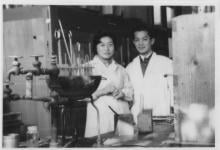
Reiji Okazaki (8 October 1930 – 1 August 1975) and Tsuneko (7 June 1933) were a Japanese couple who discovered Okazaki fragments – short sequences of DNA that are synthesized during DNA replication and linked together to form a continuous strand.

Hitoshi Kihara (1893 – 1986) was one of the most famous Japanese geneticists of the 20th century. One of his most significant contributions was identifying sex chromosomes (X and Y) in flowering plants.
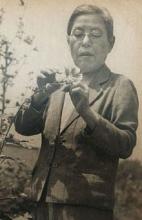
Kono Yasui (16 February 1880 – 24 March 1971) was a Japanese botanist who researched the genetics of poppies, corn and spiderworts and surveyed the plants that had been affected by the nuclear fallout after the atomic bombings of Hiroshima and Nagasaki.

Maqsudul Alam (14 December 1954 – 20 December 2014) was a biologist from Bangladesh who is renowned for his research on genome sequencing

Janaki Ammal Edavalath Kakkat (4 November 1897 – 7 February 1984) was an Indian botanist who studied plant chromosomes and genetics.

Motoo Kimura (13 November 1924 – 13 November 1994) was a Japanese theoretical population geneticist who is best remembered for developing the neutral theory of molecular evolution.

Eminent Filipina scientist and educator Clara Lim-Sylianco (18 August 1925 – 23 July 2013) is remembered for her extensive research on mutagens – often-carcinogenic agents that permanently alter genetic materials such as DNA – antimutagens and bioorganic mechanisms.

In his over 30 year career in rice research, Munshi Siddique Ahmad (1924 – 19 October 2011) developed more than 30 varieties of high-yielding rice, including the BRRI Shail strain, which was responsible for increasing the rice production of Bangladesh from 8 million tonnes in 1965 to 20 million tonnes in 1975.
Tsuneko (7 June 1933) and Reiji Okazaki (8 October 1930 – 1 August 1975) were a Japanese couple who discovered Okazaki fragments – short sequences of DNA that are synthesized during DNA replication and linked together to form a continuous strand.