
Reporting on the world’s biggest killers
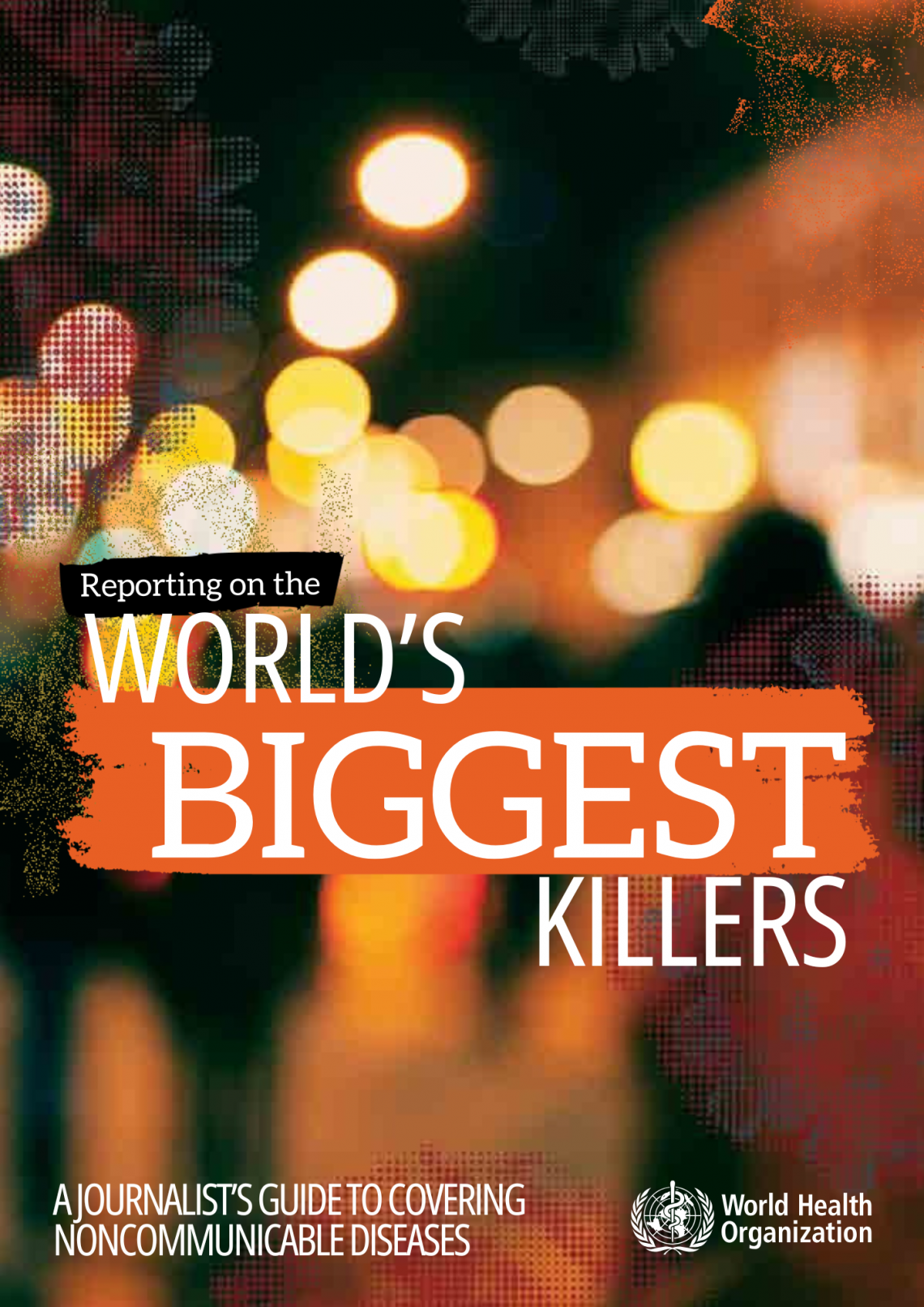
Cover of Reporting on the world’s biggest killers: a journalist’s guide to covering noncommunicable diseases.
The World Health Organisation (WHO) has published a guide for reporters covering noncommunicable diseases (NCDs). The document titled, Reporting on the world’s biggest killers: a journalist’s guide to covering noncommunicable diseases, details how NCDs cost lives, what can be done and why it deserves media attention.
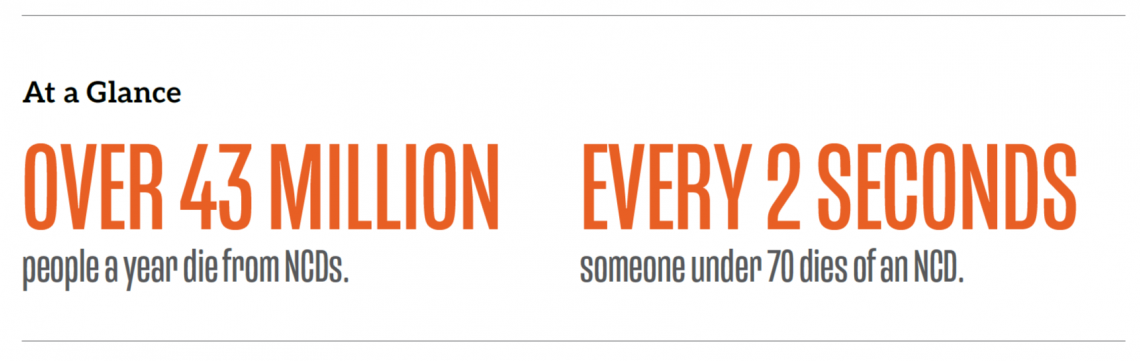
NCDs include various chronic illnesses and conditions such as heart and lung diseases, cancer and diabetes. Altogether NCDs account for 74% of deaths worldwide1, with the majority in low- and middle-income countries, according to WHO. Up to 80% of them are preventable. The risk factors known to cause NDCs are: tobacco, alcohol, lack of physical activity, diets and air pollution.
The guide, prepared “with journalists and for journalists” aims to help reporters find ways to cover the “invisible” topic, when compared to pandemics and emergencies, as part of regular news agenda.
“The media are not bystanders in the fight against NCDs; they are partners in protecting health,” Dr Gaya Gamhewage, Director of Communications, WHO, says in the report.
During the launch event organised by WHO, a panel of speakers highlighted some of the achievements and challenges of reporting on the subject.
Dr Robert Totanes, an economist at WHO, said that the prevention and control of NCDs are under-funded and its economic impacts under-reported. He also pointed out that measures by different government bodies such as implementing taxation, regulating labelling/packaging and launching educational campaigns, are necessary in combatting NCDs.
Elaine Ruth Fletcher, the editor-in-chief at Health Policy Watch said that reporting on the subject is “not like a parasite causing a disease” and since the challenges of NCDs cross various policy areas, journalists need to bring in different sectors for an insightful story.
Chetan Bhattacharji, a journalist based in India, said that a shortage of the number of health reporters makes it difficult to cover a wide-ranging scope of NCDs. He added it is important to have organisations such as WHO, where the public can access stories and science behind NCDs.
The guide is published by WHO with support from journalists, media experts, NGOs and Bloomberg Philanthropies.
---
Reporting on the world’s biggest killers: a journalist’s guide to covering noncommunicable diseases: https://www.who.int/publications/i/item/9789240115873
1 https://www.who.int/health-topics/noncommunicable-diseases#tab=tab_1