
Japan
News
16 Jul 2010
RIKEN
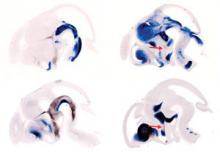
A large-scale genetic analysis provides a molecular atlas of a complex brain structure, the hypothalamus
16 Jul 2010
RIKEN
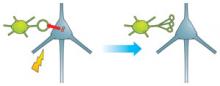
The maturation of inhibitory synapses in the visual cortex is modulated by visual experience
16 Jul 2010
RIKEN
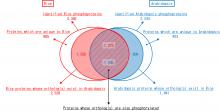
A database released by RIKEN and Keio University researchers has information on over three thousand phosphorylated proteins and phosphorylation sites in rice which opens new doors in the study and engineering of plants.
13 Jul 2010
RIKEN
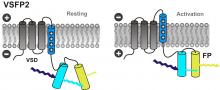
Tokyo, 13 July - RIKEN scientists have developed a genetically-encoded fluorescent sensor that can act as a direct optical indicator of signaling activity in the living brain.

09 Jul 2010
RIKEN
A large-scale genetic screen reveals a factor that makes rheumatoid arthritis patients’ joints vulnerable to immune attack
09 Jul 2010
RIKEN
Sheets of cells stick together by monitoring and responding to the pull of their neighbors
02 Jul 2010
RIKEN
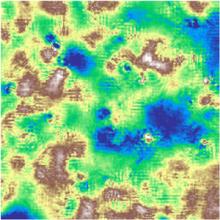
Interference patterns made by wave-like electrons reveal that tiny atomic magnets are critical to iron-based superconductors
02 Jul 2010
RIKEN
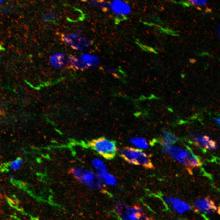
The discovery that secreted protein Ecrg4 slows neural precursor cell division during aging could point the way to treatments for age-related diseases
02 Jul 2010
RIKEN
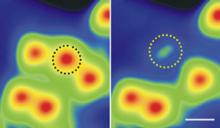
Single water molecules can now be sliced into different atomic components, thanks to the electronic properties of ultrathin oxide films
01 Jul 2010
RIKEN
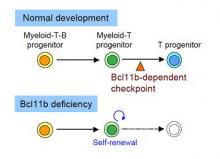
Tokyo, 1 July - A research team in Japan has linked a developmental checkpoint in the differentiation of hematopoietic progenitors into specific T cell lineages to the activity of a single gene encoding a transcription factor. Reported in Science this week, the discovery lends support to a new model for the development of blood cells lineages.

26 Jun 2010
Waseda University
On May 28, 2010, a symposium and panel discussion commemorating the U.S.-Japan Security Treaty was hosted by the US-Japan Research Institute, a US-registered NPO (The Chair: Katsuhiko Shirai, President, Waseda University) co-founded in Washington, D.C. by Waseda University and so on.
26 Jun 2010
Waseda University
The family change that Japanese aimed for was a change from the traditional family system before the war to a democratic, modern family after the war, modeled on the American family—called a nuclear family.
26 Jun 2010
Waseda University
OPINION - It was last autumn that I got interested in that vehicle. One day, I suddenly developed a symptom that was beyond my receptive threshold, just like hay fever.
26 Jun 2010
Waseda University
The findings from this research may uncover the causes of spermatogenesis impairment, which is regarded as a major factor of male infertility; thus, contributing to the advancement of reproductive medicine.
25 Jun 2010
RIKEN
The interaction between dense galaxy clusters and large-scale cosmic structures leads to intense shock waves that illustrate the evolution of the universe
25 Jun 2010
RIKEN
High-performance neuroprosthetic devices may result from a new technique for recording neuronal activity
25 Jun 2010
RIKEN
Fluorescent unnatural base pairs light up the structures of DNA and RNA chains with minimal disturbance
22 Jun 2010
RIKEN
The giraffe’s neck, the elephant’s trunk, the bat’s wing and the turtle’s shell – what do these evolutionary innovations all have in common?
18 Jun 2010
RIKEN
Pioneering work on the immune system in our gut reveals the important role of intestinal ‘microfold’ cells in the functioning of our immune system.
18 Jun 2010
RIKEN
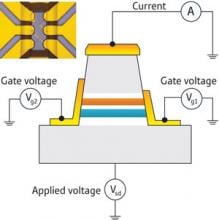
Artificial ‘molecules’ with an asymmetric structure can control the flow of electrons in semiconductor materials
18 Jun 2010
RIKEN
The discovery of novel risk factors for osteoarthritis illuminates a probable role for the immune system in the pathology of this joint disorder
17 Jun 2010
RIKEN
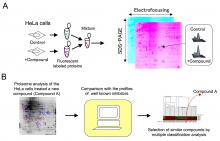
Tokyo, 17 June - Researchers at the RIKEN have demonstrated that a technique for tagging and profiling proteins can be used to accurately classify anti-cancer drugs based on the molecules they target. The technique promises to accelerate the process of proteomic profiling and contribute to more effective drug discovery.
14 Jun 2010
RIKEN
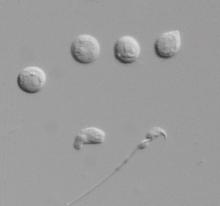
Researchers at the RIKEN BioResource Center are storing and restoring life from preserved gene lines.
14 Jun 2010
RIKEN
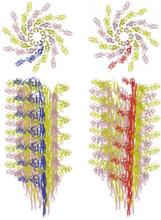
Motile bacteria switch between swimming patterns through conformational changes of a constituent protein of the propeller-like flagellum
14 Jun 2010
RIKEN
Radioactively labeled drugs can track inflammation in the brain
14 Jun 2010
RIKEN
Fresh insights into the workings of the ‘internal timetable’ of plants could ultimately guide the engineering of hardier, faster-growing crops
13 Jun 2010
RIKEN
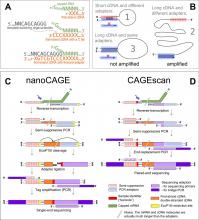
Tokyo, 13 June - Researchers in Japan and Italy have developed new methods for biological analysis with dramatically higher sensitivity and detail than earlier techniques, expanding our understanding of RNA and its function in the cell. The methods open the door to the study of diseases well beyond the reach of current technologies.
13 Jun 2010
RIKEN
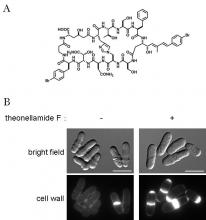
Tokyo, 13 June - A research team in Japan has uncovered the mechanism underlying the antifungal activity of theonellamide (TNM), a bioactive compound found in a species of marine sponge. The finding provides new insights toward the development of antifungal drugs, with broader applications to drug analysis in areas such as cancer research.
08 Jun 2010
RIKEN
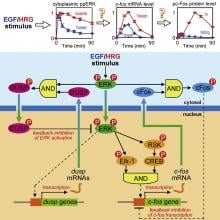
Tokyo, 8 June - Critical missing links in a signaling-transcription cascade responsible for pivotal cell-fate decisions have been described for the first time in a paper in Cell.
Researchers
Sorry, no researchers coming up for this topic.
Giants in history

Japanese biochemist Akira Endo (1933 – 2024) discovered the first statin, called mevastatin, which lowered cholesterol levels in the blood by inhibiting a key enzyme in the cholesterol biosynthesis pathway. His work laid the foundation for the development of statins to help patients lower their blood cholesterol levels and reduce their risk of heart disease or stroke.
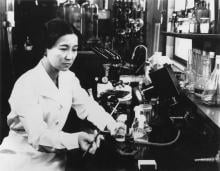
Ruby Sakae Hirose (1904 – 1960) was a Japanese-American scientist whose research contributed significantly to our understanding of blood clotting, allergies and cancer.
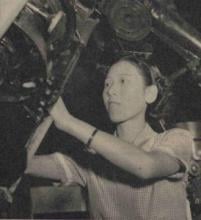
Haisako Koyama (1916 – 1997) was a Japanese solar observer whose dedication to recording sunspots – cooler parts of the sun’s surface that appear dark – produced a sunspot record of historic importance.
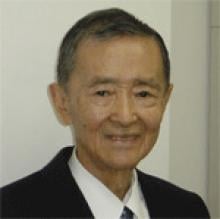
Michiaki Takahashi (17 February 1928 – 16 December 2013) was a Japanese virologist who developed the first chickenpox vaccine.
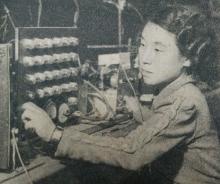
Toshiko Yuasa (11 December 1909 – 1 February 1980) was the first Japanese female physicist whose research on radioactivity shed light on beta decay – the process in which an atom emits a beta particle (electron) and turns into a different element.
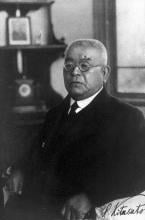
Baron Kitasato Shibasaburo (29 January 1856 – 13 June 1931) was a Japanese physician and bacteriologist whose work led to a new understanding of preventing and treating tetanus, diphtheria and anthrax.
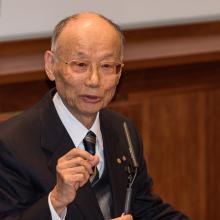
By isolating soil microorganisms and studying the compounds they produce, Satoshi Omura (born 1935) discovered almost 500 organic compounds with unique properties that were produced by these microorganisms, including many new antibiotics.
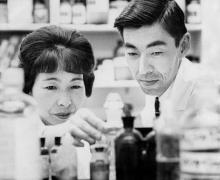
Husband and wife team, Kimishige (3 December 1925 – 6 July 2018) and Teruko Ishizaka (28 September 1926 – 4 June 2019) discovered the antibody class Immunoglobulin E (IgE) that triggers allergic reactions. They also discovered that IgE antibodies attach to white blood cells, known as mast cells, releasing histamine, which causes allergic reactions.
Husband and wife team, Kimishige (3 December 1925 – 6 July 2018) and Teruko Ishizaka (28 September 1926 – 4 June 2019) discovered the antibody class Immunoglobulin E (IgE) that triggers allergic reactions. They also discovered that IgE antibodies attach to white blood cells, known as mast cells, releasing histamine, which causes allergic reactions.
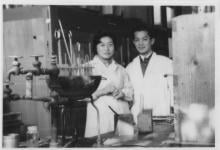
Reiji Okazaki (8 October 1930 – 1 August 1975) and Tsuneko (7 June 1933) were a Japanese couple who discovered Okazaki fragments – short sequences of DNA that are synthesized during DNA replication and linked together to form a continuous strand.
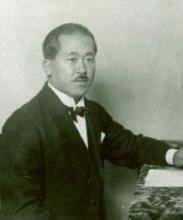
In 1915, Koichi Ichikawa along with pathologist Katsusaburo Yamagiwa became the first to prove that chronic exposure to chemicals can cause cancer.
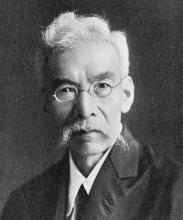
In 1915, pathologist Katsusaburo Yamagiwa and his research assistant Koichi Ichikawa became the first to prove that chronic exposure to chemicals can cause cancer.
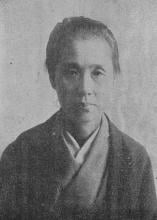
Ogino Ginko (3 March 1851 – 23 June 1913) was the first registered female doctor to practise modern medicine in Japan.
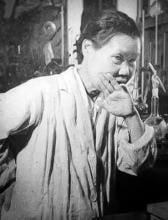
Michiyo Tsujimura (17 September 1888 – 1 June 1969) was a Japanese agricultural scientist and biochemist recognized for her research of green tea components.
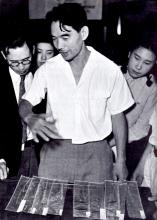
Hitoshi Kihara (1893 – 1986) was one of the most famous Japanese geneticists of the 20th century. One of his most significant contributions was identifying sex chromosomes (X and Y) in flowering plants.
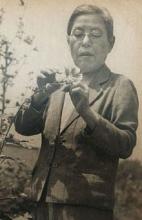
Kono Yasui (16 February 1880 – 24 March 1971) was a Japanese botanist who researched the genetics of poppies, corn and spiderworts and surveyed the plants that had been affected by the nuclear fallout after the atomic bombings of Hiroshima and Nagasaki.
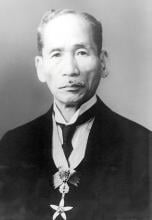
Umetaro Suzuki (7 April 1874 – 20 September 1943) was a Japanese scientist best remembered for his research on beriberi, a disease caused by vitamin B1 deficiency, characterized by limb stiffness, paralysis and pain.
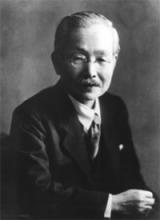
Kikunae Ikeda (8 October 1864 – 3 May 1936) was a Japanese chemist who discovered the fifth basic taste, umami.
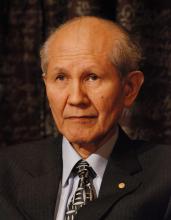
Osamu Shimomura (27 August 1928 – 19 October 2018) was a Japanese organic chemist and marine biologist who dedicated his career to understanding how organisms emitted light.
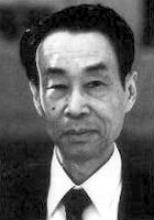
Motoo Kimura (13 November 1924 – 13 November 1994) was a Japanese theoretical population geneticist who is best remembered for developing the neutral theory of molecular evolution.
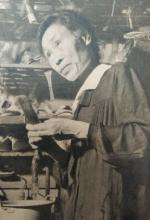
Chika Kuroda (24 March 1884 – 8 November 1968) was a Japanese chemist whose research focussed on the structures of natural pigments.
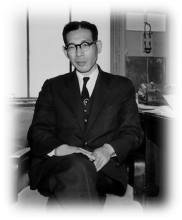
The field of solid-state ionics originated in Europe, but Takehiko Takahashi of Nagoya University in Japan was the first to coin the term ‘solid ionics’ in 1967. ‘Solid-state ionics’ first appeared in 1971 in another of his papers, and was likely a play on ‘solid-state electronics’, another rapidly growing field at the time.
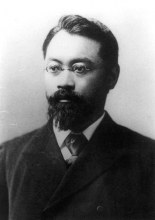
The techniques that make industrial pearl culturing possible were developed over a century ago at the Misaki Marine Biological Station in Japan. The station’s first director, Professor Kakichi Mitsukuri, emphasized to Kokichi Mikimoto in 1890 that stimulating pearl sac formation was important for pearl growth, and they went on to successfully develop methods for culturing pearls.
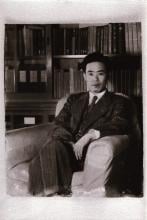
Japanese physicist Ukichiro Nakaya (1900-1962) made the world’s first artificial snowflakes. He started his research on snow crystals in the early 1930s at Hokkaido University, where there is an unlimited supply of natural snow in winter. By taking over 3,000 photographs, he established a classification of natural snow crystals and described their relationship with weather conditions.
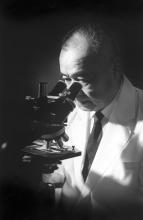
Minoru Shirota (April 23, 1899 – March 10, 1982) was a Japanese microbiologist who invented the popular fermented drink Yakult.
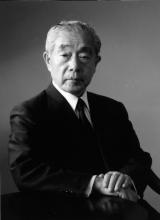
Japanese chemist Kenichi Fukui (4 October 1918 – 9 January 1998) was the first Asian scientist to be awarded the Nobel Prize in Chemistry. Together with Roald Hoffman, he received this honour in 1981 for his independent research into the mechanisms of chemical reactions.
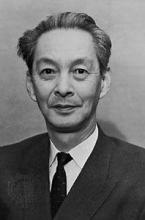
Shinichiro Tomonaga (31 March 1906 – 8 July 1979), together with Richard Feynman and Julian Schwinger, was awarded the Nobel Prize in Physics in 1965, for their contributions to advance the field of quantum electrodynamics. Tomonaga was also a strong proponent of peace, who actively campaigned against the proliferation of nuclear weapons and promoted the peaceful use of nuclear energy.
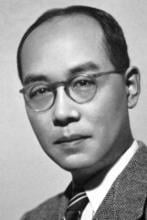
Hideki Yukawa (23 January 1907 – 8 September 1981) was awarded the Nobel Prize in Physics in 1949 for predicting the existence of the pi meson subatomic particle. Japan’s first Nobel laureate, Yakawa also expressed his support for nuclear disarmament by signing the Russell–Einstein Manifesto in 1955.
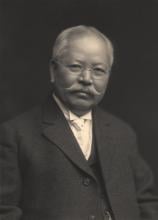
Japanese chemist Takamine Jokichi (3 November 1854 – 22 July 1922) founded the Tokyo Artificial Fertilizer Company, where he isolated a starch-digesting enzyme (named takadiastase) from the fungus Aspergillus oryzae.
Tsuneko (7 June 1933) and Reiji Okazaki (8 October 1930 – 1 August 1975) were a Japanese couple who discovered Okazaki fragments – short sequences of DNA that are synthesized during DNA replication and linked together to form a continuous strand.
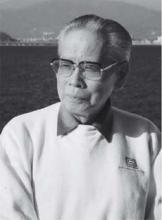
A Japanese surgeon, Tetsuzo Akutsu (20 August 1922 – 9 August 2007) built the first artificial heart capable of keeping an animal alive.
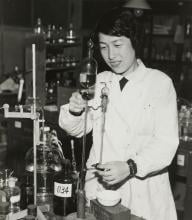
Japanese geochemist Katsuko Saruhashi developed the first method and tools for measuring carbon dioxide in seawater