
Biology Biotechnology
News

12 Nov 2026
Nanjing University researchers develop a sensitive method to detect overlooked biological effects of complex chemical mixtures in water.
11 Nov 2026
Okinawa rail embryo successfully developed after artificial insemination using frozen-thawed sperm
04 Nov 2026
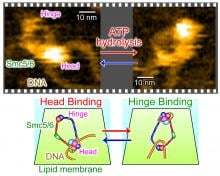
Researchers at Kanazawa University and the National Institute of Genetics in Japan have used high-speed atomic force
microscopy to observe how a group of proteins known as Smc5/6 interacts with DNA. The images reveal how this structure opens and closes, captures DNA and brings separate sections together. The researchers also observed Smc5/6 holding twisted sections of DNA in place, producing more tightly packed arrangements. The findings provide new insights into the molecular processes that contribute to the maintenance and repair of genetic material.
27 Oct 2026
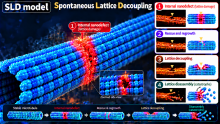
Researchers at the Nano Life Science Institute (WPI-NanoLSI) at Kanazawa University have discovered that tiny structural defects can trigger the breakdown of microtubules, the microscopic structures that help cells maintain their shape, transport materials and divide. Using high-speed atomic force microscopy, the team observed how these defects develop and sometimes cause microtubules to collapse, even in the presence of paclitaxel, a widely used cancer drug that stabilizes them. The findings, published in ACS Nano, challenge the conventional view that microtubule breakdown begins primarily at their ends and offer new insights into the structural processes that may influence responses to cancer treatment.

28 Sep 2026
To address the challenges faced by spatial omics, a research team led by Professor Shi Peng from the Department of Biomedical Engineering in College of Biomedicine at City University of Hong Kong (CityUHK) has presented Spectrum-FISH, a sequencing-free and amplification-free approach for the spatial analysis of tissue.
19 Aug 2026
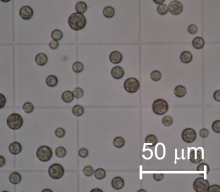
In a global first, Hiroshima University researchers demonstrate that food processing liquid waste can be used and reused to produce two omega-3 fatty acids by the cultivation of Aurantiochytrium sp., a marine microorganism.
19 Aug 2026
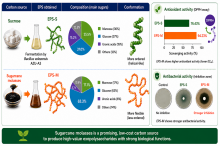
Feeding bacteria a cheap agricultural by-product enables the production of high-value biomaterials with promising biomedical and industrial applications.
17 Aug 2026
Researchers from Tohoku University and the University of Tokyo developed groundbreaking technology, earning a place among the Milestone 2 Awardee teams recognized in the XPRIZE Healthspan Competition.

16 Jul 2026
Early rice gets the flower, Exercising against cancer, Efficient artificial photosynthesis, New “living pink rocks”, Unlocking megathrust earthquakes, Longevity protein demystified and Death gene paradox. Read all in the latest Editor's Choice.

16 Jul 2026
Disrupting a single enzyme gene in red perilla reshaped its metabolism, producing green plants enriched in health-promoting molecules.

06 Jul 2026
Hiroshima University researchers have demonstrated a proof of concept for the mass-production of genome-edited T cells that can be used to treat malignant tumors, using a genetic engineering technique called Platinum TALEN.

15 May 2026
DeepTYLCV: An interpretable and experimentally validated AI model for predicting virulence of different tomato yellow leaf curl virus strains
27 Apr 2026
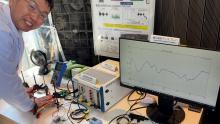
Researchers from The University of Osaka have demonstrated that a wireless electroencephalogram transmission system can operate using energy harvested from the temperature difference between the human body and the ambient air. The low-power device successfully operated outdoors at high temperatures, demonstrating stable performance without external power or airflow. This technology could enable the development of maintenance-free sensing systems for health monitoring and infrastructure applications in the future.
16 Mar 2026
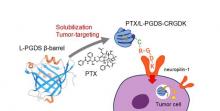
Through protein binding, molecular heavy drugs are effectively transported to cancerous tissues

21 Jan 2026
A fast and efficient tool could change the way researchers collect tiny therapeutic packages from cell cultures, offering a low-cost approach that avoids lengthy processing and complex procedures.

20 Jan 2026
From icy seas to humid forests, research collaborations between the United Kingdom and Malaysia are helping to advance our understanding of diseases, develop vaccines and antibiotics, preserve precious habitats and address the challenge of plastic waste.

22 Dec 2025
A research team at the Nano Life Science Institute (WPI-NanoLSI) and the Faculty of Medicine at Kanazawa University has developed a new class of engineered extracellular vesicles (EVs) capable of inducing antigen-specific regulatory T cells (Tregs), the immune cells that play a central role in suppressing excessive immune responses. The findings, now published in Drug Delivery, may pave the way for next-generation therapies for autoimmune and allergic diseases, where unwanted immune activation must be precisely controlled.

15 Dec 2025
Mutated baker’s yeast at the forefront of alternative 2,3-butanediol production methods
02 Dec 2025
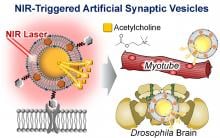
Researchers at the Nano Life Science Institute (WPI-NanoLSI), Kanazawa University, report in ACS Nano the successful creation of artificial synaptic vesicles that can be remotely controlled by near-infrared (NIR) light. By embedding a phthalocyanine dye into lipid bilayers, the team achieved local heating that modulates membrane permeability, enabling precise release of neurotransmitters such as acetylcholine. These findings demonstrate that nanoscale heating can control communication between nerve cells.
The work opens new avenues for non-genetic modulation of neuronal activity, with potential applications in neuroscience, drug delivery, and bioengineering.
02 Dec 2025
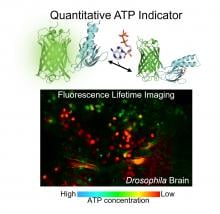
Researchers at the Nano Life Science Institute (WPI-NanoLSI), Kanazawa University, have developed a breakthrough method for quantitative imaging of ATP levels inside living cells. The study, published in Nature Communications, introduces qMaLioffG, a genetically encoded fluorescence lifetime indicator that allows scientists to observe how cells produce and consume energy in real time.

14 Nov 2025
Untangling cosmic knots, Samurai jellyfish, Controlling rogue antibodies, Search for anti-ulcer vaccine & Metal-recovering yeast. Plus next SciCom coffee talk on experiences in science journalism in the AI era and WHO guide to reporting on non communicable diseases. Read all in the latest Editor's Choice.
28 Oct 2025
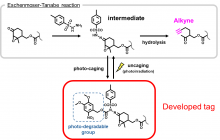
Researchers at The University of Osaka and The University of Tokyo developed a photoactivatable alkyne tag that enables stable, selective visualization of biomolecules inside living cells. The technology would contribute to reveal previously unseen molecular communication, paving the way for advances in cell biology and drug discovery.

17 Oct 2025
Modified yeast developed to efficiently adsorb targeted elements from solutions
18 Sep 2025
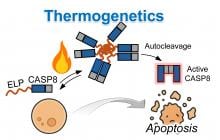
Researchers at the Nano Life Science Institute (WPI-NanoLSI), Kanazawa University, report in ACS Nano, how proteins in cells can be controllably activated through heating, an effect that can be used to initiate programmed cell death.
16 Sep 2025
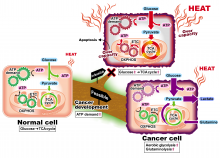
Researchers at The University of Osaka and Kanazawa University have developed a novel method for analyzing cancer metabolism, revealing new insights into cancer's inefficient energy process. This breakthrough, published in Metabolic Engineering, combines biological experiments with advanced information science techniques to uncover the role of cancer-specific inefficient metabolism.

26 Aug 2025
Changing the interval between fertility drugs boosts fertility even in rats that typically respond poorly

21 Jul 2025
Echoes of grief, Unexpected mineral, Insulin on edge, Fingerprinting bacteria, Beefing up taste & Power of glass. Read all in the latest Editor's Choice

15 Jul 2025
Protein aggregation inhibitor shows lower levels of cell death and paralysis in mice with acute strokes

17 Jun 2025
Improved production of compounds from methanol and Komagataella phaffii yeast achieved through DNA alteration

10 Jun 2025
The stem cell-based embryo model and actual human embryos share many characteristics but are distinctly different. However, internationally, not everyone agrees on the definitions and what we should and should not do in using this research model.
Events
Sorry, nothing coming up for this discipline
Researchers
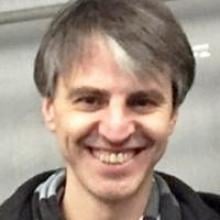
Dr Fabien Grasset is a Research Director at the Centre national de la recherche scientifique (CNRS) and currently serving as Director of Research for Rennes Institute of Chemical Sciences (ISCR). His areas of expertise include materials chemistry, solid-state chemistry, nanotechnology, nanoparticles, optical coatings and thin films.
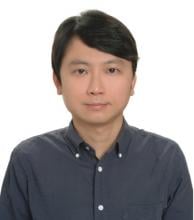
Dr. Zong-Hong Lin is a Professor at the Institute of Biomedical Engineering, National Tsing Hua University and at the Department of Biomedical Engineering, National Taiwan University.
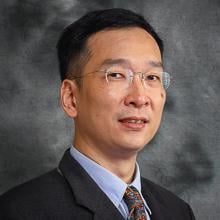
Dr. Cheng-Siang Tan is an Associate Professor at the Faculty of Medicine and Health Sciences, Universiti Malaysia Sarawak (UNIMAS). He is an expert in infectious and emerging diseases and biosafety and biorisk management.
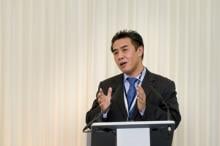
Dr. So Iwata is a Professor at the Graduate School of Medicine Kyoto University and the Group Director of the SACLA Science Research Group, RIKEN SPring-8 Center. He has investigated how specialized membrane channels remove antimicrobial drugs from inside bacterial cells.
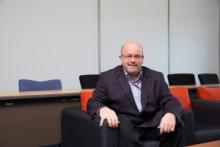
Dr. Mitchell is a professor at the Department of Biological Sciences, Ulsan National Institute of Science and Technology (UNIST). His primary research interest is the study of bacterial strains that attack and prey on other bacteria, including antimicrobial-resistant pathogens.

Department of Microbiology / Biomolecular Sciences
Universiti Teknologi MARA
Malaysia
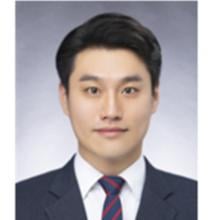
Dr. Wookbong Kwon is currently a postdoctoral researcher at the Division of Biotechnology of Daegu Gyeongbuk Institute of Science and Technology (DGIST)

Dr. Tengku Haziyamin Tengku Abdul Hamid's recent discovery of a novel strain has enabled a new patent to be drafted and was awarded gold medal in Malaysian Technology Expo 2021 for his new probiotic prototype called ProAquaVcare.
Frederico Castelo Ferreira's current research interest balances between fundamental and applied research, with potential translation into the market of sustainable products and processes.
Ana Carina Manjua's current PhD work is in the design and fabrication of a biological inspired artificial microfluid platform for drug screening.
Associate Professor Hajin Kim is a biomedical engineer at the Single Molecule Biophysics Laboratory, Ulsan National Institute of Science and Technology, South Korea.
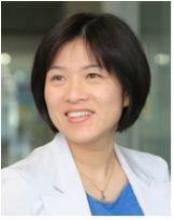
Yoon-Kyoung Cho is currently a group leader in the Center for Soft and Living Matter at the Institute for Basic Science (IBS) and a full professor in the Department of Biomedical Engineering at Ulsan National Institute of Science and Technology (UNIST) in the Republic of Korea.
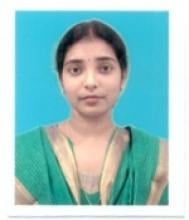
Dr NK Prasanna is currently working as Principal Scientist & Editor, Indian Journal of Biochemistry & Biophysics, Research Journals Division at CSIR-National Institute of Science Communication and Policy Research, New Delhi. Before joining CSIR (NIScPR), she was at IIT Guwahati. Dr Prasanna completed her Ph.D from Institute of Medical Sciences, Banaras Hindu University, Varanasi.
In CSIR-NIScPR, She served one important flagship journals viz. Indian journal of Biochemistry and Biophysics (IJBB; ISSN: 0301-1208). IJBB is a premier Scopus-indexed monthly peer-reviewed research journal that publishes original research articles in the subject area of biochemistry and biophysics

Aparna B. Gunjal is a microbiologist at Dr. D.Y. Patil, Arts, Commerce & Science College, India.

Michitaka Notaguchi is an assistant professor at the Bioscience and Biotechnology Center, Nagoya University, Japan.
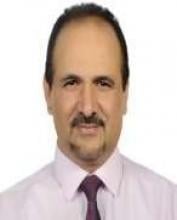
Professor and Head of Microbiology and Immunology Department,
Faculty of Medicine, Lincoln University College (LUC) Malaysia.
Giants in history
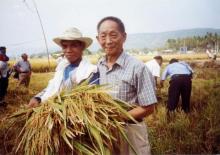
Chinese agronomist Yuan Longping (7 September 1930 – 22 May 2021) developed the first varieties of the high-yield, hybrid rice that brought food security to multiple countries including China, which had been ravaged by food shortages as recently as the mid-20th century.

Filipina chemist María Orosa (29 November 1892–13 February 1945) fought malnutrition and food insecurity in the Philippines by devising over 700 culinary creations including Soyalac, a nutrient rich drink made from soybeans, and Darak, rice cookies packed with Vitamin B1, which could prevent beriberi disease caused by Vitamin B1 deficiency. She was also a partisan of the guerrilla movement resisting Japanese occupation during World War II, and died after being struck by shrapnel while working in her laboratory during the Battle of Manila.
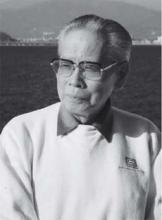
A Japanese surgeon, Tetsuzo Akutsu (20 August 1922 – 9 August 2007) built the first artificial heart capable of keeping an animal alive.