
This story is featured in the Asia Research News 2026 magazine. Book space in the next issue now.
Get the news in your inbox
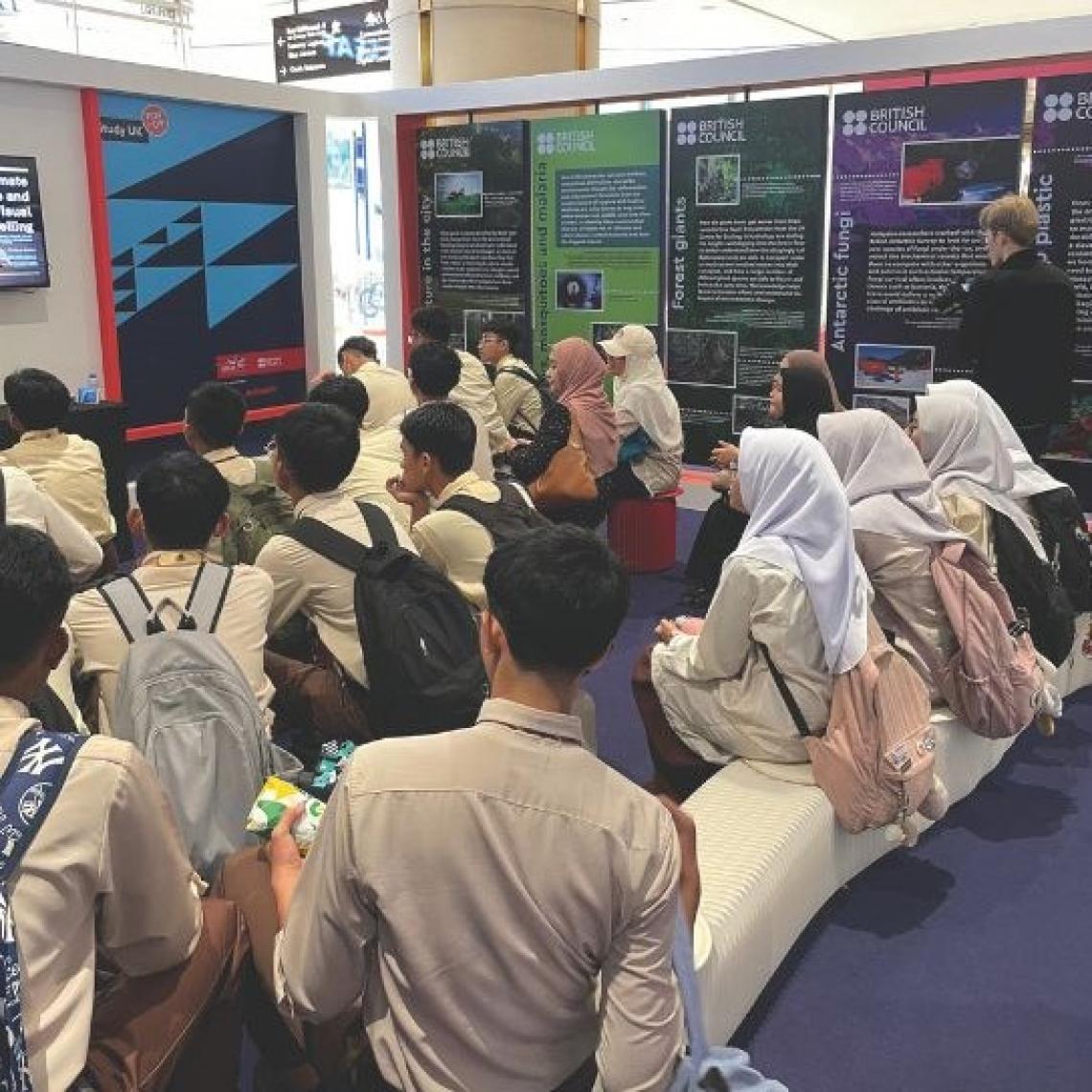
Students listening to a talk at the Pop-Up Study UK exhibition, with panels prepared by Asia Research News in the background.
British Council Malaysia
For over 90 years, the British Council has worked with partners in education, culture, and government in over 100 countries, to build connections, deepen understanding, and create opportunities. The Malaysia office was established in 1948 and has since supported a wide range of programmes, bringing together key stakeholders in education, science, research, and culture to build collaborative bridges between Malaysia, the United Kingdom, and the region.
Monkeys, mosquitoes, and malaria
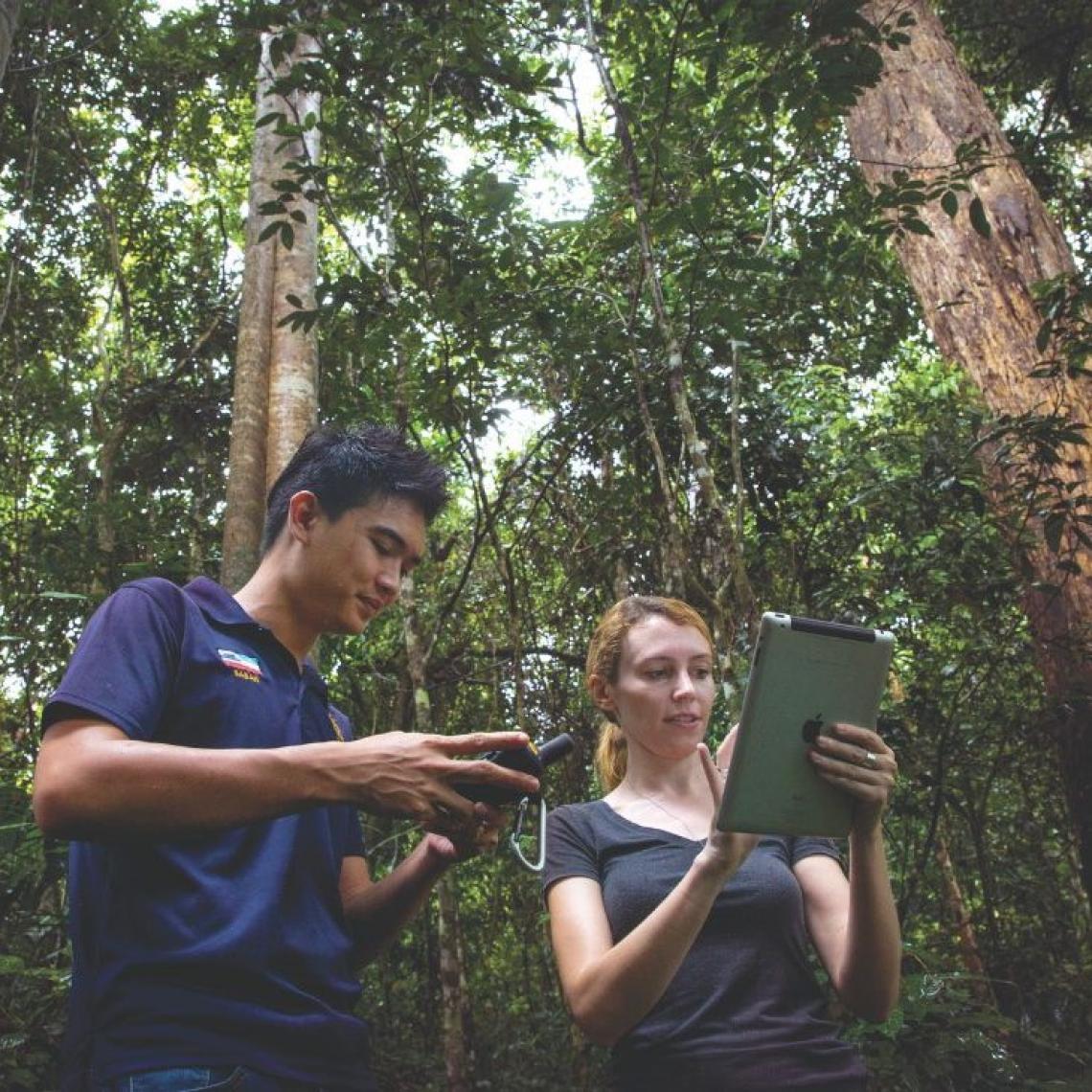
The malaria parasite Plasmodium infected around 263 million people in 2023, causing nearly 600,000 deaths, most of which were in children. Of the five known species of Plasmodium, one species — Plasmodium knowlesi — is the most common cause of the disease in Malaysia, spread from monkeys to humans by the Anopheles mosquito.
Scientists have been working to understand the dynamic between monkeys, mosquitoes, and humans and how the interaction is altered by environmental changes like deforestation and urbanisation. Researchers used drones to map areas where humans and wildlife come into close contact, in order to identify communities that are at higher risk of infection and where disease control measures can have the biggest impact.
For the next three years, they will be looking for ways to reduce the risk of malaria among individuals who are at the greatest risk, focusing on regions such as Sabah which have high rates of the disease due to proximity to the forests where macaques live.
Link to research: https://www.lshtm.ac.uk/research/centres-projects-groups/monkeybar#welcome
Toothless virus
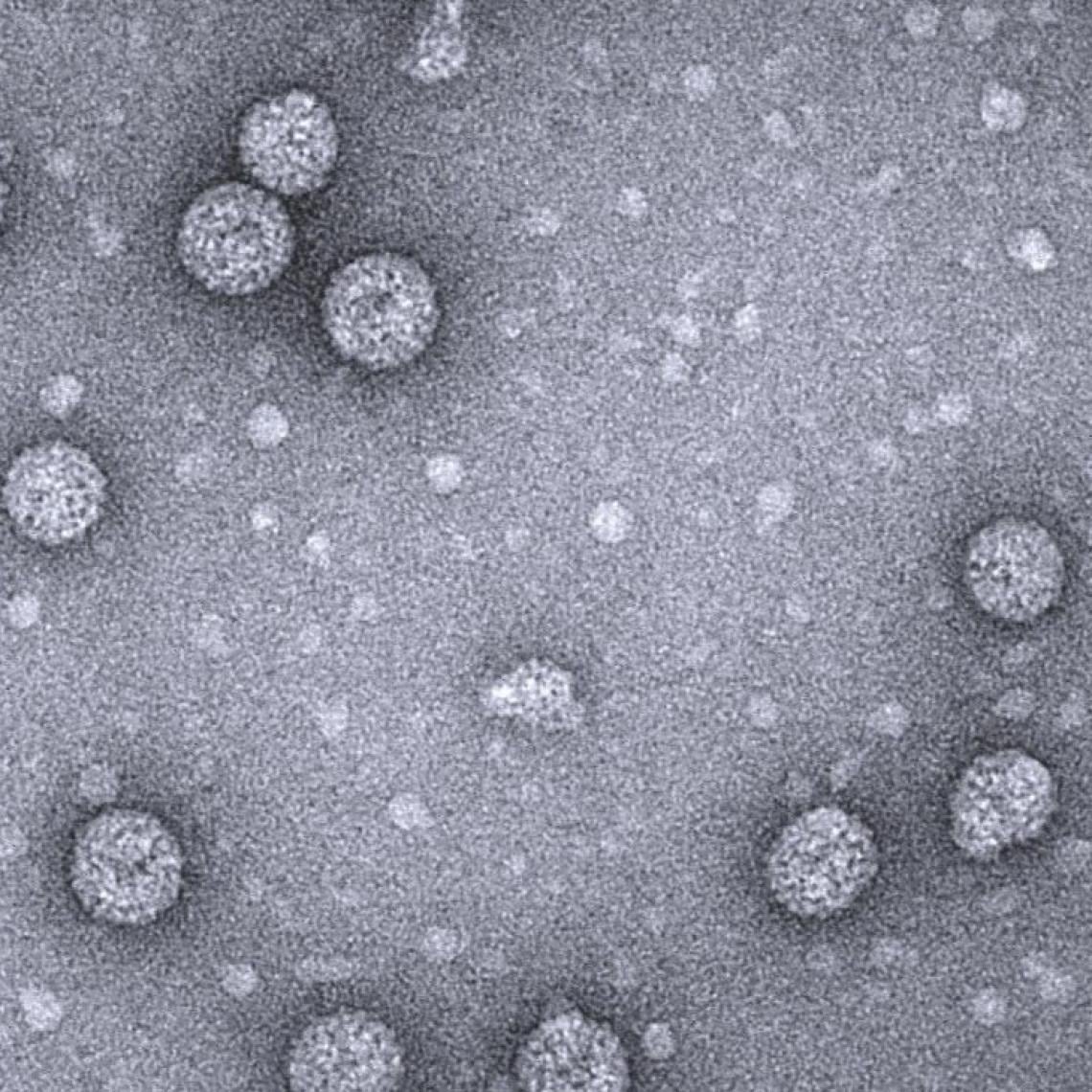
To develop vaccines, scientists use virus-like particles that mimic the size and shape of viruses but are non-infectious.
When is a virus not a virus? When it’s a virus-like particle. These engineered nanoscale proteins look very much like a virus from the outside, but they’re merely a hollow shell, without the genetic material that would enable a virus to invade a host and spread. Virus-like particles are toothless tigers, but our immune systems still see them as a threat, making them extremely useful for developing vaccines.
At the UK-South East Asia Vaccine Manufacturing Research Hub, researchers are using virus-like particles, as well as mRNA vaccine technology, to develop vaccines for various diseases, including the human papillomavirus — a leading cause of cervical cancer. Phase 1 clinical trials are expected to begin later in 2026.
Link to research: https://ukseavaxhub.org/
Antarctic treasures
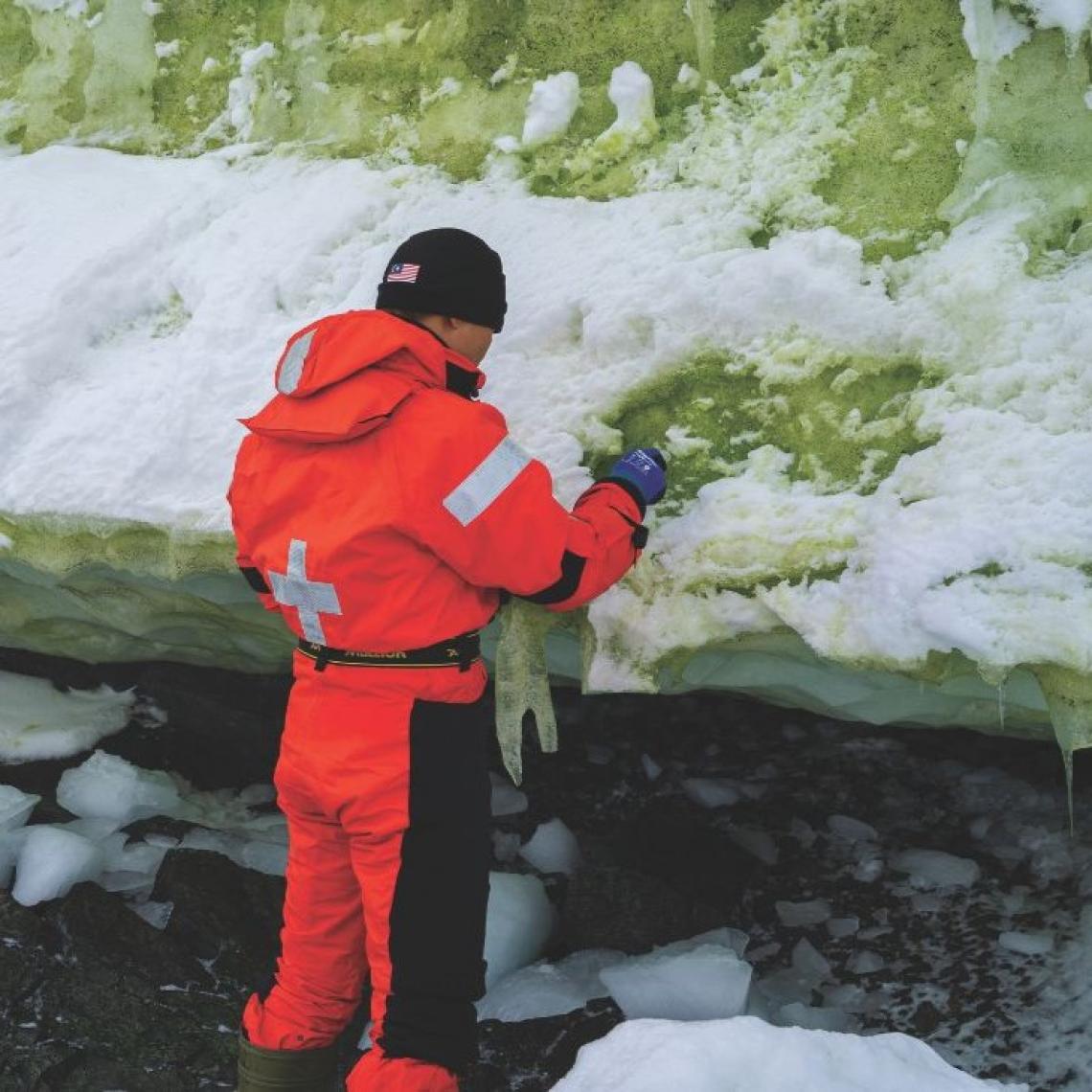
Cyanobacteria and algae became trapped within the ice as it formed. As the ice melts, these ancient organisms reappear, offering a glimpse into the past.
Fungi are more commonly associated with moist lush forests than the freezing snowscapes of Antarctica. But underneath all that ice, Antarctic soils are thriving with fungal life that has evolved to survive in the extreme conditions. And that makes them a rich source of biological compounds that could potentially have benefits for human health and industries.
Researchers have been looking for possible new species of fungi under the ice to unlock biochemical secrets that enable them to compete with other organisms and survive in such extreme temperatures. Fungi survival often involves defeating threats such as bacteria, thus this treasure trove could deliver a much-needed new class of antibiotics to help tackle the global challenge of antibiotic resistance.
Going forwards, several projects will be exploring how Antarctic microalgae could be harnessed for heavy metal remediation, how chitosan from krill waste can act as a magnet to bind microplastics and decontaminate water, and how to further public understanding of polar science’s connection with local climate realities.
Links to research
British Antarctic Survey: https://www.bas.ac.uk/
A Malaysian Antarctic Experience book: https://penerbit.usm.my/index.php/buku/428-a-malaysian-antarctic-experience-my-eyes-were-out-on-stalks
Packing up plastic
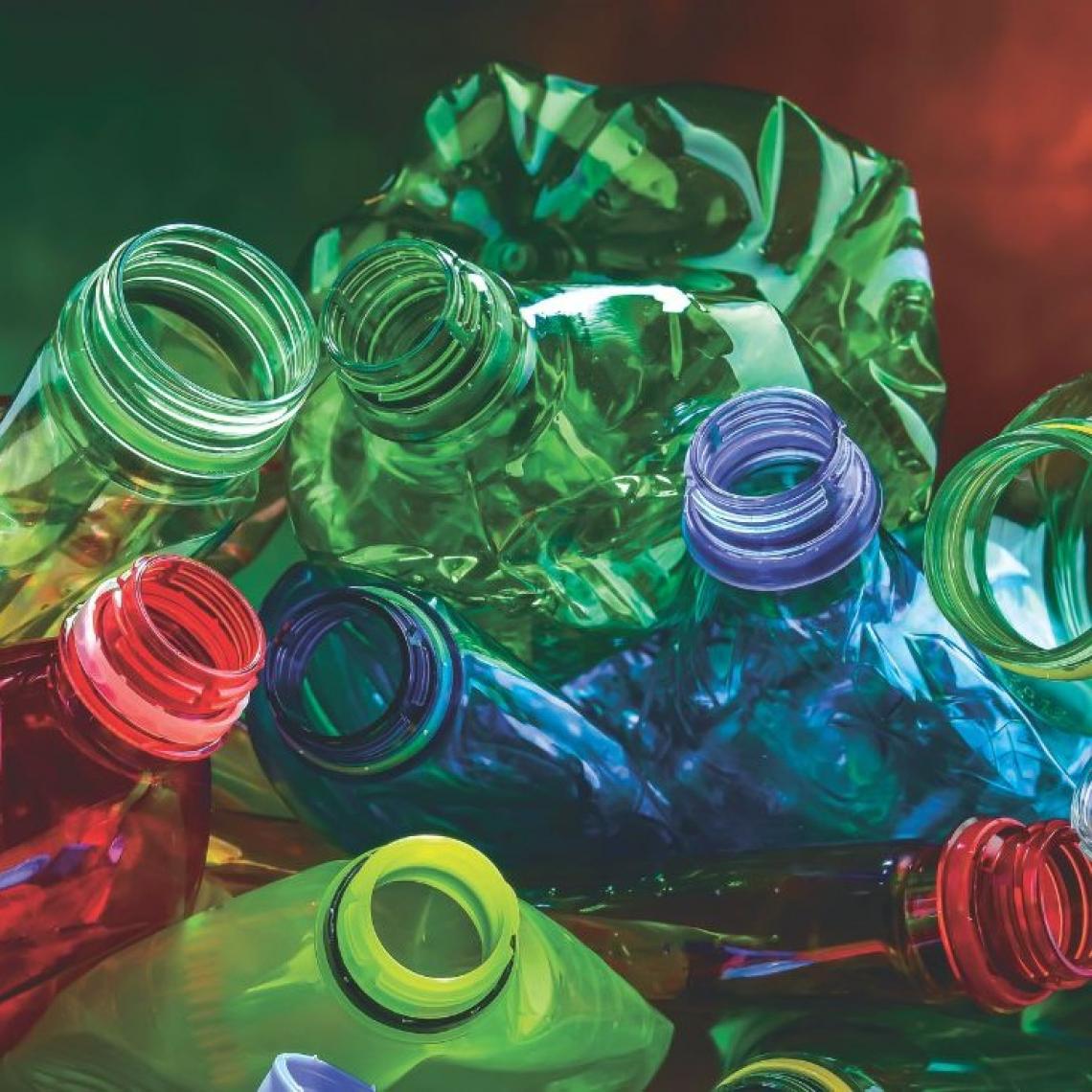
Plastic waste
Plastic has been found on the snowy peaks of Mount Everest to the crushing depths of the Mariana Trench. It is everywhere. Humanity has found so many diverse uses for this lightweight durable material and we have become a slave to it.
The Plastic Packaging in People’s Lives project has been examining how Malaysian households use, reuse, and recycle plastic packaging. To move humanity from the Plastic Age, scientists first need to understand how we use it, and how interactions with plastic vary around the world, in different cultures, climates, and socioeconomic situations.
Link to research: https://www.lancaster.ac.uk/ppipl/
Nature in the city
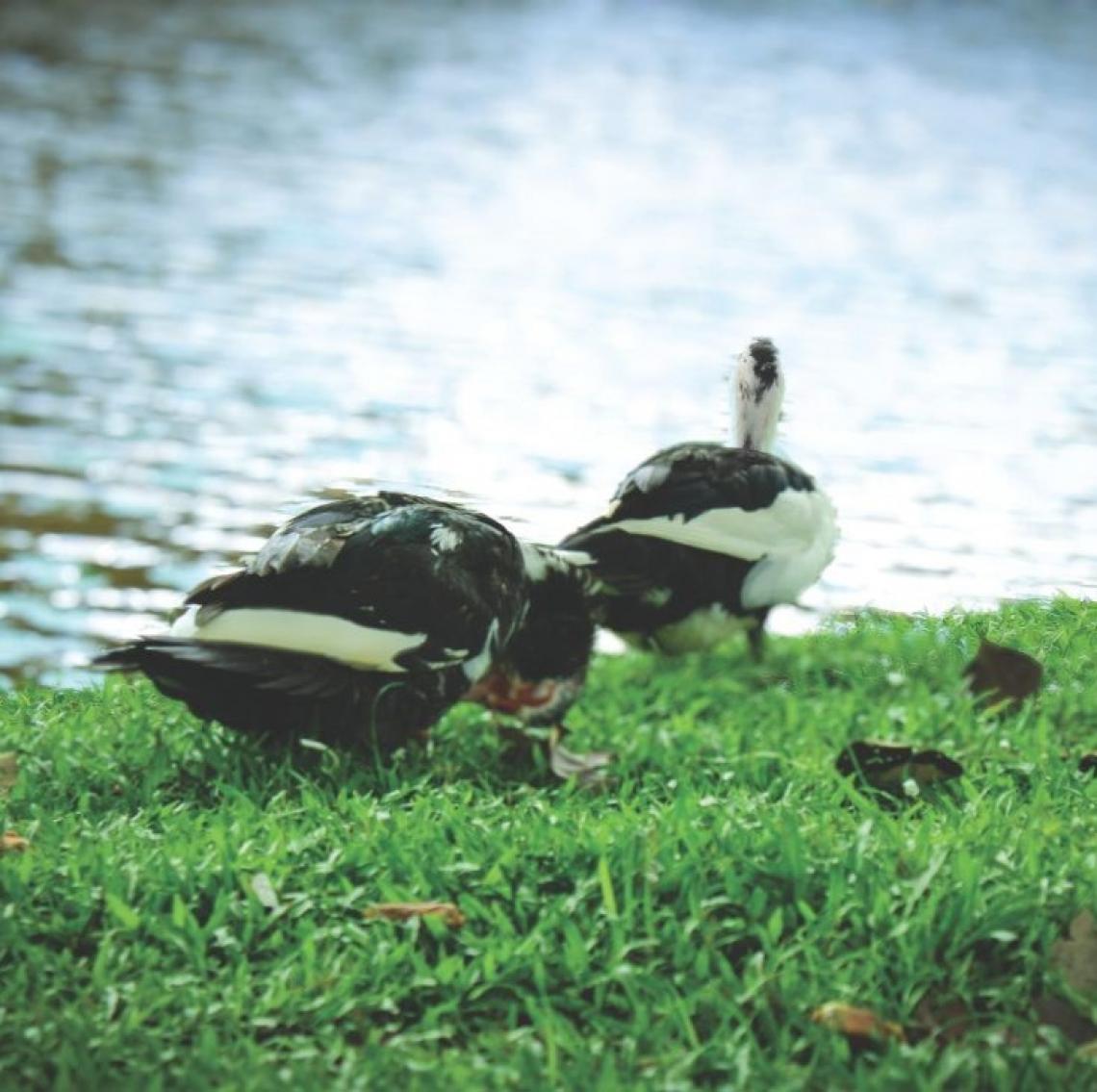
Ducks at Sireh Park, where their presence represents the integration of biodiversity in urban parks.
Time spent in nature benefits the body and mind. Scientists are looking to understand what works and how. They found that even short-term exposure to nature videos can have significant positive effects on brain functions such as memory and that urban green spaces can be as restorative as natural environments, which
shows the value of having access to green spaces even in the heart of bustling cities.
Link to research: https://sites.google.com/view/tesd-msia/home
Mighty mangroves
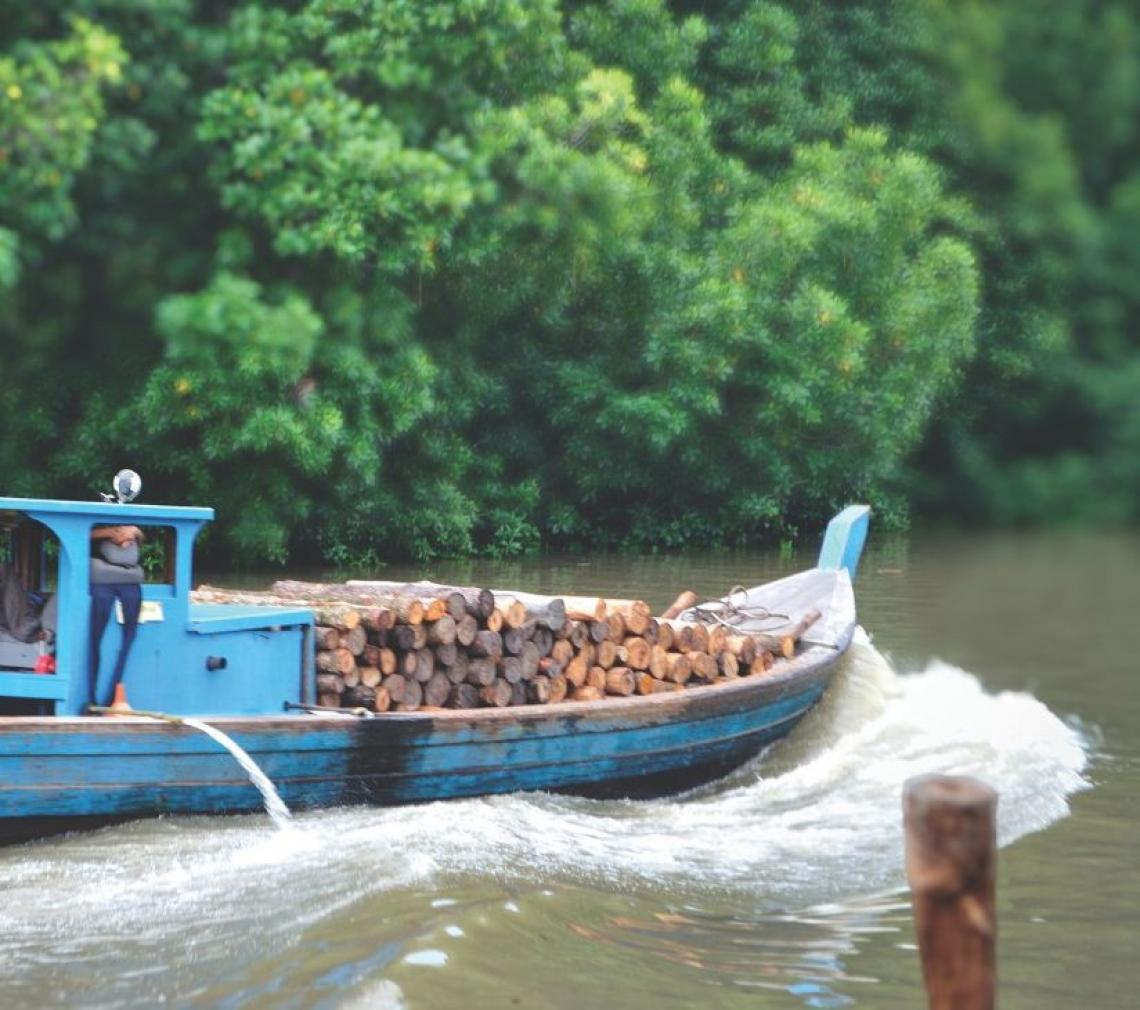
Mangroves are ecological powerhouses. Fish lay eggs and grow in them, they protect coastlines from waves and erosion while keeping it cooler, provide habitat for animals and birds, and store carbon from the atmosphere. But mangroves are being cut down for timber and land for humans and damaged by man-made disasters such as oil spills. Researchers have been working with local communities in the Klang Islands to enhance mangrove conservation with workshops, community collaboration, and satellite monitoring.
Links to research:
Saving Malaysia's Mangroves video: https://youtu.be/tQuBqBKrjxM?feature=shared
NetComFish project: https://netcomfish.wixsite.com/netcomfish
World’s largest ecological experiment
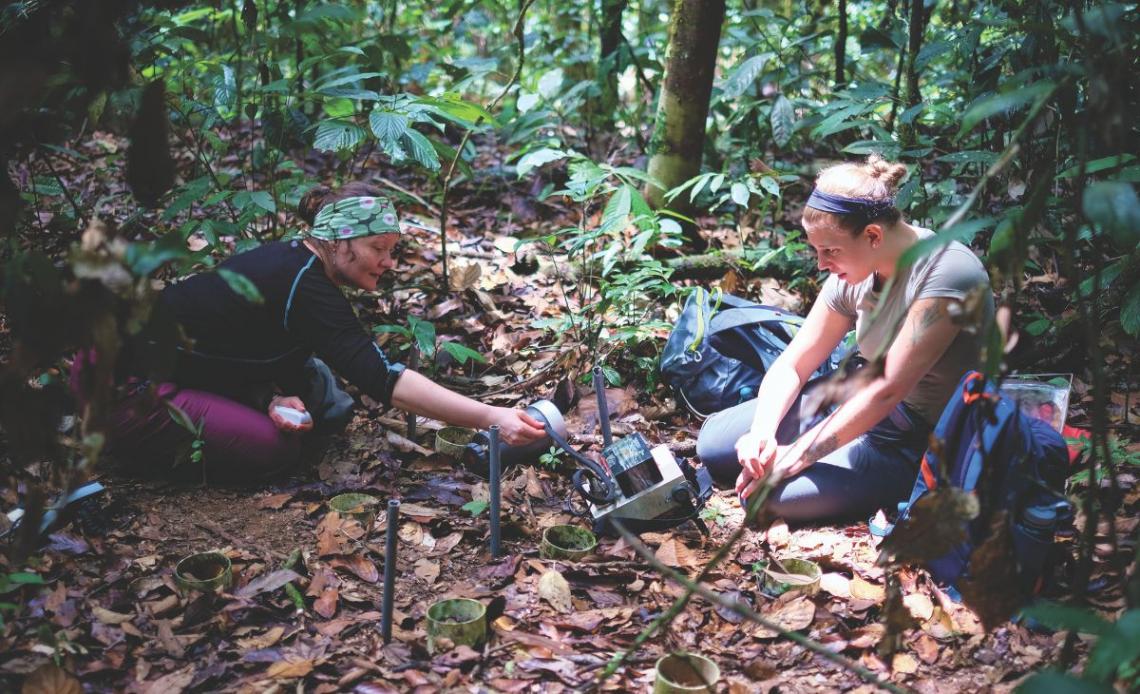
Researchers bury pipes into the soil, which allow them to capture carbon dioxide that is released from the soil. The scientists are interested in how much of soil carbon respiration is driven by microbes, fungi, and trees. Their results showed that logged forests release more carbon than primary forests, making them a source rather than a sink of carbon dioxide.
In the heart of Sabah’s Maliau Basin, 75,000 hectares of rainforest will be felled for palm oil plantations. This is an opportunity for scientists to explore the effects of deforestation. Researchers will be looking at 8,000 hectares of the rainforest, in different-sized patches scattered across the landscape, studying impacts on weather, soil, water, plants, and animals, which could lead to more sustainable development.
Fascinating forest canopies
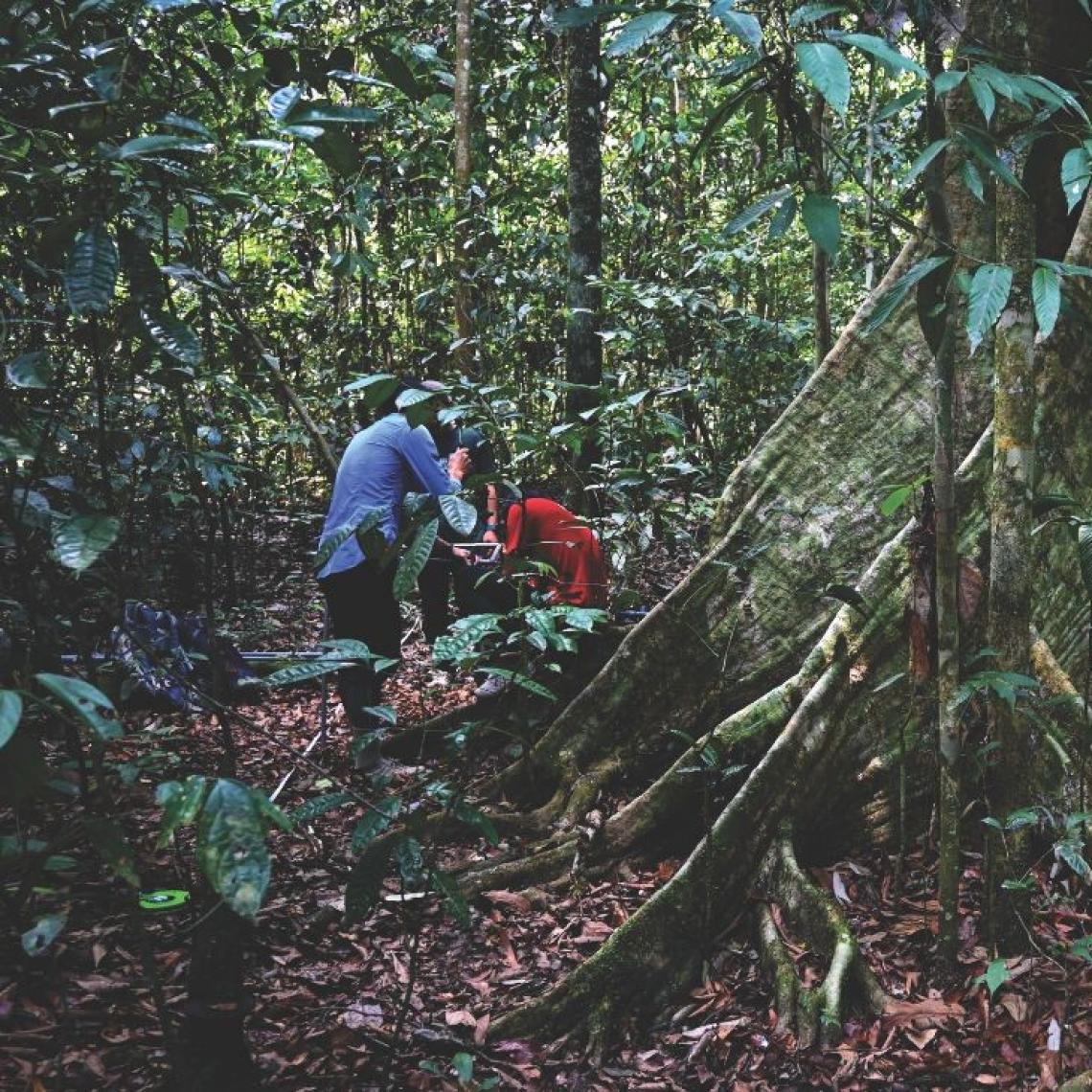
Scientists setting up seed traps to monitor falling fruits and flowers.
A phenomenon of South East Asia’s forests is the mass flowering and fruiting which sees many trees synchronise their reproduction. Scientists working in Sabah are looking to understand why this happens and the impacts that climate change and forest disturbance, such as logging, have on tree reproduction and the next generation of seedlings. Ultimately, this will help guide restoration efforts by revealing which species are struggling to thrive without intervention.
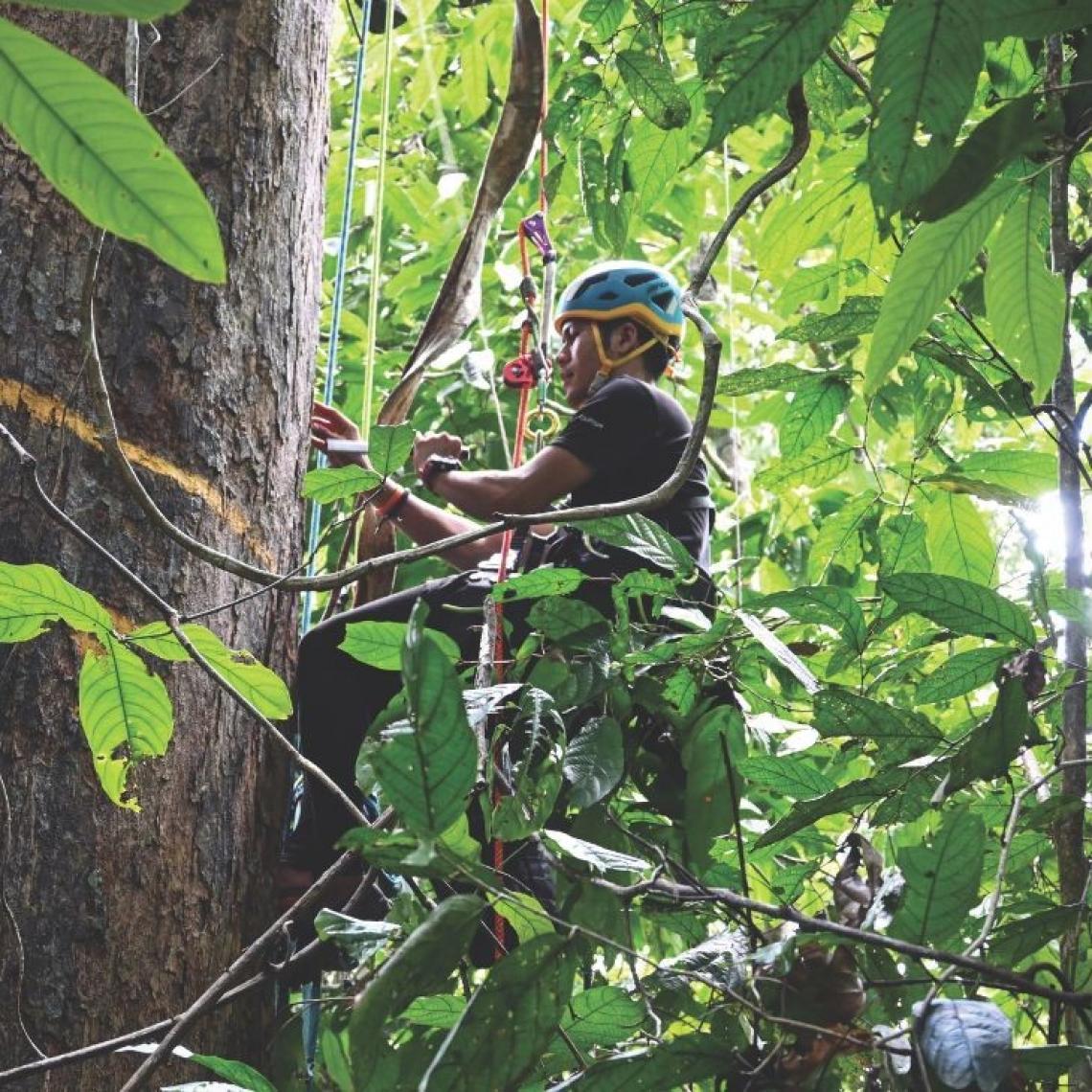
Skilled tree climbers help scientists to understand how some of the world’s largest trees, dipterocarps, move water from soil to their canopies.
They are also investigating how dizzyingly tall dipterocarp trees can transport water as much as one hundred metres from the soil to their top-most branches. Understanding the fundamentals of how these trees work will enable a better view of the challenges they may face under environmental change.
Link to research: https://www.ceh.ac.uk/our-science/projects/about-for-restor
UK collaborators (alphabetical order)
-
Forest Research Centre Sabah
-
UK Royal Society’s South East Asia Rainforest Research Programme
Malaysia collaborators (alphabetical order)
-
Sepilok Forest Reserve