AI and sustainable innovations: From research to adoption
The Taiwan Innotech Expo (TIE) 2025, held from October 16–18 at Taipei World Trade Center, displayed the importance of cross-domain innovation and academe-industry-government linkages to bring research to successful adoption and build an economy responsive to global trends and advances.
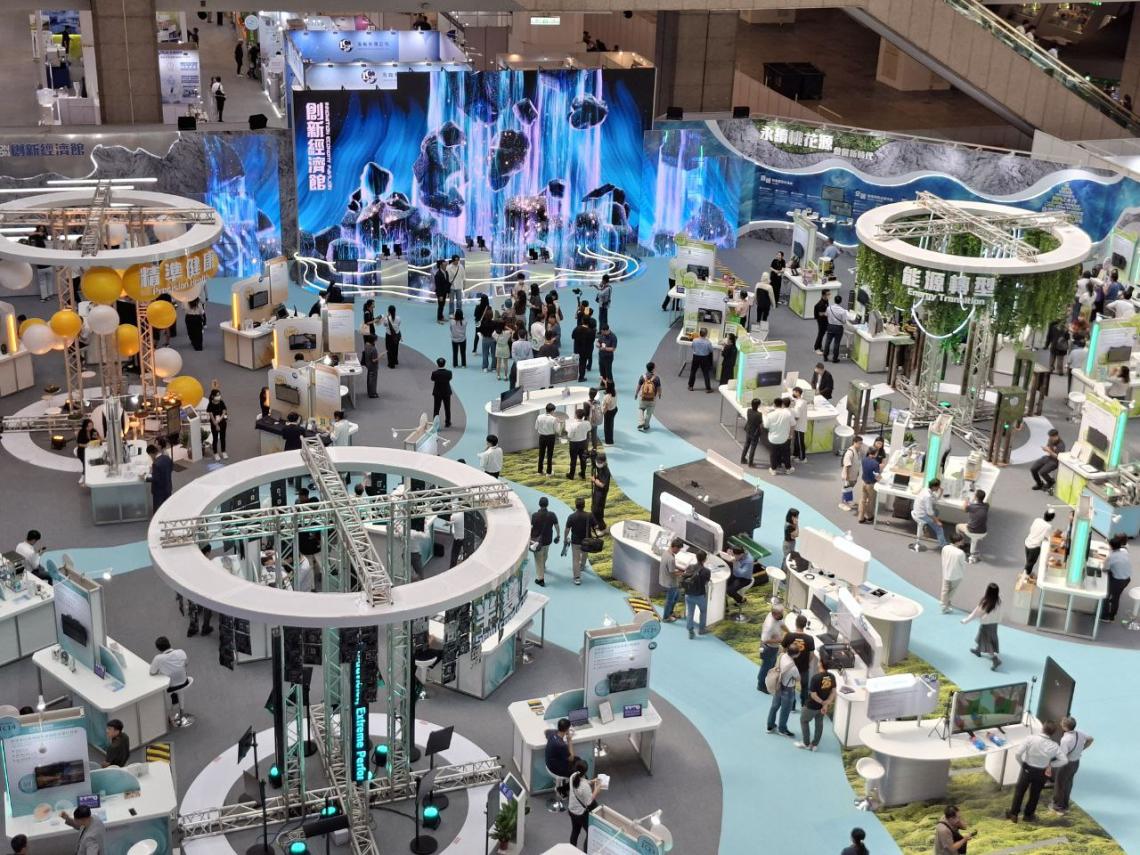
Co-organized by 11 government ministries and implemented by TAITRA and the Industrial Technology Research Institute (ITRI), the event attracted over 400 exhibitors from 19 countries. Nearly 11,000 visitors attended, including the local public as well as representatives of intellectual property offices, research institutions, and industrial associations from Mexico, Canada, Malaysia, Germany, Japan, and others.
While Taiwan has long been known for its semiconductor industry, it is venturing beyond powerful chips and expanding into homegrown artificial intelligence models and systems. This year’s expo demonstrated the integration of hardware and software and the path from academic research to industrial and public implementation.
Its three main pavilions each had dedicated booths featuring AI-powered inventions. The Innovation Economy Pavilion highlighted strategic adoption of AI into key industries. The Future Tech (FUTEX) Pavilion lets visitors explore tools that can benefit their daily lives. The Sustainability Pavilion featured platforms and products for achieving net-zero goals and a circular economy.

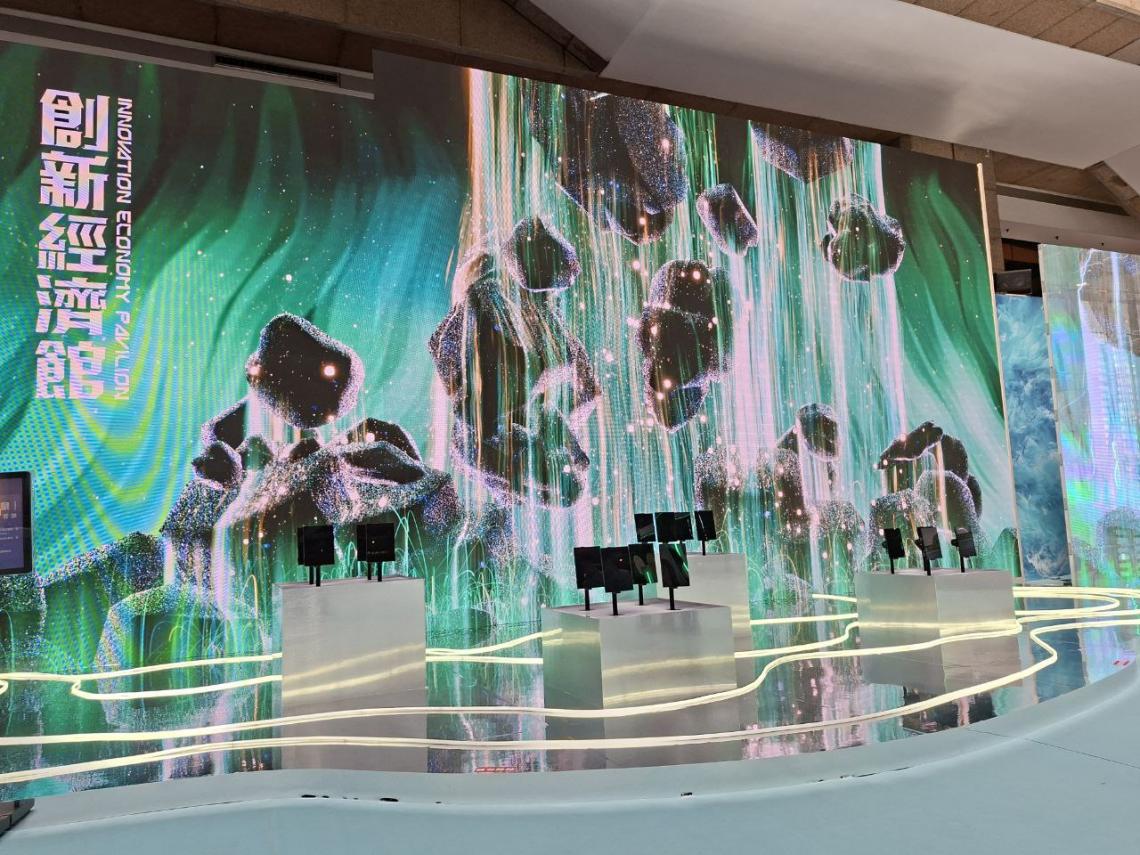
Digital display system forming part of the “Massive Devices Digital Twin Performing Technology,” which debuted at Osaka World Expo 2025 and won bronze prize

Chips for the future (and quantum tech)
The environmental impact of data centres for AI is a crucial concern for the industry. Taiwanese researchers look to edge computing and lightweight models enabled by small but powerful chips to address specific needs. For example, researchers from National Taiwan University of Science and Technology created a low-voltage neural accelerator for AI image processing that will be used in Taiwan’s next cube satellite.
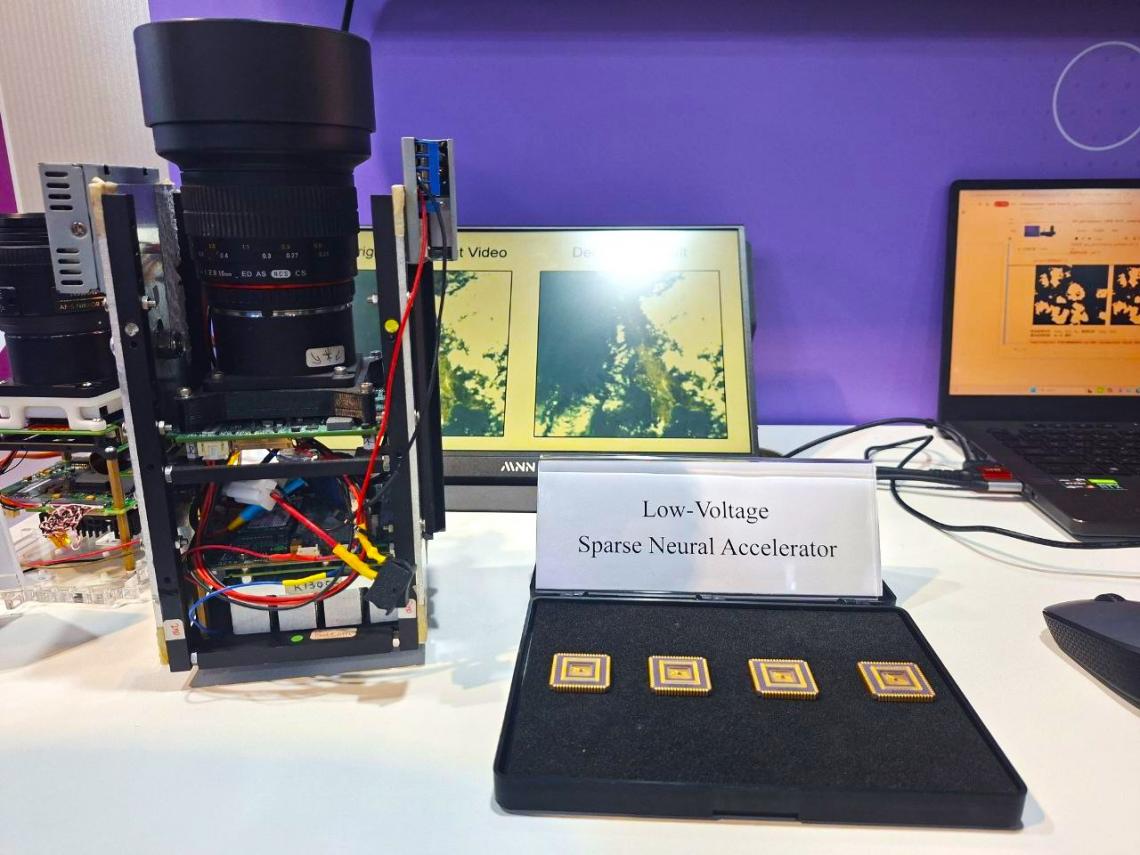
Low-voltage sparse neural accelerator
The expo featured other potential solutions, including winners of the IC Taiwan Grand Challenge. Taiwan’s own DeepMentor AI offers technology that enables the compression of large AI algorithms into compact formats for faster processing, while femtoAI from the US allows task-specific AI in small devices using less energy in smaller chips.
Advancements in quantum technology, for both the hardware and software aspects, were also on display, including quantum-encrypted prototypes, quantum processors, and Taiwan’s first cryogenic microwave module connected to quantum bits.
Homegrown AI models and AI chatbots
Developing homegrown AI was definitely emphasised across the pavilions, especially in the Chip-based Innovation (CBI) section.
Taiwan AI RAP, under Taiwan’s National Centre for High-Performance Computing, is an AI application development platform offering a comprehensive suite of resources for generative AI application development to service providers, startups, SMEs, and academic institutions. It notably developed AI models fit for Traditional Chinese applications.
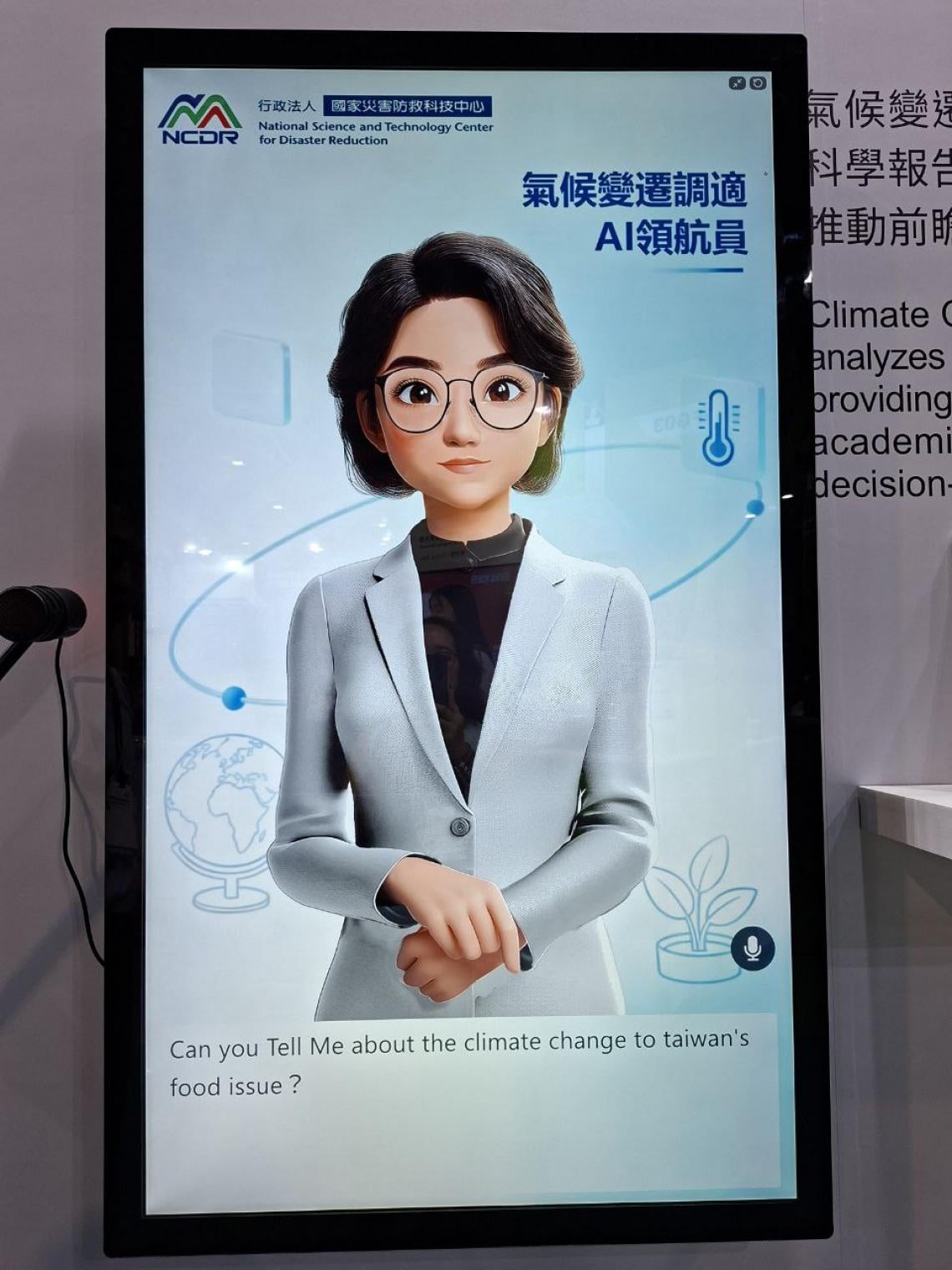
AI chatbot for climate change education
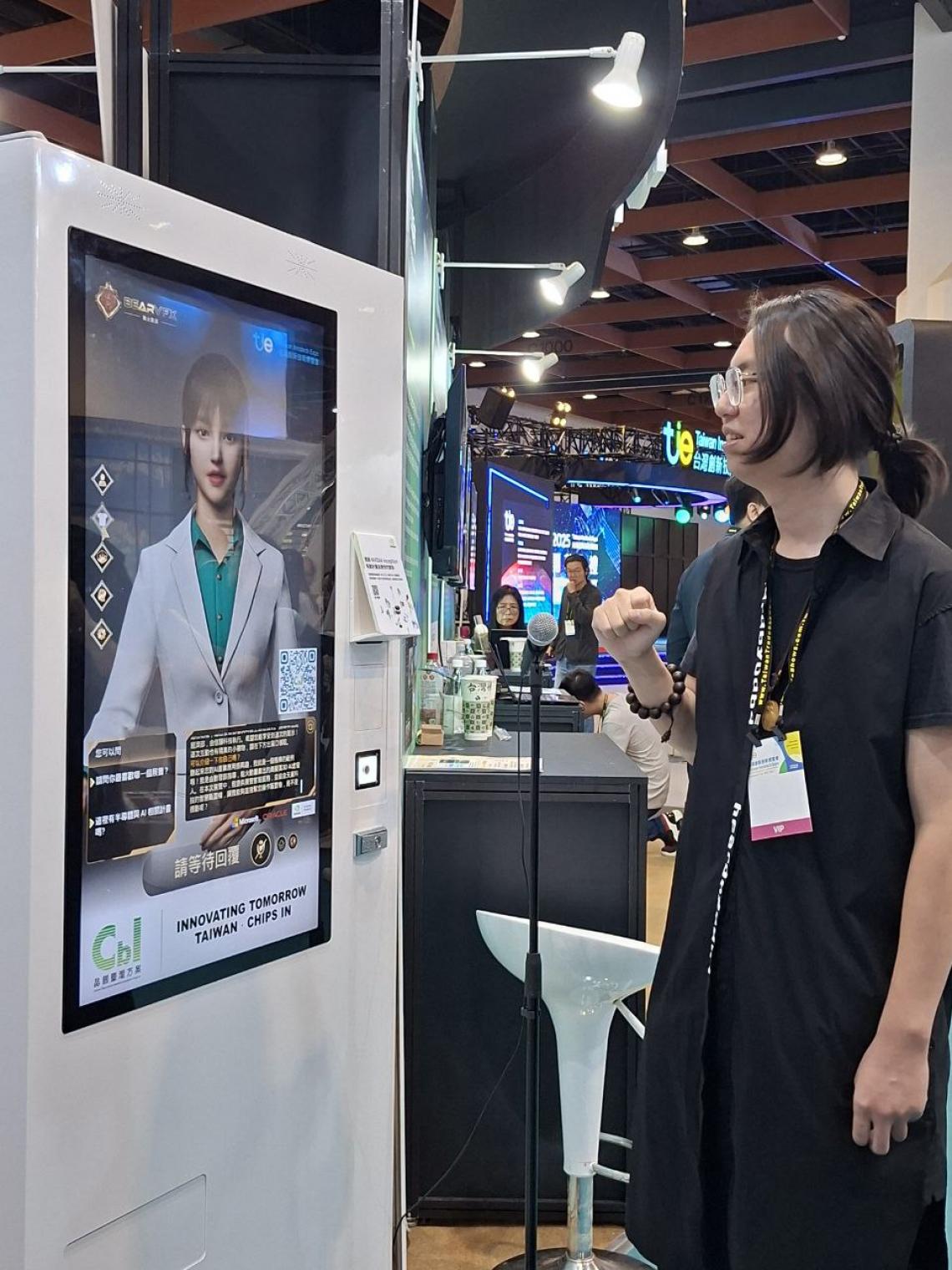
Multimodal 3D AI
AI chatbots were also available for attendees to interact with. The National Science and Technology Centre for Disaster Reduction created an AI chatbot for learning about climate change and its impact on Taiwan, trained on their National Scientific Report 2024. Other chatbots were for healthcare education, such as National Taiwan Normal University’s AI virtual human.
The TAIwan HUmanities Conversational AI Knowledge Discovery System (TAIHU), created by the National Taiwan University (NTU), is a dialog-based model for education that uses Retrieval Augmented Generation on primary reference materials in the humanities to avoid AI hallucinations. NTU, National Yang Ming Chiao Tung University, National Cheng Kung University, and Taipei Medical University researchers also developed CoVerify, a deepfake verification framework already implemented within media fact-checking organisations.

Railway safety system
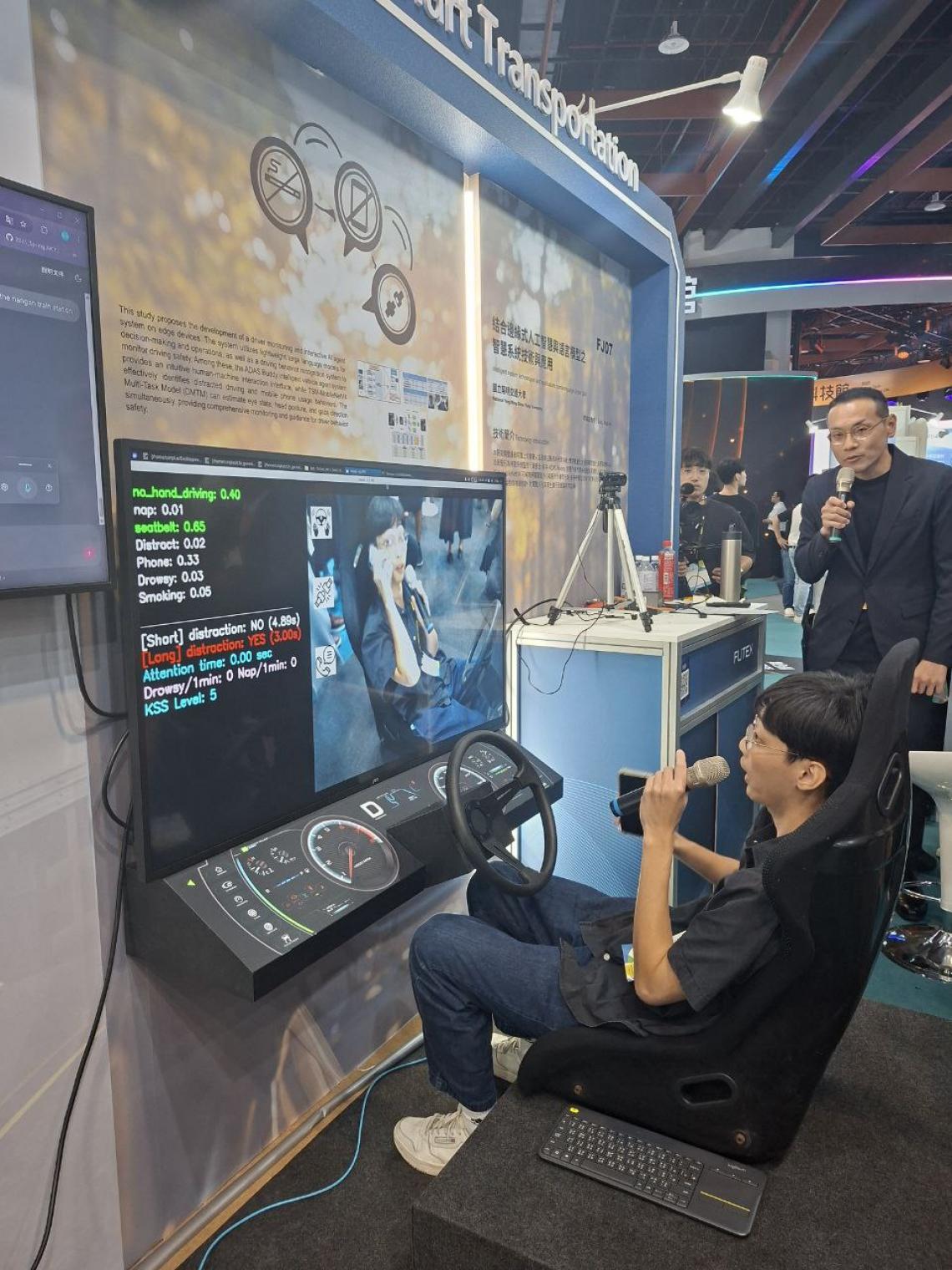
Driver safety and status monitoring system
Safety and disaster monitoring systems also got an AI upgrade, from railway safety to earthquake and landslide risk. National Yang Ming Chiao Tung University developed a lightweight AI engine for smart LiDAR (a laser-based remote detection method) that can be used for rapid response in automobiles, and a driver monitoring and safety system that combines Large Language Models (LLMs) and edge AI.
Smarter robots and health and wellness
Robotics also featured prominently across the pavilions, with several integrating AI features. National Taiwan University also demonstrated their bipedal and quadruped robots. Robotic arms designed by National Cheng Kung University and National Tsing Hua University both have voice command capabilities through language and voice AI models. The International Bilingual School at Hsinchu Science Park, a junior high school team that won the Excellence Award at the 2024 VEX Robotics World Championship, showcased their winning robots and their public outreach work for young students.
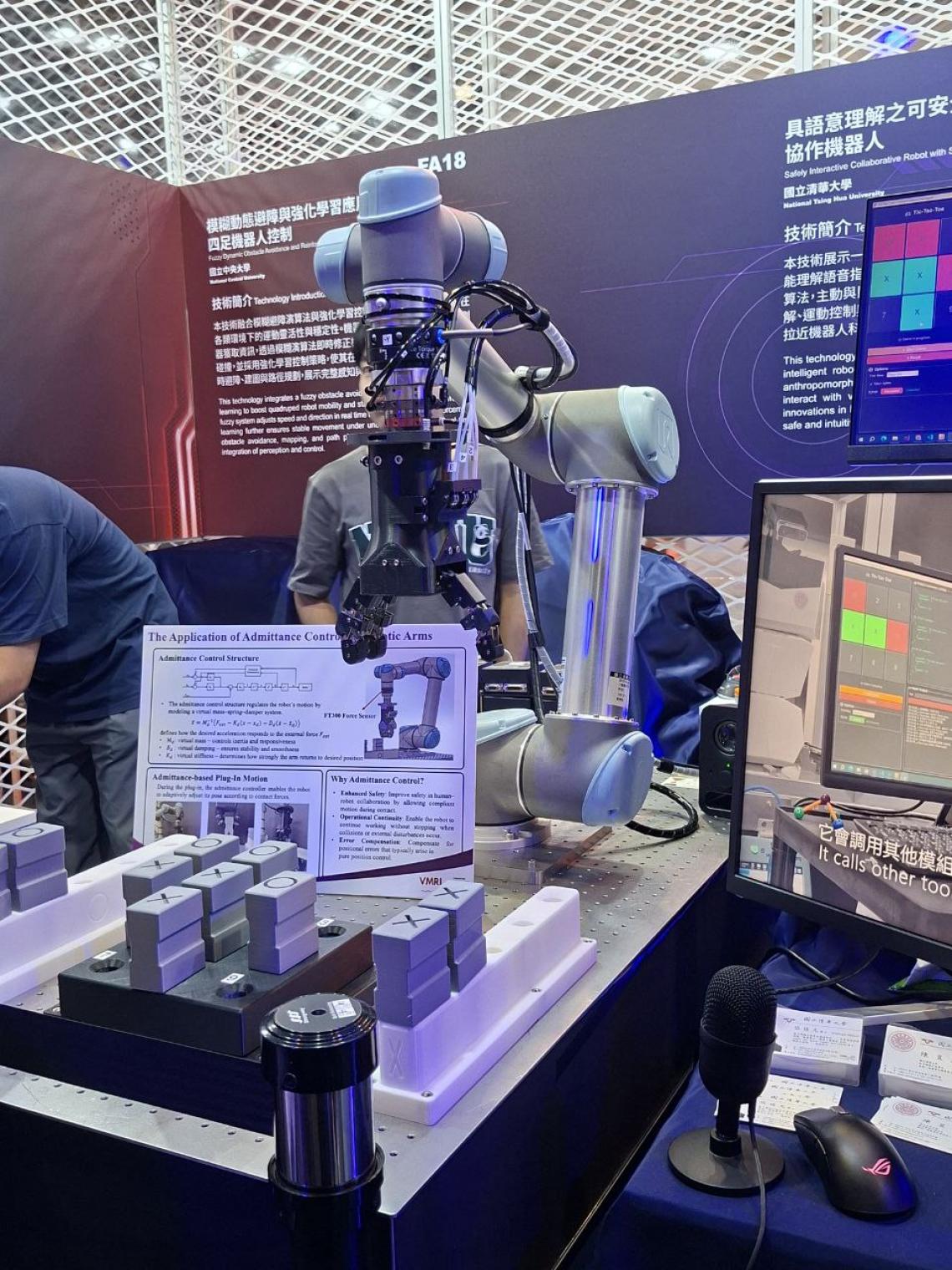
Robotic arm with AI feature
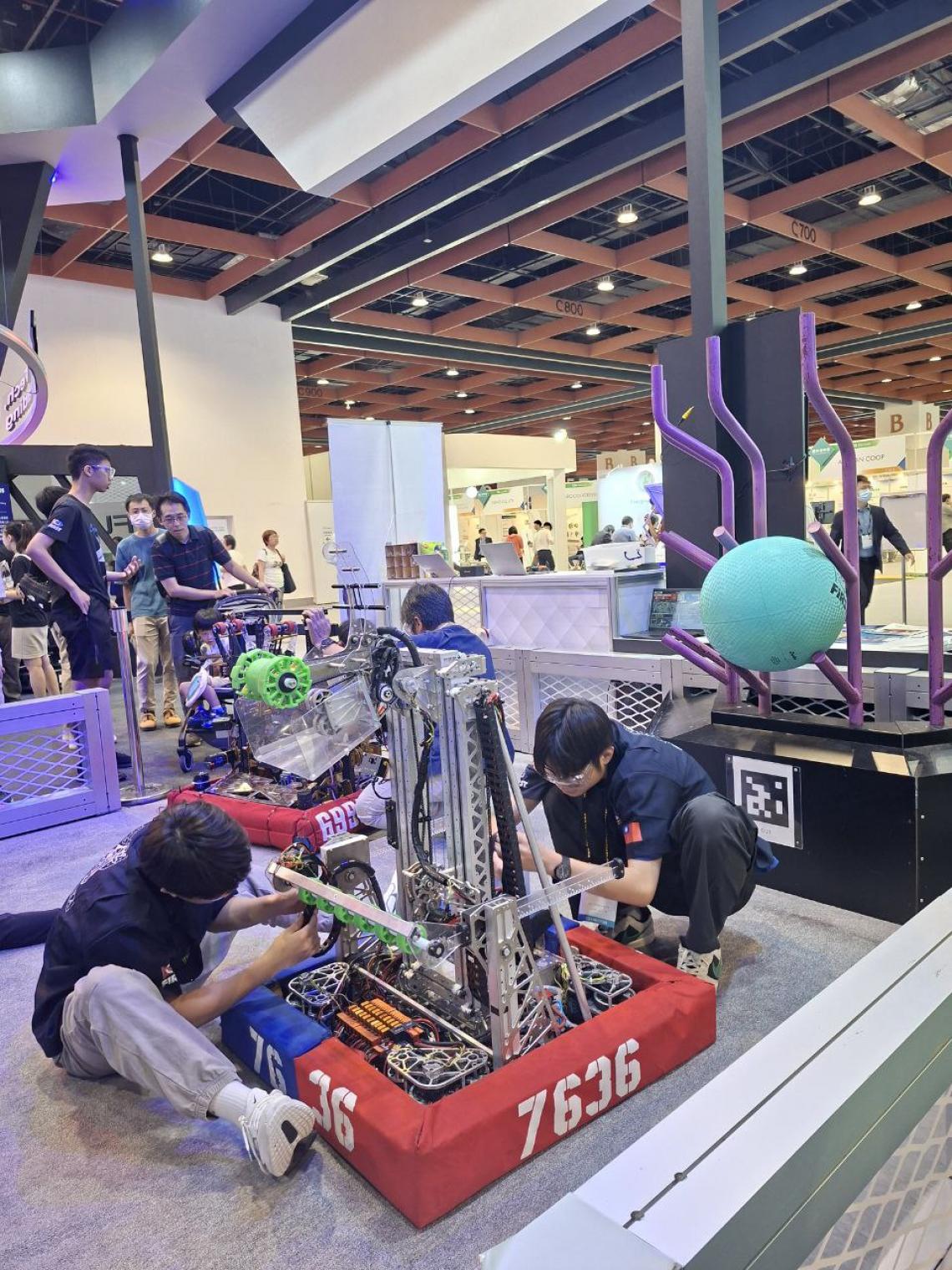
Junior high school robotics team
Advanced healthcare technologies, especially for diagnostics and health monitoring, continued to capitalise on the power of AI. LibraLung, an AI lung cancer screening technology, has been tapped for Taiwan's national screening programme. An AI-augmented brain imaging analysis with applications in dementia risk identification, developed at the National Atomic Research Institute, has also been adopted in some local hospitals.
Elderly care also got an upgrade through Ant Carespot, a device that uses biometrics, environmental signals and behavioral data with AI to track home inhabitants, especially older people, and enables automated and one-touch signals for emergencies.
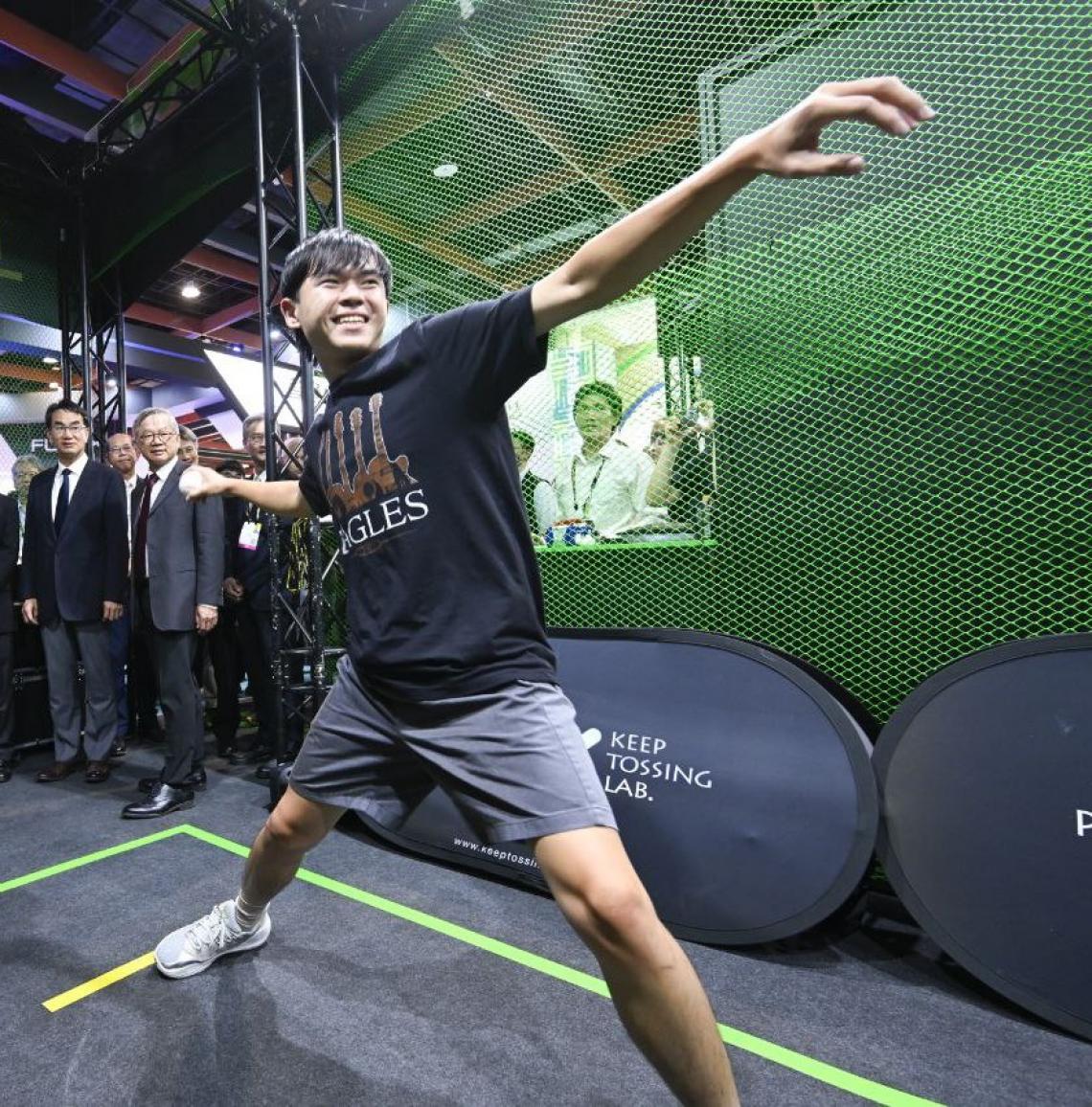
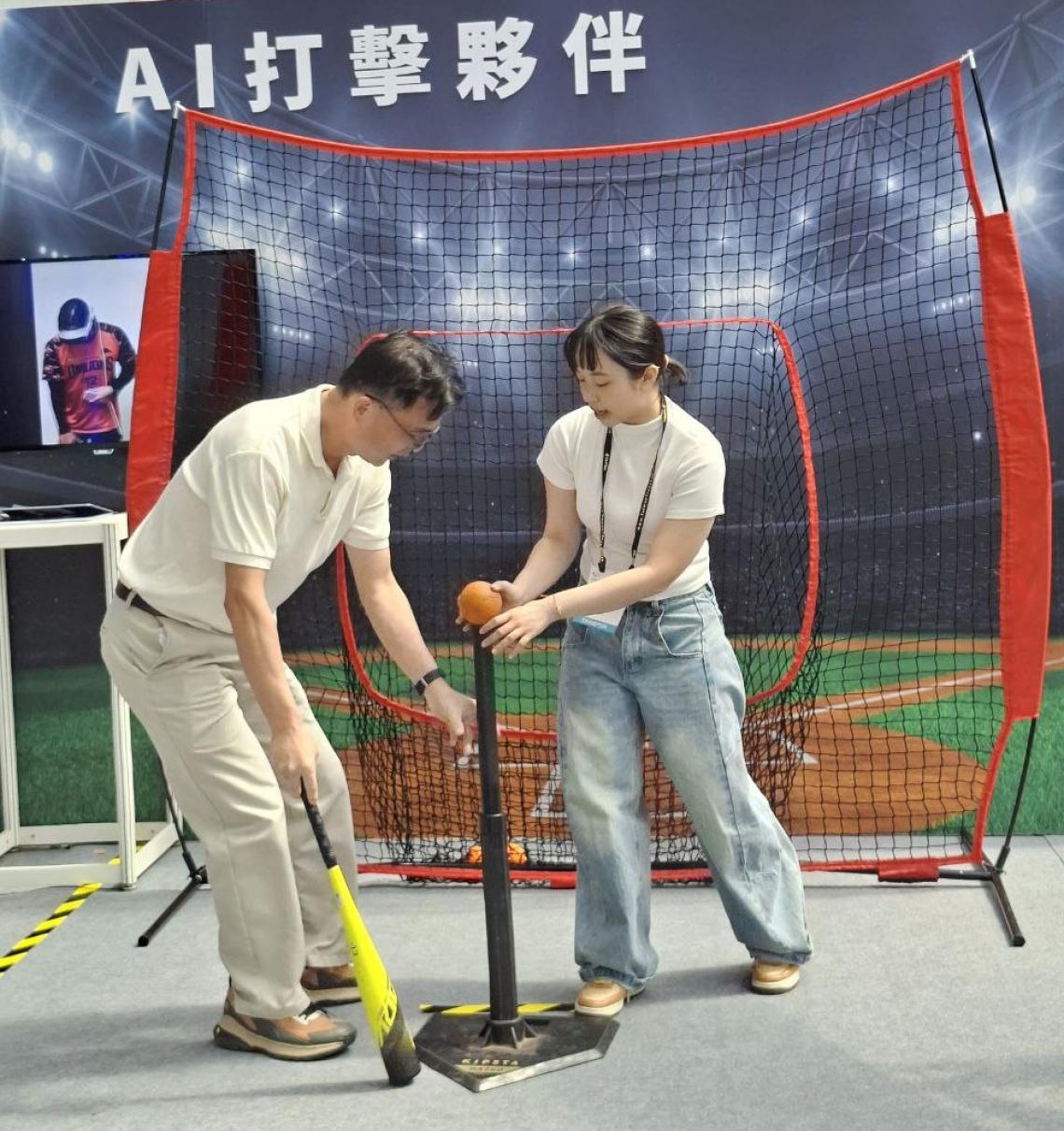
Visitors were also able to try out sports tech, particularly three baseball-focused performance monitoring systems set up as batting pitches.
Sustainability and net-zero
Researchers at Taiwan’s Industrial Technology Research Institute continued crafting products for a circular economy. Electronic waste for home decors, textile wastes recycled for wood-like products, and using mushrooms for “vegan” leather are a few examples. Sodium alginate, from brown seaweed, was also used for edible straw replacements and for recycling paper lanterns – a common waste of tourism activities.
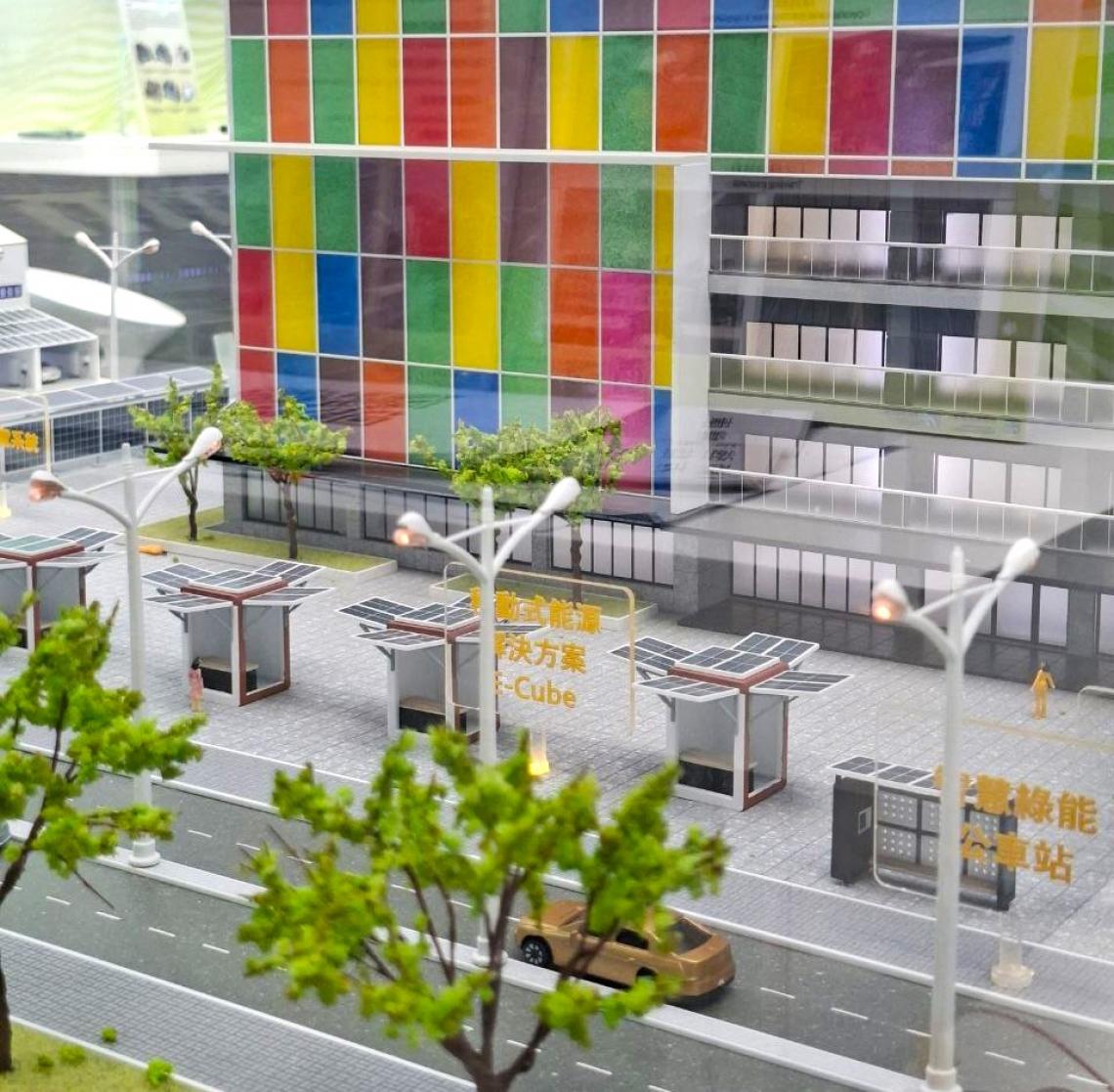
Solar panel management
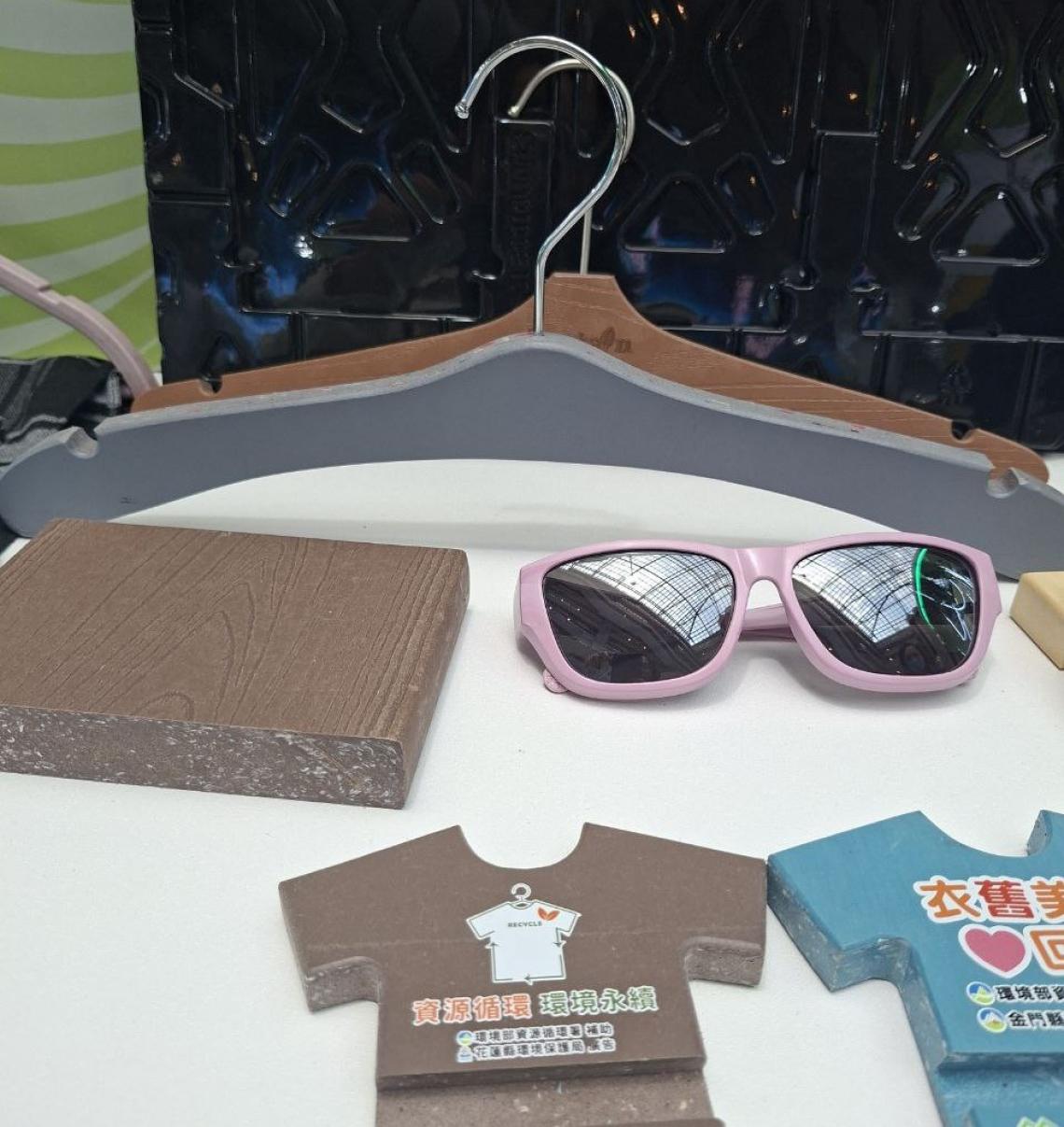
Recycled fabric products
Technologies relevant to green energy transition spanned solar panels, hydrogen energy prototypes, and seawater conversion. Some solutions focused on redesigning existing technologies. For example, Kun Shan University’s efficient hydraulic turbine system for harnessing hydropower is already set up at a local community partner. The university is also designing a portable battery that uses clay particles instead of currently used unsustainable components.
Invention Competition
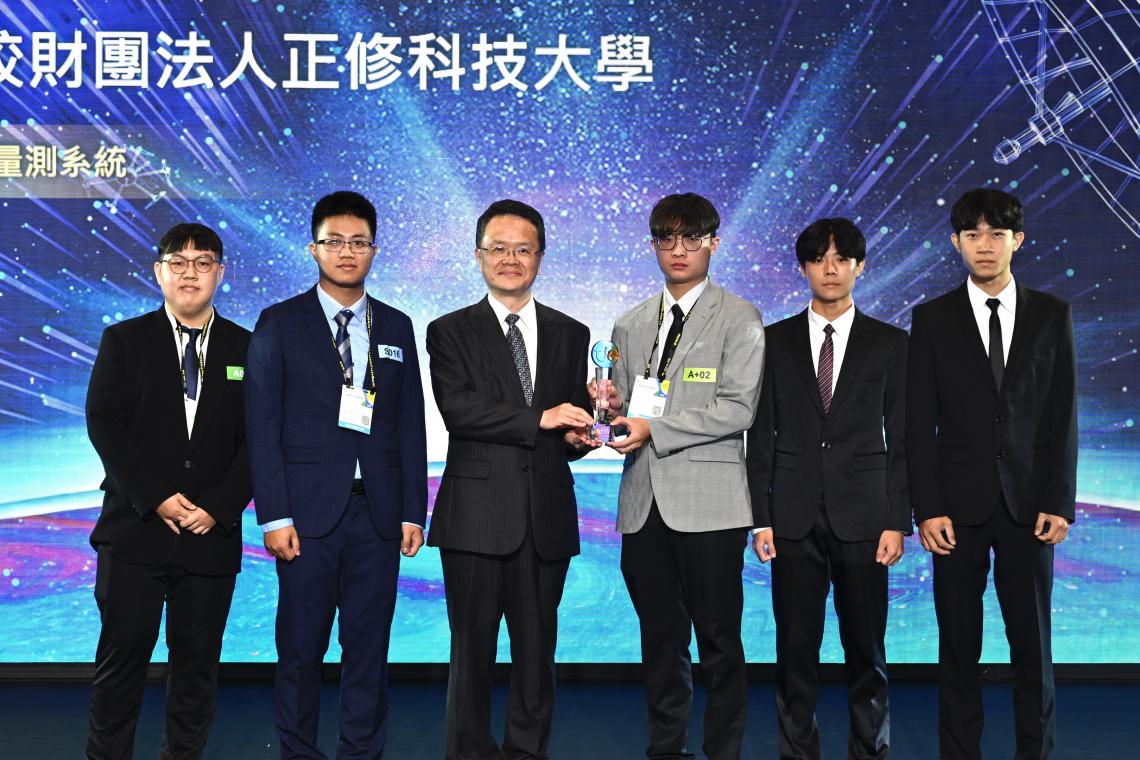
Tie 2025 Invention Competition awarding
The Invention Competition Area featured 554 patent entries. In the domestic inventions area, Chunghwa Telecom led with 16 medals, followed by the National Atomic Research Institute with 13. In educational institutions inventions area, Kun Shan University and Ming Chi University of Technology earned 14 and 12 medals, respectively. In the overseas inventions area, the Korean Invention Promotion Association (KIPA), Thailand National Research Council (NRCT), and Mexican Institute of Industrial Property (IMPI) also won awards.