

Japan
News
26 Mar 2018
Nagoya University
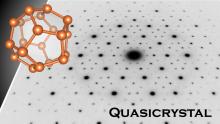
Japanese researchers have observed superconductivity in a quasicrystal for the first time.
26 Mar 2018
Tohoku University
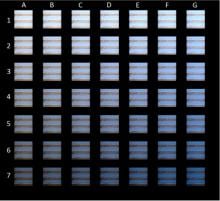
A novel algorithm to simulate the color appearance of objects under chromatic illuminants has been proposed by Ichiro Kuriki of Tohoku University.
26 Mar 2018
Tohoku University
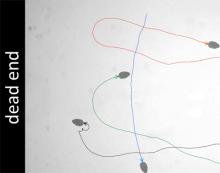
Researchers at Tohoku University in Japan have shown that microorganisms can ingeniously escape from a dead end by swimming. The results pave the way to understanding the spread of infectious diseases.
22 Mar 2018
Hokkaido University
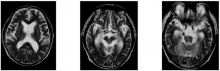
Newly discovered gene mutations may help explain the cause of a disease that drastically impairs walking and thinking.
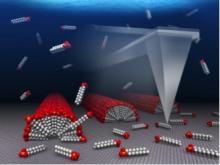
22 Mar 2018
Institute of Transformative Bio-Molecules (WPI-ITbM), Nagoya University
~ A fluke discovery could pave the way towards improved graphene-based electronics ~
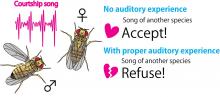
21 Mar 2018
Nagoya University
Researchers at Nagoya University develop fruit fly model to explore how learned auditory cues alter mating behavior and sexual preference.
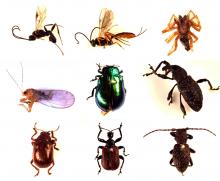
13 Mar 2018
Hokkaido University
Researchers have discovered a rule to predict an arthropod community structure based on the genomic variation in a foundation tree species.
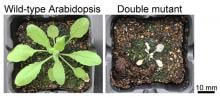
12 Mar 2018
Tohoku University
Researchers at Tohoku University have found that plants activate autophagy in their leaf cells to derive amino acids that are used for survival under energy-starved “hunger” conditions. The findings show that amino acid utilization in plants can be controlled by the manipulation of autophagy.
12 Mar 2018
Nagoya University
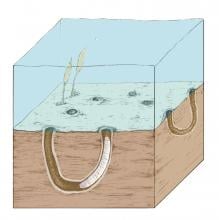
Researchers led by Nagoya University discover penetrative trace fossils from the late Ediacaran of western Mongolia, revealing earlier onset of the “agronomic revolution”.
12 Mar 2018
National Institute for Materials Science (NIMS)
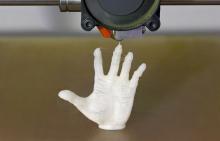
3D printing shows potential for fabricating personalized ‘soft’ robotic hands and hearts. But challenges need to be addressed.
08 Mar 2018
Hokkaido University
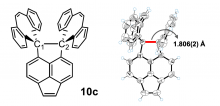
A stable organic compound has been synthesized with a record length for the bond between its carbon atoms, exceeding the assumed limit.
06 Mar 2018
Nagoya University
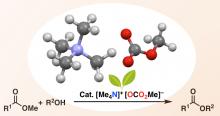
Nagoya University researchers produce valuable esters in high yield using environment-friendly catalyst.
05 Mar 2018
Institute for Integrated Cell-Material Sciences (iCeMS) at Kyoto University
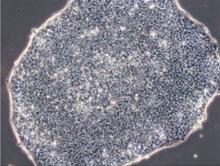
A new combination of chemical compounds could lead the way to more cost-effective stem cell cultures.
05 Mar 2018
Kavli Institute for the Physics and Mathematics of the Universe (Kavli IPMU)
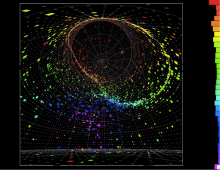
New data has provided further evidence that could explain an imbalance between the two main types of matter in the universe.
26 Feb 2018
Institute of Transformative Bio-Molecules (WPI-ITbM), Nagoya University
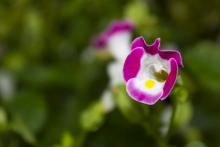
Researchers identify and synthesize a sugar chain critical for plant fertilization. They call it AMOR.

23 Feb 2018
Kavli Institute for the Physics and Mathematics of the Universe (Kavli IPMU)
An amateur astronomer testing his new camera captures the moment a supernova became visible in the night sky, which has helped an international team of researchers to test their theory about the beginning stages of a stellar explosion.
22 Feb 2018
Tohoku University
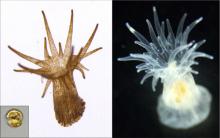
Researchers have identified the first spontaneous mutant coral symbiont alga to not maintain a symbiotic relationship with its host.
20 Feb 2018
Tohoku University
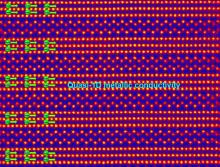
Adding oxygen atoms to a perovskite-like crystal material splits it into layers, giving it unique electrical properties.
20 Feb 2018
Tohoku University
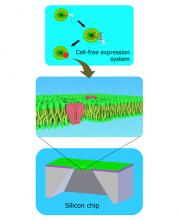
Researchers have improved on the currently available methods for screening drugs for heart-related side effects.
20 Feb 2018
Tohoku University
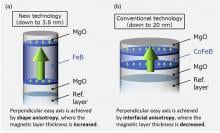
Researchers have developed ultra-small magnetic tunnel junctions with high retention properties for use in semiconductor technologies.
19 Feb 2018
Institute of Transformative Bio-Molecules (WPI-ITbM), Nagoya University
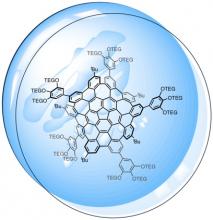
~ A new water-soluble nanocarbon triggers cell death when exposed to light ~
19 Feb 2018
Hokkaido University
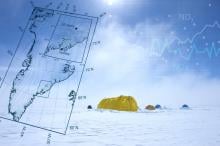
Nitrate deposits in the Arctic remains high even after the turn of the century, despite environmental policies adopted by neighboring countries in the late 20th century to cut nitrogen oxide (NOx) emissions.
14 Feb 2018
Tohoku University
Thermodynamics provides insight into the internal energy of a system and the energy interaction with its surroundings. This relies on the local thermal equilibrium of a system.
13 Feb 2018
Hokkaido University
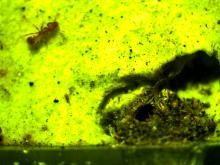
Clonal ants appear to be diverse in responding to sweetened water, suggesting epigenetic regulation in behavioral variation and colony survival.
13 Feb 2018
Hokkaido University
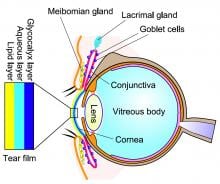
Very long-chain lipids in the most superficial layer of the tear film cause severe dry eye disease when they were shortened in mice - a result that could help develop new drugs for the disease.
12 Feb 2018
Hokkaido University
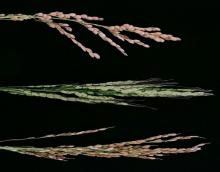
Scientists successfully employed mutagenesis to identify the gene that causes hybrid sterility in rice, which is a major reproductive barrier between species.
09 Feb 2018
Tohoku University
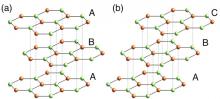
Tohoku University researchers have fabricated two types of trilayer graphene with different electrical properties.
08 Feb 2018
Tohoku University
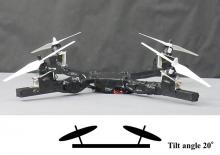
Stability of unmanned aerial vehicles in heavy winds can be improved through rotor placement and angle, according to a team from Tohoku University and Kanazawa Institute of Technology.
08 Feb 2018
Hokkaido University
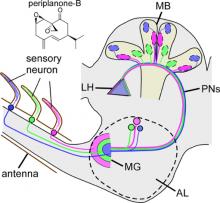
Scientists from Hokkaido University and the University of Konstanz have discovered how male cockroaches detect the spatial distribution of female pheromones to locate a sexual mate.
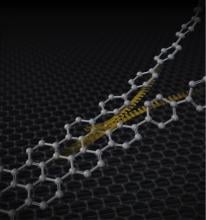
08 Feb 2018
Institute of Transformative Bio-Molecules (WPI-ITbM), Nagoya University
A fast and efficient method for graphene nanoribbon synthesis
Scientists at Nagoya University have now developed a fast way to form nanographenes in a controlled fashion.
Researchers
Sorry, no researchers coming up for this topic.
Giants in history

Japanese biochemist Akira Endo (1933 – 2024) discovered the first statin, called mevastatin, which lowered cholesterol levels in the blood by inhibiting a key enzyme in the cholesterol biosynthesis pathway. His work laid the foundation for the development of statins to help patients lower their blood cholesterol levels and reduce their risk of heart disease or stroke.
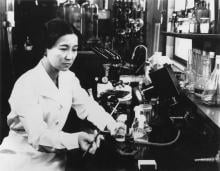
Ruby Sakae Hirose (1904 – 1960) was a Japanese-American scientist whose research contributed significantly to our understanding of blood clotting, allergies and cancer.
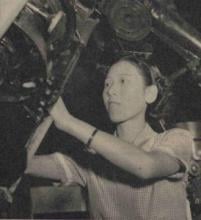
Haisako Koyama (1916 – 1997) was a Japanese solar observer whose dedication to recording sunspots – cooler parts of the sun’s surface that appear dark – produced a sunspot record of historic importance.
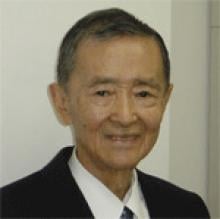
Michiaki Takahashi (17 February 1928 – 16 December 2013) was a Japanese virologist who developed the first chickenpox vaccine.
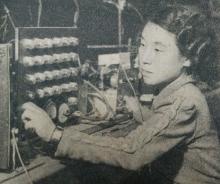
Toshiko Yuasa (11 December 1909 – 1 February 1980) was the first Japanese female physicist whose research on radioactivity shed light on beta decay – the process in which an atom emits a beta particle (electron) and turns into a different element.
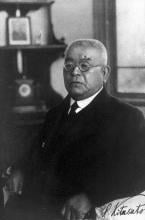
Baron Kitasato Shibasaburo (29 January 1856 – 13 June 1931) was a Japanese physician and bacteriologist whose work led to a new understanding of preventing and treating tetanus, diphtheria and anthrax.
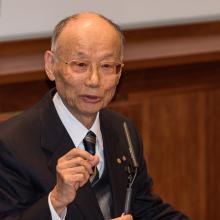
By isolating soil microorganisms and studying the compounds they produce, Satoshi Omura (born 1935) discovered almost 500 organic compounds with unique properties that were produced by these microorganisms, including many new antibiotics.
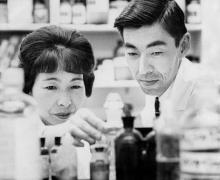
Husband and wife team, Kimishige (3 December 1925 – 6 July 2018) and Teruko Ishizaka (28 September 1926 – 4 June 2019) discovered the antibody class Immunoglobulin E (IgE) that triggers allergic reactions. They also discovered that IgE antibodies attach to white blood cells, known as mast cells, releasing histamine, which causes allergic reactions.
Husband and wife team, Kimishige (3 December 1925 – 6 July 2018) and Teruko Ishizaka (28 September 1926 – 4 June 2019) discovered the antibody class Immunoglobulin E (IgE) that triggers allergic reactions. They also discovered that IgE antibodies attach to white blood cells, known as mast cells, releasing histamine, which causes allergic reactions.
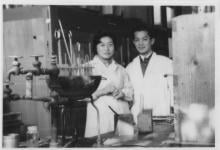
Reiji Okazaki (8 October 1930 – 1 August 1975) and Tsuneko (7 June 1933) were a Japanese couple who discovered Okazaki fragments – short sequences of DNA that are synthesized during DNA replication and linked together to form a continuous strand.
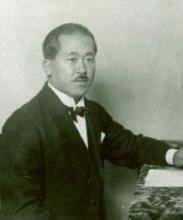
In 1915, Koichi Ichikawa along with pathologist Katsusaburo Yamagiwa became the first to prove that chronic exposure to chemicals can cause cancer.
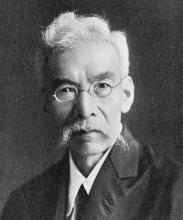
In 1915, pathologist Katsusaburo Yamagiwa and his research assistant Koichi Ichikawa became the first to prove that chronic exposure to chemicals can cause cancer.
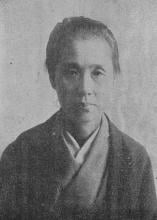
Ogino Ginko (3 March 1851 – 23 June 1913) was the first registered female doctor to practise modern medicine in Japan.
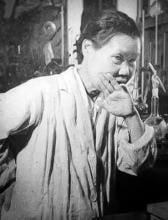
Michiyo Tsujimura (17 September 1888 – 1 June 1969) was a Japanese agricultural scientist and biochemist recognized for her research of green tea components.
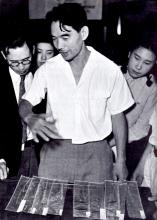
Hitoshi Kihara (1893 – 1986) was one of the most famous Japanese geneticists of the 20th century. One of his most significant contributions was identifying sex chromosomes (X and Y) in flowering plants.
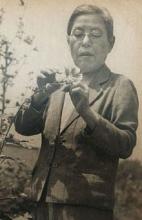
Kono Yasui (16 February 1880 – 24 March 1971) was a Japanese botanist who researched the genetics of poppies, corn and spiderworts and surveyed the plants that had been affected by the nuclear fallout after the atomic bombings of Hiroshima and Nagasaki.
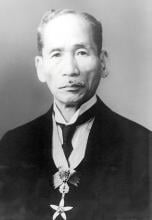
Umetaro Suzuki (7 April 1874 – 20 September 1943) was a Japanese scientist best remembered for his research on beriberi, a disease caused by vitamin B1 deficiency, characterized by limb stiffness, paralysis and pain.
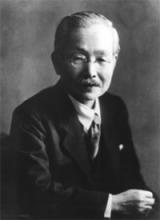
Kikunae Ikeda (8 October 1864 – 3 May 1936) was a Japanese chemist who discovered the fifth basic taste, umami.
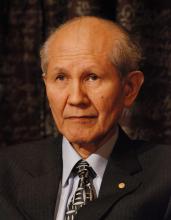
Osamu Shimomura (27 August 1928 – 19 October 2018) was a Japanese organic chemist and marine biologist who dedicated his career to understanding how organisms emitted light.
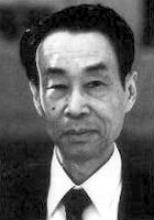
Motoo Kimura (13 November 1924 – 13 November 1994) was a Japanese theoretical population geneticist who is best remembered for developing the neutral theory of molecular evolution.

Chika Kuroda (24 March 1884 – 8 November 1968) was a Japanese chemist whose research focussed on the structures of natural pigments.
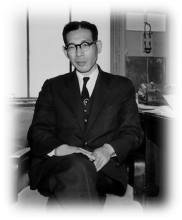
The field of solid-state ionics originated in Europe, but Takehiko Takahashi of Nagoya University in Japan was the first to coin the term ‘solid ionics’ in 1967. ‘Solid-state ionics’ first appeared in 1971 in another of his papers, and was likely a play on ‘solid-state electronics’, another rapidly growing field at the time.
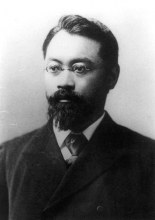
The techniques that make industrial pearl culturing possible were developed over a century ago at the Misaki Marine Biological Station in Japan. The station’s first director, Professor Kakichi Mitsukuri, emphasized to Kokichi Mikimoto in 1890 that stimulating pearl sac formation was important for pearl growth, and they went on to successfully develop methods for culturing pearls.
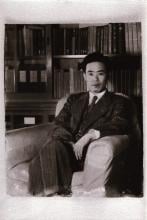
Japanese physicist Ukichiro Nakaya (1900-1962) made the world’s first artificial snowflakes. He started his research on snow crystals in the early 1930s at Hokkaido University, where there is an unlimited supply of natural snow in winter. By taking over 3,000 photographs, he established a classification of natural snow crystals and described their relationship with weather conditions.
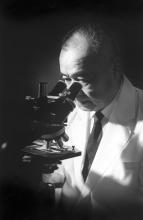
Minoru Shirota (April 23, 1899 – March 10, 1982) was a Japanese microbiologist who invented the popular fermented drink Yakult.
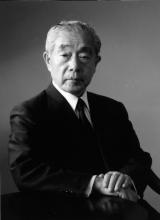
Japanese chemist Kenichi Fukui (4 October 1918 – 9 January 1998) was the first Asian scientist to be awarded the Nobel Prize in Chemistry. Together with Roald Hoffman, he received this honour in 1981 for his independent research into the mechanisms of chemical reactions.
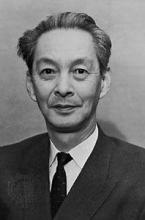
Shinichiro Tomonaga (31 March 1906 – 8 July 1979), together with Richard Feynman and Julian Schwinger, was awarded the Nobel Prize in Physics in 1965, for their contributions to advance the field of quantum electrodynamics. Tomonaga was also a strong proponent of peace, who actively campaigned against the proliferation of nuclear weapons and promoted the peaceful use of nuclear energy.
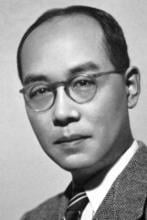
Hideki Yukawa (23 January 1907 – 8 September 1981) was awarded the Nobel Prize in Physics in 1949 for predicting the existence of the pi meson subatomic particle. Japan’s first Nobel laureate, Yakawa also expressed his support for nuclear disarmament by signing the Russell–Einstein Manifesto in 1955.
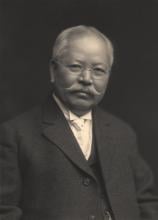
Japanese chemist Takamine Jokichi (3 November 1854 – 22 July 1922) founded the Tokyo Artificial Fertilizer Company, where he isolated a starch-digesting enzyme (named takadiastase) from the fungus Aspergillus oryzae.
Tsuneko (7 June 1933) and Reiji Okazaki (8 October 1930 – 1 August 1975) were a Japanese couple who discovered Okazaki fragments – short sequences of DNA that are synthesized during DNA replication and linked together to form a continuous strand.
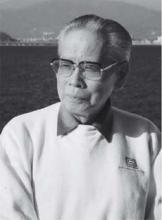
A Japanese surgeon, Tetsuzo Akutsu (20 August 1922 – 9 August 2007) built the first artificial heart capable of keeping an animal alive.
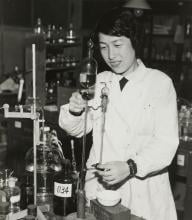
Japanese geochemist Katsuko Saruhashi developed the first method and tools for measuring carbon dioxide in seawater