

Biology Neuroscience
News
30 Sep 2026
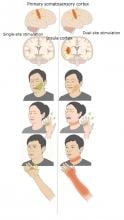
Researchers at the University of Osaka found that simultaneous stimulation of the primary somatosensory cortex and insular cortex may produce richer artificial bodily sensations than stimulating either region alone. In three patients, dual-site stimulation evoked sensations including gentle touch and combined numbness and warmth. These preliminary findings suggest that multisite stimulation may influence how sensory qualities are integrated, with potential applications in sensory neuroprosthetics and functional brain mapping in humans.
17 Sep 2026
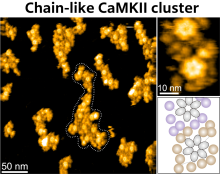
Researchers at the Nano Life Science Institute (WPI-NanoLSI) at Kanazawa University, Kyoto University, SOKENDAI, and the National Institute for Physiological Sciences have revealed how a key brain protein involved in learning and memory organizes itself into chain-like structures. Their study was published in Science Advances.
11 Sep 2026
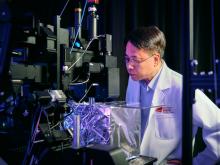
A study co-led by Professor Yung Wing-ho, Chair Professor in the Department of Neuroscience at City University of Hong Kong, together with scholars from The Chinese University of Hong Kong, has explained the underlying cause, revealing how the brain dynamically reorganises itself to break through the cognitive bottleneck and achieve efficient, simultaneous multitasking.

26 Aug 2026
The brain sends signals to the body, and the body sends signals to the brain. Focusing on the latter system, researchers at Tohoku University found that stimulating the vagus nerve can promote lasting motor learning.
25 Aug 2026
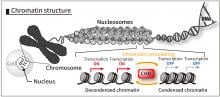
Developmental disorders, including autism, entail challenges in social life; as the number of affected individuals has risen, this has become a significant societal concern. Using a mouse model, we demonstrate that a mutation in CHD8, a gene associated with autism spectrum disorder, causes abnormal differentiation of ventral progenitor cells, leading to autistic-like behavior in adulthood. This should lead to the elucidation of mechanisms underlying autism onset during brain development and to the advancement of therapeutics.
28 Jul 2026
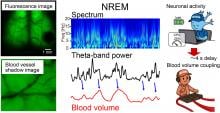
Have you ever felt strangely exhausted after waking up from a dream? Researchers took a look at how the brain allocates energy during sleep to explain this “paradoxical sleep.”

22 Jun 2026
Researchers find that neurons routinely sustain DNA breaks during cortex formation, but a rapid repair system corrects the damage before harm occurs.

18 Jun 2026
Sweet power nanogenerator, Cosmic fossil, Dopamine and Alzheimer's link, Sustainable 3D printing, Quantum dots for brain diseases, Smart trolley and Bamboo and bone. Read all in the latest Editor's Choice. Plus SciCom Coffee talk: Inside a University Merger.
17 Jun 2026
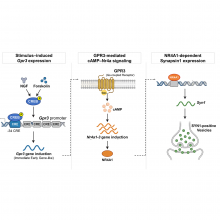
Cells have surface receptors that couple to proteins and other molecules to initiate or inhibit certain behaviors. Researchers have found that one of these receptors helps set developing cells on the path to becoming neurons much earlier than previously thought.
15 Jun 2026
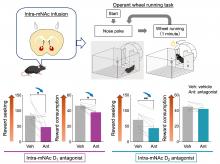
Researchers at Kanazawa University identified dopamine-driven neural mechanisms of motivation in a mouse model of behavioral addiction, offering insights into treatment.
15 Jun 2026
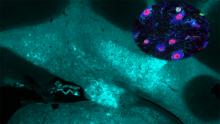
Researchers at Kanazawa University have identified a previously unrecognized mechanism by which structural changes in the cerebellum influence social behavior. The study demonstrates that disruption of specialized extracellular structures surrounding cerebellar neurons alters neuronal activity across brain circuits involved in social behavior. The findings provide new insight into the neural mechanisms associated with autism spectrum disorder (ASD).
26 May 2026
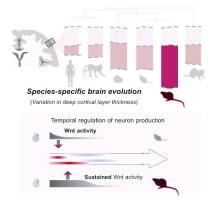
Researchers from The University of Osaka have found that the rat brain differs from other mammals in the proportion of upper and deep layer neurons in the cortex. This change likely arises from differences in the timing of signaling pathways during early brain development. Importantly, this identified mechanism may have future applications in regenerative medicine for developmental and neurological disorders.

18 May 2026
Millions of people across the world suffer from Alzheimer’s disease, where sufferers experience memory impairment. Researchers from Tohoku University and the University of California, Irvine have recently identified dopamine dysfunction as a previously unrecognized mechanism underlying memory impairment. The discovery potentially opens the door to new therapeutic means that could reverse cognitive decline in Alzheimer’s patients across the globe.
11 May 2026
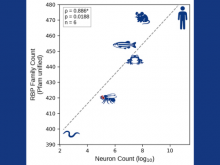
Biologists have long puzzled over why organisms with similar numbers of protein-coding genes can differ so dramatically in nervous system complexity. New research points to a potential link between the expanding diversity of RNA-binding proteins, which shape how genetic instructions are processed, and greater brain sophistication.

07 Apr 2026
Assessing the toll of elongated working hours in community-dwelling, middle-aged adults
30 Mar 2026
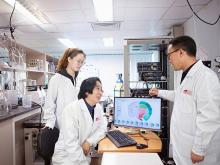
Scientists at CityUHK achieved a breakthrough in recent months with the discovery a novel compound, named MF-8. The compound and its associated pharmaceuticals demonstrate significant potential to provide safer, more effective treatments for psychiatric and neurological disorders, such as memory impairment, depression and anxiety, while effectively mitigating the side effects associated with existing medications.

11 Mar 2026
The famed Japanese green tea powder may suppress nerve activity associated with sneezing in hay fever, according to a study in mice.
12 Feb 2026
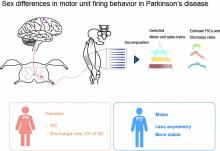
An international collaborative research team, including researchers from the Faculty of Frontier Engineering at Kanazawa University, has for the first time elucidated sex differences in motor unit firing patterns in patients with Parkinson's disease. Utilizing high-density surface electromyography (HD-SEMG), their detailed analysis of motor unit activity revealed that female patients exhibited significantly greater asymmetry in motor unit discharge rates and lower persistent inward currents (PICs) compared to males. These findings suggest that neurodegeneration may be more asymmetrical in females, even when presenting with similar motor symptoms. This study indicates that motor unit behavior can serve as a sensitive evaluation tool to highlight differences in disease presentation between sexes, potentially leading to the development of personalized treatment strategies that consider sex-specific factors in the future.
04 Feb 2026
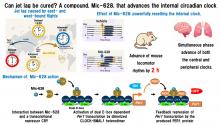
A potential breakthrough for jet lag and shift work-related sleep disorders. A Japanese research team has discovered a new compound that can advance the body’s internal clock—offering hope for faster recovery from jet lag and better adaptation to night-shift work. The compound, called Mic-628, specifically activates the transcription of a clock gene named Period1 (Per1). When given orally to mice, it advanced their body clocks and activity rhythms, regardless of dosing time. The findings suggest a new approach to controlling circadian rhythms through drug action rather than light exposure.
16 Jan 2026
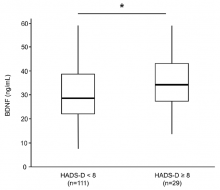
Symptoms of depression are common among people with asthma, but growing evidence suggests they may arise from biological mechanisms different from those underlying major depressive disorder.

09 Jan 2026
Scientists at the Nano Life Science Institute (WPI-NanoLSI), Kanazawa University, have captured real-time images showing how a key brain enzyme organizes itself to help memory formation. Their study, published in Nature Communications, reveals that the enzyme CaMKII forms mixed α/β subunit structures whose interactions stabilize learning-related signals in neurons.
11 Nov 2025
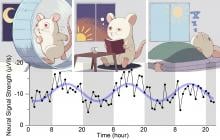
Did you know your brain might be more receptive to learning new things depending on the time of day? This study examined how a 24-hour cycle alters brain plasticity and neuronal excitability in rats.
18 Aug 2025
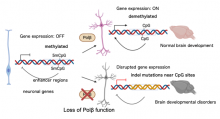
A research group led by The University of Osaka has discovered that the DNA repair enzyme Polβ plays a crucial role in protecting the developing brain from harmful mutations. The study found that a lack of Polβ leads to a significant increase in small insertions and deletions of DNA, known as indels near CpG sites, which are important regulatory regions in genes. This accumulation of mutations could contribute to neurodevelopmental disorders.

15 Jul 2025
Protein aggregation inhibitor shows lower levels of cell death and paralysis in mice with acute strokes

11 Jul 2025
By just sprinkling it on top and waiting 10 seconds, researchers can use this new fluorescent probe to clearly show synapses, the connection points between brain cells.

11 Apr 2025
New research in model mice suggests low-dose opioids may help improve social interactions in people with autism spectrum disorder.

24 Mar 2025
Researchers at Tohoku University examined the change in brain energy dynamics from induced seizures - which could potentially help us better understand individuals with epilepsy.

24 Jan 2025
At Duke-NUS Medical School scientists are pioneering breakthroughs in precision medicine and regenerative therapies, targeting everything from muscle loss to dramatically extending our years of health.

05 Dec 2024
New research suggesting a link between motor protein Kif23 and microcephaly may be the key to developing more effective treatments for this condition.

11 Nov 2024
Controlling memories in mice means forgetting a light zap, but in humans it could mean letting go of deeply traumatic events.
Events
Sorry, nothing coming up for this discipline
Researchers

Professor Minyan Wang is a PhD supervisor at the School of Science, Xi’an Jiaotong-Liverpool University, with an honorary appointment at the University of Liverpool. She earned her PhD in Neuropharmacology from the UK in 2004, supported by the Migraine Trust. With over 35 years of expertise in migraine and neurological disorders, she leads internationally collaborative projects on migraine pathogenesis and drug targets. She runs a cutting‑edge platform using multimodal techniques to decode migraine signaling and identify novel drug targets to advance novel therapies.

Assistant Professor Izumi Fukunaga grew up in Japan and Malaysia and went to London to study neuroscience. Her research focuses on how sensory circuits in the brain function.

Takami Tomiyama is currently an Associate Professor at the Graduate School of Medicine of Osaka City University.

Myungin Baek is currently an Assistant Professor at Daegu Gyeongbuk Institute of Science and Technology (DGIST).

Professor Ken's current research mainly focuses on the causes and treatments of neurodegenerative diseases. His lab has developed a nanomaterial-based technology for harvesting autologous neural stem cells from the brain of living subjects.

Greg Seong-Bae Suh is an associate professor in the Department of Biological Sciences, Korea Advanced Institute of Science and Technology (KAIST).

The Neuroscience Research Group is a multi-disciplinary team investigating the nervous system. They are focusing on animal behavioral models for memory in the laboratory. They are studying the effects of food, such as Habbatus Sauda/Black cumin (Nigella sativa) and honey, on brain microstructures and memory. They also compare Islamic and neuroscience perspectives on issues like learning and sleep for children with and without autism spectrum disorders.

Solving the mystery of sleep ~Developing new intervention methods for healthy slumber~
Takeshi Sakurai is a professor at the International Institute for Integrative Sleep Medicine, University of Tsukuba, Japan.
We investigate the brain through visual functions to apply the knowledge to human engineering and image engineering.

Masanori Shimono is an associate professor at Kyoto University Graduate School of Medicine.

Prof. Dr. Francisco J. Barrantes is the Head of the Laboratory of Molecular Neurobiology, BIOMED UCA-CONICET, Buenos
Aires, Argentina.

Giants in history

David T. Wong (born 1936) is a Hong Kong-born American neuroscientist who is best known for discovering the antidepressant drug fluoxetine, better known as Prozac.