

This story is featured in the Asia Research News 2026 magazine. Book space in the next issue now.
Get the news in your inbox
The pace of medical innovation can feel painfully slow, especially for those waiting for a new therapy, better tests, or a cure. At Xi’an Jiaotong-Liverpool University (XJTLU), three scientists are working on ways to speed up medical diagnosis, treatment, and disease prevention, from a rapid breath test for cancer screening to tools that validate drug targets before costly trials and AI systems that screen protective materials virtually. Each targets a different stage of the pathway from discovery to treatment, but together, their work points to a more efficient future for healthcare.
Detection before symptoms
Time is of the essence with colorectal cancer. Catch it late, and survival odds plummet. Yet 60% to 70% of patients aren’t diagnosed until advanced stages, when treatment options narrow.
Current screening usually relies on colonoscopy, an invasive process that can be uncomfortable and often requires recovery time. These barriers prevent many people from getting screened, hindering early detection.
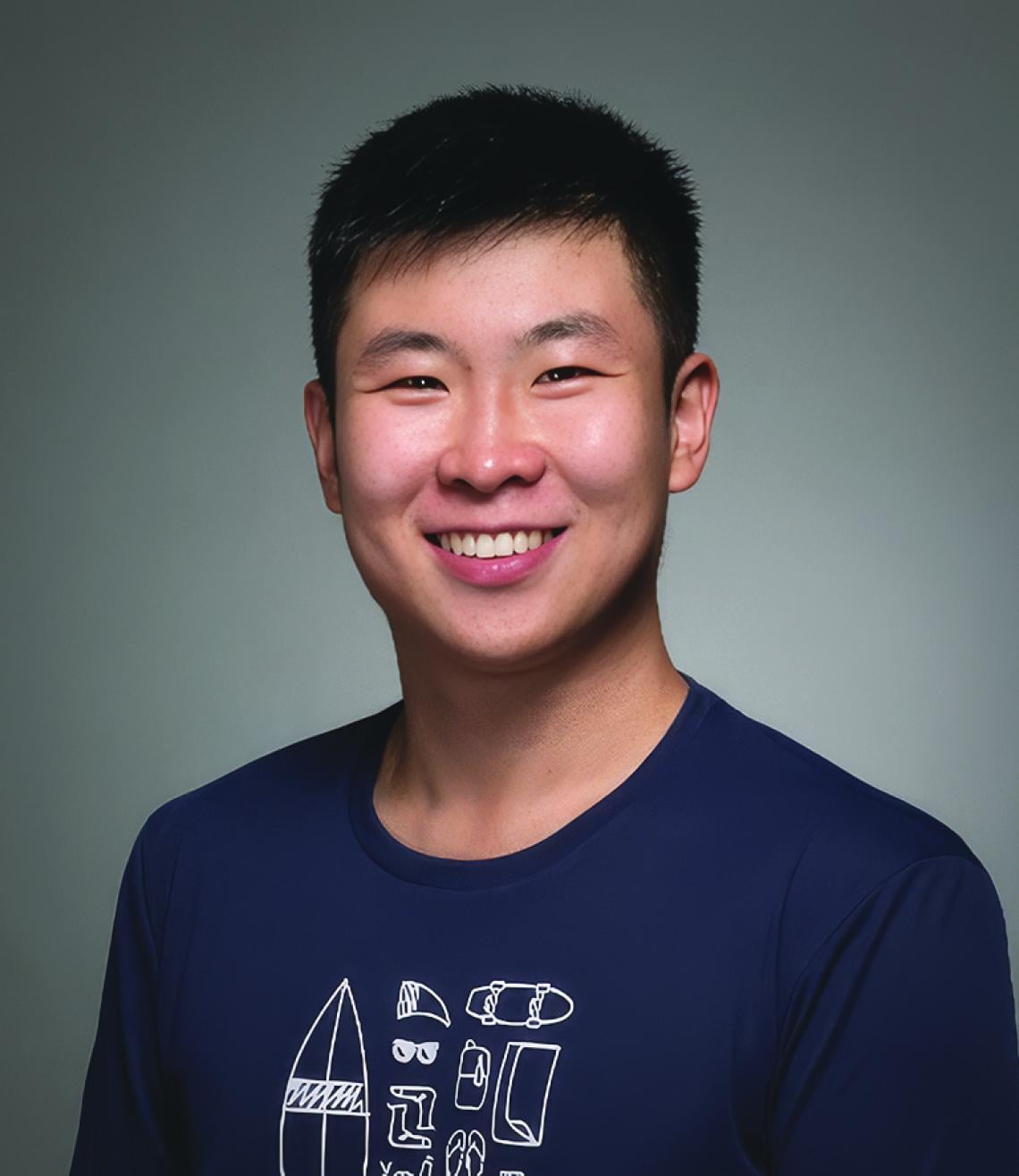
Qiuchen Dong and his lab developed a fast and non-invasive test for colorectal cancer screening
Qiuchen Dong, an assistant professor in XJTLU’s Department of Chemistry and Materials Science, and his Sensor-on-Chip Analytical Laboratory (SoCAL) have developed a non-invasive volatile organic compounds gas sensor test that could help doctors check a patient’s status before determining whether a colonoscopy is needed. The test measures the concentration of biomarkers in the headspace of feces from the volunteers.
The metal oxide-based sensors detect volatile organic compounds — biomarkers that cancer patients exhale in traceable amounts. Using machine learning, the sensors distinguish between cancer patients, those with precancerous adenomas, and healthy people.
“Results are available in as little as 10 minutes, with no painful procedures or recovery time,” says Dong. For those facing colorectal cancer, this accessibility could be life-changing, increasing the likelihood that the disease is caught early enough for treatment to be effective.
Further information
Dr Qiuchen Dong
[email protected]
Xi'an Jiaotong-Liverpool University (XJTLU)
Did you know?
Colorectal cancer is the second leading cause of cancer deaths worldwide, with a significant increase in Asia due to more red and processed meat diet, alcohol and cigarette consumption, obesity and diabetes. Screening programmes have also increased detection rates.
Testing before trials
Meanwhile, Minyan Wang, a professor in XJTLU’s Department of Biosciences and Bioinformatics, tackles a bottleneck to treating migraine. Her team aims to identify which drug targets are worth pursuing in clinical trials for the disorder.
Over a billion people live with migraine, and most sufferers are women. It is the second leading cause of disability worldwide, yet the disorder is still not fully understood, and the limited treatments available are often ineffective.
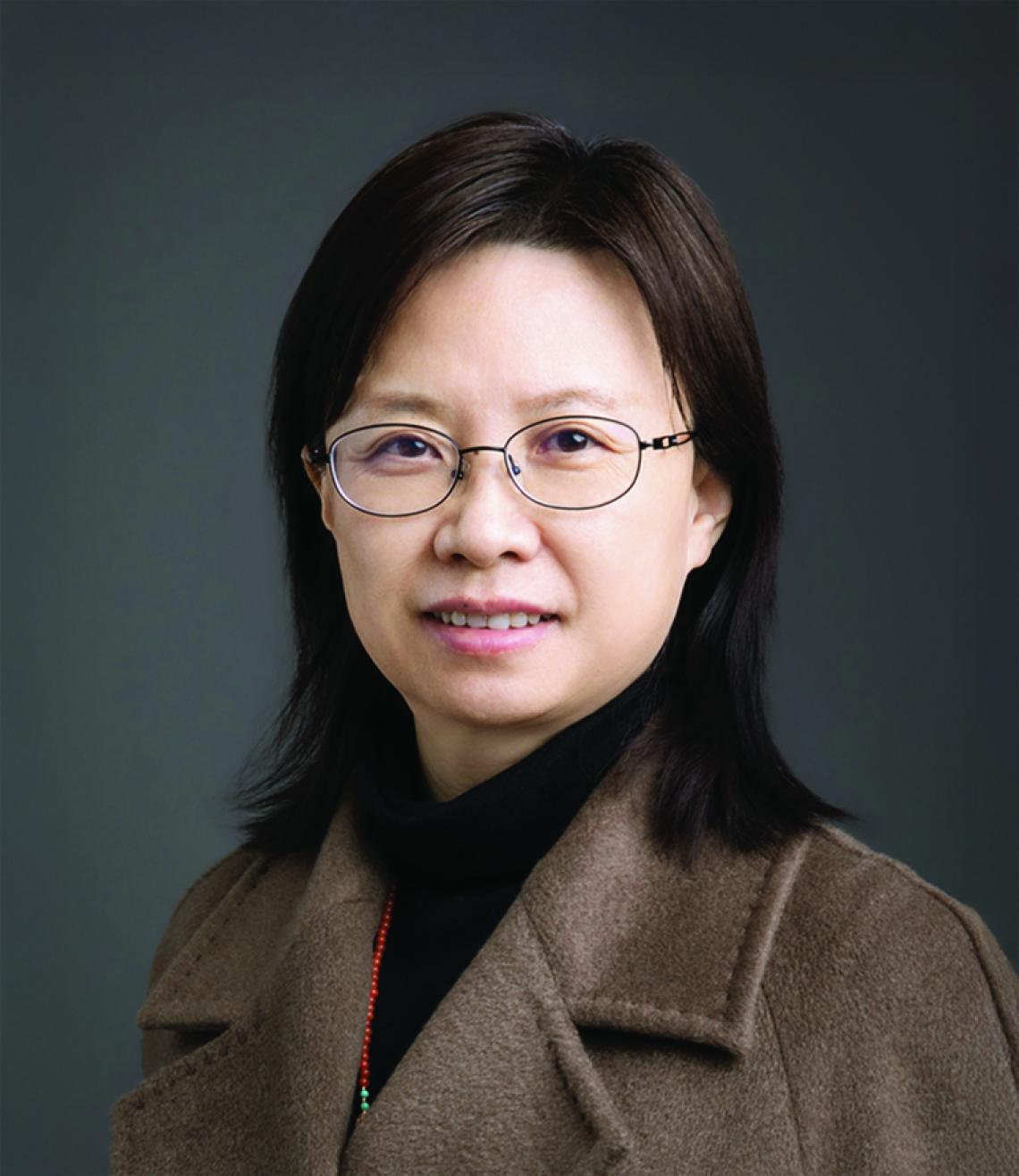
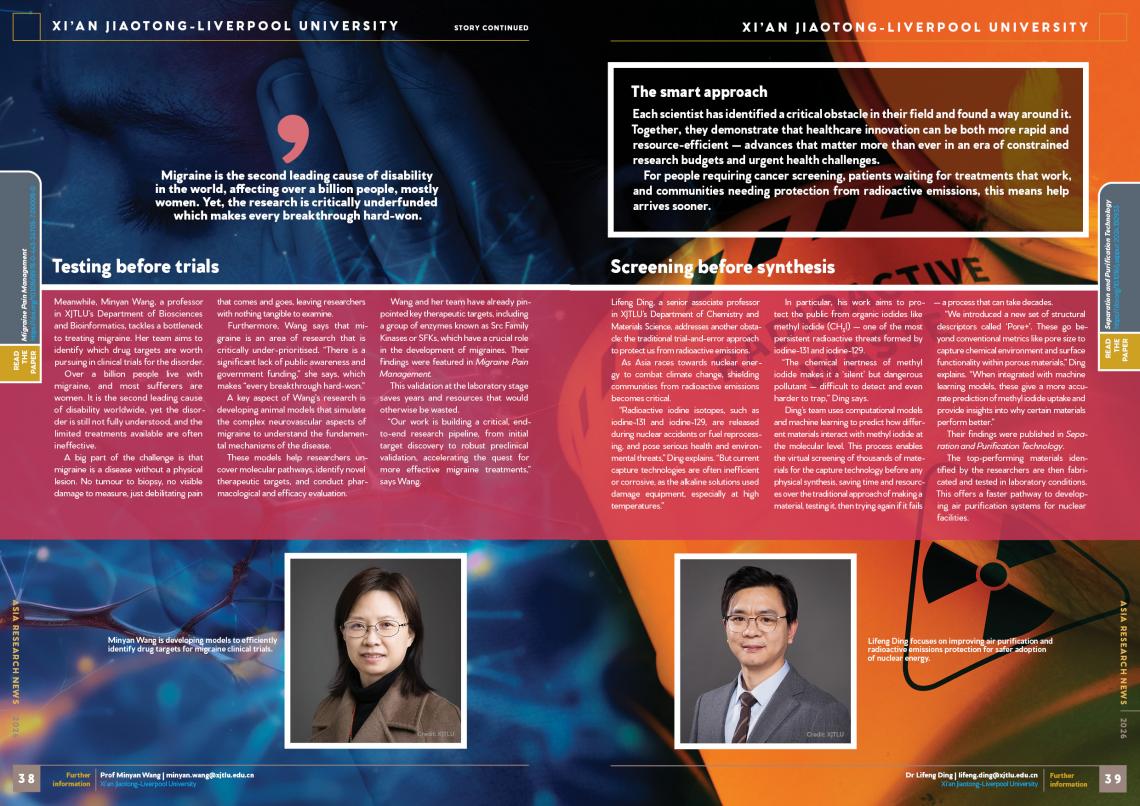
Minyan Wang is developing models to efficiently identify drug targets for migraine clinical trials.
A big part of the challenge is that migraine is a disease without a physical lesion. No tumour to biopsy, no visible damage to measure, just debilitating pain that comes and goes, leaving researchers with nothing tangible to examine.
Furthermore, Wang says that migraine is an area of research that is critically underprioritised. “There is a significant lack of public awareness and government funding,” she says, which makes “every breakthrough hard-won.”
A key aspect of Wang’s research is developing animal models that simulate the complex neurovascular aspects of migraine to understand the fundamental mechanisms of the disease.
These models help researchers uncover molecular pathways, identify novel therapeutic targets, and conduct pharmacological and efficacy evaluation.
Wang and her team have already pinpointed key therapeutic targets, including a group of enzymes known as Src Family Kinases or SFKs, which have a crucial role in the development of migraines. Their findings were featured in Migraine Pain Management.
This validation at the laboratory stage saves years and resources that would otherwise be wasted.
“Our work is building a critical, end-to-end research pipeline, from initial target discovery to robust preclinical validation, accelerating the quest for more effective migraine treatments,” says Wang.
Read the paper
Migraine Pain Management: https://doi.org/10.1016/B978-0-443-24705-7.00009-0
Further information
Prof Minyan Wang
[email protected]
Xi'an Jiaotong-Liverpool University (XJTLU)
Did you know?
Migraine is the second leading cause of disability in the world, affecting over a billion people, mostly women. Yet, the research is critically underfunded which makes every breakthrough hard-won.
Screening before synthesis
Lifeng Ding, a senior associate professor in XJTLU’s Department of Chemistry and Materials Science, addresses another obstacle: the traditional trial-and-error approach to protect us from radioactive emissions.
As Asia races towards nuclear energy to combat climate change, shielding communities from radioactive emissions becomes critical.
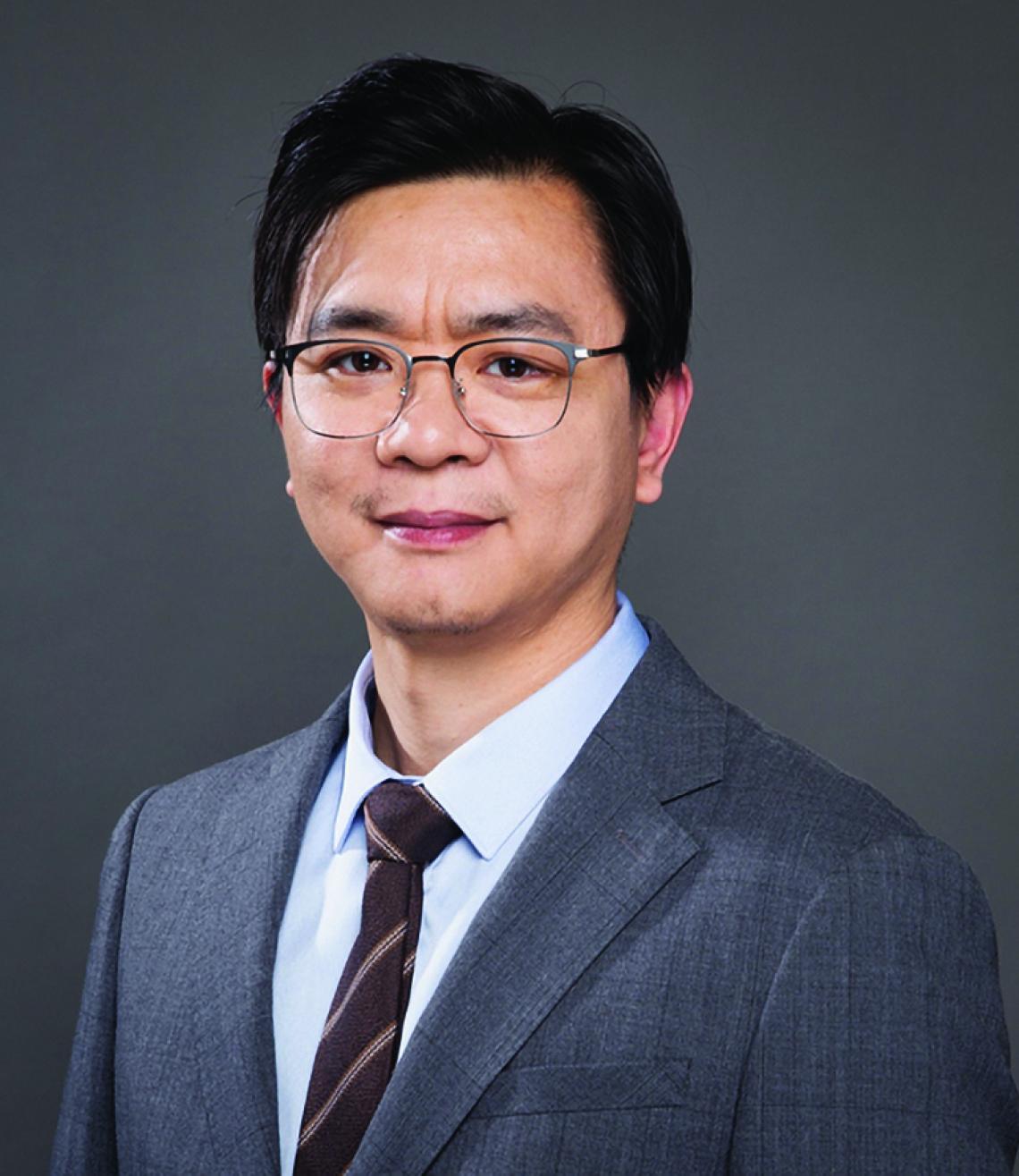
Lifeng Ding focuses on improving air purification and radioactive emissions protection for safer adoption
of nuclear energy.
“Radioactive iodine isotopes, such as iodine-131 and iodine-129, are released during nuclear accidents or fuel reprocessing, and pose serious health and environmental threats,” Ding explains. “But current capture technologies are often inefficient or corrosive, as the alkaline solutions used damage equipment, especially at high temperatures.”
In particular, his work aims to protect the public from organic iodides like methyl iodide (CH3I) — one of the most persistent radioactive threats formed by iodine-131 and iodine-129.
“The chemical inertness of methyl iodide makes it a ‘silent’ but dangerous pollutant — difficult to detect and even harder to trap,” Ding says.
Ding’s team uses computational models and machine learning to predict how different materials interact with methyl iodide at the molecular level. This process enables the virtual screening of thousands of materials for the capture technology before any physical synthesis, saving time and resources over the traditional approach of making a material, testing it, then trying again if it fails — a process that can take decades.
“We introduced a new set of structural descriptors called ‘Pore+’. These go beyond conventional metrics like pore size to capture chemical environment and surface functionality within porous materials,” Ding explains. “When integrated with machine learning models, these give a more accurate prediction of methyl iodide uptake and provide insights into why certain materials perform better.”
Their findings were published in Separation and Purification Technology.
The top-performing materials identified by the researchers are then fabricated and tested in laboratory conditions. This offers a faster pathway to developing
air purification systems for nuclear facilities.
Read the paper
Separation and Purification Technology: https://doi.org/10.1016/j.seppur.2024.130933
Further information
Dr Lifeng Ding
[email protected]
Xi'an Jiaotong-Liverpool University (XJTLU)
The smart approach
Each scientist has identified a critical obstacle in their field and found a way around it. Together, they demonstrate that healthcare innovation can be both more rapid and resource-efficient — advances that matter more than ever in an era of constrained research budgets and urgent health challenges.
For people requiring cancer screening, patients waiting for treatments that work, and communities needing protection from radioactive emissions, this means help arrives sooner.
Further information
XJTLU Inquiries
xjtlu.edu.cn/en
Xi'an Jiaotong-Liverpool University (XJTLU)
Download this story

Advertisement