

Medicine & Healthcare
News

14 Oct 2024
Not much is known about the extent of Hepatitis A virus (HAV) contamination among Philippine communities, according to researchers, prompting an urgent call for further research and monitoring efforts.

14 Oct 2024
This global event will showcase groundbreaking innovations aimed at advancing the United Nations Sustainable Development Goals (SDGs), bringing together industry leaders, researchers, policymakers, and innovators from around the world.

14 Oct 2024
To enhance the life quality of patients with sleep disordered breathing, researchers and clinicians led by an SUTD scientist used computational modelling to design custom-fit masks that have improved positive airway pressure treatment.

10 Oct 2024
Fluorescein angiography capable of assessing neural blood flow in chronic nerve compression neuropathy

08 Oct 2024
Surgery for discoid lateral meniscus in adolescence could lead to worsening complications and difficult solutions

07 Oct 2024
Mirror, mirror, in my tank, who’s the biggest fish of all? Sigma bond spotted, Balancing cell membrane, Exploring quantum squeezing and Outbreak preparedness. Read all in the latest Editor's Choice.

03 Oct 2024
Hepatocellular carcinoma recurrence related to proper weight and diabetes regulation

03 Oct 2024
Duke-NUS introduces 35 innovative pictograms to make medication instructions clearer, especially for seniors.

01 Oct 2024
Using real-world information written in Japanese, large language model displays accuracy on par with neuroradiologists

30 Sep 2024
Scientists have discovered that blocking the activity of the hormone glucagon could treat a common and challenging type of heart failure that affects millions worldwide.

26 Sep 2024
Scientists identified a protein that regulates cellular clean-up, could also hold the key to new treatments for age-related muscle loss and muscle wasting in cancer patients, enhancing quality of life.

25 Sep 2024
The Androgen Receptor in Mesenchymal Progenitor Cells Drives Skeletal Muscle Mass Regulation

25 Sep 2024
A research team led by Osaka University has developed Japan's first biomolecular sequencer prototype, crucial for gene-based cancer diagnosis and treatment. After 16 years of research, the team, led by Professors Taniguchi and Ohshiro, collaborated with H.U. Group Research Institute and Sony Global Manufacturing & Operations Corporation to overcome technical challenges. The team plans to enhance the device with AI for accurate diagnostics and to advance peptide drug discovery.

25 Sep 2024
By targeting multiprotein molecule, antibody inhibits bacteria’s growth, pathogenicity

24 Sep 2024
• Two-year assessment provides critical insights and recommendations for strengthening genomic sequencing for infectious disease surveillance in 13 South and Southeast Asian countries.
• Research helps to step up Asia’s preparedness across wide range of diseases.

24 Sep 2024
A research team from Osaka University has discovered a novel mechanism essential for initiating autophagy. The study highlights the role of ZDHHC13, an enzyme that palmitoylates ULK1, in triggering autophagy. This discovery sheds light on the molecular pathways involved in autophagy and their implications for diseases such as cancer, neurodegenerative disorders, and aging-related conditions.

20 Sep 2024
Researchers from Osaka University studied the neurological control applied to human walking that maintains the correct relationship between the leg positions. They found that the rhythm of each leg continues independently unless they become too far out of phase. This work can lead to better care for people who have difficulty walking due to age or neurological issues.

20 Sep 2024
Incidence, risk factors found for pulmonary aspergillosis, an invasive fungal infection of lungs, among COVID-19 patients

20 Sep 2024
A research group has developed a new COVID-19 testing system using Janus particles—microparticles with two sides possessing distinctive molecular properties. These particles are engineered to bind specifically to target antigens, such as viral proteins, creating a low-cost, accurate, and rapid means of testing for viral diseases. The system’s versatility means it can potentially be used to test for other diseases and biomarkers linked to other conditions.

19 Sep 2024
Researchers from Osaka University found that antibiotic-resistant bacteria are fatter and shorter than their antibiotic-sensitive parental strains, and that these morphological changes correlate with changes in the expression of genes related to energy metabolism and antibiotic resistance. A machine learning approach was able to distinguish between antibiotic-resistant and antibiotic-sensitive bacteria in the absence of drug treatment based on microscope images, suggesting that bioinformatics could be used to detect antibiotic resistance in patient samples.

18 Sep 2024
An international consortium led by Duke-NUS Medical School introduces an ethics checklist for systematic and standardised assessment for research involving generative AI technologies in healthcare settings, enhancing accountability
17 Sep 2024
Learned society and publisher Applied Microbiology International (AMI) has announced a new partnership with science communicators SelectScience.
The two organisations will be working together on SelectScience’s upcoming CLINICAL24 campaign and beyond.

17 Sep 2024
A recent study from Osaka University reveals that intensive diabetes treatment can improve periodontal disease inflammation. Researchers found that two weeks of intensive diabetes treatment under hospitalization for patients with type 2 diabetes significantly improved not only blood sugar control but also PISA, an indicator of gum disease inflammation. Furthermore, the improvement in PISA was related to factors such as insulin secretion capacity and the severity of diabetes complications and comorbidities before diabetes treatment. These findings suggest that early intervention in diabetes is crucial for improving gum disease in diabetic patients.
16 Sep 2024
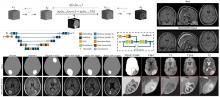
Med-DDPM, a diffusion model, generates high-resolution 3D brain MRIs from masks, addressing data scarcity and privacy concerns in medical imaging.

12 Sep 2024
Whether immunotherapy or conventional chemotherapy carries less mortality risk depends on BMI

11 Sep 2024
Researchers from Monash University and Osaka University find that administering regulatory T cells (Tregs) to a tissue injury can promote healing. The team locally treated mouse bone, muscle, and skin injuries with Tregs, resulting in significant tissue regeneration and wound healing compared with control treatments. Mechanistically, Tregs can promote tissue monocyte and macrophage switching to an anti-inflammatory state, specifically by secreting signaling molecules like interleukin-10. These data demonstrate the strong potential of using Tregs as a cell-based therapy for regenerative medicine.

10 Sep 2024
Seaweed helps brain health, Whales in long-distance relationships, Jumpstarting male fertility, Demystifying black hole turbulence, Shrimp to steel & Mpox Resources. Read all in the latest Editor's Choice.

09 Sep 2024
Studied oxidative stress and Parkinson’s disease as a case study

09 Sep 2024
Suppression of an enzyme might allow melanocytes to recover

05 Sep 2024
Researchers from Osaka University have identified key immune cells that respond to the COVID-19 mRNA vaccination. These cells, known as activated atypical B cells, are increased in blood samples from people who have been vaccinated against COVID-19. Additionally, people with higher levels of these cells have more antibodies to fight the COVID-19 virus. These findings should help researchers assess how well people respond to the vaccine and help improve the design of new vaccines.
Events
Sorry, nothing coming up for this discipline
- « first
- ‹ previous
- 1
- 2
- 3
- 4
Researchers
Sorry, nothing coming up for this discipline
- « first
- ‹ previous
- 1
- 2
- 3
- 4
Giants in history
Sorry, nothing coming up for this discipline