

Medicine & Healthcare
News

22 Jul 2024
Duke-NUS Medical School today launched LIVE Ventures, a S$20 million incubation programme designed to catalyse the commercialisation of innovative academic research. Focused on translating scientific breakthroughs into clinical applications, LIVE Ventures will provide Duke-NUS scientists conducting high-impact research with essential commercialisation expertise and resources and partner with both public and private sector entities to co-fund these projects.

21 Jul 2024
Researchers from Osaka University interviewed Japanese women using oral contraceptives (OC) in Korea, revealing clinical and ethical issues faced by transnational patients. The study identified new health care types and highlighted differing perceptions of OC between patients and doctors upon returning to Japan, creating dilemmas. Ethical implications were proposed, and future access to patient-centered medicine and drug reclassification was investigated to improve SRHR issues in Japan.

18 Jul 2024
Combination of venetoclax and azacitidine helps patients with AML who relapse after hematopoietic cell transplant

12 Jul 2024
A method to screen a wide variety of drug candidates without laborious purification steps could advance the fight against drug-resistant bacteria.

10 Jul 2024
Researchers from Japan discover a new enzyme with promising antibacterial activity

10 Jul 2024
First epidemiological study on incidence of EoE in Japan

09 Jul 2024
Decoding dead stars’ “heartbeats”, Why do females live longer? DNA controller for molecular robots, Earliest twin quasars found. Read all in the latest Editor's Choice. Plus July's SciCom Coffee with A*STAR's Lisa Chong and get the early bird price to be in Asia Research News 2025.

08 Jul 2024
Potential benefits of method include subjecting patients to fewer exams and reducing health care costs

02 Jul 2024
Osaka University researchers developed molecules, called splice-switching oligonucleotides (SSOs) that bind to the RNA molecules encoding a protein known as REST. In neuroendocrine tumors, these RNAs are incorrectly spliced together, which supports the cancerous phenotype. When injected into tumors in laboratory mice, SSOs could help restore normal REST function, leading to reduced tumor size. This novel approach is a promising new tool for treating neuroendocrine tumors that do not respond to conventional therapies.

02 Jul 2024
Results compare favorably with conventional microscopic method, with added benefit of shorter operative times, less blood loss

30 Jun 2024
Researchers from Osaka University have identified that the loss of the Men1 gene is key in the development of osteoporosis, fragile bones occurring with age. They developed a mouse model of age-related cellular aging, or ‘senescence’, in the bone for the first time. This showed that cellular senescence of bone-forming osteoblasts leads to osteoporosis due to an imbalance between the activities of bone formation and bone resorption, opening avenues for drug intervention and novel treatments.

20 Jun 2024
WSA's Office of Research in Clinical Amplification (ORCA) Asia will be a research laboratory dedicated to conducting audiological research for the Asian population.

12 Jun 2024
Researchers from Osaka University found that germ cells, which develop into eggs and sperm, drive sex-dependent differences in lifespan in vertebrates. Female and male germ cells increase and reduce lifespan, respectively. These effects are controlled via estrogen and growth factor hormones in females and vitamin D in males. Vitamin D supplementation extends lifespan in both males and females. The results clarify the link between reproduction and aging and show that vitamin D may improve longevity in vertebrates.

07 Jun 2024
Blue energy future, Off switch for brain cells, New Japanese lily species, Generative AI in motion, Economies take off with new airports and Braille-shaped electrodes for retinal implants. Read all in the latest Editor's Choice. Plus SciCom Coffee with Catriona Child.

05 Jun 2024
Osaka University researchers discovered a correlation between high GDF15 levels in steatotic liver patients and increased liver cancer risk. Steatotic liver disease cases, fueled by lifestyle-related issues, have surged globally, with Japan reporting a significant prevalence. Elevated GDF15 levels also signify complication risks associated with liver cirrhosis. Combining GDF15 levels and FIB-4 index aids efficient liver cancer detection, potentially improving prognosis through early intervention.

04 Jun 2024
Online group discussions, active learning help sustain healthy habits among countryside residents

04 Jun 2024
Groundbreaking research from Duke-NUS offers new hope to millions with asthma and severe food allergies, signalling a new strategy for the prevention of life-threatening reactions.

01 Jun 2024
The largest graduating class in Duke-NUS’ history saw 90 graduates, including the first-ever Master of International Translational Medicine cohort, receive their degrees. Collectively, this cohort published 99 academic publications, underscoring Duke-NUS’ role as a leader in innovation and academic rigour in medical education. Celebrating diverse pathways to a career in healthcare, the graduates’ first degrees reflect diverse backgrounds, including architecture, communication studies and engineering, among others.

30 May 2024
Research collaboration between Osaka University and Otsuka Pharmaceutical Co., Ltd. revealed that deletion of mRNA endonuclease Regnase-1 promoted NK cell anti-tumor activity via OCT2-dependent transcriptional up-regulation of Ifng mRNA. Associated with the deletion of Regnase-1 in NK cells, NK cells showed a high expression of OCT2 and CXCR6 in those that escaped from mRNA decay from Regnase-1, and they contributed to the transcriptional regulation of Ifng and NK cell persistence inside the tumor microenvironment, respectively. The loss-of-function strategy targeting Regnase-1 potentially enhances the production of cytotoxic proteins such as IFN-γ, granzymes, and perforin. This approach also promotes NK cell infiltration and persistence within the tumor, thereby facilitating the development of effective anti-tumor immunotherapy against solid tumors.

29 May 2024
A flexible two-layer polymer membrane allows safe, steady, and targeted release of a drug over weeks and months.

27 May 2024
Osaka University is starting a Phase I clinical trial (first in human) for refractory prostate cancer using an astatine-labeled drug ([At-211]PSMA-5). This trial aims to evaluate the safety, pharmacokinetics, and efficacy of the new alpha therapy. Previous trials for thyroid cancer have been successful. The trial addresses the high unmet needs of prostate cancer patients and leverages Japan's ability to manufacture astatine. This innovative therapy promises fewer side effects and no need for hospitalization, potentially benefiting patients globally.
27 May 2024
• International study, led by researchers in Singapore and Germany, unveils unexpected mechanisms of SGLT2 inhibitors, challenging the assumption that their beneficial, organ-protective effects stem from a diuretic effect.
• Insights suggest the drugs, which have been developed to treat diabetes but are meanwhile widely used for chronic kidney disease and heart failure, trigger ancient and highly conserved evolutionary survival signals that may also contribute to longer healthspans.
24 May 2024
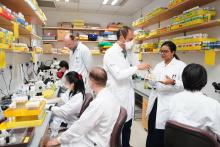
New genetic tool developed by Duke-NUS could help investigate brain function and psychiatric disorders.
23 May 2024
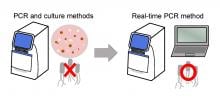
Novel real-time PCR method might become diagnostic tool targeting emerging bacterium responsible for food poisoning outbreaks

22 May 2024
Researchers from Osaka University have found that a specific pattern of brain activity, known as “sharp-wave ripples,” is associated with thoughts that wander from the present situation. This activity begins in the hippocampus, a crucial brain region for memory formation and recall, and is linked to more vivid and less desirable thoughts. A better understanding of the relationship between sharp-wave ripples and these kinds of thoughts might be helpful for treating related conditions.

21 May 2024
Researchers at Osaka University analyzed data from the Japan Gerontological Evaluation Study and found that socioeconomic status (SES) transitions affect dementia risk. Specifically, upward SES mobility is greater associated with reduced dementia risk and extended healthy aging with dementia-free lifespan, while downward mobility increases risk. The study of 9,186 participants found that lifestyle, comorbidities, and social factors mediate this relationship, highlighting the importance of SES in cognitive health and preventing dementia.
21 May 2024
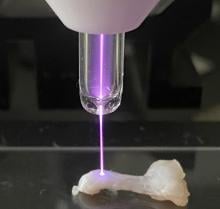
Promising results of helium plasma jet therapy on rats after surgery widen scope of method’s medical applications

20 May 2024
Researchers from Osaka University found that the tyrosine kinase Csk plays a crucial role in regulating germinal center B cell signaling. Csk deletion in a mouse model led to increased ROS production and apoptosis, thereby inhibiting B cell affinity maturation.

13 May 2024
Researchers undertook a study of older adults to examine the connection between a sense of economic insecurity and a person’s participation in social activities.

13 May 2024
Researchers from Osaka University have used a novel combination of short-read and long-read RNA sequencing to identify the different isoforms of genes expressed in the crustacean Daphnia magna. Males and females are genetically identical, but using this technique the team revealed genes that switch the predominant isoform in a sex-dependent manner. This study contributes to our understanding of Daphnia’s sexual dimorphism and helps further advance technologies in crustacean aquaculture.
Events
Sorry, nothing coming up for this discipline
- « first
- ‹ previous
- 1
- 2
- 3
- 4
Researchers
Sorry, nothing coming up for this discipline
- « first
- ‹ previous
- 1
- 2
- 3
- 4
Giants in history
Sorry, nothing coming up for this discipline