
Biology Cell biology
News
21 Oct 2026
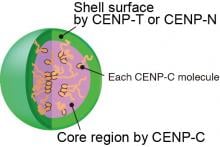
Researchers from the University of Osaka have shown how a protein complex called CCAN assembles at chromosomes inside the cell, forming a spherical shell-like structure inside the nucleus. The protein CENP-C is critical for building this shell, with cells that fail to form it showing defective chromosome segregation. These findings suggest that the ordered shell-like configuration of CCAN is critical for accurate chromosome segregation during cell division.
13 Oct 2026
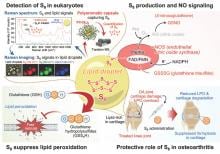
Elemental sulfur is widely known to occr in microorganisms, plants, and fungi, but whether mammals produce and use elemental sulfur has remained unclear.Now, a collaborative team has finally answered this question, discovering that mammalian cells and tissues produce and store cyclo-octasulfur - a stable form of elemental sulfur composed of eight sulfur atoms arranged in a ring.
12 Oct 2026
A research team led by Professor Chan Kui-ming from the Department of Biomedical Sciences at CityUHK, discovered that H2BE113K, a missense H2B mutation, promotes colony formation and lung metastasis of breast cancer.
28 Sep 2026
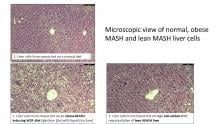
• New research finds that excess dietary salt alters liver metabolism and may drive progressive fatty liver disease even in people who are not obese.
• This sheds light on how lean patients might develop the disease, traditionally associated with obesity, and if applicable to humans, could be a potential prognostic factor for lean MASH.
• Causal role of high salt intake on lean MASH still needs to be verified in patients with this condition.

15 Sep 2026
AI-powered cyborg cockroaches, Undiagnosed kidney disease, Plants as genetic engineers, AI and mental workload, Carnivorous plants confirm Darwin prediction, Moisture conveyor belt and Forever chemicals in furry friends. Read all in the latest Editor's Choice.

08 Sep 2026
Ageing muscle shows gene changes in its supporting matrix, offering new insight into the biology of sarcopenia.
03 Sep 2026
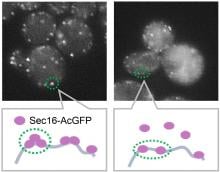
A study in budding yeast suggests that changes in membrane lipids trigger a braking system that slows internal protein transport when the endoplasmic reticulum comes under stress, comparable to modern logistics networks where shipments are slowed when distribution hubs are under stress.
27 Aug 2026
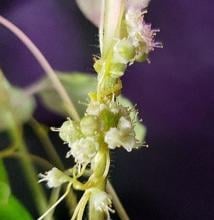
How foreign genes become permanent in parasitic plants
25 Aug 2026
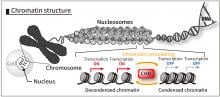
Developmental disorders, including autism, entail challenges in social life; as the number of affected individuals has risen, this has become a significant societal concern. Using a mouse model, we demonstrate that a mutation in CHD8, a gene associated with autism spectrum disorder, causes abnormal differentiation of ventral progenitor cells, leading to autistic-like behavior in adulthood. This should lead to the elucidation of mechanisms underlying autism onset during brain development and to the advancement of therapeutics.
25 Aug 2026
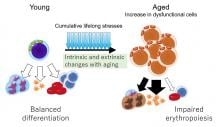
Hematopoietic stem cells can transform into any type of blood cell. However, this ability declines as we age. Recent research at Tohoku University uses AI to guide their deep dive into understanding which genes cause aging in stem cells.
19 Aug 2026
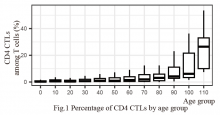
Researchers at the University of Osaka discovered that people who reach extreme old age have an unusual immune system. Around the age of 100, they develop large numbers of rare immune cells that resemble those seen in people fighting cancer, allowing them to remain highly active in their supercentenarian years. The findings suggest that the immune system can adapt with age and may help protect some people from disease to support exceptional longevity.
17 Aug 2026
Researchers from Tohoku University and the University of Tokyo developed groundbreaking technology, earning a place among the Milestone 2 Awardee teams recognized in the XPRIZE Healthspan Competition.
13 Aug 2026
Mitochondrial protein in brain neurons found to regulate appetite and body weight
07 Aug 2026
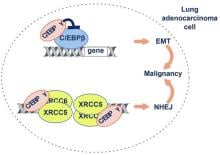
C/EBPγ coordinates cancer cell plasticity and DNA repair in lung adenocarcinoma, revealing a potential target against therapy resistance.
31 Jul 2026
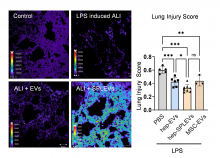
Researchers from the University of Osaka found that hepatocyte-derived extracellular vesicles treated with sPLA2 (SPLEVs) induce a lipid counterstorm that counteracts cytokine storm in mice with acute respiratory distress syndrome. SPLEVs also demonstrated significant beneficial effects in mouse models of sepsis, coagulopathy, liver injury, colitis, and pneumonia. As lysophosphatidylglycerols were identified as a key mediator of SPLEV activity, these findings suggest a promising approach for developing inexpensive, cell-free anti-inflammatory treatments.
23 Jul 2026
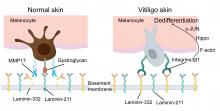
Researchers find dormant pigment cells in vitiligo patches, suggesting a new treatment strategy
20 Jul 2026
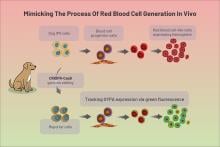
Foundational steps made towards artificial cell production for blood bank reserves
17 Jul 2026
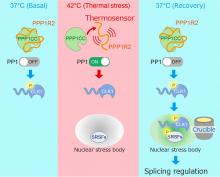
Researchers from the University of Osaka found that localization of the CLK1 kinase to nuclear stress bodies during thermal stress and recovery is regulated by PP1-mediated dephosphorylation and RIOK2-mediated rephosphorylation. This mechanism, which controls pre-mRNA splicing under stress conditions, could provide new insight into stress-related diseases.
08 Jul 2026
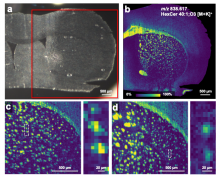
Researchers at The University of Osaka have developed an improved technique called “tapping-mode scanning probe electrospray ionization” (t-SPESI), allowing the analysis of regions within individual cells with greater sensitivity and stability. Through device miniaturization and molecular modification of the probe surface, the team achieved higher sensitivity and long-term stability, successfully visualizing lipid distributions in mouse brain tissue at a pixel size of 5 µm.
02 Jul 2026
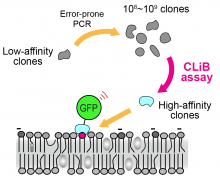
Researchers at the University of Osaka developed the CLiB assay, a high-throughput platform to engineer protein-based lipid-binding probes. By screening a library of protein variants, they created a highly sensitive probe for the signaling lipid PI(3,5)P2. This tool allowed the team to visualize how cells remodel their membranes to engulf damaged materials, providing a framework for developing next-generation biosensors and unlocking new insights into the dynamic landscape of biological membranes.
29 Jun 2026
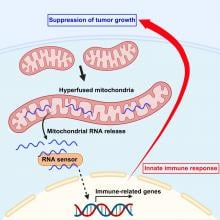
Researchers from the University of Osaka have demonstrated that mitochondrial hyperfusion, when induced by low levels of DRP1 or cellular stress, activates an immune response through the RIG-I–MAVS pathway. Dependent on the involvement of the BAX protein, the release of mitochondrial RNA into the cytosol enhanced natural killer cell cytotoxicity and reduced tumor growth in a xenograft model. The findings provide new possibilities for cancer research and treatment.

22 Jun 2026
Researchers find that neurons routinely sustain DNA breaks during cortex formation, but a rapid repair system corrects the damage before harm occurs.
17 Jun 2026
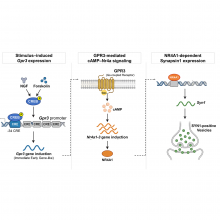
Cells have surface receptors that couple to proteins and other molecules to initiate or inhibit certain behaviors. Researchers have found that one of these receptors helps set developing cells on the path to becoming neurons much earlier than previously thought.
08 Jun 2026
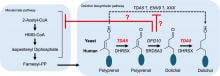
Hiroshima University researchers say a newly proposed three-step “detour” pathway for making dolichol, a molecule cells need to properly process proteins, may be more universal than scientists realized. Experiments in yeast suggest eukaryotes may rely on overlapping biochemical pathways, including the evolutionarily conserved “detour” and evidence of a possible “backup route,” to produce a molecule essential to life.
02 Jun 2026
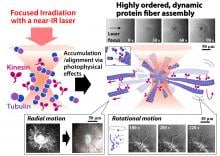
Researchers at The University of Osaka used a focused laser beam to make in vitro models of cytoskeletal networks that exhibit dynamic cell-like motions. This technique provides spatiotemporal control of the network structure, unlike conventional methods based on self-organization and photochemical reactions. The models could be used to determine the structure–motion relationship of cytoskeletal networks, which has applications for understanding cell division, migration, and adhesion and the creation of protein-based robots and synthetic cells.
02 Jun 2026
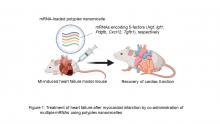
Researchers from The University of Osaka found that nanomicelle-mediated delivery of five mRNAs involved in angiogenesis, heart cell contraction, immune and hematopoietic stem cell recruitment, and immune response suppression promoted cardiac repair and increased overall survival in a mouse model of myocardial infarction–induced heart failure. These findings suggest that a multifactorial treatment approach effectively addresses the complex nature of heart failure and could aid new treatments in regenerative medicine for cardiovascular disease.

01 Apr 2026
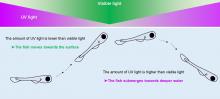
Researchers identified the tegmentum in the midbrain as an ‘integration center’ of fish. The area receives visual information from the eyes that is combined with color information detected by the pineal organ—the ‘third eye.’ These inputs are integrated to control how fish orient themselves in the water.
17 Mar 2026
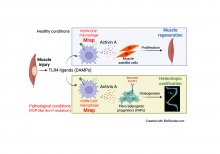
We identified Mrep macrophages that repair muscle but trigger heterotopic ossification in FOP, advancing muscle and FOP therapy development.
Events
Sorry, nothing coming up for this discipline
Researchers

Prof Jun Suzuki is a biochemist and the deputy director at the Institute for Integrated Cell-Material Sciences (iCeMS), Kyoto University, Japan.

Dr. Oehlers leads the Bacterial Pathogenesis Laboratory at A*STAR ID Labs, where he and his colleagues focus on identifying molecular bases of mycobacterial disease and, thus, deploy therapies that address antibiotic resistance in mycobacterial infections.
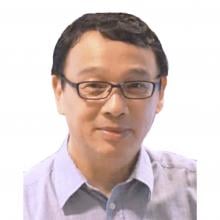
Dr. Yue Wang is senior principal investigator at the Antifungal Resistance Laboratory of A*STAR ID Labs, where his body of work focuses on virulence mechanisms of the fungal human pathogen Candida albicans.
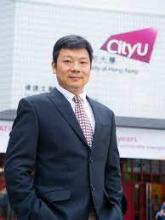
Prof. Chen’s current research covers research on bacterial antimicrobial resistance, virulence and tolerance in the veterinary, food and medical microbiology fields

Prof. Jinsoo Seo's research focuses on mechanisms of cellular dysfunction and cognitive decline in aging brain, genetic risk factors for neurodegeneration as well as the effect of environmental factors and lifestyle on Alzheimer's disease.
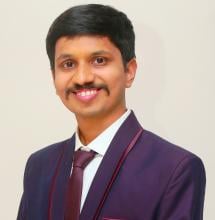

The prospect of favorably influencing brain health through dietary habits has gained much interest. My research interest explores the therapeutic potential of functional foods and phytonutrients as neuroprotectants against mitochondrial diseases and cerebral toxoplasmosis. The scientific findings support nutritional intervention as a viable strategy for the management of human brain disorders.

Babita Madan is an assistant professor at the Program in Cancer and Stem Cell Biology, Duke-NUS Medical School, Singapore.
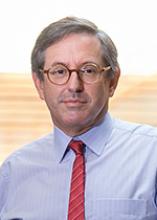
David Virshup, M.D., is Director of the Programme in Cancer and Stem Cell Biology (CSCB) and Professor at Duke-NUS Medical School and is jointly appointed as Professor of Pediatrics at Duke University in North Carolina.
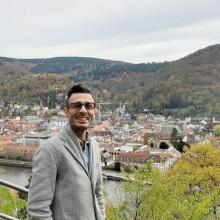
My research background covers multidisciplinary fields such as Pharmaceutics, Cancer Nanomedicine, Bioengineering and Organ-on-a-chip platforms. My current research focuses on the development of dynamic biological barriers on a chip such as blinking human cornea on a chip.
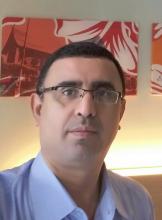
Professor Ahmed Al-Haddad, M.Sc., Ph.D. (Germany) is currently Professor of Microbiology and Medical Microbiology at College of Medicine and Health Sciences, Hadhramout University-Yemen.
He is the Founding-Dean of the first Faculty of Nursing in Yemen. He has over fifteen years of research and teaching experience in various domains of life sciences.
Al-Haddad has published many peer reviewed articles and conference papers in the areas of molecular biology, microbiology and antibiotics in National and International journals.
He is reviewer in different national and international Scientific Journals such as Annals of Clinical Microbiology and Antimicrobials, Journal of Microbiology and Antimicrobials, Sultan Qaboos University Medical Journal, British Biotechnology Journal.
He is a member of various national and international scientific organizations.

Toru Kondo is Professor of the Division of Stem Cell Biology at the Institute for Genetic Medicine, Hokkaido University.
Giants in history

Archana Sharma (16 February 1932 - 14 January 2008) conducted research into plant and human genetics that expanded the understanding of both botany and human health. In relation to botany, she uncovered the means by which asexually-reproducing plants evolve into new species.