

Peer Reviewed
News
01 Nov 2022
Hokkaido University
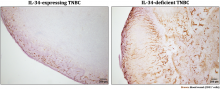
Triple-negative breast cancer (TNBC) tumors gain immunosuppression and chemoresistance through interactions between interleukin 34 and myeloid-derived suppressor cells, researchers find.
01 Nov 2022
Osaka Metropolitan University
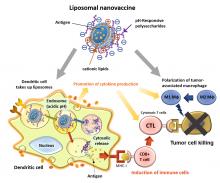
A research group at Osaka Metropolitan University has developed a drug delivery system that activates a strong cellular immune response to attack cancer cells, using one-tenth of the amount of antigen needed in the group’s previous work. By incorporating positively charged cationic lipids into liposomes and adding negatively charged pH-responsive polysaccharides to the surface, the research group increased the uptake efficiency of liposomes encapsulating cancer antigens by dendritic cells by approximately five times, which increased cytokine production by about 100 times. This increased M1-type macrophages, which activate cancer immunity, and decreased M2-type macrophages, which promote cancer growth.
31 Oct 2022
Duke-NUS Medical School
While both protect from severe disease, inactivated SARS-CoV-2 and spike mRNA vaccines trigger different T-cell responses.
31 Oct 2022
The University of Osaka
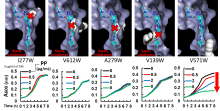
Researchers from Osaka University used a combination of genetic manipulation and protein structural analysis to determine how the position of “bulky” amino acids influences the ability of efflux pump inhibitors to bind bacterial pump proteins and so reduce their resistance to antibiotics. This work has implications for our understanding of bacterial antibiotic resistance, and may be useful in the rational design of drugs that target bacteria that have evolved antibiotic resistance.

30 Oct 2022
Hiroshima University
New research identifies a unique way that people find connection in the modern world and provides novel insight into the fields of anthropomorphism, virtual interactions, and relationship science.
28 Oct 2022
Osaka Metropolitan University
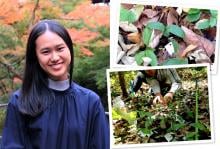
Osaka Metropolitan University scientists conducted a 7-year study on seedling recruitment and mortality in a national park in Chiang Mai, in northern Thailand. During the study period, an extremely strong El Niño event occurred, leading to a stronger and longer drought than normal. Seasonally dry tropical forests (SDTFs), which experience an annual dry season, are considered drought-tolerant. Nevertheless, the study found that seedling mortality increased in SDTFs when severe and prolonged drought occurred. The mortality rate was greater in evergreen forests at higher elevations that usually experience less severe drought than in deciduous forests at lower elevations where severe drought is more common. The study results advance the understanding of the effects of El Niño on seedling dynamics in SDTFs.
27 Oct 2022
Tohoku University
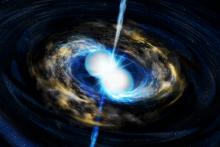
When two neutron stars merge, the resultant explosion forms heavy elements—many of which make up our Universe. A new study has, for the first time, identified the specific rare-earth elements produced in a neutron star merger.
26 Oct 2022
The University of Osaka
Researchers from Osaka University have demonstrated a proof-of-concept for a novel molecular hydrogen production method that bypasses the need for expensive purification steps. They developed a system where hydrogen is separated and stored in liquid organic hydrogen carriers by catalysis of triaryl boranes in one seamless process. The results of this work will help facilitate the transition to a hydrogen-based economy that is necessary for a more sustainable future.
26 Oct 2022
Hokkaido University
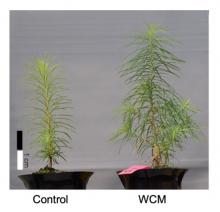
Plastic sheets coated with an Eu3+ film that converts UV light to red light were able to accelerate growth of vegetal plants and trees.

26 Oct 2022
The University of Osaka
Researchers from Osaka University have shown that deficiency of the protein Favine can lead to accelerated development of atherosclerosis. Loss of Favine in a mouse atherosclerosis model also led to calcification and thrombus development in the blood vessels of the mice. Prior to this, no mouse models for calcification or thrombus formation existed, hindering atherosclerosis research. This work also identifies Favine and its downstream signaling pathway, known as MEF2C-KLF2, as potential therapeutic targets for atherosclerosis.

25 Oct 2022
The University of Osaka
Researchers from The Institute of Scientific and Industrial Research (SANKEN) at Osaka University and collaborating partners prepared hierarchical hydrogels and moldings that consisted of anisotropic, ecofriendly cellulose nanofibers. By simply tailoring the applied voltage during fabrication, complex architectures—such as microneedles and multilayer hydrogels—were easy to prepare. The results of this work will reduce the need for petroleum-based plastics, and in so doing minimize a long-standing source of environmentally persistent waste.
25 Oct 2022
Hokkaido University
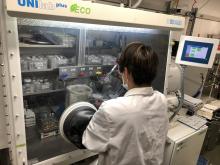
Making complex polymers with precisely controlled structures becomes much simpler thanks to a new ‘one-pot-and-one-step’ synthesis procedure.
24 Oct 2022
Hokkaido University
Investigations in Japan have uncovered some molecular mechanisms behind mitochondrial dysfunction in chronic heart failure.
21 Oct 2022
Osaka Metropolitan University
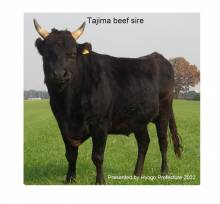
An Osaka Metropolitan University researcher has provided a review article regarding INSL3, a circulating hormone secreted from the gonads, in domestic animals, in comparison to rodents and humans. In this review article, the author describes his research group’s work that (1) developed immunoassays, for the first time, that can measure circulating INSL3 in multiple domestic mammals, including cattle, goats, sheep, pigs, horses, and dogs, (2) provided evidence in studies with bulls and bucks that INSL3 offers more reliable and stable values by a single blood collection than testosterone, a conventional and well-known testicular hormone, and (3) suggested that blood INSL3 concentrations would be a good biomarker for testicular and reproductive functions in normal and abnormal male domestic animals. These findings suggest that the INSL3 assay might simplify the evaluation of reproductive functions in various male domestic animals. In particular, the assay method may facilitate earlier selection of valuable male animals such as beef sire bulls (Image) with higher reproductive performance, contributing to reductions in the labor and costs required for sire production.

20 Oct 2022
The University of Osaka
Osaka University researchers showed that the predictions of Einstein’s theory of special relativity in electromagnetism could be detected in the contraction of the electric field created by ultrafast electrons. By achieving femtosecond resolution, they were able to visualize the contracted electric field for the first time. This work can be applicable to particle accelerators and high-energy physics.
20 Oct 2022
Osaka Metropolitan University
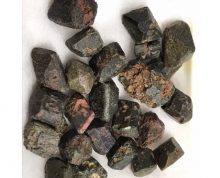
Pyroxenes are a major group of rock-forming minerals. Osaka Metropolitan University scientists investigated the iron ion status of a calcium-rich pyroxene, using Mössbauer spectroscopy on thin sections of single crystals. The study revealed that in pyroxene crystals consisting of roughly 50% calcium, the tensor that determines the ratios of iron ions at the Mössbauer spectral peaks in the M1 sites—one of two types of cation positions in the pyroxene crystal structure—is independent of the iron content but dependent on the calcium content. The research findings have clarified one of the physical properties of pyroxenes, facilitating detailed future analysis of iron using Mössbauer spectroscopy on mineral flakes.
20 Oct 2022
Osaka Metropolitan University
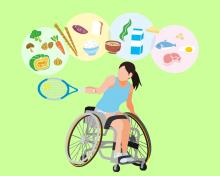
Osaka Metropolitan University researchers interviewed active para-athletes with lower-limb disabilities who compete at an international level, about diet and nutrition. The research team found that what para-athletes considered an ideal diet was not necessarily optimized for improving athletic performance, and even when para-athletes understood diets geared towards athletic performance, characteristics of their disabilities impose barriers to implementing dietary changes. Understanding these concerns and struggles is important for nutritionists who support para-athletes in sports nutrition.
20 Oct 2022
Duke-NUS Medical School
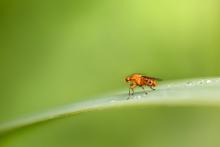
New insights into the role of a protein in the nerve cells of flies could help unravel the role of a related human protein in common cancers.
19 Oct 2022
Hokkaido University
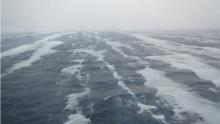
Scientists have uncovered new details of how ice forming below the ocean surface in Antarctica provides cold dense water that sinks to the seabed in an important aspect of global water circulation.

19 Oct 2022
Osaka Metropolitan University
Osaka Metropolitan University researchers conducted a study of human mobility to find effective lifestyle changes that enable people to exist with the novel coronavirus COVID-19, while maintaining social and economic activities. They found that restricting the human mobility in specific areas according to the state of the pandemic, rather than uniformly controlling human mobility, could be effective in reducing the number of new COVID-19 infections.
19 Oct 2022
Daegu Gyeongbuk Institute of Science and Technology (DGIST)
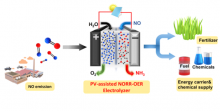
- Design and development of a hybrid core–shell electrocatalyst that converts air pollutants nitric oxide (NO) into ammonia (NH3).
- A strategy to ensure the stability of an electrocatalyst during the NO gas reduction process.
19 Oct 2022
Osaka Metropolitan University
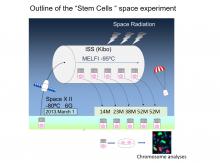
A long-term experiment aboard the International Space Station has tested the effect of space radiation on mouse embryonic stem cells. Their findings will contribute to helping scientists better assess the safety and risks related to space radiation for future human space flights. The findings are published in the journal Heliyon.
19 Oct 2022
Tohoku University
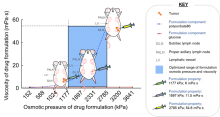
When a cancer spreads, the invasion of tumor cells into the lymph nodes present various barriers to effective treatment. Harnessing a lymphatic drug delivery system, where drugs are injected directly into sentinel lymph nodes under ultrasound guidance, a collaborative research group has developed a novel drug formulation that enhances the therapeutic response of carboplatin, a commonly used chemotherapy medication.
18 Oct 2022
Osaka Metropolitan University
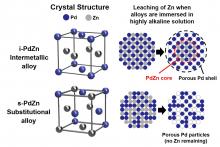
Osaka Metropolitan University researchers have created intermetallic alloy nanoparticles of palladium and zinc with an alternating arrangement of zinc and palladium atoms. The intermetallic alloy is more corrosion-resistant than substitutional alloys while retaining the electrocatalytic properties of both metals, which could be useful for developing new non-precious metal electrocatalysts.
18 Oct 2022
Hokkaido University
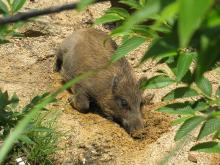
Researchers develop a ground-breaking model to estimate bait vaccination effectiveness in wild animals based on the proportion of immunized animals in a population and the number of vaccine applications.
18 Oct 2022
Tohoku University
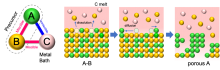
Hydrogen, a clean fuel, is incredibly dense in energy—three times more than diesel or gasoline. Its ability to power a sustainable future has been hindered by a lack of high performing catalysts. Now, a collaborative research group has developed nanoporous molybdenum-based intermetallic compounds that could address this conundrum.
18 Oct 2022
Hokkaido University
Researchers from Hokkaido University and Toppan have developed a method to detect build-up of amyloid β in the brain, a characteristic of Alzheimer’s disease, from biomarkers in blood samples.
17 Oct 2022
The University of Osaka
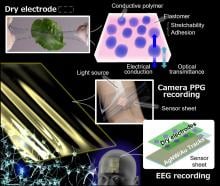
Researchers from Osaka University have developed a skin-like device to measure brain activity via electroencephalography, which uses electrodes to measure electrical activity on the scalp (reflecting underlying brain activity). The device has other useful applications, such as measuring heart rate and blood oxygen levels. Wearable devices that can remotely assess brain health in everyday settings are likely to improve healthcare for millions of people worldwide.
17 Oct 2022
The University of Osaka
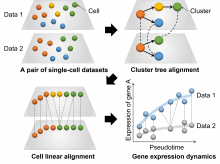
Researchers from Osaka University have developed a computational analysis tool called CAPITAL for comparative analysis of single-cell RNA sequencing data with complicated branching trajectories. As cells undergo a dynamic process, they can be placed on a “pseudotime trajectory” to analyze the gene expression changes throughout the process. While previously only straightforward linear trajectories could be compared, CAPITAL is proven to be able to accurately compare branching trajectories, significantly advancing the field of high-throughput single-cell sequencing.
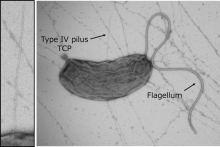
14 Oct 2022
The University of Osaka
Researchers from Osaka University have found that the Vibrio cholerae colonization factor TcpF forms a flower-shaped trimer to specifically bind to the minor pilus protein TcpB resulting in secretion by the type 4 pilus secretion system into the extracellular space. This finding could help lead to the development of a novel anti-adhesive drug that selectively interrupts the TcpF-TcpB interaction, which may replace antibiotics in the treatment of cholera.
Events
Sorry, no events coming up for this topic.
Researchers
Sorry, no researchers coming up for this topic.
Giants in history
Sorry, no researchers coming up for this topic.