
Japan
News
21 Nov 2023
Tohoku University
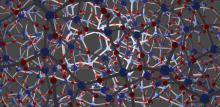
Glass is a fundamental material. Yet its atomic structure still baffles scientists to this day. Researchers have developed a new way to quantify ring shapes in chemically bonded networks of glass, chipping away at some of the mysteries behind glass’s atomic structure.
21 Nov 2023
Kavli Institute for the Physics and Mathematics of the Universe (Kavli IPMU)
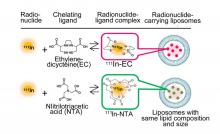
Researchers develop new method suppressing the distribution of drugs to healthy tissues, but also to rapidly removes the drugs once distributed in the body, which could improve the accuracy of imaging diagnosis of difficult cancers, reduce toxicity to healthy tissues, and furthermore improve the effectiveness of treatment.
21 Nov 2023
Hiroshima University
Out of this living laboratory emerged unexpected insights on coexistence from an “unusual” source.
20 Nov 2023
Ehime University
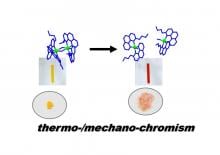
This paper highlights the underexplored potential of chiral self-sorting in the design of switchable and metastable discrete supramolecular structures.
19 Nov 2023
The University of Osaka
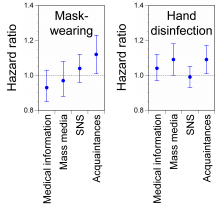
Researchers from Osaka University found that Japanese people who used medical information were more likely to wear masks and disinfect their hands even before the COVID-19 outbreak, while those who exchanged information with acquaintances were more likely to newly start mask-wearing and hand disinfection post outbreak. This will assist in the development of risk communication strategies to promote infection-preventive behavior in a timely manner.
17 Nov 2023
Ehime University
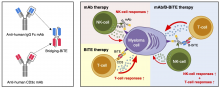
Rapid preparation and application of a panel of clinical antibodies armed with B-BiTE for refractory malignancies
14 Nov 2023
Hokkaido University
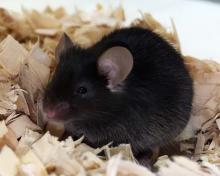
Cancer stem cells cause the aging of macrophages in mice with healthy immune systems, creating conditions for the formation of tumors.
13 Nov 2023
Hiroshima University
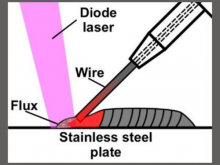
Steel and aluminum are key players in supporting economic growth, yet materials joining them remain unexplored due to their fusion zones’ brittleness. A new 3D printing method’s fix may be a step toward a steel-aluminum hybrid renaissance.
13 Nov 2023
Osaka Metropolitan University
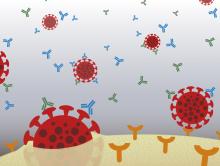
New insights on how individual immune responses to the SARS-CoV-2 virus, particularly in mutant strains, can influence the efficacy of COVID-19 vaccines

13 Nov 2023
Hiroshima University
A new study suggests that self-deception is the key to understanding irrational actions of national leaders in war, as exemplified by Vladimir Putin's invasion of Ukraine.
09 Nov 2023
The University of Osaka
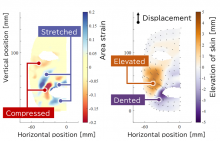
A research team led by Osaka University used 125 physical markers to understand the detailed mechanics of 44 different human facial motions. The aim was to better understand how to convey emotions with artificial faces. Beyond helping with the design of robots and androids, this research can also benefit computer graphics, facial recognition, and medical diagnoses.
07 Nov 2023
Institute of Industrial Science, The University of Tokyo (UTokyo-IIS)
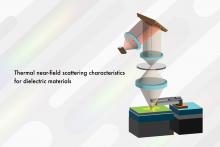
Microscopes usually use backscattered radiation to create images, but a research group from the Institute of Industrial Science, The University of Tokyo, is developing an all-new method to study materials using the faint light they emit, generated by heat
06 Nov 2023
Institute of Industrial Science, The University of Tokyo (UTokyo-IIS)
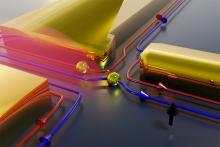
Researchers at the Institute of Industrial Science, The University of Tokyo study the quantum mechanical phenomenon known as vacuum fluctuations using a nanoscale hybrid device, which may lead to ultrasensitive quantum sensors or information processors.
06 Nov 2023
The University of Osaka
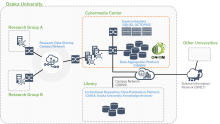
Osaka University and NEC Corporation are jointly developing a data infrastructure called RED-ONION to accelerate open science by reducing the burden on researchers to record the research process, share research data and publish them on the data aggregation platform. They are currently engaged in the R & D of three elemental technologies: (1) Technology to integrate a data aggregation platform and data publication platform, (2) Technology to generate research process information on supercomputers, and (3) A high-speed data transmission function. These research results will be showcased at the International Conference for High Performance Computing, Networking, Storage, and Analysis (SC23) scheduled to be held from November 12 to 17, 2023 in Denver, Colorado.
02 Nov 2023
Kavli Institute for the Physics and Mathematics of the Universe (Kavli IPMU)
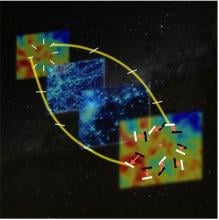
Future missions will be able to find signatures of violating the parity-symmetry in the cosmic microwave background polarization more accurately after a pair of researchers has managed to take into account the gravitational lensing effect, reports a new study in Physical Review D, selected as an Editors' Suggestion.
02 Nov 2023
The University of Osaka
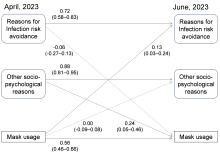
A researcher from Osaka University has investigated the associations between mask usage and the reasons people give for wearing a mask. Online surveys were conducted before and after policies that downgraded the status of COVID-19. The study found that 59% of respondents continued wearing masks even after policy changes. Several sociological and psychological reasons other than disease prevention for mask usage were identified.
29 Oct 2023
The University of Osaka
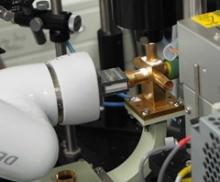
To quickly and accurately characterize prospective materials for use in solar energy, researchers built an automated system to perform laboratory experiments and used machine learning to help analyze the data they recorded. Their goal is to identify semiconductor materials for use in photovoltaic solar energy, which are highly efficient and have low toxicity.
26 Oct 2023
The University of Osaka
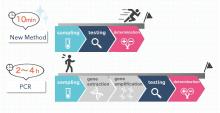
Research from Osaka University demonstrates a nanopore-based technique that can detect different variants of SARS-CoV-2, the virus that causes COVID-19. The method was very effective in detecting the Omicron variant of the virus in the saliva of people with COVID-19.
26 Oct 2023
The University of Osaka
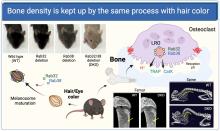
Research out of Osaka University finds an overlap in the mechanism of hair color determination and bone resorption, which is associated with bone related diseases like osteoporosis. The findings revealed that proteins named Rab32 and Rab38 play pivotal roles in bone resorption in osteoclast, cell specialized in the process. These proteins are also crucial for pigmentation of hair and skins.
25 Oct 2023
Hokkaido University
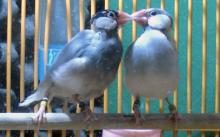
Pair-bonded Java sparrows show enlarged eye rings to signal breeding readiness.
24 Oct 2023
The University of Osaka
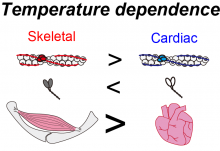
Research out of Osaka University investigated the effect of increased cell temperature on the contractility of skeletal muscle and cardiac muscle by heating the muscle proteins using advanced microscopical techniques. The findings indicated that skeletal muscle is more sensitive to increases in temperature than cardiac muscle, and that heating can rapidly activate the contractile proteins of skeletal muscle, thereby improving muscle performance.
24 Oct 2023
Osaka Metropolitan University
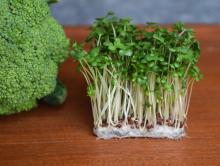
A research team from Osaka Metropolitan University has found that polysulfides are abundant in broccoli sprouts. They found that the amount of polysulfides increased dramatically during growth, by an approximately 20-fold in seeds by the fifth day of germination. Furthermore, a comprehensive analysis of the polysulfides detected a number of polysulfide candidates whose structures have not yet been determined. The identification of these unknown polysulfides and detailed analysis of their pharmacological activities are expected to enable the development of new preventive and therapeutic strategies and medicines for cancer, neurodegenerative diseases, stroke, inflammation, and other diseases.
24 Oct 2023
Hokkaido University
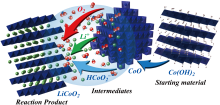
Layered lithium cobalt oxide, a key component of lithium-ion batteries, has been synthesized at temperatures as low as 300°C and durations as short as 30 minutes.
23 Oct 2023
Hiroshima University
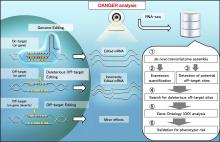
Risk-averse on/off-target assessment for CRISPR editing without reference genome
20 Oct 2023
Ehime University
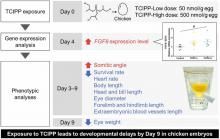
Evaluation of developmental toxicity in early chicken embryos exposed to tris(2-chloroisopropyl) phosphate

20 Oct 2023
Ehime University
This study examined how the origin (wild or hatchery-reared), feeding area (Baltic Sea mainstem, Bosnian Sea, and Gulf of Finland), and organic halogen compound (OHC) concentrations of Baltic Sea Atlantic salmon (Salmo salar) affect the salmon liver proteome, transcriptome, and oxidative stress markers. Results suggest that the Baltic salmon liver proteome, together with the transcriptome, is influenced more by OHC concentrations and oxidative stress levels in the feeding area than by their origin.
20 Oct 2023
Ehime University
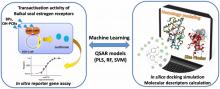
Structural characteristics of environmental pollutants and computer simulations predict effects on the endocrine system of seals
20 Oct 2023
Hokkaido University
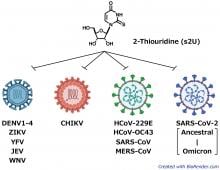
A broad-spectrum antiviral drug candidate, 2-thiouridine, that targets positive-strand RNA viruses has been identified and characterized.
19 Oct 2023
Hiroshima University
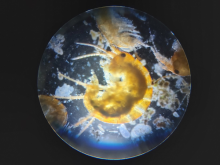
A new amphipod species thrives at record temperatures in nearby hot spring pools of an ancient Inca city, defying norms for these typically cold-dwelling animals. Unraveling its key adaptations can give clues for the survival of other freshwater creatures in our warming world.
17 Oct 2023
The University of Osaka
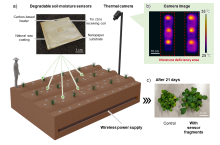
Researchers from Osaka University developed wirelessly powered soil moisture sensing technology that will help meet the needs of sustainable precision agriculture. Both the soil moisture content and the position of each sensor are readily detected and transmitted, even at high sensor densities. The sensors are largely biodegradable and can be tilled into the soil at the end of the crop season. This work might help farmers allocate resources to cropland in a timely, targeted manner.
Researchers
Sorry, no researchers coming up for this topic.
Giants in history

Japanese biochemist Akira Endo (1933 – 2024) discovered the first statin, called mevastatin, which lowered cholesterol levels in the blood by inhibiting a key enzyme in the cholesterol biosynthesis pathway. His work laid the foundation for the development of statins to help patients lower their blood cholesterol levels and reduce their risk of heart disease or stroke.
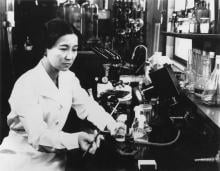
Ruby Sakae Hirose (1904 – 1960) was a Japanese-American scientist whose research contributed significantly to our understanding of blood clotting, allergies and cancer.
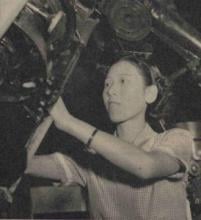
Haisako Koyama (1916 – 1997) was a Japanese solar observer whose dedication to recording sunspots – cooler parts of the sun’s surface that appear dark – produced a sunspot record of historic importance.
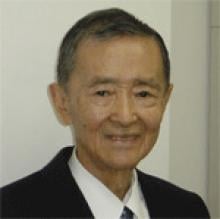
Michiaki Takahashi (17 February 1928 – 16 December 2013) was a Japanese virologist who developed the first chickenpox vaccine.
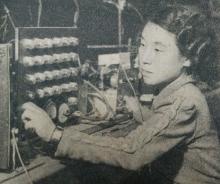
Toshiko Yuasa (11 December 1909 – 1 February 1980) was the first Japanese female physicist whose research on radioactivity shed light on beta decay – the process in which an atom emits a beta particle (electron) and turns into a different element.
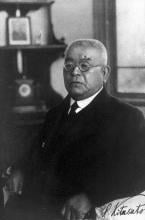
Baron Kitasato Shibasaburo (29 January 1856 – 13 June 1931) was a Japanese physician and bacteriologist whose work led to a new understanding of preventing and treating tetanus, diphtheria and anthrax.
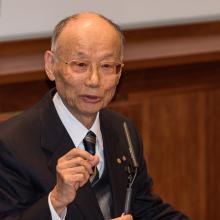
By isolating soil microorganisms and studying the compounds they produce, Satoshi Omura (born 1935) discovered almost 500 organic compounds with unique properties that were produced by these microorganisms, including many new antibiotics.
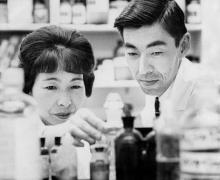
Husband and wife team, Kimishige (3 December 1925 – 6 July 2018) and Teruko Ishizaka (28 September 1926 – 4 June 2019) discovered the antibody class Immunoglobulin E (IgE) that triggers allergic reactions. They also discovered that IgE antibodies attach to white blood cells, known as mast cells, releasing histamine, which causes allergic reactions.
Husband and wife team, Kimishige (3 December 1925 – 6 July 2018) and Teruko Ishizaka (28 September 1926 – 4 June 2019) discovered the antibody class Immunoglobulin E (IgE) that triggers allergic reactions. They also discovered that IgE antibodies attach to white blood cells, known as mast cells, releasing histamine, which causes allergic reactions.
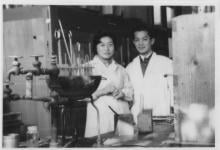
Reiji Okazaki (8 October 1930 – 1 August 1975) and Tsuneko (7 June 1933) were a Japanese couple who discovered Okazaki fragments – short sequences of DNA that are synthesized during DNA replication and linked together to form a continuous strand.
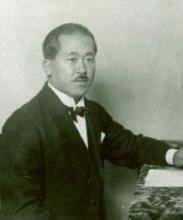
In 1915, Koichi Ichikawa along with pathologist Katsusaburo Yamagiwa became the first to prove that chronic exposure to chemicals can cause cancer.
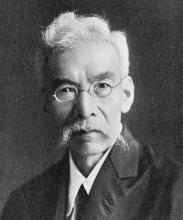
In 1915, pathologist Katsusaburo Yamagiwa and his research assistant Koichi Ichikawa became the first to prove that chronic exposure to chemicals can cause cancer.
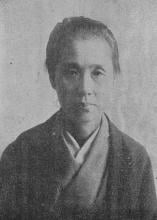
Ogino Ginko (3 March 1851 – 23 June 1913) was the first registered female doctor to practise modern medicine in Japan.
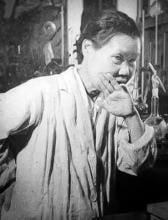
Michiyo Tsujimura (17 September 1888 – 1 June 1969) was a Japanese agricultural scientist and biochemist recognized for her research of green tea components.
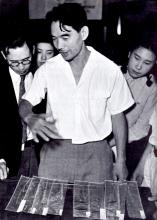
Hitoshi Kihara (1893 – 1986) was one of the most famous Japanese geneticists of the 20th century. One of his most significant contributions was identifying sex chromosomes (X and Y) in flowering plants.
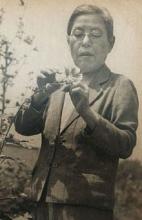
Kono Yasui (16 February 1880 – 24 March 1971) was a Japanese botanist who researched the genetics of poppies, corn and spiderworts and surveyed the plants that had been affected by the nuclear fallout after the atomic bombings of Hiroshima and Nagasaki.
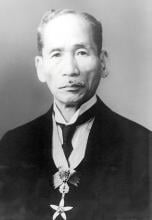
Umetaro Suzuki (7 April 1874 – 20 September 1943) was a Japanese scientist best remembered for his research on beriberi, a disease caused by vitamin B1 deficiency, characterized by limb stiffness, paralysis and pain.
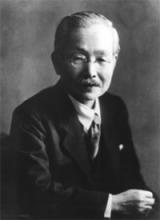
Kikunae Ikeda (8 October 1864 – 3 May 1936) was a Japanese chemist who discovered the fifth basic taste, umami.
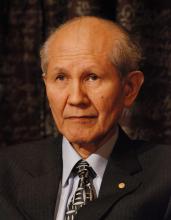
Osamu Shimomura (27 August 1928 – 19 October 2018) was a Japanese organic chemist and marine biologist who dedicated his career to understanding how organisms emitted light.
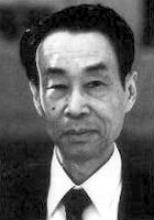
Motoo Kimura (13 November 1924 – 13 November 1994) was a Japanese theoretical population geneticist who is best remembered for developing the neutral theory of molecular evolution.

Chika Kuroda (24 March 1884 – 8 November 1968) was a Japanese chemist whose research focussed on the structures of natural pigments.
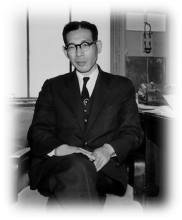
The field of solid-state ionics originated in Europe, but Takehiko Takahashi of Nagoya University in Japan was the first to coin the term ‘solid ionics’ in 1967. ‘Solid-state ionics’ first appeared in 1971 in another of his papers, and was likely a play on ‘solid-state electronics’, another rapidly growing field at the time.
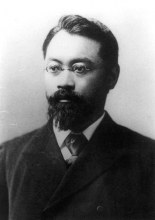
The techniques that make industrial pearl culturing possible were developed over a century ago at the Misaki Marine Biological Station in Japan. The station’s first director, Professor Kakichi Mitsukuri, emphasized to Kokichi Mikimoto in 1890 that stimulating pearl sac formation was important for pearl growth, and they went on to successfully develop methods for culturing pearls.
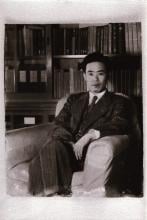
Japanese physicist Ukichiro Nakaya (1900-1962) made the world’s first artificial snowflakes. He started his research on snow crystals in the early 1930s at Hokkaido University, where there is an unlimited supply of natural snow in winter. By taking over 3,000 photographs, he established a classification of natural snow crystals and described their relationship with weather conditions.
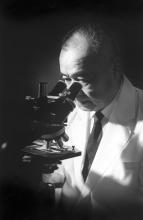
Minoru Shirota (April 23, 1899 – March 10, 1982) was a Japanese microbiologist who invented the popular fermented drink Yakult.
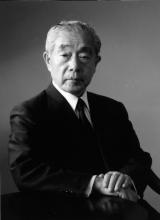
Japanese chemist Kenichi Fukui (4 October 1918 – 9 January 1998) was the first Asian scientist to be awarded the Nobel Prize in Chemistry. Together with Roald Hoffman, he received this honour in 1981 for his independent research into the mechanisms of chemical reactions.
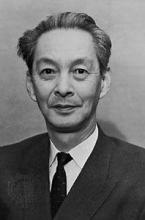
Shinichiro Tomonaga (31 March 1906 – 8 July 1979), together with Richard Feynman and Julian Schwinger, was awarded the Nobel Prize in Physics in 1965, for their contributions to advance the field of quantum electrodynamics. Tomonaga was also a strong proponent of peace, who actively campaigned against the proliferation of nuclear weapons and promoted the peaceful use of nuclear energy.
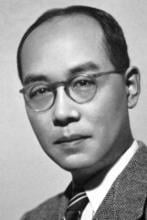
Hideki Yukawa (23 January 1907 – 8 September 1981) was awarded the Nobel Prize in Physics in 1949 for predicting the existence of the pi meson subatomic particle. Japan’s first Nobel laureate, Yakawa also expressed his support for nuclear disarmament by signing the Russell–Einstein Manifesto in 1955.
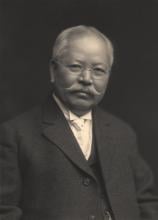
Japanese chemist Takamine Jokichi (3 November 1854 – 22 July 1922) founded the Tokyo Artificial Fertilizer Company, where he isolated a starch-digesting enzyme (named takadiastase) from the fungus Aspergillus oryzae.
Tsuneko (7 June 1933) and Reiji Okazaki (8 October 1930 – 1 August 1975) were a Japanese couple who discovered Okazaki fragments – short sequences of DNA that are synthesized during DNA replication and linked together to form a continuous strand.
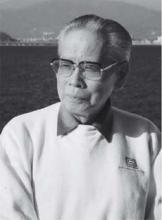
A Japanese surgeon, Tetsuzo Akutsu (20 August 1922 – 9 August 2007) built the first artificial heart capable of keeping an animal alive.
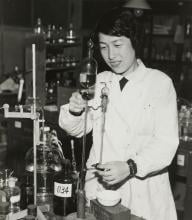
Japanese geochemist Katsuko Saruhashi developed the first method and tools for measuring carbon dioxide in seawater