
Japan
News
26 Dec 2023
The University of Osaka
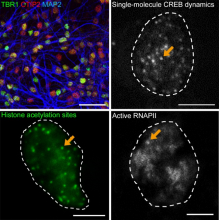
Researchers from Osaka University and Shenzhen Bay Laboratory found that neuronal activity induces gene expression at sites of acetylation by promoting the emergence of cAMP response element binding protein (CREB), CREB binding protein (CBP), and RNA polymerase II. These proteins are targeted to the appropriate sites by CBP-mediated histone acetylation at activity-dependent gene loci.
25 Dec 2023
Kavli Institute for the Physics and Mathematics of the Universe (Kavli IPMU)
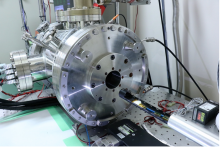
Kavli IPMU researchers are part of a team that has shown it is possible to image small animal tissue clearly to several hundred micrometers using multi-probe imaging.
25 Dec 2023
Hokkaido University
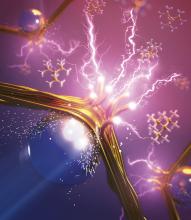
Researchers employ common plastics to kickstart radical chain reactions, creating a way to reuse plastic waste while improving process safety and efficiency.

22 Dec 2023
Osaka Metropolitan University
Researchers from Osaka Metropolitan University assessed the correlation between human mobility restrictions and the medical costs associated with lifestyle-related diseases during the COVID-19 pandemic in Japan. A cross-sectional study revealed that an increase in walking and public transit use was associated with reduced medical costs of lifestyle diseases. These findings implicate governments to take measures other than restricting walking and public transit during pandemics and emphasize the importance of walkable cities.
21 Dec 2023
Kavli Institute for the Physics and Mathematics of the Universe (Kavli IPMU)
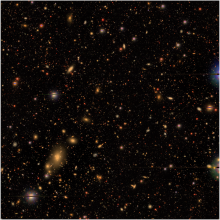
Kavi IPMU researchers have analyzed more than one million galaxies to explore primordial fluctuations that seeded the formation of the structure of the entire universe.

21 Dec 2023
Osaka Metropolitan University
Scientists at Osaka Metropolitan University have developed an efficient, non-invasive, and pain-free method to generate canine-induced pluripotent stem cells (iPSCs). They identified six reprogramming genes that can boost canine iPSC generation by 120 times compared to conventional methods using fibroblasts. The iPSCs were created from urine-derived cells without the need for feeder cells, an impossible feat until now. Their findings are expected to advance regenerative medicine and genetic disease research in veterinary medicine.
21 Dec 2023
The University of Osaka
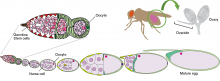
A research group led by Osaka University and University of Hawaii Manoa found that in female fruit flies, microorganisms enhance reproductive function, boosting the number of cells that form eggs and the number of mature eggs. This is done by controlling the release of hormones to speed up cell division in the ovaries, and limiting programmed cell death. These findings could improve reproductive medicine and could aid the development of new methods to enhance fertility.
21 Dec 2023
The University of Osaka
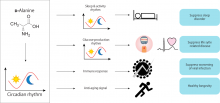
Researchers from Osaka University have shown that the rare D-form of the amino acid alanine shows a clear circadian rhythm, and is able to affect the circadian clock and regulate gluconeogenesis, a method of glucose release, in the kidney. D-alanine upregulates genes linked to both gluconeogenesis and the circadian rhythm through the circadian transcriptional network. D-alanine is linked to many metabolic and immunological diseases, and this mechanistic insight could potentially lead to novel therapeutic approaches.
21 Dec 2023
The University of Osaka
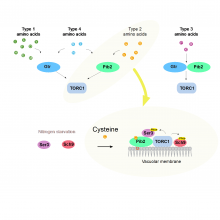
Researchers from Osaka University have discovered how amino acids activate a key cell, TORC1, which is a master regulator in living organisms that controls whether cells grow or recycle their contents in yeast. Notably, the team found that the amino acid cysteine is sensed by a protein called Pib2 and that the two bind together to trigger TORC1. This is important because faulty TORC1 has been linked to disease such as cancer.
21 Dec 2023
Hiroshima University
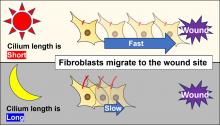
We’re all familiar with our body’s internal clock: it gives us cues on when to wake and when to rest, but it also can determine the rate and time of day at which your body most effectively heals wounds.
13 Dec 2023
Hokkaido University
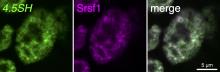
A previously mysterious small RNA molecule in mice is found to play a crucial role in gene expression, and may be the first identified member of a new class of regulatory RNAs.
13 Dec 2023
Kanazawa University
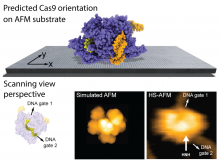
Researchers at Kanazawa University report in Frontiers in Molecular Biosciences a computational method to predict the placement of proteins on AFM substrates based on electrostatic interactions.
12 Dec 2023
The University of Osaka
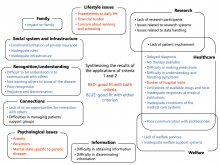
Researchers from Osaka University created an online space for conversation, collaboration and knowledge sharing among patients with rare diseases, their families, researchers and policymakers. A series of workshops generated evidence that could contribute to new policies in the field of rare diseases and explore ways that stakeholders could be involved in the process.
12 Dec 2023
The University of Osaka
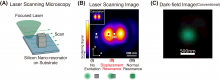
Researchers from Osaka University and collaborating partners have developed a new means of manipulating Mie scattering from nanostructures. By judicious choice of the laser illumination position with respect to the center of a nanostructure, one can strongly enhance optical responses that would not have been otherwise possible. This work is an important milestone in modern meta-photonics and will benefit computing and communication technologies.
10 Dec 2023
The University of Osaka
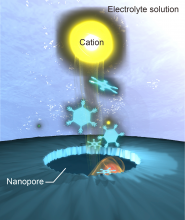
Researchers from Osaka University investigated the thermal energy changes across nanopores that allow the selective flow of ions. Switching off the flow of ions in one direction led to a cooling effect. The findings have applications in nanofluidic devices and provide insight into the factors governing ion channels in cells. The nanopore material could be tailored to tune the cooling and arrays could be produced to scale up the effect.
08 Dec 2023
Osaka Metropolitan University
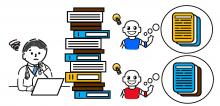
A research team led by Osaka Metropolitan University focused on generative AI as an information-gathering tool in the medical field. The results showed that one of the generative AIs suggested mostly fictitious references, while the other suggested multiple references with the same level of accuracy as the researchers. The use of generative AI in literature search suggests the possibility of efficiently collecting a vast amount of medical information, provided that users are well aware that the performance of generative AI is still in its infancy and that not all information presented is necessarily reliable. It is advised to use different generative AIs depending on the type of information needed.
04 Dec 2023
Osaka Metropolitan University
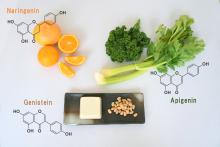
An international team of researchers led by Osaka Metropolitan University has elucidated the process by which the major flavonoids naringenin, apigenin, and genistein are metabolized in the body. These findings are fundamental in elucidating the correlation between the metabolism of flavonoids in the body and their potential health benefits.
30 Nov 2023
Hiroshima University
Aids local governments in adapting to the threats of climate change
30 Nov 2023
Hokkaido University
A new bacterial species discovered at the deep-sea hydrothermal vent site ‘Crab Spa’ provides a deeper understanding of bacterial evolution.
30 Nov 2023
Kanazawa University
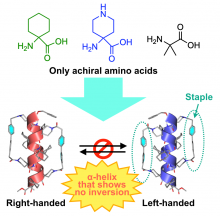
Researchers at Kanazawa University report in Nature Communications how they can control chirality inversion in α helical peptides.
29 Nov 2023
Kanazawa University
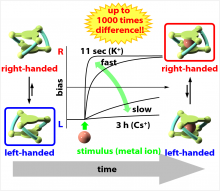
Researchers at Kanazawa University report in Science Advances how they can accelerate and decelerate chirality inversion in large cage molecules using alkali metal ion binding.
29 Nov 2023
Kanazawa University
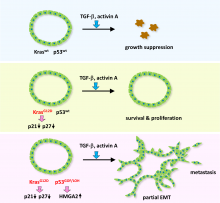
Researchers at Kanazawa University report in Cancer Research how Kras and p53 mutations influence the tumor suppressor and promoter functions of a TGF- ß pathway. The findings may lead to a new approach for colorectal cancer therapy.
29 Nov 2023
Kanazawa University
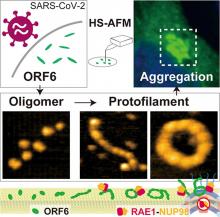
Researchers at Kanazawa University report in the Journal of Physical Chemistry Letters high-speed atomic force microscopy studies that shed light on the possible role of the open reading frame 6 (ORF6) protein COVID19 symptoms.
28 Nov 2023
Osaka Metropolitan University
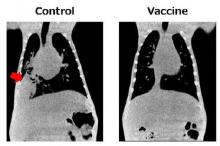
A research team from Osaka Metropolitan University has successfully developed a novel pneumococcal vaccine by combining the team’s proprietary mucosal vaccine technology with pneumococcal surface proteins that can cover a wide range of serotypes. Experiments were conducted using mice and macaques and it was confirmed that pneumonia caused by pneumococcal infection was clearly suppressed in the target groups of animals inoculated with the vaccine.
27 Nov 2023
The University of Osaka
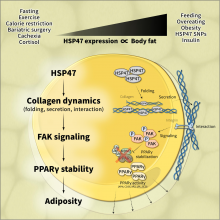
Researchers from Osaka University found that HSP47, a collagen-specific chaperone, is a key determinant of body fat levels. HSP47 expression levels are upregulated with obesity and greater food intake and decreased with fasting, exercise, calorie restriction, bariatric surgery, and wasting syndrome, suggesting that HSP47 modulation has a profound effect on fat storage.
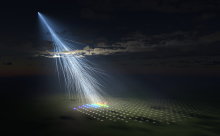
22 Nov 2023
Osaka Metropolitan University
Osaka Metropolitan University researchers and their colleagues have successfully detected an ultra-high-energy cosmic ray with an energy level comparable to the most energetic cosmic ray ever observed. The cosmic ray is set to be named after the Japanese sun goddess, Amaterasu. No promising astronomical object has been identified in the direction from which this cosmic ray originated, implying the potential existence of unknown astronomical phenomena and novel physical origins beyond the Standard Model.

21 Nov 2023
The University of Osaka
Researchers from Osaka University have shown that lysosomes, key organelles for maintaining cellular stability, can be repaired once damaged by a process termed microautophagy. They identified molecules called STK38 and GABARAPs as key regulators of this process. Depletion of microautophagy regulators lead to increased cellular senescence and a shorter lifespan, indicating the importance of this process. This study is highly significant for the achievement of healthy aging and points toward new therapies for age-related diseases.
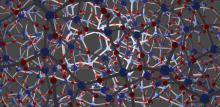
21 Nov 2023
Tohoku University
Glass is a fundamental material. Yet its atomic structure still baffles scientists to this day. Researchers have developed a new way to quantify ring shapes in chemically bonded networks of glass, chipping away at some of the mysteries behind glass’s atomic structure.
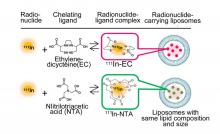
21 Nov 2023
Kavli Institute for the Physics and Mathematics of the Universe (Kavli IPMU)
Researchers develop new method suppressing the distribution of drugs to healthy tissues, but also to rapidly removes the drugs once distributed in the body, which could improve the accuracy of imaging diagnosis of difficult cancers, reduce toxicity to healthy tissues, and furthermore improve the effectiveness of treatment.
21 Nov 2023
Hiroshima University
Out of this living laboratory emerged unexpected insights on coexistence from an “unusual” source.
Researchers
Sorry, no researchers coming up for this topic.
Giants in history

Japanese biochemist Akira Endo (1933 – 2024) discovered the first statin, called mevastatin, which lowered cholesterol levels in the blood by inhibiting a key enzyme in the cholesterol biosynthesis pathway. His work laid the foundation for the development of statins to help patients lower their blood cholesterol levels and reduce their risk of heart disease or stroke.
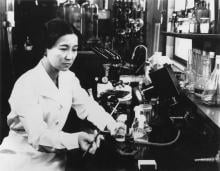
Ruby Sakae Hirose (1904 – 1960) was a Japanese-American scientist whose research contributed significantly to our understanding of blood clotting, allergies and cancer.
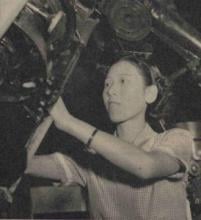
Haisako Koyama (1916 – 1997) was a Japanese solar observer whose dedication to recording sunspots – cooler parts of the sun’s surface that appear dark – produced a sunspot record of historic importance.
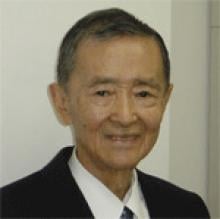
Michiaki Takahashi (17 February 1928 – 16 December 2013) was a Japanese virologist who developed the first chickenpox vaccine.
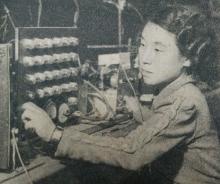
Toshiko Yuasa (11 December 1909 – 1 February 1980) was the first Japanese female physicist whose research on radioactivity shed light on beta decay – the process in which an atom emits a beta particle (electron) and turns into a different element.
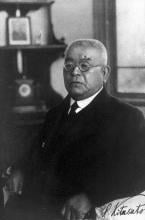
Baron Kitasato Shibasaburo (29 January 1856 – 13 June 1931) was a Japanese physician and bacteriologist whose work led to a new understanding of preventing and treating tetanus, diphtheria and anthrax.
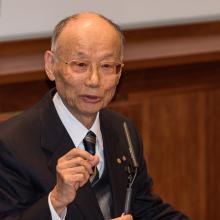
By isolating soil microorganisms and studying the compounds they produce, Satoshi Omura (born 1935) discovered almost 500 organic compounds with unique properties that were produced by these microorganisms, including many new antibiotics.
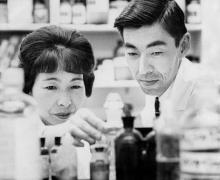
Husband and wife team, Kimishige (3 December 1925 – 6 July 2018) and Teruko Ishizaka (28 September 1926 – 4 June 2019) discovered the antibody class Immunoglobulin E (IgE) that triggers allergic reactions. They also discovered that IgE antibodies attach to white blood cells, known as mast cells, releasing histamine, which causes allergic reactions.
Husband and wife team, Kimishige (3 December 1925 – 6 July 2018) and Teruko Ishizaka (28 September 1926 – 4 June 2019) discovered the antibody class Immunoglobulin E (IgE) that triggers allergic reactions. They also discovered that IgE antibodies attach to white blood cells, known as mast cells, releasing histamine, which causes allergic reactions.
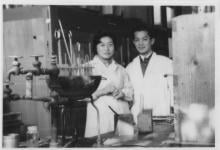
Reiji Okazaki (8 October 1930 – 1 August 1975) and Tsuneko (7 June 1933) were a Japanese couple who discovered Okazaki fragments – short sequences of DNA that are synthesized during DNA replication and linked together to form a continuous strand.
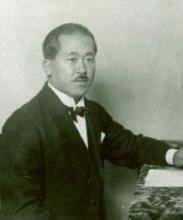
In 1915, Koichi Ichikawa along with pathologist Katsusaburo Yamagiwa became the first to prove that chronic exposure to chemicals can cause cancer.
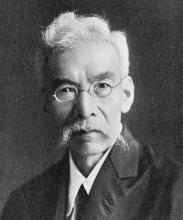
In 1915, pathologist Katsusaburo Yamagiwa and his research assistant Koichi Ichikawa became the first to prove that chronic exposure to chemicals can cause cancer.
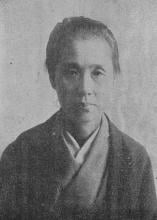
Ogino Ginko (3 March 1851 – 23 June 1913) was the first registered female doctor to practise modern medicine in Japan.
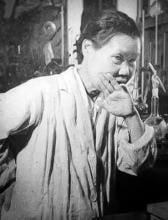
Michiyo Tsujimura (17 September 1888 – 1 June 1969) was a Japanese agricultural scientist and biochemist recognized for her research of green tea components.
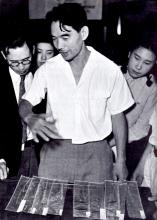
Hitoshi Kihara (1893 – 1986) was one of the most famous Japanese geneticists of the 20th century. One of his most significant contributions was identifying sex chromosomes (X and Y) in flowering plants.
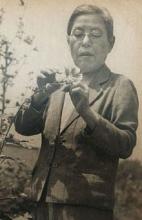
Kono Yasui (16 February 1880 – 24 March 1971) was a Japanese botanist who researched the genetics of poppies, corn and spiderworts and surveyed the plants that had been affected by the nuclear fallout after the atomic bombings of Hiroshima and Nagasaki.
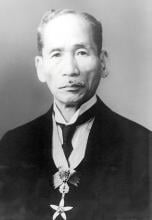
Umetaro Suzuki (7 April 1874 – 20 September 1943) was a Japanese scientist best remembered for his research on beriberi, a disease caused by vitamin B1 deficiency, characterized by limb stiffness, paralysis and pain.
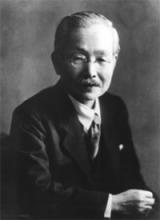
Kikunae Ikeda (8 October 1864 – 3 May 1936) was a Japanese chemist who discovered the fifth basic taste, umami.
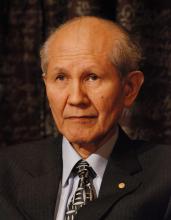
Osamu Shimomura (27 August 1928 – 19 October 2018) was a Japanese organic chemist and marine biologist who dedicated his career to understanding how organisms emitted light.
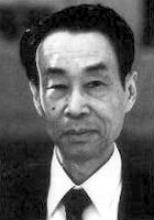
Motoo Kimura (13 November 1924 – 13 November 1994) was a Japanese theoretical population geneticist who is best remembered for developing the neutral theory of molecular evolution.

Chika Kuroda (24 March 1884 – 8 November 1968) was a Japanese chemist whose research focussed on the structures of natural pigments.
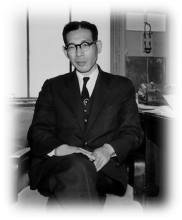
The field of solid-state ionics originated in Europe, but Takehiko Takahashi of Nagoya University in Japan was the first to coin the term ‘solid ionics’ in 1967. ‘Solid-state ionics’ first appeared in 1971 in another of his papers, and was likely a play on ‘solid-state electronics’, another rapidly growing field at the time.
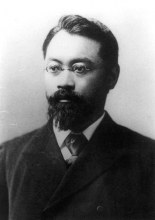
The techniques that make industrial pearl culturing possible were developed over a century ago at the Misaki Marine Biological Station in Japan. The station’s first director, Professor Kakichi Mitsukuri, emphasized to Kokichi Mikimoto in 1890 that stimulating pearl sac formation was important for pearl growth, and they went on to successfully develop methods for culturing pearls.
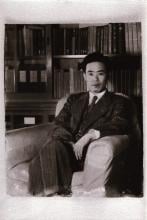
Japanese physicist Ukichiro Nakaya (1900-1962) made the world’s first artificial snowflakes. He started his research on snow crystals in the early 1930s at Hokkaido University, where there is an unlimited supply of natural snow in winter. By taking over 3,000 photographs, he established a classification of natural snow crystals and described their relationship with weather conditions.
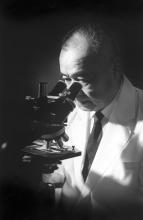
Minoru Shirota (April 23, 1899 – March 10, 1982) was a Japanese microbiologist who invented the popular fermented drink Yakult.
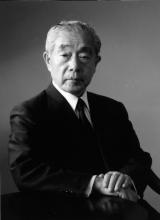
Japanese chemist Kenichi Fukui (4 October 1918 – 9 January 1998) was the first Asian scientist to be awarded the Nobel Prize in Chemistry. Together with Roald Hoffman, he received this honour in 1981 for his independent research into the mechanisms of chemical reactions.
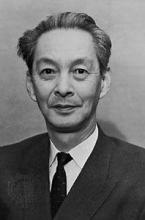
Shinichiro Tomonaga (31 March 1906 – 8 July 1979), together with Richard Feynman and Julian Schwinger, was awarded the Nobel Prize in Physics in 1965, for their contributions to advance the field of quantum electrodynamics. Tomonaga was also a strong proponent of peace, who actively campaigned against the proliferation of nuclear weapons and promoted the peaceful use of nuclear energy.
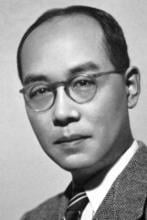
Hideki Yukawa (23 January 1907 – 8 September 1981) was awarded the Nobel Prize in Physics in 1949 for predicting the existence of the pi meson subatomic particle. Japan’s first Nobel laureate, Yakawa also expressed his support for nuclear disarmament by signing the Russell–Einstein Manifesto in 1955.
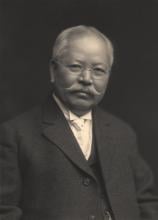
Japanese chemist Takamine Jokichi (3 November 1854 – 22 July 1922) founded the Tokyo Artificial Fertilizer Company, where he isolated a starch-digesting enzyme (named takadiastase) from the fungus Aspergillus oryzae.
Tsuneko (7 June 1933) and Reiji Okazaki (8 October 1930 – 1 August 1975) were a Japanese couple who discovered Okazaki fragments – short sequences of DNA that are synthesized during DNA replication and linked together to form a continuous strand.
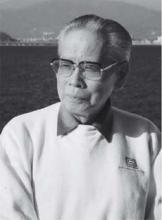
A Japanese surgeon, Tetsuzo Akutsu (20 August 1922 – 9 August 2007) built the first artificial heart capable of keeping an animal alive.
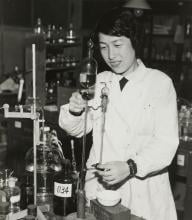
Japanese geochemist Katsuko Saruhashi developed the first method and tools for measuring carbon dioxide in seawater