

Japan
News

11 Sep 2023
Hokkaido University
Elusive fundamental particles called neutrinos are predicted to interact unexpectedly with photons under extreme conditions.
07 Sep 2023
Kanazawa University
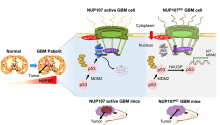
Researchers at Kanazawa University report in Cell Reports how alterations in the nuclear pores lead to the degradation of anti-tumor proteins.
06 Sep 2023
Tohoku University
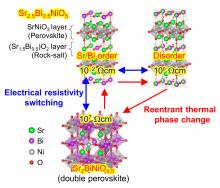
Researchers scientists have unlocked a new realm of possibilities for non-volatile phase change memory, a type of electronic memory capable of retaining data even without power. Traditionally, researchers have relied on chalcogenides, materials with reversible electrical properties during transitions between crystalline and amorphous states. But an exciting alternative has emerged in the form of layered nickelates, complex oxide materials composed of nickel ions. These nickelates, with their unique layered structure and thermally reversible switching of room-temperature electrical resistivity, offer superior performance and sustainability potential.
06 Sep 2023
Osaka Metropolitan University
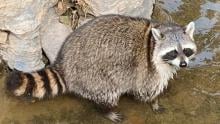
In recent years, an emerging zoonotic pathogen called E. albertii, transmitted by wild animals such as raccoons, has garnered attention due to its remarkable similarities to several strains of Escherichia coli (E. coli), including O157, and its potential to cause severe illness, particularly in children. A research group at Osaka Metropolitan University has developed a novel culture medium that allows for the selective cultivation of E. albertii from raccoon fecal samples. This enabled the successful isolation of E. albertii even from samples with very low quantities of this bacterium. Their findings are expected to further elucidate the bacteriological characteristics of E. albertii and to contribute to the control of foodborne illnesses.
05 Sep 2023
Kanazawa University
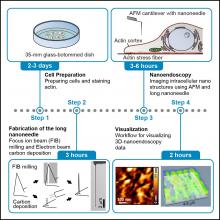
Researchers at Kanazawa University report in STAR Protocols procedural details and tips for nanoendoscopy-AFM, for capturing images of nanoscale structures inside living cells.

05 Sep 2023
The University of Osaka
Researchers from Osaka University have revealed that the expression of a specific isoform of GREB1 Is4 is induced in malignant melanoma cells by the melanocyte-specific transcription factor, MITF. They revealed that GREB1 Is4 stimulates pyrimidine biosynthesis and promotes cancer cell proliferation. Furthermore, the anti-tumor effect of antisense nucleic acids against GREB1 showed a potential new modality for malignant melanoma.

01 Sep 2023
Ehime University
Survey observations with the Subaru Telescope have led to the discovery of 22 quasars in the very distant universe. Their space density indicates the rapid emergence of supermassive black holes soon after the Big Bang, providing strong constraints on models of when, where, and how they formed and grew in cosmic space-time. The results also indicate a small quasar contribution to cosmic reionization, a major phase transition of the early universe.
01 Sep 2023
Hiroshima University
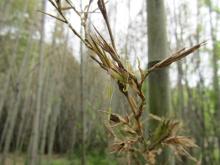
A long-lived monocarpic species of bamboo, Phyllostachys nigra var. henonis, only flowers once every 120 years before it dies. The upcoming flowering event for this species does not bode well for its continued long-term survival, as most flowers are not producing viable seeds.
29 Aug 2023
Hokkaido University
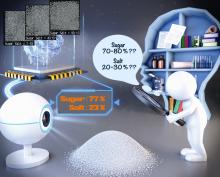
Machine learning model provides quick method for determining the composition of solid chemical mixtures using only photographs of the sample.
28 Aug 2023
Osaka Metropolitan University
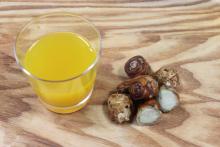
Osaka Metropolitan University scientists have verified the anticancer effects of Kencur, a tropical plant of the ginger family, mainly grown in Southeast Asia, in cell and animal experiments. They found that Kencur extract and its main active components significantly inhibit cancer cell growth at the cellular and animal levels. Furthermore, the involvement of TFAM in the mechanism of action was confirmed.
25 Aug 2023
Kanazawa University
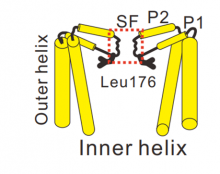
Researchers at Kanazawa University report in Nature Communications how calcium ions can block sodium ion channels located in cell membranes. Structural analysis and computer simulations made it possible to identify where and why calcium ions get stuck.
24 Aug 2023
Osaka Metropolitan University
Osaka Metropolitan University researchers conducted a 5-year claims-based study of 655 non-frail or pre-frail older adults who were certified as having low care needs to investigate the relationship between the risk of frailty and two types of care services. The results showed that users of community-based adult care services had a 40% reduced risk of developing frailty compared to non-users. This suggests that utilizing appropriate support and services can prevent the progression of frailty.
23 Aug 2023
Hiroshima University
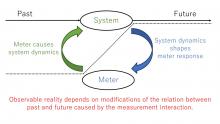
Quantum physicists have found that the outcomes of measurements are shaped by the complex dynamics of measurement interactions, questioning our usual understanding of observable reality.

23 Aug 2023
National Institute for Materials Science (NIMS)
The search for innovative materials will be greatly assisted by software that can suggest new experimental possibilities and also control the robotic systems that check them out.

22 Aug 2023
The University of Osaka
Researchers from SANKEN (The Institute of Scientific and Industrial Research) at Osaka University and two other universities used topological data analysis to improve the predictions of physical properties of amorphous materials by machine-learning algorithms. This may allow for cheaper and faster calculations of material properties.
21 Aug 2023
Hokkaido University
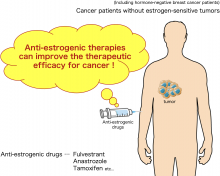
Anti-estrogenic therapies can suppress the growth of cancer that does not express estrogen receptors; when combined with immune checkpoint inhibitor therapies, they halt tumor progression in mice models.
19 Aug 2023
Kanazawa University
In a study recently published in the journal Nanoscale, researchers from Kanazawa University and AGC Inc. use three-dimensional atomic force microscopy to study the hydrated form and structure of commonly occurring oxide crystals.
16 Aug 2023
Osaka Metropolitan University
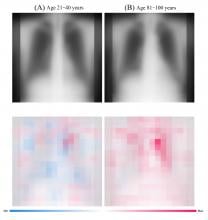
Osaka Metropolitan University scientists have developed an AI model that accurately estimates a patient’s age, using chest radiographs of healthy individuals collected from multiple facilities. Furthermore, they found a positive relationship between differences in the AI-estimated and chronological ages and a variety of chronic diseases, such as hypertension, hyperuricemia, and chronic obstructive pulmonary disease. In the future, it is expected that AI biomarkers will be developed to predict life expectancy, estimate the severity of chronic diseases, and forecast surgery-related risks.

10 Aug 2023
The University of Osaka
A team led by researchers at Osaka University and University of California, San Diego has conducted simulations of creating matter solely from collisions of light particles. Their method circumvents what would otherwise be the intensity limitations of modern lasers and can be readily implemented by using presently available technology. This work might help experimentally test long-standing theories such as the Standard Model of particle physics, and possibly the need to revise them.
10 Aug 2023
Hokkaido University
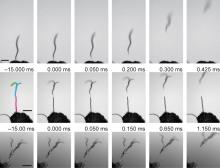
Hokkaido University researchers found that tiny nematode worm larvae surf electric fields to hitch rides on passing insects.
09 Aug 2023
The University of Osaka
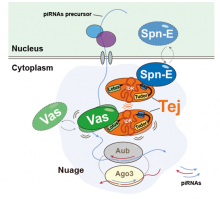
Researchers from Osaka University clarified the interactions of the proteins Tejas (Tej), Vasa (Vas), and Spindle-E (Spn-E) in the formation of cellular compartments known as nuage and the processing of PIWI-interacting RNA (piRNA) precursors in Drosophila melanogaster ovaries. piRNAs help prevent the transmission of genetic mutations through reproductive cells, and insight into the dynamics of piRNA formation and processing may contribute to our understanding of the mechanisms underlying reproductive disorders, including infertility.

09 Aug 2023
Ehime University
Rheology of hexagonal close-packed iron determined by high-pressure and high temperature deformation experiments
08 Aug 2023
Institute of Industrial Science, The University of Tokyo (UTokyo-IIS)
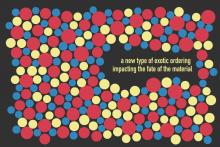
Researchers at the Institute of Industrial Science, The University of Tokyo use computer simulations of glass-forming particles to discover a new type of exotic ordering impacting the fate of the material.

08 Aug 2023
Institute of Industrial Science, The University of Tokyo (UTokyo-IIS)
Researchers from the Institute of Industrial Science, The University of Tokyo, provide physical insights into ion hydration in water-based solutions, which will aid electrolyte design for energy storage technologies.
07 Aug 2023
Osaka Metropolitan University
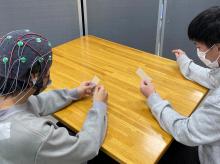
A research team from the Graduate School of Rehabilitation Science at Osaka Metropolitan University investigated the electrophysiological benefits of working in the presence of others from the perspectives of brain and autonomic nervous system activity. The researchers found that parasympathetic activity—which indicates relaxation—was significantly higher when two individuals were working separately than when one individual was working alone. This suggests that arranging the former condition in occupational therapy for individuals with high levels of tension or anxiety in clinical settings may potentially help alleviate these feelings.
07 Aug 2023
Tohoku University
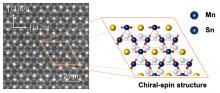
Researchers at Tohoku University and Massachusetts Institute of Technology (MIT) have unveiled new information about the anomalous dynamics at play when an electric current is applied to a new class of magnetic materials called non-collinear antiferromagnets.
04 Aug 2023
Osaka Metropolitan University
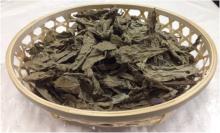
Osaka Metropolitan University scientists tested the antiobesity effects of Mallotus furetianus extract native to Hainan Island, China, using obesity model mice. As a result, body weight and adipose tissue weight of obesity model mice were significantly reduced by the intake of Mallotus furetianus extract. Fatty liver was suppressed and adipocyte size reduction in adipose tissue was observed. Further investigation into the mechanism revealed that fat synthesis is inhibited by suppressing the expression of several transcription factors involved in differentiation into adipocytes.
04 Aug 2023
Tohoku University
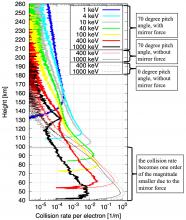
Tohoku University geophysicist Yuto Katoh led a study into the activity of high energy electrons and clarified the unexpected role of the geomagnetic field surrounding the Earth in protecting.

03 Aug 2023
The University of Osaka
The researchers from Osaka University showed how bone erosion caused by cholesteatoma occurs. This study showed that a subset of cells called osteoclastogenic fibroblasts expresses a protein, activin A, which causes the breakdown of the bones. Because of this discovery, novel medical treatments can be developed as first-line management for cholesteatomas.

02 Aug 2023
Institute for Integrated Cell-Material Sciences (iCeMS) at Kyoto University
Soft metal-organic polymer networks can adsorb selected molecules from gas mixtures by opening pores when the molecules bind.
Researchers
Sorry, no researchers coming up for this topic.
Giants in history

Japanese biochemist Akira Endo (1933 – 2024) discovered the first statin, called mevastatin, which lowered cholesterol levels in the blood by inhibiting a key enzyme in the cholesterol biosynthesis pathway. His work laid the foundation for the development of statins to help patients lower their blood cholesterol levels and reduce their risk of heart disease or stroke.
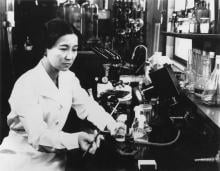
Ruby Sakae Hirose (1904 – 1960) was a Japanese-American scientist whose research contributed significantly to our understanding of blood clotting, allergies and cancer.
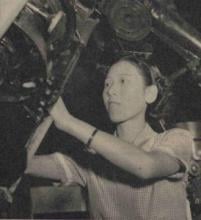
Haisako Koyama (1916 – 1997) was a Japanese solar observer whose dedication to recording sunspots – cooler parts of the sun’s surface that appear dark – produced a sunspot record of historic importance.
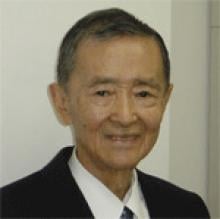
Michiaki Takahashi (17 February 1928 – 16 December 2013) was a Japanese virologist who developed the first chickenpox vaccine.
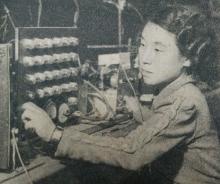
Toshiko Yuasa (11 December 1909 – 1 February 1980) was the first Japanese female physicist whose research on radioactivity shed light on beta decay – the process in which an atom emits a beta particle (electron) and turns into a different element.
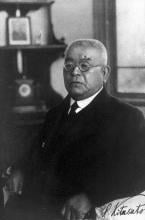
Baron Kitasato Shibasaburo (29 January 1856 – 13 June 1931) was a Japanese physician and bacteriologist whose work led to a new understanding of preventing and treating tetanus, diphtheria and anthrax.
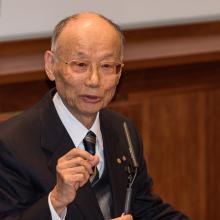
By isolating soil microorganisms and studying the compounds they produce, Satoshi Omura (born 1935) discovered almost 500 organic compounds with unique properties that were produced by these microorganisms, including many new antibiotics.
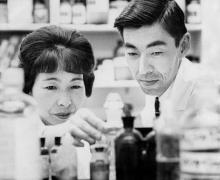
Husband and wife team, Kimishige (3 December 1925 – 6 July 2018) and Teruko Ishizaka (28 September 1926 – 4 June 2019) discovered the antibody class Immunoglobulin E (IgE) that triggers allergic reactions. They also discovered that IgE antibodies attach to white blood cells, known as mast cells, releasing histamine, which causes allergic reactions.
Husband and wife team, Kimishige (3 December 1925 – 6 July 2018) and Teruko Ishizaka (28 September 1926 – 4 June 2019) discovered the antibody class Immunoglobulin E (IgE) that triggers allergic reactions. They also discovered that IgE antibodies attach to white blood cells, known as mast cells, releasing histamine, which causes allergic reactions.
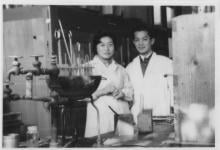
Reiji Okazaki (8 October 1930 – 1 August 1975) and Tsuneko (7 June 1933) were a Japanese couple who discovered Okazaki fragments – short sequences of DNA that are synthesized during DNA replication and linked together to form a continuous strand.
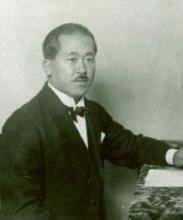
In 1915, Koichi Ichikawa along with pathologist Katsusaburo Yamagiwa became the first to prove that chronic exposure to chemicals can cause cancer.
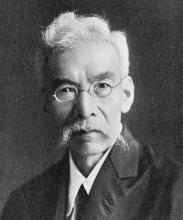
In 1915, pathologist Katsusaburo Yamagiwa and his research assistant Koichi Ichikawa became the first to prove that chronic exposure to chemicals can cause cancer.
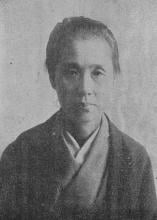
Ogino Ginko (3 March 1851 – 23 June 1913) was the first registered female doctor to practise modern medicine in Japan.
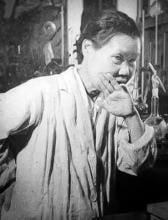
Michiyo Tsujimura (17 September 1888 – 1 June 1969) was a Japanese agricultural scientist and biochemist recognized for her research of green tea components.
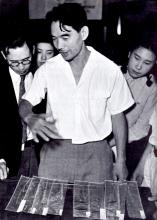
Hitoshi Kihara (1893 – 1986) was one of the most famous Japanese geneticists of the 20th century. One of his most significant contributions was identifying sex chromosomes (X and Y) in flowering plants.
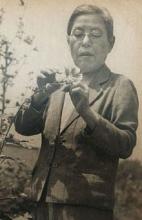
Kono Yasui (16 February 1880 – 24 March 1971) was a Japanese botanist who researched the genetics of poppies, corn and spiderworts and surveyed the plants that had been affected by the nuclear fallout after the atomic bombings of Hiroshima and Nagasaki.
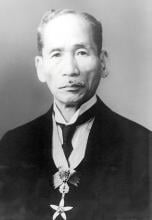
Umetaro Suzuki (7 April 1874 – 20 September 1943) was a Japanese scientist best remembered for his research on beriberi, a disease caused by vitamin B1 deficiency, characterized by limb stiffness, paralysis and pain.
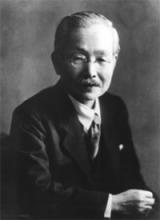
Kikunae Ikeda (8 October 1864 – 3 May 1936) was a Japanese chemist who discovered the fifth basic taste, umami.
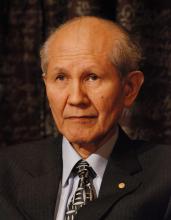
Osamu Shimomura (27 August 1928 – 19 October 2018) was a Japanese organic chemist and marine biologist who dedicated his career to understanding how organisms emitted light.
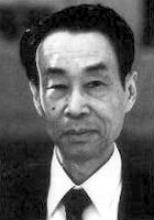
Motoo Kimura (13 November 1924 – 13 November 1994) was a Japanese theoretical population geneticist who is best remembered for developing the neutral theory of molecular evolution.

Chika Kuroda (24 March 1884 – 8 November 1968) was a Japanese chemist whose research focussed on the structures of natural pigments.
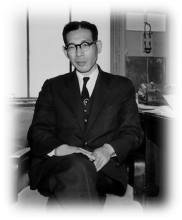
The field of solid-state ionics originated in Europe, but Takehiko Takahashi of Nagoya University in Japan was the first to coin the term ‘solid ionics’ in 1967. ‘Solid-state ionics’ first appeared in 1971 in another of his papers, and was likely a play on ‘solid-state electronics’, another rapidly growing field at the time.
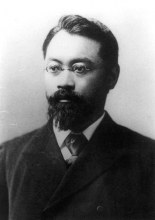
The techniques that make industrial pearl culturing possible were developed over a century ago at the Misaki Marine Biological Station in Japan. The station’s first director, Professor Kakichi Mitsukuri, emphasized to Kokichi Mikimoto in 1890 that stimulating pearl sac formation was important for pearl growth, and they went on to successfully develop methods for culturing pearls.
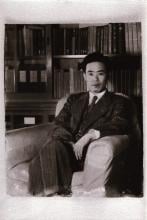
Japanese physicist Ukichiro Nakaya (1900-1962) made the world’s first artificial snowflakes. He started his research on snow crystals in the early 1930s at Hokkaido University, where there is an unlimited supply of natural snow in winter. By taking over 3,000 photographs, he established a classification of natural snow crystals and described their relationship with weather conditions.
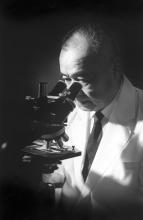
Minoru Shirota (April 23, 1899 – March 10, 1982) was a Japanese microbiologist who invented the popular fermented drink Yakult.
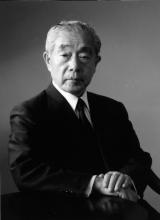
Japanese chemist Kenichi Fukui (4 October 1918 – 9 January 1998) was the first Asian scientist to be awarded the Nobel Prize in Chemistry. Together with Roald Hoffman, he received this honour in 1981 for his independent research into the mechanisms of chemical reactions.
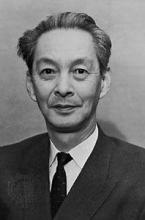
Shinichiro Tomonaga (31 March 1906 – 8 July 1979), together with Richard Feynman and Julian Schwinger, was awarded the Nobel Prize in Physics in 1965, for their contributions to advance the field of quantum electrodynamics. Tomonaga was also a strong proponent of peace, who actively campaigned against the proliferation of nuclear weapons and promoted the peaceful use of nuclear energy.
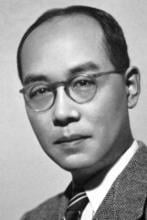
Hideki Yukawa (23 January 1907 – 8 September 1981) was awarded the Nobel Prize in Physics in 1949 for predicting the existence of the pi meson subatomic particle. Japan’s first Nobel laureate, Yakawa also expressed his support for nuclear disarmament by signing the Russell–Einstein Manifesto in 1955.
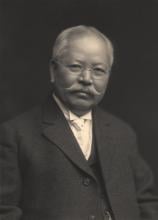
Japanese chemist Takamine Jokichi (3 November 1854 – 22 July 1922) founded the Tokyo Artificial Fertilizer Company, where he isolated a starch-digesting enzyme (named takadiastase) from the fungus Aspergillus oryzae.
Tsuneko (7 June 1933) and Reiji Okazaki (8 October 1930 – 1 August 1975) were a Japanese couple who discovered Okazaki fragments – short sequences of DNA that are synthesized during DNA replication and linked together to form a continuous strand.
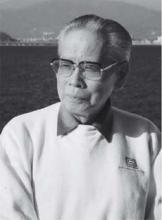
A Japanese surgeon, Tetsuzo Akutsu (20 August 1922 – 9 August 2007) built the first artificial heart capable of keeping an animal alive.
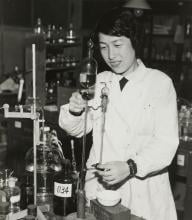
Japanese geochemist Katsuko Saruhashi developed the first method and tools for measuring carbon dioxide in seawater