
Japan
News
04 Apr 2023
Kavli Institute for the Physics and Mathematics of the Universe (Kavli IPMU)
An international team including Kavli IPMU has measured a value for the “clumpiness” of the universe’s dark matter, which aligns with values that other gravitational lensing surveys have found in looking at the relatively recent universe — but it does not align with the value of 0.83 derived from the Cosmic Microwave Background.
04 Apr 2023
Hokkaido University
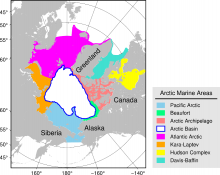
Marine predators have expanded their ranges into the Arctic waters over the last twenty years, driven by climate change and associated increases in productivity.
30 Mar 2023
Osaka Metropolitan University
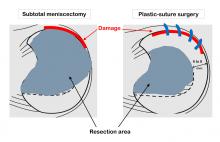
Researchers from Osaka Metropolitan University Graduate School of Medicine conducted an interoperative comparison of lateral disc meniscus injuries of young patients (aged 15 or less), that were treated with plastic sutures or subtotal resection, to see if there was a difference in postoperative cartilage degeneration. The research group observed that sub-total meniscectomies were more likely to show cartilage degeneration, being worst in lateral disc meniscus injuries. In addition, they found that even with higher levels of meniscus damage, preserving the meniscus with sutures was more effective in protecting the cartilage in young patients.
30 Mar 2023
Osaka Metropolitan University
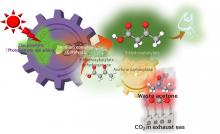
Osaka Metropolitan University scientists have developed a process using artificial photosynthesis to successfully convert more than 60% of waste acetone into 3-hydroxybutyrate, a material used to manufacture biodegradable plastic. The results were obtained using low-concentration CO2, equivalent to exhaust gas, and powered by light equivalent to sunlight for 24 hours. The researchers expect that this innovative way of producing biodegradable plastic could not only reduce CO2 emissions but also provide a way of reusing laboratory and industrial waste acetone.
29 Mar 2023
Kanazawa University
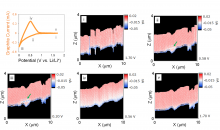
Researchers at Kanazawa University report in JACS Au how they have developed operando scanning ion conductance microscopy to allow simultaneous measurements of changes in the anode surface topography of a lithium ion battery during use, as well as the varying ion concentration with depth. Combining both types of information should help researchers evaluate the correlation between the two to design better batteries.
29 Mar 2023
Osaka Metropolitan University
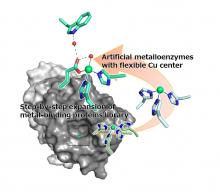
A research group at Osaka Metropolitan University has succeeded in simply creating an artificial metalloenzyme with the common metal-binding motif 2-his-1-carboxylate, which is found in natural non-heme metalloenzymes. They created a library of 12 different proteins and screened the library and found that the H52A/H58E variant had the best stereoselectivity. It is expected that this research can be expanded to produce a variety of biocatalysts that work under mild conditions.
29 Mar 2023
Osaka Metropolitan University
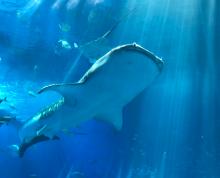
A group including Osaka Metropolitan University researchers discovered that the rhodopsin—a protein in the eye that detects light—of whale sharks has changed to efficiently detect blue light, which penetrates deep-sea water easily. The amino acid substitutions–one of which is counterintuitively associated with congenital stationary night blindness in humans—aid in detecting the low levels of light in the deep-sea. Although these changes make the whale shark rhodopsin less thermally stable the deep-sea temperature, allows their rhodopsin to keep working. This suggests that the unique adaptation evolved to function in the low-light low-temperature environment where whale sharks live.
28 Mar 2023
Osaka Metropolitan University
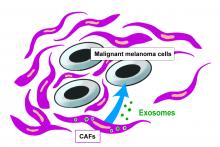
Cancer-associated fibroblasts (CAFs) are key factors in the tumor microenvironment, which have been implicated in cancer cell progression. It has also been reported that vesicles called exosomes produced by these CAFs play an important role in cancer progression. An Osaka Metropolitan University research group investigated the effect of CAF-derived exosomes on the growth of malignant melanoma cells. They found that CAF-derived exosomes express CD9 and CD63 transmembrane proteins, and that the CD9-positive exosomes may inhibit the growth of malignant melanoma cells.
27 Mar 2023
Osaka Metropolitan University
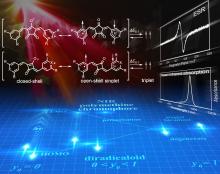
An Osaka Metropolitan University joint research group has discovered that near-infrared absorbing dyes, which had previously been considered to have closed-shell electronic structures, have an intermediate electronic structure, between closed- and open-shell structures. They also found that as the wavelength of near-infrared light that can be absorbed becomes longer the contribution of open-shell forms increases within the dye. These newly discovered characteristics are expected to be utilized to develop new near-infrared absorbing dyes that can absorb longer wavelength near-infrared light.
27 Mar 2023
The University of Osaka
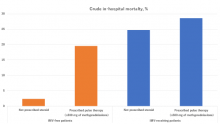
Researchers from Osaka University have found that repeated high-dose treatment, known as pulse therapy, with the steroid methylprednisolone reduces in-hospital deaths in COVID-19 patients who receive invasive mechanical ventilation, but not in patients who don’t receive invasive mechanical ventilation. These findings were only possible using appropriate statistical methods to remove bias from the data, which originally seemed to show that the opposite was true. These results can improve patient treatment and reduce COVID-19-related deaths worldwide.
24 Mar 2023
Osaka Metropolitan University
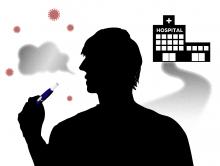
A research group from Osaka Metropolitan University investigated the relationship between tobacco use, including heated tobacco products, with the risk of SARS-CoV-2 infection and severe COVID-19. The researchers administered an online survey of living conditions in February 2022 to 30,130 participants aged 16-81 years, finding that heated tobacco product users had significantly higher rates of SARS-CoV-2 infection compared to non-tobacco users. Furthermore, the research group found that among all tobacco users, those who used both heated tobacco products and traditional cigarettes had the highest incidence of requiring hospitalization or oxygen due to COVID-19.
23 Mar 2023
Kavli Institute for the Physics and Mathematics of the Universe (Kavli IPMU)
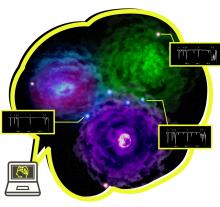
Machine learning and state-of-the-art supernova nucleosynthesis has helped researchers find that the majority of observed second-generation stars in the universe were enriched by multiple supernovae.
23 Mar 2023
The University of Osaka
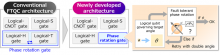
Fujitsu and Osaka University’s Center for Quantum Information and Quantum Biology (QIQB) today revealed the development of a new, highly efficient analog rotation quantum computing architecture, representing a significant milestone toward the realization of practical quantum computing. The new architecture reduces the number of physical qubits required for quantum error correction – a prerequisite for the realization of fault-tolerant quantum computing – by 90% from 1 million to 10,000 qubits. This breakthrough will allow research to embark on the construction of a quantum computer with 10,000 physical qubits and 64 logical qubits (4), which corresponds to computing performance of approximately 100,000 times that of the peak performance of conventional high performance computers.
23 Mar 2023
Institute of Industrial Science, The University of Tokyo (UTokyo-IIS)
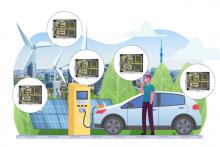
Researchers at The University of Tokyo develop a gate driver for circuit bipolar transistor electronic switches with a timing function robust to changes in current and temperature, which can be used in many industrial control applications
23 Mar 2023
The University of Osaka
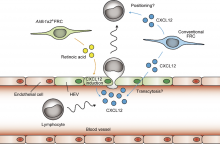
Researchers from Osaka University identified a subset of fibroblastic reticular cells (FRCs) that simultaneously express two proteins, Aldh1a2 and Tie2, making them unique to areas of the omentum called milky spots. Genetic depletion of these cells caused structural disruption of milky spots. The FRCs were critical to the abdominal immune system as they regulated CXCL12 levels, a molecule necessary for lymphocyte recruitment from blood circulation. These insights can help develop novel treatments for intra-abdominal infections.
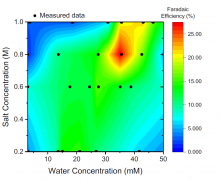
22 Mar 2023
The University of Osaka
Researchers from SANKEN (The Institute of Scientific and Industrial Research), at Osaka University in collaboration with researchers from Imperial College London (UK) have improved the Faradaic efficiency of the nitrogen reduction reaction into ammonia by straightforward optimization of chemical process parameters. They found that trace water was the probable source of the high selectivity by facilitating incorporation of lithium oxide into the solid electrolyte interphase. These findings will also aid optimization of other analogous reactions, and thus help the chemicals industry optimize the sustainability of one of the most carbon-intensive reactions globally.
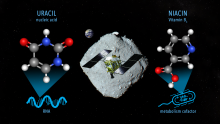
21 Mar 2023
Hokkaido University
Samples from the asteroid Ryugu collected by the Hayabusa2 mission contain nitrogenous organic compounds, including the nucleobase uracil, which is a part of RNA.

20 Mar 2023
Hokkaido University
Parasitic infections in salmonid fish can increase or decrease their vulnerability to angling, depending on their body condition.
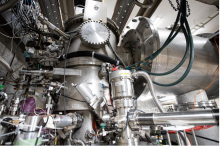
20 Mar 2023
Kavli Institute for the Physics and Mathematics of the Universe (Kavli IPMU)
By adapting technology used for gamma-ray astronomy, researchers has found X-ray transitions previously thought to have been unpolarized according to atomic physics, are in fact highly polarized.
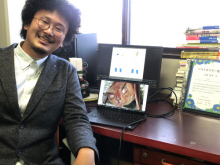
17 Mar 2023
Hiroshima University
Bioengineers formulated a mathematical model that clarified the importance of bat ear motions in direction detection, making way for lean, mean sonar navigation machines.
15 Mar 2023
Kavli Institute for the Physics and Mathematics of the Universe (Kavli IPMU)
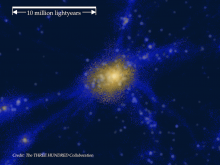
A team led by Kavli IPMU researchers have found the earliest evidence of parts of the universe that were heated to temperatures more characteristic to the intergalactic gas medium where most atoms reside in the universe today.
15 Mar 2023
The University of Osaka
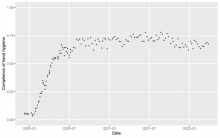
An Osaka University study investigated how the COVID-19 onset and media coverage affected hand hygiene compliance. Voluntary use of hand sanitizer in a hospital rose from 5% in December 2019 to 70%+ by August 2020. In the same period, TV coverage reached 7.7 hours/day on a national broadcaster. The study’s simulations found a significant relation between TV coverage and hand hygiene compliance, though no correlation between compliance and newly confirmed COVID-19 cases and deaths.
15 Mar 2023
Hokkaido University
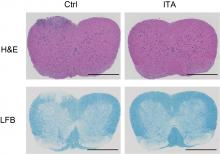
Researchers have revealed the modulatory effect of the anti-inflammatory metabolite itaconate on T helper and T regulatory cells, which may lead to new therapeutic approaches to treating some autoimmune diseases.
14 Mar 2023
Kanazawa University
In a study recently published in the journal ACS Nano, published by American Chemical Society, researchers from Kanazawa University, Kanazawa, Japan, collaborating with University of Washington, Seattle, USA, used frequency modulated atomic force microscopy to reveal the molecular architecture of a genetically designed peptide and its self-organization that forms single-molecule thick crystals on atomically flat graphite surfaces, that offer a potential platform for hybrid technologies such as bioelectronics, biosensors, and protein arrays.
14 Mar 2023
Kanazawa University
Researchers at Kanazawa University report in ACS Nano how high-speed atomic force microscopy can be used to study the biomolecular mechanisms underlying gene editing.

14 Mar 2023
Osaka Metropolitan University
Osaka Metropolitan University scientists succeeded in directly observing how LECs—which are attracting attention as one of the post-organic LEDs—change their electronic state over time during field emission by measuring their optical absorption via lamp light irradiation for the first time. This research method can be applied to all light-emitting devices, including not only LECs but also organic LEDs. This method is expected to reveal detailed electroluminescence processes and lead to the early detection of factors that reduce the efficiency of electroluminescence.

13 Mar 2023
Osaka Metropolitan University
Osaka Metropolitan University scientists successfully quantified the total reactive polysulfide content of 22 different types of vegetables, including onions and garlic. They also revealed that reactive polysulfides are not only found in the leek genus (Allium), such as onions and garlic but also in the cruciferous family of vegetables (Brassicaceae), such as broccoli and cabbage.
13 Mar 2023
The University of Osaka
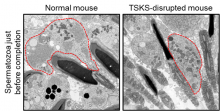
Researchers from Osaka University identified the role of a protein known as testis-specific kinase substrate (TSKS) in the process of spermiation, the release of mature sperm. Analysis of a gene-modified mouse model in which TSKS is disrupted revealed that TSKS is necessary for sperm to eliminate cytoplasm and become streamlined. These findings may lead to the development of diagnostic tests and male contraceptives.
10 Mar 2023
Tohoku University
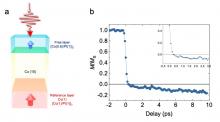
Researchers from the Université de Lorraine and Tohoku University have demonstrated sub-picosecond magnetization reversal in rare-earth-free spin valves. To date, ultra-fast magnetization control without using magnetic fields was only seen in material systems using rare-earth materials. But the recent breakthrough is expected to open up new pathways for developing ultra-fast and energy efficient applications.
10 Mar 2023
Hokkaido University
Scientists have shown that swarming molecular robots can deliver cargo five times more efficiently than a robot working on its own.
Researchers
Sorry, no researchers coming up for this topic.
Giants in history

Japanese biochemist Akira Endo (1933 – 2024) discovered the first statin, called mevastatin, which lowered cholesterol levels in the blood by inhibiting a key enzyme in the cholesterol biosynthesis pathway. His work laid the foundation for the development of statins to help patients lower their blood cholesterol levels and reduce their risk of heart disease or stroke.
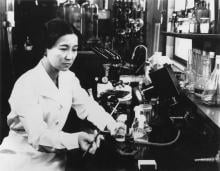
Ruby Sakae Hirose (1904 – 1960) was a Japanese-American scientist whose research contributed significantly to our understanding of blood clotting, allergies and cancer.

Haisako Koyama (1916 – 1997) was a Japanese solar observer whose dedication to recording sunspots – cooler parts of the sun’s surface that appear dark – produced a sunspot record of historic importance.
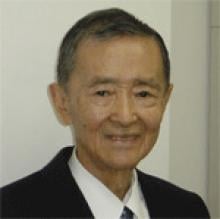
Michiaki Takahashi (17 February 1928 – 16 December 2013) was a Japanese virologist who developed the first chickenpox vaccine.
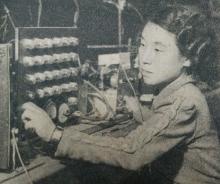
Toshiko Yuasa (11 December 1909 – 1 February 1980) was the first Japanese female physicist whose research on radioactivity shed light on beta decay – the process in which an atom emits a beta particle (electron) and turns into a different element.
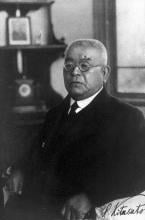
Baron Kitasato Shibasaburo (29 January 1856 – 13 June 1931) was a Japanese physician and bacteriologist whose work led to a new understanding of preventing and treating tetanus, diphtheria and anthrax.
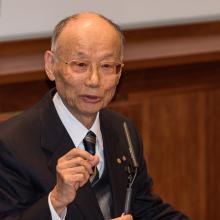
By isolating soil microorganisms and studying the compounds they produce, Satoshi Omura (born 1935) discovered almost 500 organic compounds with unique properties that were produced by these microorganisms, including many new antibiotics.
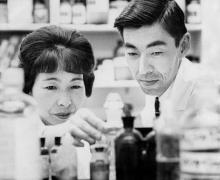
Husband and wife team, Kimishige (3 December 1925 – 6 July 2018) and Teruko Ishizaka (28 September 1926 – 4 June 2019) discovered the antibody class Immunoglobulin E (IgE) that triggers allergic reactions. They also discovered that IgE antibodies attach to white blood cells, known as mast cells, releasing histamine, which causes allergic reactions.
Husband and wife team, Kimishige (3 December 1925 – 6 July 2018) and Teruko Ishizaka (28 September 1926 – 4 June 2019) discovered the antibody class Immunoglobulin E (IgE) that triggers allergic reactions. They also discovered that IgE antibodies attach to white blood cells, known as mast cells, releasing histamine, which causes allergic reactions.
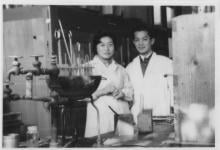
Reiji Okazaki (8 October 1930 – 1 August 1975) and Tsuneko (7 June 1933) were a Japanese couple who discovered Okazaki fragments – short sequences of DNA that are synthesized during DNA replication and linked together to form a continuous strand.
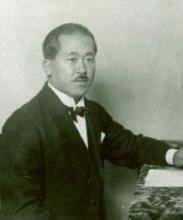
In 1915, Koichi Ichikawa along with pathologist Katsusaburo Yamagiwa became the first to prove that chronic exposure to chemicals can cause cancer.
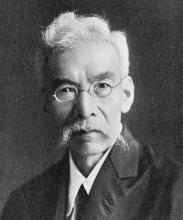
In 1915, pathologist Katsusaburo Yamagiwa and his research assistant Koichi Ichikawa became the first to prove that chronic exposure to chemicals can cause cancer.
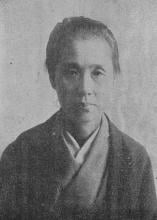
Ogino Ginko (3 March 1851 – 23 June 1913) was the first registered female doctor to practise modern medicine in Japan.
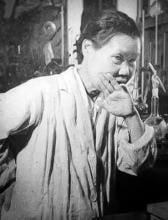
Michiyo Tsujimura (17 September 1888 – 1 June 1969) was a Japanese agricultural scientist and biochemist recognized for her research of green tea components.
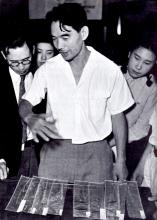
Hitoshi Kihara (1893 – 1986) was one of the most famous Japanese geneticists of the 20th century. One of his most significant contributions was identifying sex chromosomes (X and Y) in flowering plants.
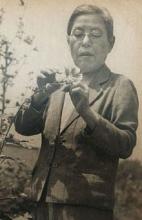
Kono Yasui (16 February 1880 – 24 March 1971) was a Japanese botanist who researched the genetics of poppies, corn and spiderworts and surveyed the plants that had been affected by the nuclear fallout after the atomic bombings of Hiroshima and Nagasaki.
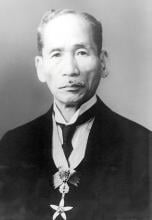
Umetaro Suzuki (7 April 1874 – 20 September 1943) was a Japanese scientist best remembered for his research on beriberi, a disease caused by vitamin B1 deficiency, characterized by limb stiffness, paralysis and pain.
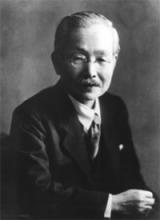
Kikunae Ikeda (8 October 1864 – 3 May 1936) was a Japanese chemist who discovered the fifth basic taste, umami.
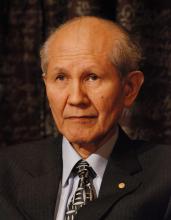
Osamu Shimomura (27 August 1928 – 19 October 2018) was a Japanese organic chemist and marine biologist who dedicated his career to understanding how organisms emitted light.
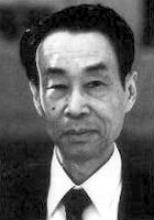
Motoo Kimura (13 November 1924 – 13 November 1994) was a Japanese theoretical population geneticist who is best remembered for developing the neutral theory of molecular evolution.

Chika Kuroda (24 March 1884 – 8 November 1968) was a Japanese chemist whose research focussed on the structures of natural pigments.
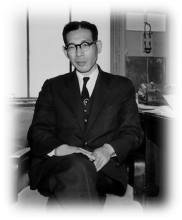
The field of solid-state ionics originated in Europe, but Takehiko Takahashi of Nagoya University in Japan was the first to coin the term ‘solid ionics’ in 1967. ‘Solid-state ionics’ first appeared in 1971 in another of his papers, and was likely a play on ‘solid-state electronics’, another rapidly growing field at the time.
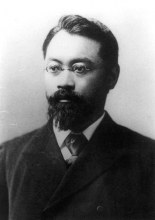
The techniques that make industrial pearl culturing possible were developed over a century ago at the Misaki Marine Biological Station in Japan. The station’s first director, Professor Kakichi Mitsukuri, emphasized to Kokichi Mikimoto in 1890 that stimulating pearl sac formation was important for pearl growth, and they went on to successfully develop methods for culturing pearls.
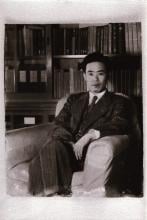
Japanese physicist Ukichiro Nakaya (1900-1962) made the world’s first artificial snowflakes. He started his research on snow crystals in the early 1930s at Hokkaido University, where there is an unlimited supply of natural snow in winter. By taking over 3,000 photographs, he established a classification of natural snow crystals and described their relationship with weather conditions.
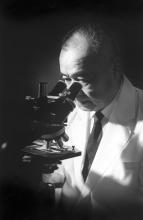
Minoru Shirota (April 23, 1899 – March 10, 1982) was a Japanese microbiologist who invented the popular fermented drink Yakult.
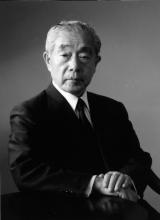
Japanese chemist Kenichi Fukui (4 October 1918 – 9 January 1998) was the first Asian scientist to be awarded the Nobel Prize in Chemistry. Together with Roald Hoffman, he received this honour in 1981 for his independent research into the mechanisms of chemical reactions.
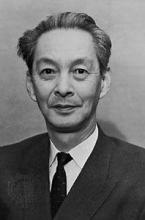
Shinichiro Tomonaga (31 March 1906 – 8 July 1979), together with Richard Feynman and Julian Schwinger, was awarded the Nobel Prize in Physics in 1965, for their contributions to advance the field of quantum electrodynamics. Tomonaga was also a strong proponent of peace, who actively campaigned against the proliferation of nuclear weapons and promoted the peaceful use of nuclear energy.
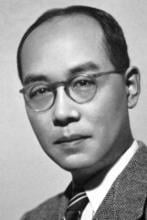
Hideki Yukawa (23 January 1907 – 8 September 1981) was awarded the Nobel Prize in Physics in 1949 for predicting the existence of the pi meson subatomic particle. Japan’s first Nobel laureate, Yakawa also expressed his support for nuclear disarmament by signing the Russell–Einstein Manifesto in 1955.
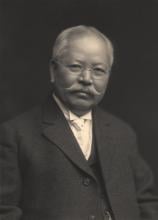
Japanese chemist Takamine Jokichi (3 November 1854 – 22 July 1922) founded the Tokyo Artificial Fertilizer Company, where he isolated a starch-digesting enzyme (named takadiastase) from the fungus Aspergillus oryzae.
Tsuneko (7 June 1933) and Reiji Okazaki (8 October 1930 – 1 August 1975) were a Japanese couple who discovered Okazaki fragments – short sequences of DNA that are synthesized during DNA replication and linked together to form a continuous strand.
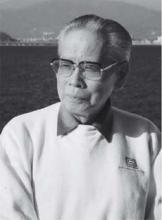
A Japanese surgeon, Tetsuzo Akutsu (20 August 1922 – 9 August 2007) built the first artificial heart capable of keeping an animal alive.
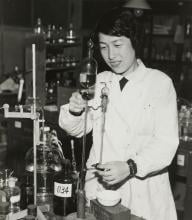
Japanese geochemist Katsuko Saruhashi developed the first method and tools for measuring carbon dioxide in seawater