
Japan
News
13 Dec 2022
Osaka Metropolitan University
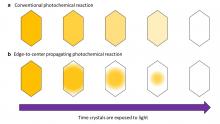
A research group at Osaka Metropolitan University has discovered that 2,5-distyrylpyrazine (DSP) crystals undergo a unique photoreaction. Normally, photoreactive color changes proceed uniformly throughout photomechanical molecular crystals, so that all parts of each crystal change color at the same time. However, when light shines evenly on a DSP crystal, the photoreaction propagates from edge to center, deviating from conventional photochemistry models. The group found that this phenomenon was caused by a surface effect and a cooperative effect, which make reactivity extremely high for molecules at the crystal’s edge and those adjacent to molecules that have already changed color.
12 Dec 2022
Institute of Industrial Science, The University of Tokyo (UTokyo-IIS)
Researchers at The University of Tokyo show how including the effects of the surrounding water during the aggregation of charged particles can improve the accuracy of simulations, which may help elucidate biological self-assembly

12 Dec 2022
Institute for Integrated Cell-Material Sciences (iCeMS) at Kyoto University
Revelations about the mechanisms of two key proteins which maintain the asymmetric distribution of cholesterol within the cell membrane could help understand and treat diseases linked to its imbalance
12 Dec 2022
Hiroshima University
Scientists investigate how genes in some insects can influence one another to change their expression depending on environmental conditions.

08 Dec 2022
Hokkaido University
Reef corals provide an accurate, high-resolution record of the influence of the El Niño Southern Oscillation on rainfall, flooding and droughts in the Mekong River Delta, Vietnam.

06 Dec 2022
World's first research into relationship between rich-in-biodiversity garden greenery and health/well-being launched by University of Tokyo and Sekisui House Ltd.
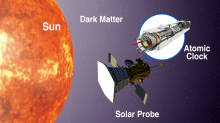
05 Dec 2022
Kavli Institute for the Physics and Mathematics of the Universe (Kavli IPMU)
Studying an atomic clock on-board a spacecraft inside the orbit of Mercury and very near to the Sun could be the trick to uncovering the nature of dark matter.

01 Dec 2022
National Institute for Materials Science (NIMS)
Machine learning and robotic process automation combine to speed up and simplify a process used to determine crystal structures.
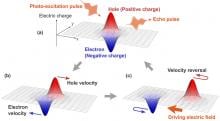
01 Dec 2022
Tohoku University
Precise control of quantum systems, such as quantum computers, is of great importance for modern quantum science. One way this has been done is via spin echoes. A research group has discovered a new type of echo, labelling them “energy-band echoes.”
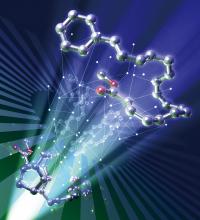
01 Dec 2022
Hokkaido University
Automated reaction path search method predicts accurate stereochemistry of pericyclic reactions using only target molecule structure.
01 Dec 2022
Hiroshima University
Therapeutically superior mesenchymal stem cells derived from the cranial bone offer hope in reversing paralysis and language impairment in moderate to severe cases of stroke.
30 Nov 2022
Osaka Metropolitan University
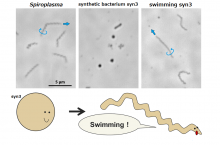
Osaka Metropolitan University researchers introduced seven proteins, thought to let bacteria swim by switching the direction that their helical bodies spiral, into a strain of synthetic bacterium with minimal genetic information. As a result, they confirmed that the synthetic bacterium named syn3, which is normally spherical, formed a helix that could swim by spiraling. Further investigation revealed that only two of these newly added proteins were required to make syn3 capable of minimal swimming. This swimming synthetic bacterium can be said to be the smallest mobile lifeform genetically, as it contains the fewest number of genes.
30 Nov 2022
Ehime University
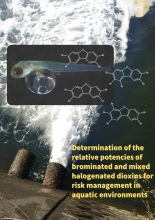
Some mixed halogenated dioxins are more toxic than TCDD
29 Nov 2022
Osaka Metropolitan University
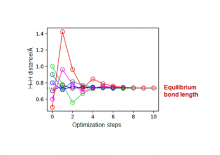
Using a quantum computer, Osaka Metropolitan University researchers utilized quantum logic circuits to directly calculate, in a single calculation, the energy difference between two molecular geometries. The developed method was then applied to execute the molecular geometry optimization of typical molecular systems. On a classical computer, calculations based on the finite difference method require at least two evaluations of the energy for one-dimensional systems, but previous research has shown that a quantum computer can be used to calculate the energy derivatives based on this method in a single calculation. However, quantum circuits relevant to quantum algorithms capable of performing the energy derivative calculations had not been implemented. The research group has successfully created a quantum circuit to calculate the energy derivatives by modifying the quantum circuit used in the previously developed quantum phase difference estimation algorithm.
29 Nov 2022
Osaka Metropolitan University
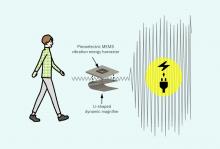
A research team at Osaka Metropolitan University has developed a microelectromechanical system (MEMS) piezoelectric vibration energy harvester, which is only about 2 cm in diameter with a U-shaped metal vibration amplification component. The device allows for an increase of approximately 90 times in the power generation performance from impulsive vibration. Since the power generation performance can be improved without increasing the device size, the technology is expected to generate power to drive small wearable devices from non-steady vibrations, such as walking motion.
29 Nov 2022
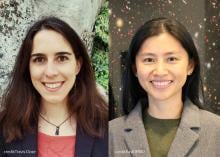
Kavli Institute for the Physics and Mathematics of the Universe (Kavli IPMU)
Kavli IPMU's Jia Liu is part of team which found the number of astronomy research papers being produced increased during the COVID-19 pandemic, but the number of new or junior researchers entering the field has dropped, and no single country's female astronomers were able to be more productive than their male colleagues on average.
28 Nov 2022
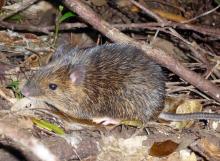
Hokkaido University
The Sox9 gene is upregulated in the absence of sex-determining Y chromosome and Sry gene in Amami spiny rat.
28 Nov 2022
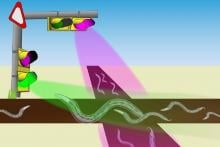
Osaka Metropolitan University
A research group at the Osaka Metropolitan University Graduate School of Science has revealed a new system that allows them to control the behavior of the nematode worm Caenorhabditis elegans, using two different animal opsins, a type of light-sensitive protein. The first opsin was expressed in the worms’ sensory cells responsible for triggering avoidance behavior, making the worms move. This opsin was found to be approximately 7,000 times more sensitive to white light than the commonly used optogenetic protein channelrhodopsin-2. Likewise, a UV-sensitive opsin was expressed in the worms’ motor neurons, causing the worms to stop when exposed to UV light and start moving again when exposed to green light. Both opsins tested can be switched on and off repeatedly without breaking down, making them robust tools for future research, including the field of drug discovery.
28 Nov 2022
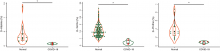
The University of Osaka
The research team investigated the role of D-amino acids in severe viral infection. Mouse models of influenza A and COVID-19 infection and patients with severe COVID-19 demonstrated reduced D-amino acid levels in the blood. Supplementation with D-alanine mitigated body weight reduction in IAV model mice and improved survival in COVID-19 model mice. D-amino acids may represent potential biomarkers and therapeutic agents for the treatment of severe viral infection.
28 Nov 2022
The University of Osaka
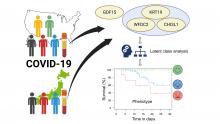
Researchers led by Osaka University identified plasma proteins associated with critical pathogenesis in COVID-19. Using a novel blood proteomics method, the researchers evaluated two discovery cohorts and one validation cohort of patients with COVID-19 and healthy volunteers. Cell adhesion proteins WFDC2, GDF15, CHI3L1, and KRT19 were shown to be associated with disease severity in patients with COVID-19, and may serve as potential targets for therapies to treat COVID-19 infection.
24 Nov 2022
Hokkaido University
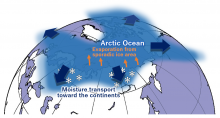
A new model explains that water evaporating from the Arctic Ocean due to a warming climate is transported south and can lead to increased snowfall in northern Eurasia in late autumn and early winter. This information will allow for more accurate predictions of severe weather events.

22 Nov 2022
Osaka Metropolitan University
An Osaka Metropolitan University study found that differences in culture affect when Japanese and American university students feel comfortable providing social support. The researchers found that Japanese university students were less likely than American students to offer assistance to a close friend or family member unless they had been explicitly asked for help, even when they knew that the person needed assistance. There were no differences in providing assistance between Japanese and American students when requests for help were explicitly stated.

22 Nov 2022
Hiroshima University
New study finds that "HUG Your Baby" — a program developed to help parents understand their baby’s behavior — could help reduce postpartum depression in mothers.
21 Nov 2022
Hokkaido University
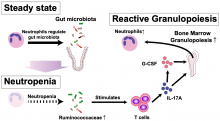
Intestinal bacteria composition is crucial to driving the recovery of neutrophils counts in the blood of mice following treatments such as stem cell transplants or chemotherapy.
21 Nov 2022
Hokkaido University
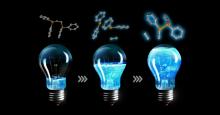
Theory-guided development of an easier, more versatile process for synthesizing unsymmetric ligands provides new avenues of exploration in transitional metal catalysis.
21 Nov 2022
Hiroshima University
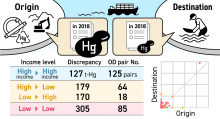
Study can help to assess effectiveness of Minamata Convention on Mercury
18 Nov 2022
Institute of Industrial Science, The University of Tokyo (UTokyo-IIS)
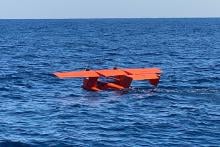
Researchers led by the Institute of Industrial Science, The University of Tokyo develop a novel method for measuring seafloor movement
18 Nov 2022
Hokkaido University
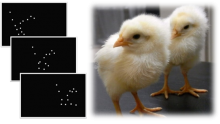
Disturbed transmission via nicotinic acetylcholine receptors in chick fetuses impairs the hatchlings’ preference for animate objects—similar to what is seen in autism spectrum disorder in humans.
17 Nov 2022
The University of Osaka
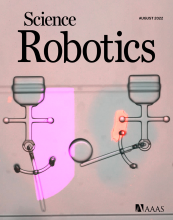
Osaka University researchers simplified the process of producing soft microrobots powered by biomolecular motor muscles by 3D-printing the constituent modules, including actuators and grabbers, in situ. This work may lead to significant advances in scalable production and microsurgery.
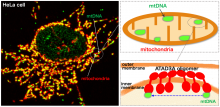
17 Nov 2022
The University of Osaka
Researchers led by Osaka University have shown that a molecule known as ATAD3A is essential for the movement of genetic material inside cellular substructures called mitochondria. Appropriate distribution of this DNA, organized into “nucleoid” structures, is key for the generation of energy by the “respiratory chain” protein complex. This study opens up opportunities for developing new methods to alter nucleoid movement and affect mitochondrial function, thereby providing potential therapies against mitochondrial diseases.
Researchers
Sorry, no researchers coming up for this topic.
Giants in history

Japanese biochemist Akira Endo (1933 – 2024) discovered the first statin, called mevastatin, which lowered cholesterol levels in the blood by inhibiting a key enzyme in the cholesterol biosynthesis pathway. His work laid the foundation for the development of statins to help patients lower their blood cholesterol levels and reduce their risk of heart disease or stroke.
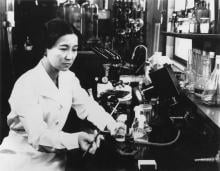
Ruby Sakae Hirose (1904 – 1960) was a Japanese-American scientist whose research contributed significantly to our understanding of blood clotting, allergies and cancer.
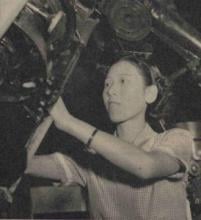
Haisako Koyama (1916 – 1997) was a Japanese solar observer whose dedication to recording sunspots – cooler parts of the sun’s surface that appear dark – produced a sunspot record of historic importance.
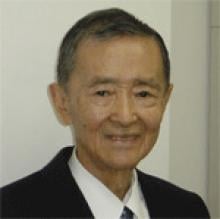
Michiaki Takahashi (17 February 1928 – 16 December 2013) was a Japanese virologist who developed the first chickenpox vaccine.
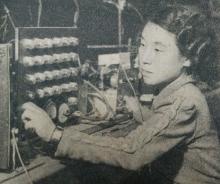
Toshiko Yuasa (11 December 1909 – 1 February 1980) was the first Japanese female physicist whose research on radioactivity shed light on beta decay – the process in which an atom emits a beta particle (electron) and turns into a different element.
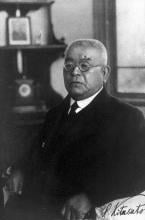
Baron Kitasato Shibasaburo (29 January 1856 – 13 June 1931) was a Japanese physician and bacteriologist whose work led to a new understanding of preventing and treating tetanus, diphtheria and anthrax.
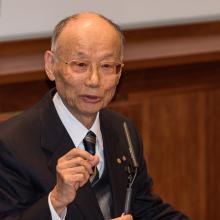
By isolating soil microorganisms and studying the compounds they produce, Satoshi Omura (born 1935) discovered almost 500 organic compounds with unique properties that were produced by these microorganisms, including many new antibiotics.
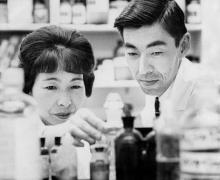
Husband and wife team, Kimishige (3 December 1925 – 6 July 2018) and Teruko Ishizaka (28 September 1926 – 4 June 2019) discovered the antibody class Immunoglobulin E (IgE) that triggers allergic reactions. They also discovered that IgE antibodies attach to white blood cells, known as mast cells, releasing histamine, which causes allergic reactions.
Husband and wife team, Kimishige (3 December 1925 – 6 July 2018) and Teruko Ishizaka (28 September 1926 – 4 June 2019) discovered the antibody class Immunoglobulin E (IgE) that triggers allergic reactions. They also discovered that IgE antibodies attach to white blood cells, known as mast cells, releasing histamine, which causes allergic reactions.
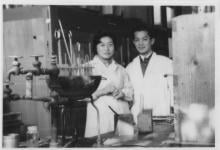
Reiji Okazaki (8 October 1930 – 1 August 1975) and Tsuneko (7 June 1933) were a Japanese couple who discovered Okazaki fragments – short sequences of DNA that are synthesized during DNA replication and linked together to form a continuous strand.
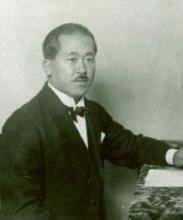
In 1915, Koichi Ichikawa along with pathologist Katsusaburo Yamagiwa became the first to prove that chronic exposure to chemicals can cause cancer.
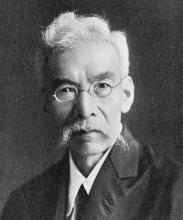
In 1915, pathologist Katsusaburo Yamagiwa and his research assistant Koichi Ichikawa became the first to prove that chronic exposure to chemicals can cause cancer.
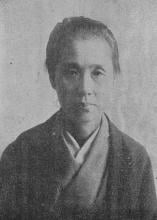
Ogino Ginko (3 March 1851 – 23 June 1913) was the first registered female doctor to practise modern medicine in Japan.
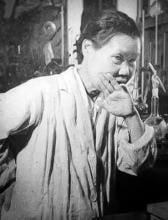
Michiyo Tsujimura (17 September 1888 – 1 June 1969) was a Japanese agricultural scientist and biochemist recognized for her research of green tea components.
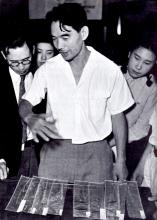
Hitoshi Kihara (1893 – 1986) was one of the most famous Japanese geneticists of the 20th century. One of his most significant contributions was identifying sex chromosomes (X and Y) in flowering plants.
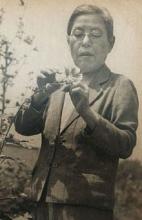
Kono Yasui (16 February 1880 – 24 March 1971) was a Japanese botanist who researched the genetics of poppies, corn and spiderworts and surveyed the plants that had been affected by the nuclear fallout after the atomic bombings of Hiroshima and Nagasaki.
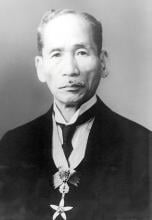
Umetaro Suzuki (7 April 1874 – 20 September 1943) was a Japanese scientist best remembered for his research on beriberi, a disease caused by vitamin B1 deficiency, characterized by limb stiffness, paralysis and pain.
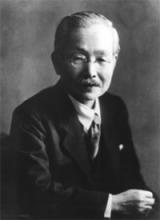
Kikunae Ikeda (8 October 1864 – 3 May 1936) was a Japanese chemist who discovered the fifth basic taste, umami.
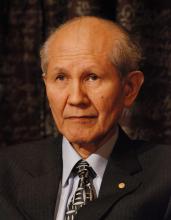
Osamu Shimomura (27 August 1928 – 19 October 2018) was a Japanese organic chemist and marine biologist who dedicated his career to understanding how organisms emitted light.
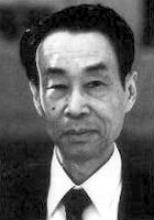
Motoo Kimura (13 November 1924 – 13 November 1994) was a Japanese theoretical population geneticist who is best remembered for developing the neutral theory of molecular evolution.

Chika Kuroda (24 March 1884 – 8 November 1968) was a Japanese chemist whose research focussed on the structures of natural pigments.
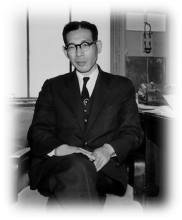
The field of solid-state ionics originated in Europe, but Takehiko Takahashi of Nagoya University in Japan was the first to coin the term ‘solid ionics’ in 1967. ‘Solid-state ionics’ first appeared in 1971 in another of his papers, and was likely a play on ‘solid-state electronics’, another rapidly growing field at the time.
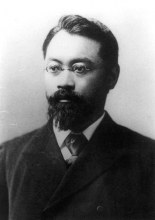
The techniques that make industrial pearl culturing possible were developed over a century ago at the Misaki Marine Biological Station in Japan. The station’s first director, Professor Kakichi Mitsukuri, emphasized to Kokichi Mikimoto in 1890 that stimulating pearl sac formation was important for pearl growth, and they went on to successfully develop methods for culturing pearls.

Japanese physicist Ukichiro Nakaya (1900-1962) made the world’s first artificial snowflakes. He started his research on snow crystals in the early 1930s at Hokkaido University, where there is an unlimited supply of natural snow in winter. By taking over 3,000 photographs, he established a classification of natural snow crystals and described their relationship with weather conditions.
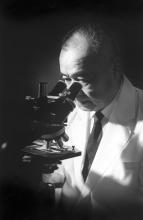
Minoru Shirota (April 23, 1899 – March 10, 1982) was a Japanese microbiologist who invented the popular fermented drink Yakult.
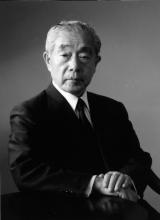
Japanese chemist Kenichi Fukui (4 October 1918 – 9 January 1998) was the first Asian scientist to be awarded the Nobel Prize in Chemistry. Together with Roald Hoffman, he received this honour in 1981 for his independent research into the mechanisms of chemical reactions.
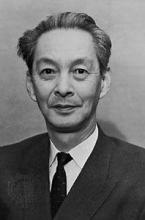
Shinichiro Tomonaga (31 March 1906 – 8 July 1979), together with Richard Feynman and Julian Schwinger, was awarded the Nobel Prize in Physics in 1965, for their contributions to advance the field of quantum electrodynamics. Tomonaga was also a strong proponent of peace, who actively campaigned against the proliferation of nuclear weapons and promoted the peaceful use of nuclear energy.
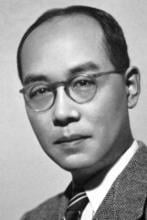
Hideki Yukawa (23 January 1907 – 8 September 1981) was awarded the Nobel Prize in Physics in 1949 for predicting the existence of the pi meson subatomic particle. Japan’s first Nobel laureate, Yakawa also expressed his support for nuclear disarmament by signing the Russell–Einstein Manifesto in 1955.
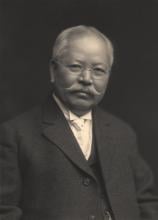
Japanese chemist Takamine Jokichi (3 November 1854 – 22 July 1922) founded the Tokyo Artificial Fertilizer Company, where he isolated a starch-digesting enzyme (named takadiastase) from the fungus Aspergillus oryzae.
Tsuneko (7 June 1933) and Reiji Okazaki (8 October 1930 – 1 August 1975) were a Japanese couple who discovered Okazaki fragments – short sequences of DNA that are synthesized during DNA replication and linked together to form a continuous strand.
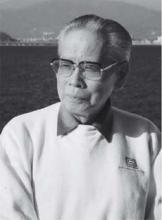
A Japanese surgeon, Tetsuzo Akutsu (20 August 1922 – 9 August 2007) built the first artificial heart capable of keeping an animal alive.
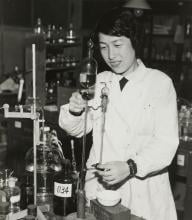
Japanese geochemist Katsuko Saruhashi developed the first method and tools for measuring carbon dioxide in seawater