

Japan
News
31 Jul 2023
The University of Osaka
Researchers from Osaka University have demonstrated a proof-of-concept for identifying single nucleotides by using quantum computing. Molecular rotation patterns—and the corresponding variations in conductance—within the nanoscale gap between two electrodes enabled the development of a quantum gate for the nucleotide adenosine monophosphate. Developing quantum gates for the other three nucleotides, and incorporating this technology into DNA sequencing workflows, could revolutionize genome analysis.
28 Jul 2023
Hiroshima University
What does healthy aging look like? For answers, Hiroshima University environmental health expert Dr. Saori Kashima taps into a new science dedicated to Earth’s longevity.
27 Jul 2023
Ehime University
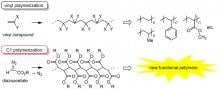
succeeded in preparing atactic C1 polymers with a high melting point of up to 130 ℃ by utilizing a hydrogen-bonding interaction among amide-linkages incorporated into the polymer side-chains.
27 Jul 2023
Ehime University
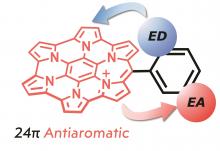
Elucidation of global anti-aromaticity (aromaticity) in homoHPHAC+ (homoHPHAC3+) with electron-accepting to electron-donating substituents
26 Jul 2023
The University of Osaka
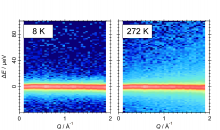
Researchers from Osaka University use quasi-elastic neutron scattering to get a close look at the behavior of water molecules in a semiclathrate hydrate crystal. They found that the molecules showed fast reorientation with an activation energy similar to that of cleaving a hydrogen bound. This rapid relaxation time in the solid electrolyte is expected to lead to efficient, cost-effective, and safe applications for semiclathrate hydrates in batteries and thermal storage materials.
21 Jul 2023
Hokkaido University
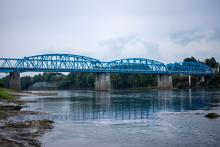
An exquisitely preserved fossil forest from Japan provides missing links and helps reconstruct a whole Eurasia plant from the late Miocene epoch.
21 Jul 2023
Institute of Industrial Science, The University of Tokyo (UTokyo-IIS)
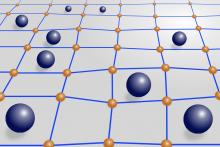
Researchers from the Institute of Industrial Science, The University of Tokyo, provide physical insights into porous soft materials, which will facilitate the design of many energy, medical, and other technologies.
21 Jul 2023
Institute of Industrial Science, The University of Tokyo (UTokyo-IIS)
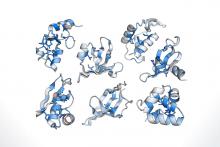
Researchers from Northwestern University and recently joining the Institute for Industrial Science, The University of Tokyo develop a high-throughput approach to evaluate protein folding stability in thousands of proteins .
20 Jul 2023
Osaka Metropolitan University
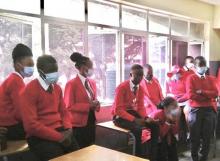
A joint research group at Osaka Metropolitan University conducted a survey on prevalence of obesity and factors associated with low obesity among 423 adolescents between the ages of 14 and 19 living in Harare, Zimbabwe. The results revealed that 15.8% were obese or overweight. The study also revealed that 27.1% of the participants had low obesity awareness, which was significantly related to parents/guardians' lack of formal education and insufficient knowledge about eating habits.
18 Jul 2023
The University of Osaka
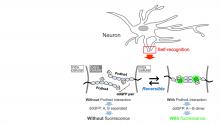
Researchers from Osaka University have developed a fluorescent sensor that may be useful for understanding how cells recognize themselves versus other cells when making connections in the brain. Specifically, their sensor can be used to visualize not only connections between cells, but also the disassociation of these interactions. Because neuronal self-connectivity has been implicated in brain disorders like epilepsy and autism, a better understanding of this process may result in improved therapies.
18 Jul 2023
The University of Osaka
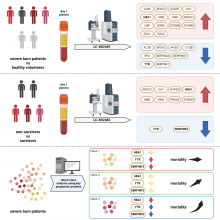
The physiological mechanisms underlying severe burns are not well understood. Researchers at Osaka University used mass spectrometry to identify key blood proteins associated with burn mortality. Ultimately, three proteins (HBA1, TTR, SERPINF2) were very highly correlated with morality rates. Further research into these proteins and their pathways may lead to better drugs to treat people with life-threatening burns.

18 Jul 2023
The University of Osaka
RNases have been proposed as a treatment against systemic autoimmune diseases. Researchers from Osaka University showed that RNases have a dual action. In some cases, RNases are detrimental and stimulate the immune response by promoting the binding of antibodies to their targets. These findings will improve the understanding and treatment of systemic autoimmune disorders.
12 Jul 2023
The University of Osaka
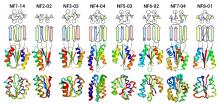
A research team has discovered an astounding array of unexplored protein folds. This research will expand our understanding of the depth of the protein universe and the possibilities for de novo design of functional proteins.
11 Jul 2023
Hokkaido University
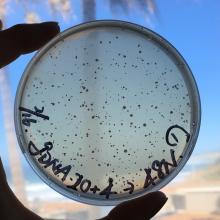
The entire biosynthetic pathway of actinopyridazone has been unveiled, revealing that an unprecedented carrier protein-mediated ring-forming step is key to its synthesis.
07 Jul 2023
Kanazawa University
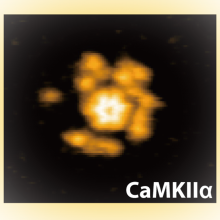
Researchers at Kanazawa University report in Science Advances high-speed atomic force microscopy experiments that show the structural and chemical changes in an enzyme thought to play a vital role in modulating the strength of neural connections.
06 Jul 2023
Osaka Metropolitan University
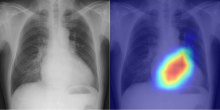
Osaka Metropolitan University scientists have successfully developed a model that utilizes AI to accurately classify cardiac functions and valvular heart diseases from chest radiographs. The Area Under the Curve, or AUC, of the AI classification showed a high level of accuracy, exceeding 0.85 for almost all indicators and reaching 0.92 for detecting left ventricular ejection fraction—an important measure for monitoring cardiac function.
06 Jul 2023
Ehime University
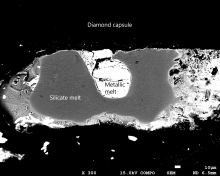
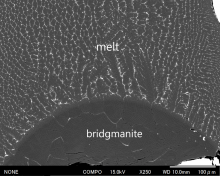
The composition of the Earth’s earliest atmosphere
06 Jul 2023
Ehime University
How have the atmosphere and mantle oxidation state of the Earth changed?

05 Jul 2023
The University of Osaka
A new method for connecting neurons in neuromorphic wetware has been developed by researchers from Osaka University and Hokkaido University. The wetware comprises conductive polymer wires grown in a three-dimensional configuration, done by applying square-wave voltage to electrodes submerged in a precursor solution. The voltage can modify wire conductance, allowing the network to be trained. This fabricated network is able to perform unsupervised Hebbian learning and spike-based learning.
03 Jul 2023
Hokkaido University
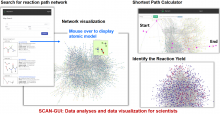
A new online platform to explore computationally calculated chemical reaction pathways has been released, allowing for in-depth understanding and design of chemical reactions.
03 Jul 2023
The University of Osaka
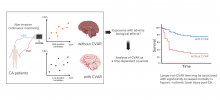
A group of researchers at Osaka University used a noninvasive method to evaluate Cerebrovascular Autoregulation (CVAR) in patients after out-of-hospital cardiac arrest. The mortality rate increased significantly with the duration of time that CVAR was undetectable.
It has been suggested that CVAR, a function that is normally present in the normal state, may be impaired after cardiac resuscitation. However, the relationship between CVAR function and patient prognosis has been unclear. The research examined CVAR over time, using the moving Pearson correlation coefficient calculated from regional cerebral oxygen saturation and mean blood pressure data, and performed a survival analysis using the presence or absence of CVAR as a time-dependent covariate.
The findings of this study may first be useful in predicting neuroprognosis after cardiac resumption and may help avoid early withdrawal of treatment in those who may recover. In addition, they suggest that treatment and management that maintains proper CVAR after cardiac resumption may improve patient prognosis, which may be applied to the management of post-cardiac arrest resuscitation based on cerebral circulation to optimize treatment for each individual patient.
28 Jun 2023
Kavli Institute for the Physics and Mathematics of the Universe (Kavli IPMU)
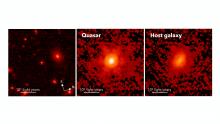
For the first time, the James Webb Space Telescope has revealed starlight from two massive galaxies hosting actively growing black holes – quasars – seen less than a billion years after the Big Bang.
28 Jun 2023
Ehime University
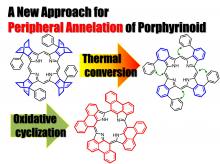
A New Approach for Peripheral Annelation of Porphyrinoid
28 Jun 2023
The University of Osaka
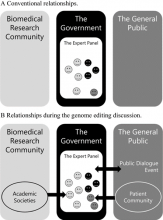
Researchers from Osaka University analyzed discussions on research governance of human genome editing in the Expert Panel on Bioethics in Japan and identified the positive roles played by related research communities, the government, and the general public in the policy-making process. It is expected to provide more effective and practical guidance for countries and organizations seeking to work with diverse stakeholders in the governance of emerging medical technologies.
28 Jun 2023
The University of Osaka
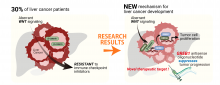
Researchers from Osaka University have revealed the mechanism by which increased signaling through a pathway associated with a molecule called Wnt leads to the development of liver cancer. They identified a gene called GREB1 as a target of Wnt specifically in liver cancer. This gene alters the function of a protein called HNF4α, leading to the development of cancer. They also showed that treatment of mice with antisense oligonucleotides against GREB1 had significant anti-cancer effects.
27 Jun 2023
Institute of Industrial Science, The University of Tokyo (UTokyo-IIS)
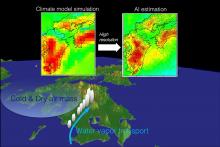
Researchers from the Institute of Industrial Science (The University of Tokyo) have developed a high-resolution method for climate model simulation.

27 Jun 2023
The University of Osaka
Researchers from SANKEN (The Institute of Scientific and Industrial Research), at Osaka University demonstrated a method for drying cellulose nanofiber (CNF) that retains the unique properties of the thickening agent. High transparency, high viscosity, and controllable viscosity were restored with simple stirring after the CNF was dehydrated from an organogel. Our powder had a much smaller volume than freeze-dried CNF, which will facilitate more efficient transport and storage. The method is expected to have a significant impact on food and cosmetics manufacturing.
26 Jun 2023
Hiroshima University
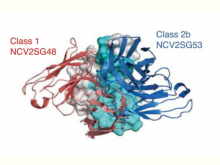
What scientists learned about the rare antibodies targeting SARS-CoV-2’s Achilles’ heel could help fine-tune our COVID-19 vaccine strategy for longer-lasting immunity.
23 Jun 2023
Osaka Metropolitan University
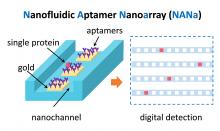
An international team led by Professor Yan Xu from Osaka Metropolitan University has developed a groundbreaking nanofluidic device, named NANa, capable of stochastically capturing and digitally detecting individual proteins at cellular concentrations. This tool, vital for precision medicine, is designed to handle tiny volumes equivalent to a single cell's contents and can identify single biomolecules even in high-concentration environments. The team plans to conduct further demonstrations using actual cell samples and explore the integration of this tool with AI and biological big data. This research could potentially revolutionize personalized disease prevention and treatment.
23 Jun 2023
Hokkaido University
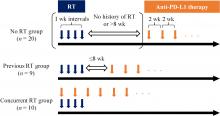
A combination of radiotherapy followed by immunotherapy is a promising strategy for the treatment of oral malignant melanomas in dogs.
Researchers
Sorry, no researchers coming up for this topic.
Giants in history

Japanese biochemist Akira Endo (1933 – 2024) discovered the first statin, called mevastatin, which lowered cholesterol levels in the blood by inhibiting a key enzyme in the cholesterol biosynthesis pathway. His work laid the foundation for the development of statins to help patients lower their blood cholesterol levels and reduce their risk of heart disease or stroke.
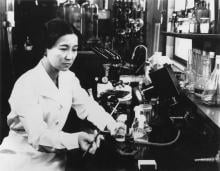
Ruby Sakae Hirose (1904 – 1960) was a Japanese-American scientist whose research contributed significantly to our understanding of blood clotting, allergies and cancer.
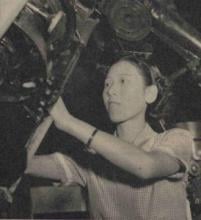
Haisako Koyama (1916 – 1997) was a Japanese solar observer whose dedication to recording sunspots – cooler parts of the sun’s surface that appear dark – produced a sunspot record of historic importance.
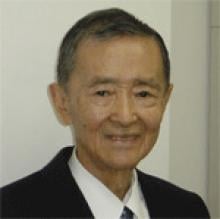
Michiaki Takahashi (17 February 1928 – 16 December 2013) was a Japanese virologist who developed the first chickenpox vaccine.
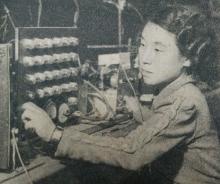
Toshiko Yuasa (11 December 1909 – 1 February 1980) was the first Japanese female physicist whose research on radioactivity shed light on beta decay – the process in which an atom emits a beta particle (electron) and turns into a different element.
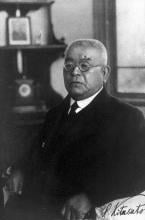
Baron Kitasato Shibasaburo (29 January 1856 – 13 June 1931) was a Japanese physician and bacteriologist whose work led to a new understanding of preventing and treating tetanus, diphtheria and anthrax.
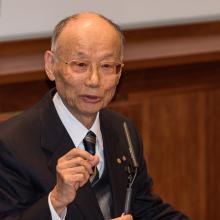
By isolating soil microorganisms and studying the compounds they produce, Satoshi Omura (born 1935) discovered almost 500 organic compounds with unique properties that were produced by these microorganisms, including many new antibiotics.
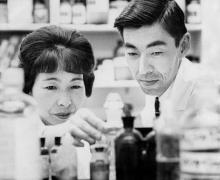
Husband and wife team, Kimishige (3 December 1925 – 6 July 2018) and Teruko Ishizaka (28 September 1926 – 4 June 2019) discovered the antibody class Immunoglobulin E (IgE) that triggers allergic reactions. They also discovered that IgE antibodies attach to white blood cells, known as mast cells, releasing histamine, which causes allergic reactions.
Husband and wife team, Kimishige (3 December 1925 – 6 July 2018) and Teruko Ishizaka (28 September 1926 – 4 June 2019) discovered the antibody class Immunoglobulin E (IgE) that triggers allergic reactions. They also discovered that IgE antibodies attach to white blood cells, known as mast cells, releasing histamine, which causes allergic reactions.
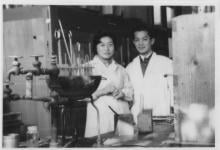
Reiji Okazaki (8 October 1930 – 1 August 1975) and Tsuneko (7 June 1933) were a Japanese couple who discovered Okazaki fragments – short sequences of DNA that are synthesized during DNA replication and linked together to form a continuous strand.
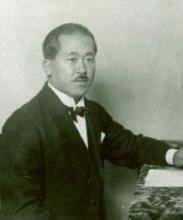
In 1915, Koichi Ichikawa along with pathologist Katsusaburo Yamagiwa became the first to prove that chronic exposure to chemicals can cause cancer.
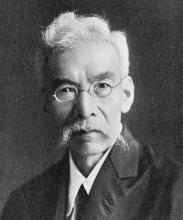
In 1915, pathologist Katsusaburo Yamagiwa and his research assistant Koichi Ichikawa became the first to prove that chronic exposure to chemicals can cause cancer.
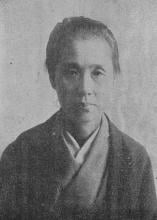
Ogino Ginko (3 March 1851 – 23 June 1913) was the first registered female doctor to practise modern medicine in Japan.
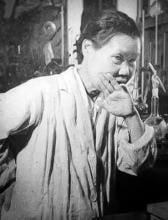
Michiyo Tsujimura (17 September 1888 – 1 June 1969) was a Japanese agricultural scientist and biochemist recognized for her research of green tea components.
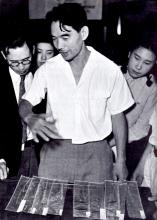
Hitoshi Kihara (1893 – 1986) was one of the most famous Japanese geneticists of the 20th century. One of his most significant contributions was identifying sex chromosomes (X and Y) in flowering plants.
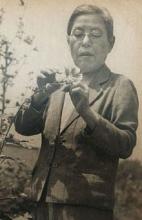
Kono Yasui (16 February 1880 – 24 March 1971) was a Japanese botanist who researched the genetics of poppies, corn and spiderworts and surveyed the plants that had been affected by the nuclear fallout after the atomic bombings of Hiroshima and Nagasaki.
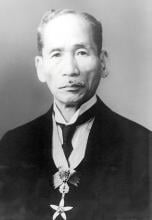
Umetaro Suzuki (7 April 1874 – 20 September 1943) was a Japanese scientist best remembered for his research on beriberi, a disease caused by vitamin B1 deficiency, characterized by limb stiffness, paralysis and pain.
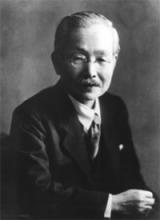
Kikunae Ikeda (8 October 1864 – 3 May 1936) was a Japanese chemist who discovered the fifth basic taste, umami.
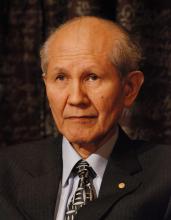
Osamu Shimomura (27 August 1928 – 19 October 2018) was a Japanese organic chemist and marine biologist who dedicated his career to understanding how organisms emitted light.
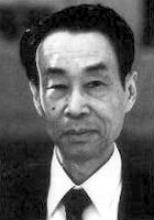
Motoo Kimura (13 November 1924 – 13 November 1994) was a Japanese theoretical population geneticist who is best remembered for developing the neutral theory of molecular evolution.

Chika Kuroda (24 March 1884 – 8 November 1968) was a Japanese chemist whose research focussed on the structures of natural pigments.
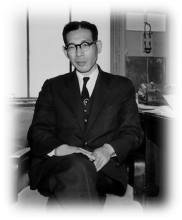
The field of solid-state ionics originated in Europe, but Takehiko Takahashi of Nagoya University in Japan was the first to coin the term ‘solid ionics’ in 1967. ‘Solid-state ionics’ first appeared in 1971 in another of his papers, and was likely a play on ‘solid-state electronics’, another rapidly growing field at the time.
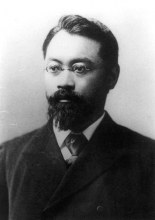
The techniques that make industrial pearl culturing possible were developed over a century ago at the Misaki Marine Biological Station in Japan. The station’s first director, Professor Kakichi Mitsukuri, emphasized to Kokichi Mikimoto in 1890 that stimulating pearl sac formation was important for pearl growth, and they went on to successfully develop methods for culturing pearls.
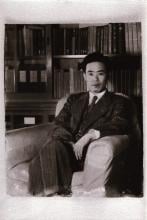
Japanese physicist Ukichiro Nakaya (1900-1962) made the world’s first artificial snowflakes. He started his research on snow crystals in the early 1930s at Hokkaido University, where there is an unlimited supply of natural snow in winter. By taking over 3,000 photographs, he established a classification of natural snow crystals and described their relationship with weather conditions.
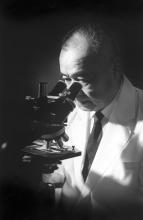
Minoru Shirota (April 23, 1899 – March 10, 1982) was a Japanese microbiologist who invented the popular fermented drink Yakult.
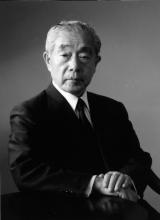
Japanese chemist Kenichi Fukui (4 October 1918 – 9 January 1998) was the first Asian scientist to be awarded the Nobel Prize in Chemistry. Together with Roald Hoffman, he received this honour in 1981 for his independent research into the mechanisms of chemical reactions.
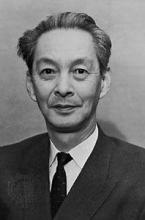
Shinichiro Tomonaga (31 March 1906 – 8 July 1979), together with Richard Feynman and Julian Schwinger, was awarded the Nobel Prize in Physics in 1965, for their contributions to advance the field of quantum electrodynamics. Tomonaga was also a strong proponent of peace, who actively campaigned against the proliferation of nuclear weapons and promoted the peaceful use of nuclear energy.
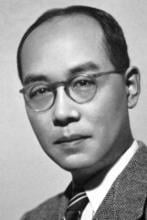
Hideki Yukawa (23 January 1907 – 8 September 1981) was awarded the Nobel Prize in Physics in 1949 for predicting the existence of the pi meson subatomic particle. Japan’s first Nobel laureate, Yakawa also expressed his support for nuclear disarmament by signing the Russell–Einstein Manifesto in 1955.
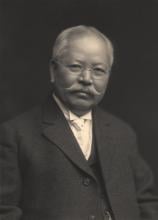
Japanese chemist Takamine Jokichi (3 November 1854 – 22 July 1922) founded the Tokyo Artificial Fertilizer Company, where he isolated a starch-digesting enzyme (named takadiastase) from the fungus Aspergillus oryzae.
Tsuneko (7 June 1933) and Reiji Okazaki (8 October 1930 – 1 August 1975) were a Japanese couple who discovered Okazaki fragments – short sequences of DNA that are synthesized during DNA replication and linked together to form a continuous strand.
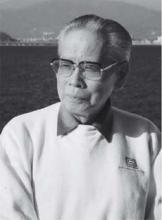
A Japanese surgeon, Tetsuzo Akutsu (20 August 1922 – 9 August 2007) built the first artificial heart capable of keeping an animal alive.
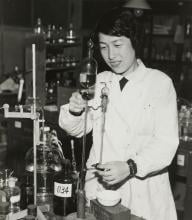
Japanese geochemist Katsuko Saruhashi developed the first method and tools for measuring carbon dioxide in seawater