
Japan
News
18 Mar 2021
Institute for Integrated Cell-Material Sciences (iCeMS) at Kyoto University
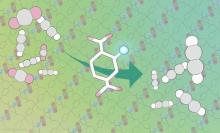
A design concept changes how materials separate gaseous mixtures.

17 Mar 2021
Osaka City University
Researchers improve their newly established quantum algorithm, bringing it to one-tenth the computational cost of Quantum Phase Estimation, and use it to directly calculate the vertical ionization energies of light atoms and molecules such as CO, O2, CN, F2, H2O, NH3 within 0.1 electron volts of precision.
17 Mar 2021
Hokkaido University
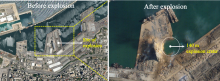
A 2020 explosion in Lebanon’s port city of Beirut led to a southward-bound, high-velocity atmospheric wave that rivaled ones generated by volcanic eruptions.
11 Mar 2021
Hokkaido University
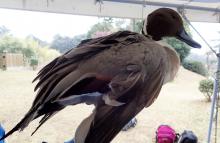
Scientists have discovered a route of introduction for High Pathogenicity Avian Influenza Virus (HPAIV) H5N8 into Japan and, in parallel, have investigated the potential of two human anti-influenza drugs for the control of HPAI in birds.
10 Mar 2021
Osaka City University
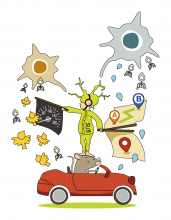
Researchers reveal the path of information received by the hippocampus. Using optogenetics during large-scale recordings of rat subiculum, they discovered that the subiculum distributes information from the hippocampus to 4 downstream regions of the brain. They observed that the theta and sharp-wave/ripples in the subiculum controlled information transmission with millisecond precision according to the target region. This provides the foundation for a comprehensive understanding of the hippocampal memory system.
10 Mar 2021
National Institute for Materials Science (NIMS)
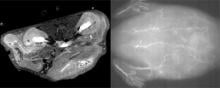
A nanoparticle’s size is fine-tuned to offer high-resolution images before and during surgical procedures.
10 Mar 2021
Institute of Industrial Science, The University of Tokyo (UTokyo-IIS)
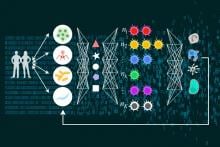
Researchers at The University of Tokyo use the mathematics of adaptive learning and artificial intelligence to describe how T helper cells adjust the response of the vertebrate immune system, which may lead to new vaccines and treatments for infections
09 Mar 2021
Hokkaido University
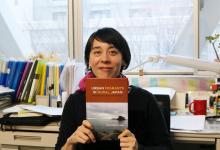
Susanne Klien is an associate professor at Hokkaido University’s Modern Japanese Studies Program (MJSP). Having explored intangible cultural heritage across Japan, Klien has been expanding her research in area studies and anthropology on rural Japan. During her previous work for a research institute in Tokyo, she observed a unique migration pattern that has been taking place in Japan: more young people are relocating from big cities to rural areas, for example to the Tohoku area, the northeastern portion of Japan’s main island of Honshu.
08 Mar 2021
Kanazawa University
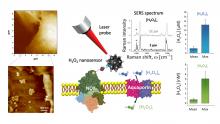
Researchers at Kanazawa University report in Biosensors and Bioelectronics a successful test of a sensor for measuring hydrogen peroxide concentrations near cell membranes. The sensor has the potential to become a tool for new cancer therapies.
08 Mar 2021
Kavli Institute for the Physics and Mathematics of the Universe (Kavli IPMU)
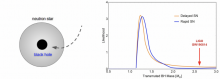
What is the origin of black holes and how is that question connected with another mystery, the nature of dark matter? Dark matter comprises the majority of matter in the Universe, but its nature remains unknown.
08 Mar 2021
Osaka City University
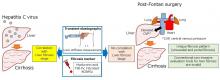
Collecting liver tissue from 22 postoperative patients with long-term post-Fontan surgery, researchers have found a specific liver fibrosis to develop from the sinusoidal region which is difficult to accurately assess by conventional examination methods (ultrasound elastography and blood tests).
04 Mar 2021
Hokkaido University
This article is an excerpt from the Hokkaido University research magazine “Tackling Global Issues vol.3 Fighting the menace of zoonosis" (link below).
03 Mar 2021
Hokkaido University
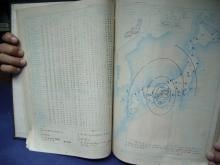
A team of scientists has, for the first time, identified landfalls of tropical cyclones (TCs) in Japan for the period from 1877 to 2019; this knowledge will help prepare for future TC disasters.
03 Mar 2021
Osaka City University
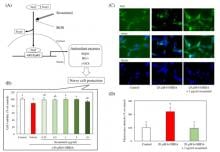
Osaka City University finds that the chemical sesaminol, naturally occurring in sesame seeds, protects against Parkinson’s disease by preventing neuronal damage that decreases the production of dopamine. In vitro experiments show sesaminol handle oxidative stress in cells by regulating the production of reactive oxygen species and the movement of antioxidants. In vivo experiments reveal that a diet of sesaminol increases production of dopamine and significantly improve motor functions in mice.
03 Mar 2021
Institute of Industrial Science, The University of Tokyo (UTokyo-IIS)
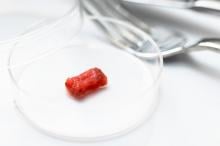
Researchers at The University of Tokyo develop a method of culturing meat in the laboratory in the form of millimeter-scale contractile beef muscle that closely simulates steak meat
26 Feb 2021
Hiroshima University
Vitamin B6 may help calm cytokine storms and unclog blood clots linked to COVID-19's lethality. But research on it is lacking. A Hiroshima University researcher calls on fellow scientists to study its potential role.

24 Feb 2021
Springer Nature
Springer Nature and the University of Tokyo to hold SDGs Symposium 2021, “Interdisciplinary science solutions for food, water, climate and ecosystems Sustainable Development Goals”
18 Feb 2021
Osaka Prefecture University
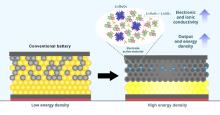
Lithium ion batteries use liquid electrolytes that have several drawbacks, which can be overcome by all-solid-state lithium secondary batteries (ASSBs). However, it is important to find efficient electrode materials for ASSBs. A research team from Japan has recently developed a novel electrode material for ASSBs by combining lithium sulfate and lithium ruthenate, which results in improved performance. The scientists hope that their novel approach will guide future research and the eventual commercialization of such high-capacity batteries.
18 Feb 2021
Hokkaido University
This article is an excerpt from the Hokkaido University research magazine “Tackling Global Issues vol.3 Fighting the menace of zoonosis" (link below).

16 Feb 2021
Hiroshima University
Holger F. Hofmann, professor in the Graduate School of Advanced Science and Engineering, Hiroshima University, published a method to experimentally demonstrate the precision of quantum measurements on Feb. 3 in Physical Review Research. His work has implications for our fundamental understanding of physics at the level of individual quantum objects.
15 Feb 2021
Osaka City University
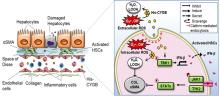
Osaka City University paves way for liver health by discovering the use of cytoglobin in anti-fibrotic therapy.
12 Feb 2021
Kanazawa University
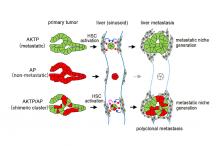
In a study published in Nature Communications, cancer researchers at Kanazawa University identify mechanisms by which malignant tumor cells extend their toxicity to distinct cell types and in turn help them spread.
12 Feb 2021
Hokkaido University
This article is an excerpt from the Hokkaido University research magazine “Tackling Global Issues vol.3 Fighting the menace of zoonosis" (link below).
11 Feb 2021
National Institute for Materials Science (NIMS)
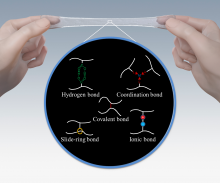
Molecular interactions within gels and rubbers can be controlled to fabricate stronger and more elastic materials.
10 Feb 2021
Institute of Industrial Science, The University of Tokyo (UTokyo-IIS)
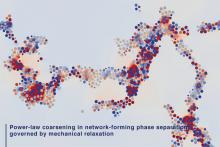
Researchers at The University of Tokyo discover a new law about how the complex network of phase-separated structures grows with time, which may lead to more efficient batteries and industrial catalysts
10 Feb 2021
Osaka City University
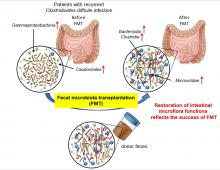
In a study published in Gastroenterology – Researchers at Osaka City University and The Institute for Medical Science, The University of Tokyo, in collaboration with Brigham and Women's Hospital in Boston, report the intestinal bacterial and viral metagenome information from the fecal samples of patients with recurrent Clostridioides difficile infection (rCDI). This comprehensive analysis reveals the bacteria and phages involved in pathogenesis in rCDI, and their remarkable pathways important for the recovery of intestinal flora function.
10 Feb 2021
Nagoya University
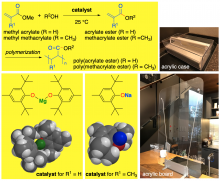
Scientists have found catalysts that improve an important industrial reaction and make it more eco-friendly.
09 Feb 2021
Kanazawa University
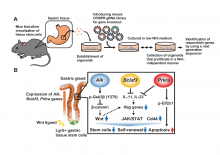
Tissue stem cells can self-renew and differentiate, supplying cells necessary for tissues at various developmental stages. However, detailed analysis in vivo is difficult, so the molecular mechanisms underlying the stemness of gastric tissue stem cells have remained a mystery. Here, by using organoids that mimic tissue structure and function in vivo and GeCKO screening to inactivate arbitrary genes, Alk, Bclaf3 and Prkra have been identified as genes regulating stemness.
04 Feb 2021
Hokkaido University
This article is an excerpt from the Hokkaido University research magazine “Tackling Global Issues vol.3 Fighting the menace of zoonosis" (link below).
04 Feb 2021
Hiroshima University
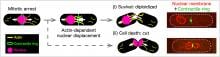
Cells replicate their genetic material and divide into two identical clones to perpetuate life. Some cells pause in the process with a single, undivided nucleus. When the cell resumes division after such a pause, the nucleus can become caught in the fissure, splitting violently, and killing both cells. But that is not always the case. Researchers from Hiroshima University in Japan are starting to understand how active nuclear displacement rescues cell death.
Researchers
Sorry, no researchers coming up for this topic.
Giants in history

Japanese biochemist Akira Endo (1933 – 2024) discovered the first statin, called mevastatin, which lowered cholesterol levels in the blood by inhibiting a key enzyme in the cholesterol biosynthesis pathway. His work laid the foundation for the development of statins to help patients lower their blood cholesterol levels and reduce their risk of heart disease or stroke.
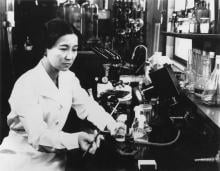
Ruby Sakae Hirose (1904 – 1960) was a Japanese-American scientist whose research contributed significantly to our understanding of blood clotting, allergies and cancer.
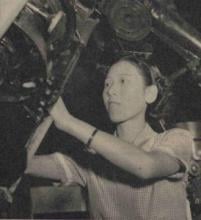
Haisako Koyama (1916 – 1997) was a Japanese solar observer whose dedication to recording sunspots – cooler parts of the sun’s surface that appear dark – produced a sunspot record of historic importance.
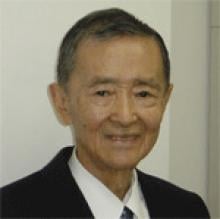
Michiaki Takahashi (17 February 1928 – 16 December 2013) was a Japanese virologist who developed the first chickenpox vaccine.
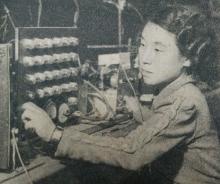
Toshiko Yuasa (11 December 1909 – 1 February 1980) was the first Japanese female physicist whose research on radioactivity shed light on beta decay – the process in which an atom emits a beta particle (electron) and turns into a different element.
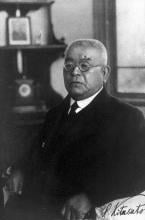
Baron Kitasato Shibasaburo (29 January 1856 – 13 June 1931) was a Japanese physician and bacteriologist whose work led to a new understanding of preventing and treating tetanus, diphtheria and anthrax.
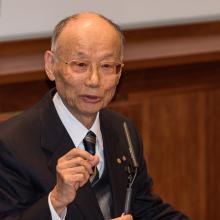
By isolating soil microorganisms and studying the compounds they produce, Satoshi Omura (born 1935) discovered almost 500 organic compounds with unique properties that were produced by these microorganisms, including many new antibiotics.
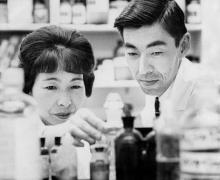
Husband and wife team, Kimishige (3 December 1925 – 6 July 2018) and Teruko Ishizaka (28 September 1926 – 4 June 2019) discovered the antibody class Immunoglobulin E (IgE) that triggers allergic reactions. They also discovered that IgE antibodies attach to white blood cells, known as mast cells, releasing histamine, which causes allergic reactions.
Husband and wife team, Kimishige (3 December 1925 – 6 July 2018) and Teruko Ishizaka (28 September 1926 – 4 June 2019) discovered the antibody class Immunoglobulin E (IgE) that triggers allergic reactions. They also discovered that IgE antibodies attach to white blood cells, known as mast cells, releasing histamine, which causes allergic reactions.
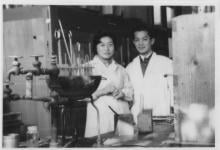
Reiji Okazaki (8 October 1930 – 1 August 1975) and Tsuneko (7 June 1933) were a Japanese couple who discovered Okazaki fragments – short sequences of DNA that are synthesized during DNA replication and linked together to form a continuous strand.
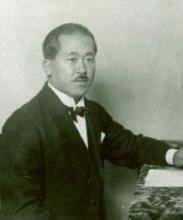
In 1915, Koichi Ichikawa along with pathologist Katsusaburo Yamagiwa became the first to prove that chronic exposure to chemicals can cause cancer.
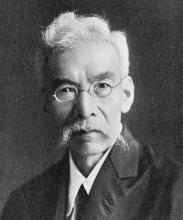
In 1915, pathologist Katsusaburo Yamagiwa and his research assistant Koichi Ichikawa became the first to prove that chronic exposure to chemicals can cause cancer.
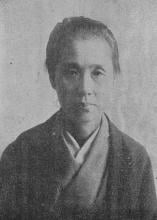
Ogino Ginko (3 March 1851 – 23 June 1913) was the first registered female doctor to practise modern medicine in Japan.
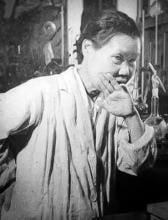
Michiyo Tsujimura (17 September 1888 – 1 June 1969) was a Japanese agricultural scientist and biochemist recognized for her research of green tea components.
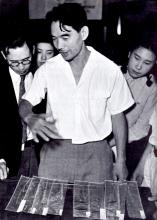
Hitoshi Kihara (1893 – 1986) was one of the most famous Japanese geneticists of the 20th century. One of his most significant contributions was identifying sex chromosomes (X and Y) in flowering plants.
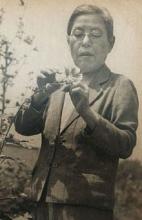
Kono Yasui (16 February 1880 – 24 March 1971) was a Japanese botanist who researched the genetics of poppies, corn and spiderworts and surveyed the plants that had been affected by the nuclear fallout after the atomic bombings of Hiroshima and Nagasaki.
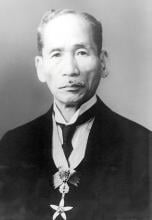
Umetaro Suzuki (7 April 1874 – 20 September 1943) was a Japanese scientist best remembered for his research on beriberi, a disease caused by vitamin B1 deficiency, characterized by limb stiffness, paralysis and pain.
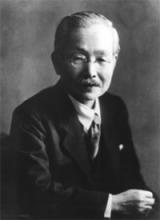
Kikunae Ikeda (8 October 1864 – 3 May 1936) was a Japanese chemist who discovered the fifth basic taste, umami.
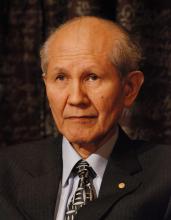
Osamu Shimomura (27 August 1928 – 19 October 2018) was a Japanese organic chemist and marine biologist who dedicated his career to understanding how organisms emitted light.
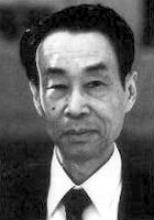
Motoo Kimura (13 November 1924 – 13 November 1994) was a Japanese theoretical population geneticist who is best remembered for developing the neutral theory of molecular evolution.

Chika Kuroda (24 March 1884 – 8 November 1968) was a Japanese chemist whose research focussed on the structures of natural pigments.
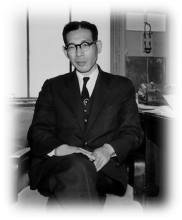
The field of solid-state ionics originated in Europe, but Takehiko Takahashi of Nagoya University in Japan was the first to coin the term ‘solid ionics’ in 1967. ‘Solid-state ionics’ first appeared in 1971 in another of his papers, and was likely a play on ‘solid-state electronics’, another rapidly growing field at the time.
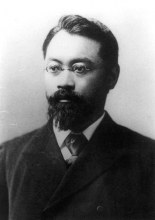
The techniques that make industrial pearl culturing possible were developed over a century ago at the Misaki Marine Biological Station in Japan. The station’s first director, Professor Kakichi Mitsukuri, emphasized to Kokichi Mikimoto in 1890 that stimulating pearl sac formation was important for pearl growth, and they went on to successfully develop methods for culturing pearls.
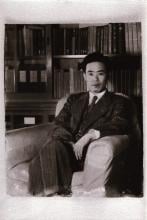
Japanese physicist Ukichiro Nakaya (1900-1962) made the world’s first artificial snowflakes. He started his research on snow crystals in the early 1930s at Hokkaido University, where there is an unlimited supply of natural snow in winter. By taking over 3,000 photographs, he established a classification of natural snow crystals and described their relationship with weather conditions.
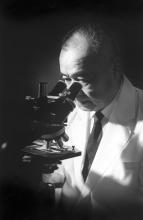
Minoru Shirota (April 23, 1899 – March 10, 1982) was a Japanese microbiologist who invented the popular fermented drink Yakult.
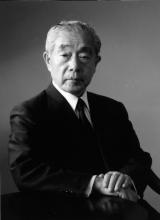
Japanese chemist Kenichi Fukui (4 October 1918 – 9 January 1998) was the first Asian scientist to be awarded the Nobel Prize in Chemistry. Together with Roald Hoffman, he received this honour in 1981 for his independent research into the mechanisms of chemical reactions.
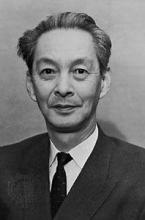
Shinichiro Tomonaga (31 March 1906 – 8 July 1979), together with Richard Feynman and Julian Schwinger, was awarded the Nobel Prize in Physics in 1965, for their contributions to advance the field of quantum electrodynamics. Tomonaga was also a strong proponent of peace, who actively campaigned against the proliferation of nuclear weapons and promoted the peaceful use of nuclear energy.
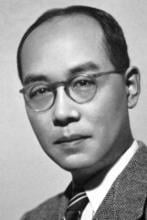
Hideki Yukawa (23 January 1907 – 8 September 1981) was awarded the Nobel Prize in Physics in 1949 for predicting the existence of the pi meson subatomic particle. Japan’s first Nobel laureate, Yakawa also expressed his support for nuclear disarmament by signing the Russell–Einstein Manifesto in 1955.
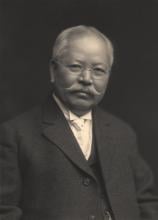
Japanese chemist Takamine Jokichi (3 November 1854 – 22 July 1922) founded the Tokyo Artificial Fertilizer Company, where he isolated a starch-digesting enzyme (named takadiastase) from the fungus Aspergillus oryzae.
Tsuneko (7 June 1933) and Reiji Okazaki (8 October 1930 – 1 August 1975) were a Japanese couple who discovered Okazaki fragments – short sequences of DNA that are synthesized during DNA replication and linked together to form a continuous strand.
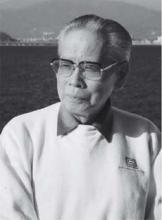
A Japanese surgeon, Tetsuzo Akutsu (20 August 1922 – 9 August 2007) built the first artificial heart capable of keeping an animal alive.
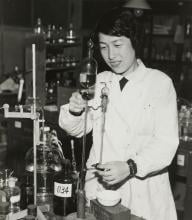
Japanese geochemist Katsuko Saruhashi developed the first method and tools for measuring carbon dioxide in seawater