

Biology
News

20 Feb 2024
At Xi’an Jiaotong-Liverpool University, four researchers in diverse fields of study – from urban planning to digital architecture – are working hard to reach sustainability goals.
20 Feb 2024
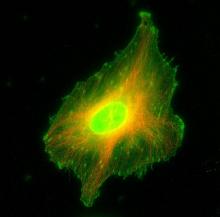
Researchers at Kanazawa University report in Journal of Cell Science on a novel role of the small Ca2+-binding protein S100A11 in focal adhesion disassembly.
15 Feb 2024
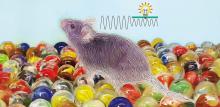
Excessive anxiety can lead to psychiatric disorders, but it is an evolutionary trait that has helped us survive by alerting us to potential dangers. Researchers at Tohoku University have investigated how astrocytes within the habenula, a region of the brain associated with emotional processing, can tune anxiety levels.

08 Feb 2024
Yokohama National University scientists are working towards creating a better tomorrow by addressing diverse challenges, from snow algae and tropical cyclones to AI cyberthreats, and much more.
02 Feb 2024
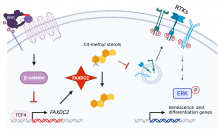
A study led by Duke-NUS Medical School has found an important connection between cancer, stem cells and the building blocks of cholesterol. Specifically, the research reveals how the enzyme FAXDC2 influences cancer cell growth and differentiation through its role in cholesterol synthesis, suggesting possible new approaches to cancer treatment.
29 Jan 2024
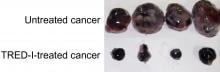
A new technology to increase visibility of cancer cells to the immune system using CRISPR has been developed, and could lead to a new way to treat cancer.
25 Jan 2024
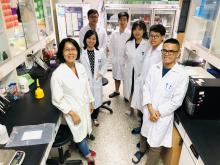
Taiwan: Researchers from National Chung-Hsing University, Taiwan, have made a discovery in the fight against Zika virus. Their study, published in the journal “Communication Biology,” reveals that people who have previously been exposed to dengue virus and Japanese encephalitis virus may have acquired immunity against Zika virus. This finding may shed new light on vaccine strategies in countries where these viruses are common.
24 Jan 2024
This week sees the launch of the first published content in Sustainable Microbiology, the new open access journal which will apply microbiology to sustainability. The journal is published by Applied Microbiology International.
22 Jan 2024
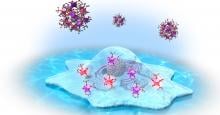
A water-soluble, luminescent europium complex enables evaluation of malignancy grade in model glioma tumor cells.
18 Jan 2024
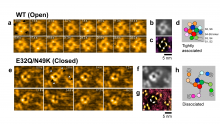
Researchers at Nano Life Science Institute (WPI-NanoLSI), Kanazawa University report in Nature Communications a high-speed atomic force microscopy study of the structural dynamics of sodium ion channels in cell membranes. The findings provide insights into the mechanism behind the generation of cell-membrane action potentials.
17 Jan 2024
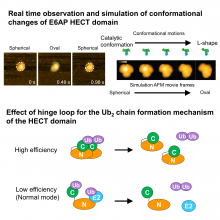
Researchers at Nano Life Science Institute (WPI-NanoLSI), Kanazawa University report in Nano Letters how the flexibility of a protein hinge plays a crucial role in the transfer of proteins in key cell processes.

15 Jan 2024
Unleashing stem cells from dog urine, Electronic Tongue, Tapping into human motion energy, How neurons network, and A radical use for plastic bags. Plus Communicating science two decades on. Read all in the latest Editor's Choice.
11 Jan 2024
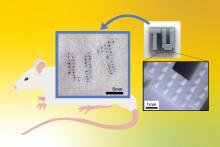
Researchers at the Institute of Industrial Science, The University of Tokyo create customizable polymer molds to produce cost-effective arrays of microneedles that can be used to uniquely identify pets with alphanumeric symbols instead of tags or collars.
04 Jan 2024
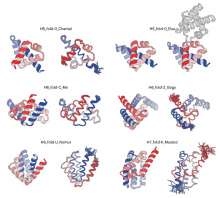
A team of researchers has developed an innovative method to design complicated all-α proteins, characterized by their non-uniformly arranged α-helices as seen in hemoglobin. Employing their novel approach, the team successfully created five unique all-α protein structures, each distinguished by their complicated arrangements of α-helices. This capability holds immense potential in designing functional proteins.
01 Jan 2024
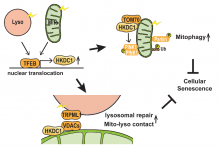
Researchers from Osaka University have shown that a protein called HKDC1 is a new target of another protein, TFEB, and plays key roles in maintaining the stability of both mitochondria and lysosomes. HKDC1 is essential for mitophagy to remove damaged mitochondria, and mediates mitochondria–lysosome contact, which is critical for lysosomal repair. The role of HKDC1 in maintaining the stability of these organelles counteracts cellular senescence, revealing HKDC1 as a potential therapeutic target for age-related diseases.
26 Dec 2023
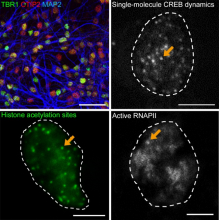
Researchers from Osaka University and Shenzhen Bay Laboratory found that neuronal activity induces gene expression at sites of acetylation by promoting the emergence of cAMP response element binding protein (CREB), CREB binding protein (CBP), and RNA polymerase II. These proteins are targeted to the appropriate sites by CBP-mediated histone acetylation at activity-dependent gene loci.
26 Dec 2023
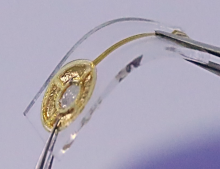
- Professor Kyung-In Jang’s research team at DGIST has developed a complex taste sensor that mimics the gustatory system and detects saltiness, sourness, bitterness, and sweetness in real-time.
- It is expected to be applied in various fields, including the food, cosmetics, and medicine industries

21 Dec 2023
Scientists at Osaka Metropolitan University have developed an efficient, non-invasive, and pain-free method to generate canine-induced pluripotent stem cells (iPSCs). They identified six reprogramming genes that can boost canine iPSC generation by 120 times compared to conventional methods using fibroblasts. The iPSCs were created from urine-derived cells without the need for feeder cells, an impossible feat until now. Their findings are expected to advance regenerative medicine and genetic disease research in veterinary medicine.
21 Dec 2023
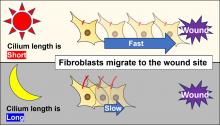
We’re all familiar with our body’s internal clock: it gives us cues on when to wake and when to rest, but it also can determine the rate and time of day at which your body most effectively heals wounds.
14 Dec 2023
Scientists from Duke-NUS Medical School and their collaborators have come up with new methods to cultivate brain cells from stem cells to treat and study neurodegenerative diseases.
13 Dec 2023
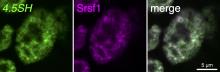
A previously mysterious small RNA molecule in mice is found to play a crucial role in gene expression, and may be the first identified member of a new class of regulatory RNAs.

13 Dec 2023
"Amaterasu" particle: a new cosmic mystery, Geckos inspire robotic device, Targeting cancer while protecting healthy cells, Honey, I shrunk the bear, Two species lost to science spotted again. Plus New Science Communication Resources. Read all in the latest Editor's Choice.
13 Dec 2023
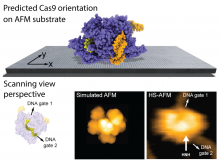
Researchers at Kanazawa University report in Frontiers in Molecular Biosciences a computational method to predict the placement of proteins on AFM substrates based on electrostatic interactions.
11 Dec 2023
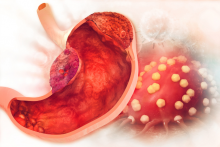
Scientists uncover genetic factors allowing for the early prediction of intestinal metaplasia patients who may have higher risks of developing stomach cancer, enabling early detection, diagnosis and targeted prevention.
08 Dec 2023
- DGIST Professor Dae-ha Seo's research team has successfully developed optical microscopy analysis technology, based on nanochemistry and machine learning, that can observe the phase separation phenomenon of the cell membrane
- The technology accurately analyzes the nanoenvironment of the cell membrane and is expected to greatly contribute to disease mechanism research and diagnostic technology
05 Dec 2023
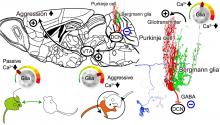
While anger and aggression are instinctive behaviors found across many species, leaving these emotions unchecked can lead to conflict and violence. In a recent study, researchers at Tohoku University demonstrated that neuronal-glial interactions in the cerebellum determine the degree of aggression exhibited by mice. This suggests that future therapeutic methods could adjust glial activity in the cerebellum to help reduce unwanted aggression.
04 Dec 2023
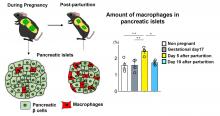
Pregnancy brings a rise in pancreatic beta cells – the cells that produce insulin. Shortly after birth, these cells return to their normal levels. The mechanisms behind this process had remained a mystery. But now a research group has revealed that white blood cells called macrophages ‘eat’ these cells.
04 Dec 2023
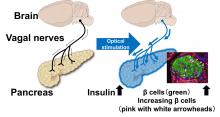
Decreasing pancreatic beta cell numbers – the only cells that produce insulin – is a leading cause of diabetes. In a promising development, a research group has revealed that stimulating autonomic vagal nerves connected to the pancreas can improve the function and also increase the number of pancreatic beta cells in mice.

04 Dec 2023
An international team of researchers led by Osaka Metropolitan University has elucidated the process by which the major flavonoids naringenin, apigenin, and genistein are metabolized in the body. These findings are fundamental in elucidating the correlation between the metabolism of flavonoids in the body and their potential health benefits.
30 Nov 2023
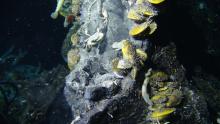
A new bacterial species discovered at the deep-sea hydrothermal vent site ‘Crab Spa’ provides a deeper understanding of bacterial evolution.
Events
Sorry, nothing coming up for this discipline
Researchers
Sorry, nothing coming up for this discipline
- « first
- ‹ previous
- 1
- 2
- 3
- 4
Giants in history
Sorry, nothing coming up for this discipline
- « first
- ‹ previous
- 1
- 2
- 3