

Medicine
News
16 May 2019
Visit Asia’s Leading Exhibition for Pharma R&D and Manufacturing Technologies
13 May 2019
Asia Research News
Call for Submissions Open - Deadline 17 July 2019
10 May 2019
Tohoku University
Researchers have designed a safer, faster and cheaper cell-based regenerative therapy approach for the treatment of one of the most common human dental diseases, namely periodontitis.
02 May 2019
The Hong Kong Polytechnic University (PolyU)
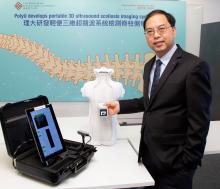
The Hong Kong Polytechnic University (PolyU) (PolyU) today shared that more youngsters can have their scoliosis conditions detected early and monitored frequently, thanks to the portable imaging system developed by PolyU’s experts in scoliosis research.

01 May 2019
The World Academy of Sciences (TWAS)
InterAcademy Partnership (IAP) Health has issued a Statement, ‘A call for action to declare trauma as a disease’, which draws attention to the need for a strong paradigm shift to not only to control but also prevent trauma by considering it as a disease with an integrated comprehensive approach in national health agendas.
30 Apr 2019
Duke-NUS Medical School
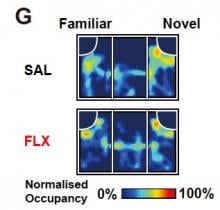
Exposure to antidepressants in the womb leads to autistic-like behaviour in full-grown offspring in an animal model, according to a new study led by Duke-NUS Medical School.
29 Apr 2019
Hong Kong Baptist University (HKBU)
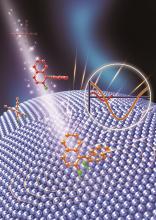
Scholars from Hong Kong Baptist University (HKBU) have invented a new method which could speed up the drug discovery process and lead to the production of higher quality medicinal drugs which are purer and have no side effects.
26 Apr 2019
Asia Research News
BDP Week 2019 in China enjoys unparralleled industry support and is known for generating knowledge, creating business opportunities, and bringing innovative ideas to the table.
24 Apr 2019
Duke-NUS Medical School
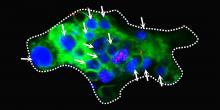
Fruit fly studies reveal proteins that promote healthy nervous system development by preventing the reversal of nerve cell differentiation.
15 Apr 2019
Hong Kong Baptist University (HKBU)
A delegation from Hong Kong Baptist University (HKBU) (HKBU) won a Gold Medal with the Congratulations of Jury, a Gold Medal and a Silver Medal at the 47th International Exhibition of Inventions of Geneva held in Switzerland from 10 to 14 April 2019.

15 Apr 2019
The Hong Kong Polytechnic University (PolyU)
The Hong Kong Polytechnic University (PolyU) (PolyU) was among the big winners in the Hong Kong delegation this year at the 47th International Exhibition of Inventions of Geneva (Geneva Inventions Expo), the exhibition regarded as the most important specialist event of its kind in the world.
15 Apr 2019
Asia Research News
This conference brings together a focus on technology development as well as applications for biomarker analysis in cancer, cardiovascular disease and other disease classes. Call for Posters deadline: 31 August 2019.

10 Apr 2019
Daegu Gyeongbuk Institute of Science and Technology (DGIST)
Designated as a KELAF and held signboard hanging ceremony as organized by the Ministry of Drug and Food Safety. To lay the foundation for advanced bio research by securing the reliability and ethicality of animal experiments
08 Apr 2019
Hokkaido University
Joint press release by Hokkaido University and Keio University
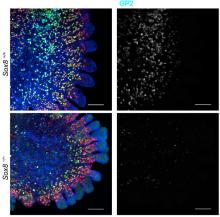
Scientists have identified a protein critical to the immune system development and antibody production in mice, which could contribute to understanding the gut defense mechanism in infants.

03 Apr 2019
The Agency for Science, Technology and Research (A*STAR)
Chemists use free radicals to produce polymers strong enough to encapsulate drugs while remaining degradable.
02 Apr 2019
Hokkaido University
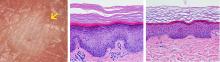
Pathogenic gene mutations causing a type of intractable skin disease can be eliminated from some parts of patients’ skin as they age, according to Hokkaido University researchers and their collaborators in Japan. This represents a form of natural gene therapy.
29 Mar 2019
The Hong Kong Polytechnic University (PolyU)
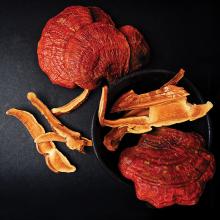
Authenticating Chinese traditional medicines could become quicker and easier.

28 Mar 2019
Institute of Transformative Bio-Molecules (WPI-ITbM), Nagoya University
Researchers investigated existing drugs for molecules that affect circadian rhythms and found a known anti-aging supplement reduced jet lag in mice.

27 Mar 2019
Universiti Teknologi MARA (UiTM)
A new model may help clinicians predict the possibility of death from severe dengue infection.
27 Mar 2019
Tohoku University
A major advancement in pioneering technology based around the use of an artificial womb to save extremely premature babies is being hailed as a medical and biotechnological breakthrough.
21 Mar 2019
Universiti Teknologi MARA (UiTM)
Researchers at Universiti Teknologi MARA reported in the journal Medicine a rare case of hepatocellular carcinoma cells migrating from the liver and settling in the jawbone and shoulder blade of a 61-year-old man.
20 Mar 2019
Hokkaido University
The drugs aided retrieval of long-term object memories in both mice and humans.
14 Mar 2019
Tohoku University
A new method to diagnose cancer cells inside lymph nodes could allow doctors to treat cancers before they spread around the body.
14 Mar 2019
Duke-NUS Medical School
A new mouse model accurately mimics diabetic kidney disease in humans, suggesting new approaches for treatment.
12 Mar 2019
The Hong Kong Polytechnic University (PolyU)
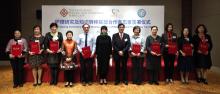
The Hong Kong Polytechnic University (PolyU) (PolyU) today signed a Memorandum of Understanding (MoU) with eight participating universities / institutions in the Greater Bay Area (GBA) to establish The Nursing Alliance of Research and Knowledge Transfer.
11 Mar 2019
The Hong Kong University of Science and Technology (HKUST)
Scientists at The Hong Kong University of Science and Technology (HKUST) (HKUST) won three of the seven awards presented by the Croucher Foundation this year.
11 Mar 2019
The Hong Kong University of Science and Technology (HKUST)
HKUST signed a landmark Memorandum of Understanding (MoU) together with Boston Children’s Hospital – a Harvard Medical School Teaching Hospital (Harvard), the Paul F. Glenn Center for the Biology of Aging at Stanford University School of Medicine (Stanford), and University College London (UCL) today.
11 Mar 2019
Hokkaido University
An annual influenza season forecasting challenge issued by the US Centers for Disease Control provides unique insight into epidemic forecasting, according to a study published in the journal Scientific Reports.
11 Mar 2019
Asia Research News
Gain insights into lessons learnt from UK’s large-scale project failure, South Korea’s ambitious AI plans and Singapore’s current and upcoming digital health initiatives!
11 Mar 2019
Asia Research News
Secure your place today with 20% code ARN20 off the standard rate and join the discussion.
Researchers
Sorry, no researchers coming up for this topic.
- « first
- ‹ previous
- 1
- 2
- 3
- 4
Giants in history

Henriette Bui Quang Chieu (1906 – 2012) was inspired to follow in her brother’s footsteps and become a doctor after losing her mother to tuberculosis. She studied in France and became the first Vietnamese woman to receive a medical degree. Upon her return to Vietnam, Bui was appointed head of the Department of Midwifery at Cho Lon Hospital in Ho Chi Minh City. A pioneer in gynaecology, she applied acupuncture techniques that she had learned in Japan to obstetrics. As Vietnam was still a French colony, Bui also lobbied for the rights of Vietnamese doctors, nurses, and patients.

Japanese biochemist Akira Endo (1933 – 2024) discovered the first statin, called mevastatin, which lowered cholesterol levels in the blood by inhibiting a key enzyme in the cholesterol biosynthesis pathway. His work laid the foundation for the development of statins to help patients lower their blood cholesterol levels and reduce their risk of heart disease or stroke.

Tu Youyou (born 30 December 1930) is a Chinese pharmaceutical scientist who was awarded the 2015 Nobel Prize in Physiology or Medicine for her work on extracting artemisin from sweet wormwood to treat malaria.

Filipina paediatrician and scientist Perla Santos-Ocampo (25 July 1931 – 29 June 2012) made important contributions to treatments and policies that curbed debilitating and sometimes deadly diarrhoea-related diseases and malnutrition in children.

Singaporean physician Oon Chiew Seng (1916 – 31 March 2022) advanced dementia care and research in Singapore, and co-founded the Apex Harmony Lodge, the nation’s first nursing home for residents with dementia.
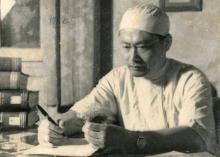
Vietnamese surgeon Tôn Thất Tùng (10 May 1912 – 7 May 1982) developed a pioneering technique that reduced the risks and mortality rate of liver operations.
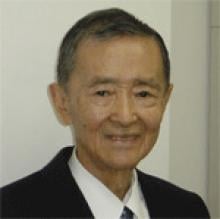
Michiaki Takahashi (17 February 1928 – 16 December 2013) was a Japanese virologist who developed the first chickenpox vaccine.
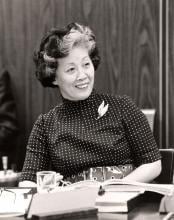
Irene Ayako Uchida’s (8 April 1917 – 30 July 2013) strides to understand genetic diseases such as Down syndrome paved the way for early screening of chromosomal abnormalities in foetuses.
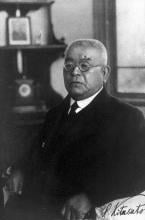
Baron Kitasato Shibasaburo (29 January 1856 – 13 June 1931) was a Japanese physician and bacteriologist whose work led to a new understanding of preventing and treating tetanus, diphtheria and anthrax.
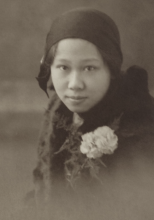
Maggie Lim (5 January 1913 – November 1995) was a Singaporean physician who promoted family planning and expanded the access to clinics to improve the quality of life for mothers and children in Singapore’s early days.
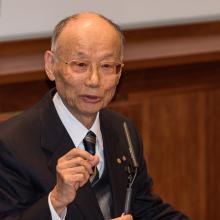
By isolating soil microorganisms and studying the compounds they produce, Satoshi Omura (born 1935) discovered almost 500 organic compounds with unique properties that were produced by these microorganisms, including many new antibiotics.
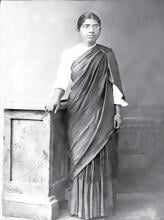
The founder of the Adyar Cancer Institute in India, Muthulakshmi Reddy (30 July 1886 – 22 July 1968), fought to uplift women and girls from impoverished situations.
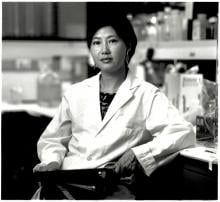
Chinese-American virologist and molecular biologist Flossie Wong-Staal (27 August 1946 – 8 July 2020) was the first scientist to clone HIV and determine the function of its genes.
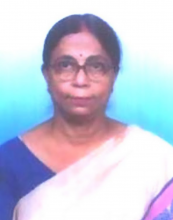
Maharani Chakravorty (1937 – 2015) was one of India’s earliest molecular biologists whose research paved the way for advances in the treatment of bacterial and viral infections.
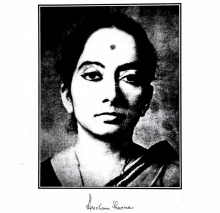
Archana Sharma (16 February 1932 - 14 January 2008) conducted research into plant and human genetics that expanded the understanding of both botany and human health. In relation to botany, she uncovered the means by which asexually-reproducing plants evolve into new species.
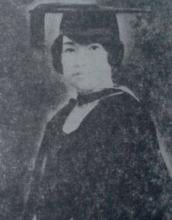
The first Thai woman to receive a degree in medicine, Margaret Lin Xavier (29 May 1898 – 6 December 1932), is best remembered for her compassion towards her less privileged patients.
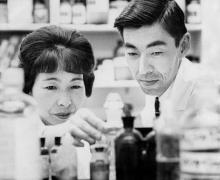
Husband and wife team, Kimishige (3 December 1925 – 6 July 2018) and Teruko Ishizaka (28 September 1926 – 4 June 2019) discovered the antibody class Immunoglobulin E (IgE) that triggers allergic reactions. They also discovered that IgE antibodies attach to white blood cells, known as mast cells, releasing histamine, which causes allergic reactions.
Husband and wife team, Kimishige (3 December 1925 – 6 July 2018) and Teruko Ishizaka (28 September 1926 – 4 June 2019) discovered the antibody class Immunoglobulin E (IgE) that triggers allergic reactions. They also discovered that IgE antibodies attach to white blood cells, known as mast cells, releasing histamine, which causes allergic reactions.
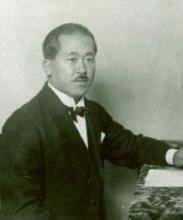
In 1915, Koichi Ichikawa along with pathologist Katsusaburo Yamagiwa became the first to prove that chronic exposure to chemicals can cause cancer.
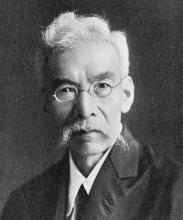
In 1915, pathologist Katsusaburo Yamagiwa and his research assistant Koichi Ichikawa became the first to prove that chronic exposure to chemicals can cause cancer.
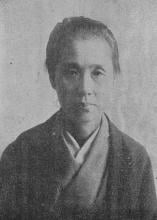
Ogino Ginko (3 March 1851 – 23 June 1913) was the first registered female doctor to practise modern medicine in Japan.
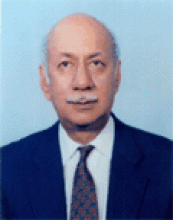
Syed Qasim Mehdi (13 February 1941 – 28 September 2016) was a Pakistani molecular biologist who was a founding member of the Human Genome Diversity Project (HGDP), which assessed human diversity by studying human migration, mutation rates, relationships between different populations, genes involved in height and selective pressure.
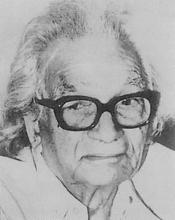
Salimuzzaman Siddiqui (19 October 1897 – 14 April 1994) was an artist and chemist from Pakistan whose research focused on natural products from plants.
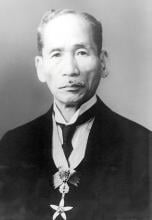
Umetaro Suzuki (7 April 1874 – 20 September 1943) was a Japanese scientist best remembered for his research on beriberi, a disease caused by vitamin B1 deficiency, characterized by limb stiffness, paralysis and pain.
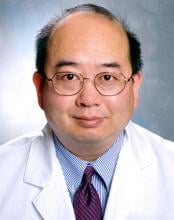
Barry Paw (29 August 1962 – 28 December 2017) was a biologist and oncologist who discovered several novel genes and their functions in red blood cells.

Chika Kuroda (24 March 1884 – 8 November 1968) was a Japanese chemist whose research focussed on the structures of natural pigments.
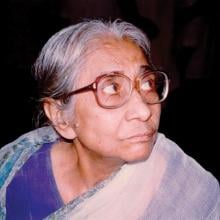
Indian organic chemist Asima Chatterjee (1917 to 2006) studied the medicinal properties of plant products, especially compounds known as vinca alkaloids.
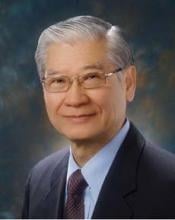
David T. Wong (born 1936) is a Hong Kong-born American neuroscientist who is best known for discovering the antidepressant drug fluoxetine, better known as Prozac.
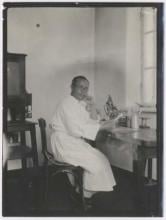
Wu Lien-teh (10 March 1879 – 21 January 1960) was a Malaysian-born doctor who invented a mask that effectively suppressed disease transmission. Winning the prestigious Queen’s Scholarship enabled Wu to become the first Chinese student to study medicine at the University of Cambridge.
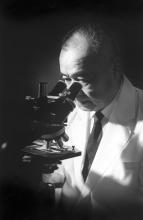
Minoru Shirota (April 23, 1899 – March 10, 1982) was a Japanese microbiologist who invented the popular fermented drink Yakult.
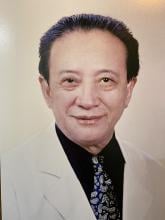
After witnessing death and suffering as a youth in his home village during World War II, Nguyễn Tài Thu (6 April 1931 – 14 February 2021) set his sights on alleviating pain by becoming a doctor. After studying Traditional Chinese Medicine in China in the 1950s, Thu returned to Vietnam to serve in military hospitals. Eventually, he became the country’s foremost practitioner of acupuncture, a technique he first learned by inserting needles into himself.
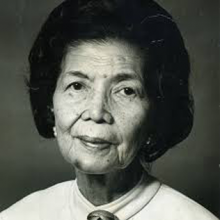
Fe Villanueva del Mundo (27 November 1911 – 6 August 2011) was a Filipina paediatrician who founded the Philippines’ first paediatric hospital.
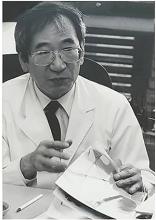
Korean parasitologist Seung-Yull Cho (16 November 1943 – 27 January 2019) is remembered largely for his pioneering works to control infections caused by helminthic parasites and his contribution to journal publishing.
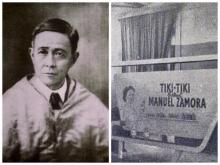
Filipino chemist and pharmacist Manuel A. Zamora (29 March 1870 – 9 July 1929) is best remembered for his discovery of the tiki-tiki formula to combat beriberi, a disease caused by Vitamin B1 deficiency.
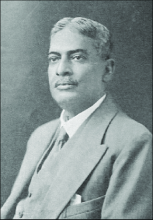
Indian scientist and physician Upendranath Brahmachari (19 December 1873–6 February 1946) is best known for creating a drug called Urea Stibamine, used to safely and reliably treat visceral leishmaniasis (or Kala-azar), a severe infection caused by the Leishmania parasite.
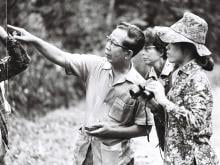
Thai physician and conservationist Boonsong Lekagul (1907 – 1992) made major contributions to the preservation of his country’s wildlife.
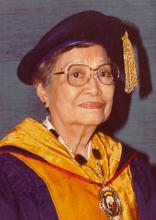
The research of Filipino pharmaceutical chemist Luz Oliveros-Belardo (3 November 1906 – 12 December 1999) focussed on essential oils and other chemicals derived from native Philippine plants.

Ground-breaking cancer researcher Kamal Jayasing Ranadive (8 November 1917 – 11 April 2001) advanced the understanding of the causes of leukaemia, breast cancer and oesophageal cancer through the use of animal models. She was also among the first to recognise how susceptibility to cancer is linked to tumour-causing interactions between hormones and viruses.
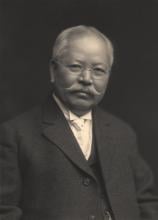
Japanese chemist Takamine Jokichi (3 November 1854 – 22 July 1922) founded the Tokyo Artificial Fertilizer Company, where he isolated a starch-digesting enzyme (named takadiastase) from the fungus Aspergillus oryzae.
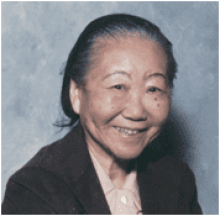
Tsai-Fan Yu (1911 – 2 March 2007) was a Chinese-American physician and researcher who was the first female full professor at Mount Sinai School of Medicine. She discovered that gout, a condition characterized by the painful inflammation of joints, was caused by elevated levels of uric acid in the bloodstream.
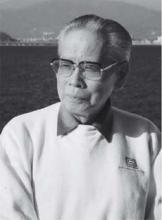
A Japanese surgeon, Tetsuzo Akutsu (20 August 1922 – 9 August 2007) built the first artificial heart capable of keeping an animal alive.
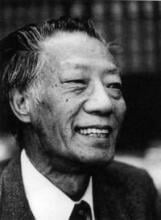
Min Chueh Chang (10 October 1908 – 5 June 1991) was a Chinese-American biologist who studied fertilization in mammalian reproduction.
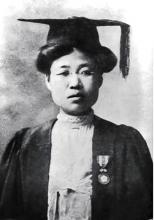
Esther Park (1877-1910), born Kim Jeom-dong, was the first female Korean physician to practise modern medicine in Korea and trained the first generation of Korean female doctors.