
Medicine
News
02 Nov 2016
National Institute for Materials Science (NIMS)
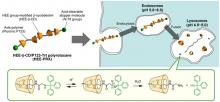
Researchers in Japan have improved a potential treatment for a rare genetic disease, decreasing its negative toxic effects by threading it onto a dumb-bell-shaped chain and holding it in place until it reaches its target.
31 Oct 2016
National Institute for Materials Science (NIMS)
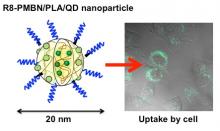
Researchers at the University of Tokyo continue to discover new ways to improve the effectiveness of nanoparticles as biomedical tools.
21 Oct 2016
The Agency for Science, Technology and Research (A*STAR)
Nanoparticle drugs can make it easier for medications to reach their targets.

19 Oct 2016
King Abdullah University of Science and Technology (KAUST)
Smart bandage technology provides instant updates on the condition of chronic wounds through a mobile phone app.
18 Oct 2016
Asia Research News
In a few weeks’ time, cancer experts from all over the world will be heading to University Cultural Centre in NUS to attend FCS 2016. These cancer experts include Nobel Laureate Professor Tomas Lindahl and Keynote speakers – Professors William Kaelin and Michael Karin.
18 Oct 2016
Hokkaido University
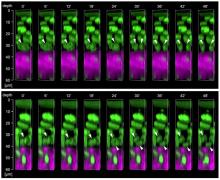
A team of Hokkaido University researchers has established a method for capturing live, three-dimensional, high-resolution images deep within the skin of living mice, casting light on the precise manner in which cells divide to maintain the thick outer layer of skin.
18 Oct 2016
Hokkaido University
Virus Researchers Descend Upon Sapporo to Address Rising Global Viral Threats.

17 Oct 2016
National Institute for Materials Science (NIMS)
Combining a sugar derived from crab and shrimp shells with nanomaterials could lead to applications that enhance bone regeneration and wound healing.
17 Oct 2016
Hokkaido University
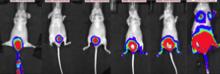
Hokkaido University researchers have discovered that a nonsteroid anti-inflammatory drug used for treating colds suppresses the spread of bladder cancers and reduces their chemoresistance in mice, raising hopes of a future cure for advanced bladder cancers.
17 Oct 2016
Asia Research News
NanoDelivery 2017 will be held in Osaka, Japan, May 29-31, 2017.
13 Oct 2016
Nagoya University
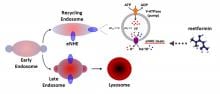
Nagoya University-led researchers use nematode worms as a model to identify a new target of the type 2 diabetes drug metformin; ion exchanger protein NHX-5 and its related protein in fruit flies are potential metformin targets, suggesting the drug controls the cellular endocytic cycle.
06 Oct 2016
King Abdullah University of Science and Technology (KAUST)
Certain bacteria-based water treatment systems may help prevent the spread of antibiotic resistance.
05 Oct 2016
Nagoya University
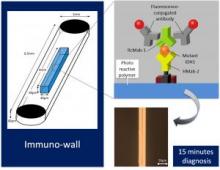
A team centered at Nagoya University, Japan, have developed a device for quick, accurate identification of a mutation strongly associated with a cancer that affects the central nervous system, potentially enabling accurate removal of the entire tumor during an operation.
03 Oct 2016
Hokkaido University
A team of researchers has discovered that chemoresistant lung cancer cells suppress immune functions and strengthen resistance to chemotherapy by producing interleukin-34 (IL-34)—a type of cytokine.
29 Sep 2016
King Abdullah University of Science and Technology (KAUST)
New sensor design paves the way for safer and more effective brain monitoring.

27 Sep 2016
The World Academy of Sciences (TWAS)
Today, 46 IAP for Health member academies commit to taking action to address issues of reproducibility in a Statement: ‘A Call to Action to Improve the Reproducibility of Biomedical Research’.

26 Sep 2016
National Institute for Basic Biology (NIBB)
An international team including researchers in France and Japan, using the green alga Chlamydomonas as a model, found a switch that triggers the suppression mechanism to prevent runaway photosynthesis. The switch is a blue light photoreceptor protein called phototropin. The research has been published in the September 22 issue of Nature.
22 Sep 2016
King Abdullah University of Science and Technology (KAUST)
A biocompatible nanomaterial that can be controlled with light finds a use in gene delivery.
22 Sep 2016
King Abdullah University of Science and Technology (KAUST)
Antibodies directed against cancer stem cells could help patients with acute myeloid leukemia.

22 Sep 2016
The Agency for Science, Technology and Research (A*STAR)
Multi stimuli-responsive nanocapsules selectively deliver drugs to exactly where they are needed.
21 Sep 2016
The Hong Kong Polytechnic University (PolyU)
A novel multi-potent drug removes arginine from the blood and kills cancer cells.
19 Sep 2016
Daegu Gyeongbuk Institute of Science and Technology (DGIST)
Korean researchers show how our brain activates self-destruct mechanisms when it is low on energy to regulate appetite.
12 Sep 2016
Ulsan National Institute of Science and Technology (UNIST)
A joint symposium on "Coping with Incurable Disease" was held at Pusan National University Yangsan Hospital (PNUYH) in Pusan, South Korea, to accelerate the development of new drugs to treat incurable diseases.
05 Sep 2016
The University of Nottingham Malaysia Campus
The fruit of the 'asam keping' tree can be used to prevent atherosclerosis - that is the hardening and narrowing of the arteries -, according to research.
05 Sep 2016
Asia Research News
[MELBOURNE] While combination antiretroviral therapy has meant that people with HIV can live longer lives, research shows that the virus makes fundamental changes to the immune system by increasing the risk of developing age-related conditions.

05 Sep 2016
Tohoku University
The use of traditional Chinese medications is common in East Asian countries. Guidelines for their use should be updated based on research evidence.
02 Sep 2016
Daegu Gyeongbuk Institute of Science and Technology (DGIST)
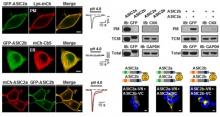
Research team in South Korea identified the pain transmission mechanism at the molecular level and presented new solutions for the understanding of pain signals and the development of pain treatments.
01 Sep 2016
Tohoku University
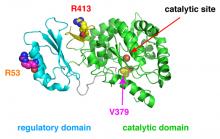
Scientists from Tohoku University's Tohoku Medical Megabank Organization (ToMMo) have published research about genetic diversity and metabolome in Scientific Reports.
31 Aug 2016
Asia Research News
This conference will help to address the unmet clinical needs within this sector and provide a detailed overview of the current research, the latest innovations, the regulatory requirements, commercialisation of diagnostic innovations and market entry into Asia.
23 Aug 2016
Kyoto University
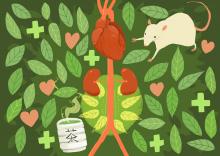
Green tea could prevent a deadly condition in the body's main artery. A Kyoto University team has found that abdominal aortic aneurysm -- a condition in which the main artery becomes overstretched and bloated -- developed less frequently in rats that drank green tea polyphenol, a major component of green tea.
Researchers
Sorry, no researchers coming up for this topic.
- « first
- ‹ previous
- 1
- 2
- 3
- 4
Giants in history

Henriette Bui Quang Chieu (1906 – 2012) was inspired to follow in her brother’s footsteps and become a doctor after losing her mother to tuberculosis. She studied in France and became the first Vietnamese woman to receive a medical degree. Upon her return to Vietnam, Bui was appointed head of the Department of Midwifery at Cho Lon Hospital in Ho Chi Minh City. A pioneer in gynaecology, she applied acupuncture techniques that she had learned in Japan to obstetrics. As Vietnam was still a French colony, Bui also lobbied for the rights of Vietnamese doctors, nurses, and patients.

Japanese biochemist Akira Endo (1933 – 2024) discovered the first statin, called mevastatin, which lowered cholesterol levels in the blood by inhibiting a key enzyme in the cholesterol biosynthesis pathway. His work laid the foundation for the development of statins to help patients lower their blood cholesterol levels and reduce their risk of heart disease or stroke.

Tu Youyou (born 30 December 1930) is a Chinese pharmaceutical scientist who was awarded the 2015 Nobel Prize in Physiology or Medicine for her work on extracting artemisin from sweet wormwood to treat malaria.

Filipina paediatrician and scientist Perla Santos-Ocampo (25 July 1931 – 29 June 2012) made important contributions to treatments and policies that curbed debilitating and sometimes deadly diarrhoea-related diseases and malnutrition in children.

Singaporean physician Oon Chiew Seng (1916 – 31 March 2022) advanced dementia care and research in Singapore, and co-founded the Apex Harmony Lodge, the nation’s first nursing home for residents with dementia.
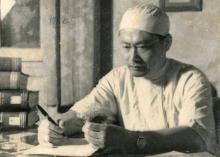
Vietnamese surgeon Tôn Thất Tùng (10 May 1912 – 7 May 1982) developed a pioneering technique that reduced the risks and mortality rate of liver operations.
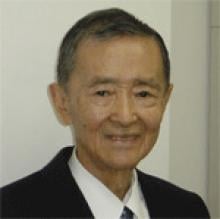
Michiaki Takahashi (17 February 1928 – 16 December 2013) was a Japanese virologist who developed the first chickenpox vaccine.
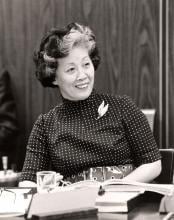
Irene Ayako Uchida’s (8 April 1917 – 30 July 2013) strides to understand genetic diseases such as Down syndrome paved the way for early screening of chromosomal abnormalities in foetuses.
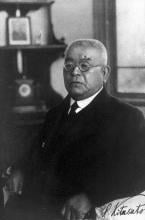
Baron Kitasato Shibasaburo (29 January 1856 – 13 June 1931) was a Japanese physician and bacteriologist whose work led to a new understanding of preventing and treating tetanus, diphtheria and anthrax.
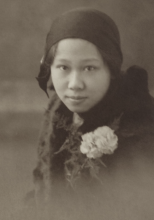
Maggie Lim (5 January 1913 – November 1995) was a Singaporean physician who promoted family planning and expanded the access to clinics to improve the quality of life for mothers and children in Singapore’s early days.
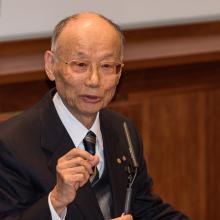
By isolating soil microorganisms and studying the compounds they produce, Satoshi Omura (born 1935) discovered almost 500 organic compounds with unique properties that were produced by these microorganisms, including many new antibiotics.
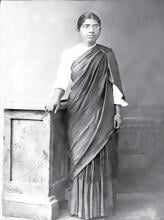
The founder of the Adyar Cancer Institute in India, Muthulakshmi Reddy (30 July 1886 – 22 July 1968), fought to uplift women and girls from impoverished situations.
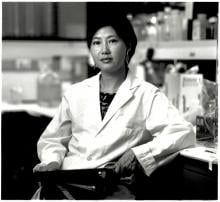
Chinese-American virologist and molecular biologist Flossie Wong-Staal (27 August 1946 – 8 July 2020) was the first scientist to clone HIV and determine the function of its genes.
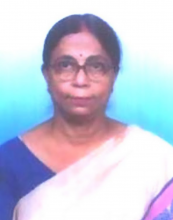
Maharani Chakravorty (1937 – 2015) was one of India’s earliest molecular biologists whose research paved the way for advances in the treatment of bacterial and viral infections.
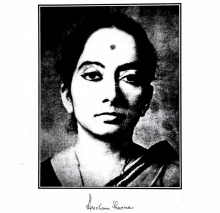
Archana Sharma (16 February 1932 - 14 January 2008) conducted research into plant and human genetics that expanded the understanding of both botany and human health. In relation to botany, she uncovered the means by which asexually-reproducing plants evolve into new species.
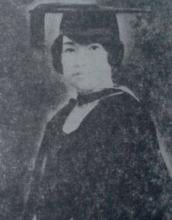
The first Thai woman to receive a degree in medicine, Margaret Lin Xavier (29 May 1898 – 6 December 1932), is best remembered for her compassion towards her less privileged patients.
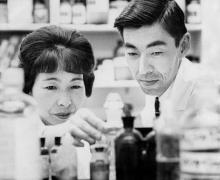
Husband and wife team, Kimishige (3 December 1925 – 6 July 2018) and Teruko Ishizaka (28 September 1926 – 4 June 2019) discovered the antibody class Immunoglobulin E (IgE) that triggers allergic reactions. They also discovered that IgE antibodies attach to white blood cells, known as mast cells, releasing histamine, which causes allergic reactions.
Husband and wife team, Kimishige (3 December 1925 – 6 July 2018) and Teruko Ishizaka (28 September 1926 – 4 June 2019) discovered the antibody class Immunoglobulin E (IgE) that triggers allergic reactions. They also discovered that IgE antibodies attach to white blood cells, known as mast cells, releasing histamine, which causes allergic reactions.
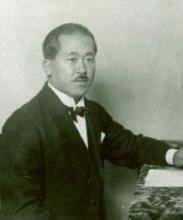
In 1915, Koichi Ichikawa along with pathologist Katsusaburo Yamagiwa became the first to prove that chronic exposure to chemicals can cause cancer.
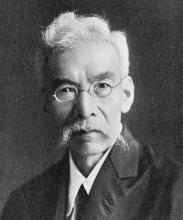
In 1915, pathologist Katsusaburo Yamagiwa and his research assistant Koichi Ichikawa became the first to prove that chronic exposure to chemicals can cause cancer.
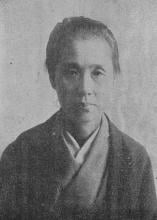
Ogino Ginko (3 March 1851 – 23 June 1913) was the first registered female doctor to practise modern medicine in Japan.
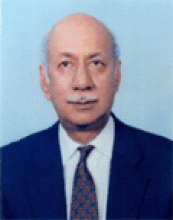
Syed Qasim Mehdi (13 February 1941 – 28 September 2016) was a Pakistani molecular biologist who was a founding member of the Human Genome Diversity Project (HGDP), which assessed human diversity by studying human migration, mutation rates, relationships between different populations, genes involved in height and selective pressure.
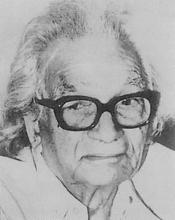
Salimuzzaman Siddiqui (19 October 1897 – 14 April 1994) was an artist and chemist from Pakistan whose research focused on natural products from plants.
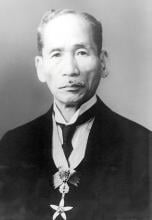
Umetaro Suzuki (7 April 1874 – 20 September 1943) was a Japanese scientist best remembered for his research on beriberi, a disease caused by vitamin B1 deficiency, characterized by limb stiffness, paralysis and pain.
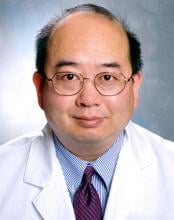
Barry Paw (29 August 1962 – 28 December 2017) was a biologist and oncologist who discovered several novel genes and their functions in red blood cells.

Chika Kuroda (24 March 1884 – 8 November 1968) was a Japanese chemist whose research focussed on the structures of natural pigments.
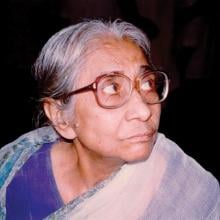
Indian organic chemist Asima Chatterjee (1917 to 2006) studied the medicinal properties of plant products, especially compounds known as vinca alkaloids.
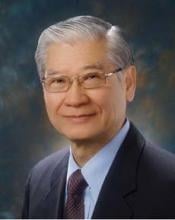
David T. Wong (born 1936) is a Hong Kong-born American neuroscientist who is best known for discovering the antidepressant drug fluoxetine, better known as Prozac.
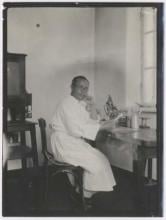
Wu Lien-teh (10 March 1879 – 21 January 1960) was a Malaysian-born doctor who invented a mask that effectively suppressed disease transmission. Winning the prestigious Queen’s Scholarship enabled Wu to become the first Chinese student to study medicine at the University of Cambridge.
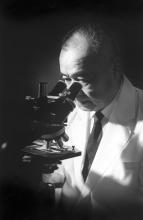
Minoru Shirota (April 23, 1899 – March 10, 1982) was a Japanese microbiologist who invented the popular fermented drink Yakult.
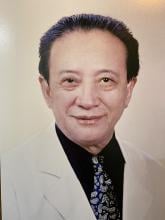
After witnessing death and suffering as a youth in his home village during World War II, Nguyễn Tài Thu (6 April 1931 – 14 February 2021) set his sights on alleviating pain by becoming a doctor. After studying Traditional Chinese Medicine in China in the 1950s, Thu returned to Vietnam to serve in military hospitals. Eventually, he became the country’s foremost practitioner of acupuncture, a technique he first learned by inserting needles into himself.
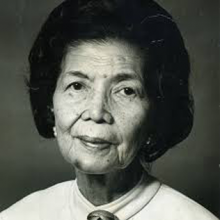
Fe Villanueva del Mundo (27 November 1911 – 6 August 2011) was a Filipina paediatrician who founded the Philippines’ first paediatric hospital.
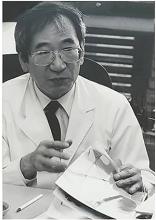
Korean parasitologist Seung-Yull Cho (16 November 1943 – 27 January 2019) is remembered largely for his pioneering works to control infections caused by helminthic parasites and his contribution to journal publishing.

Filipino chemist and pharmacist Manuel A. Zamora (29 March 1870 – 9 July 1929) is best remembered for his discovery of the tiki-tiki formula to combat beriberi, a disease caused by Vitamin B1 deficiency.
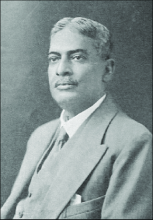
Indian scientist and physician Upendranath Brahmachari (19 December 1873–6 February 1946) is best known for creating a drug called Urea Stibamine, used to safely and reliably treat visceral leishmaniasis (or Kala-azar), a severe infection caused by the Leishmania parasite.
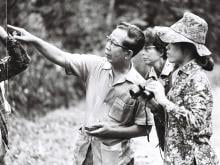
Thai physician and conservationist Boonsong Lekagul (1907 – 1992) made major contributions to the preservation of his country’s wildlife.
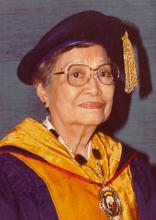
The research of Filipino pharmaceutical chemist Luz Oliveros-Belardo (3 November 1906 – 12 December 1999) focussed on essential oils and other chemicals derived from native Philippine plants.

Ground-breaking cancer researcher Kamal Jayasing Ranadive (8 November 1917 – 11 April 2001) advanced the understanding of the causes of leukaemia, breast cancer and oesophageal cancer through the use of animal models. She was also among the first to recognise how susceptibility to cancer is linked to tumour-causing interactions between hormones and viruses.
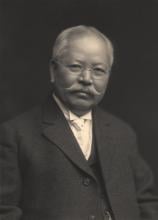
Japanese chemist Takamine Jokichi (3 November 1854 – 22 July 1922) founded the Tokyo Artificial Fertilizer Company, where he isolated a starch-digesting enzyme (named takadiastase) from the fungus Aspergillus oryzae.
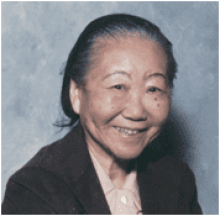
Tsai-Fan Yu (1911 – 2 March 2007) was a Chinese-American physician and researcher who was the first female full professor at Mount Sinai School of Medicine. She discovered that gout, a condition characterized by the painful inflammation of joints, was caused by elevated levels of uric acid in the bloodstream.
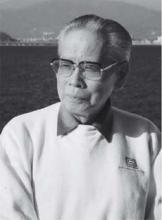
A Japanese surgeon, Tetsuzo Akutsu (20 August 1922 – 9 August 2007) built the first artificial heart capable of keeping an animal alive.
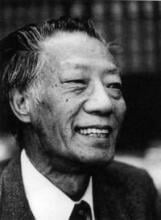
Min Chueh Chang (10 October 1908 – 5 June 1991) was a Chinese-American biologist who studied fertilization in mammalian reproduction.
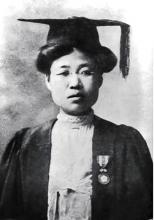
Esther Park (1877-1910), born Kim Jeom-dong, was the first female Korean physician to practise modern medicine in Korea and trained the first generation of Korean female doctors.