

Biology Microbiology
News
19 Aug 2026
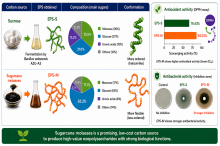
Feeding bacteria a cheap agricultural by-product enables the production of high-value biomaterials with promising biomedical and industrial applications.
17 Jul 2026
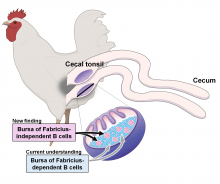
Researchers at Tohoku University have made an interesting discovery that provides a boost to the immune system of birds. They found that B-cell development, which forms part of the immune system, occurs outside the bursa of Fabricius, the organ where scientists previously thought B-cell development exclusively occurred. The findings paint a clearer picture of the birds’ immune system at a time when antimicrobial resistance has affected livestock and poultry production across the globe.
18 May 2026
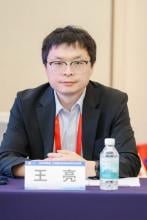
Professor Liang Wang has just been appointed new Lead Editor in Microbiology in Health and Disease at the Journal of Applied Microbiology. In a fascinating new Q&A, he discusses antimicrobial resistance, emerging fields in microbiology and Helicobacter pylori.

13 May 2026
More than a decade after the Nagoya Protocol, which aims to fairly share the benefits of utilizing genetic resources, became law, microbiologists and other scientists still face practical challenges and confusion.
A new guide published by a team of microbiologists provides universally applicable frameworks for anyone working with biological resources.
11 May 2026
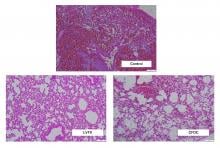
Drug resistance of Stenotrophomonas maltophilia prompts need for effective alternative treatments
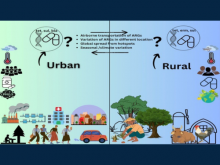
01 Apr 2026
A review finds that antibiotic resistance genes—capable of undermining modern medicine—can travel through the air across both cities and farmland, and argues that airborne spread represents an overlooked public health risk.
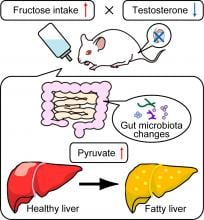
11 Mar 2026
Changes in male hormones and excessive sugar intake work together in progressing liver damage

29 Jan 2026
Sticky life beginnings. Precarious pitcher plant, Breaking the cobalt "cage", Toxic algae killer & “Pure-bred” stem cell medium. Read all in the latest Editor's Choice. Plus Asia Research News 2026 is out now and SciCom Coffee talk by Rachael Smith at Wellcome Sanger Institute.
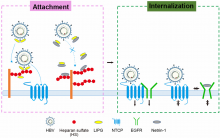
23 Dec 2025
Netrin-1 blocks HBV entry by inhibiting viral attachment and internalization, offering a new therapeutic avenue for chronic hepatitis B.

15 Dec 2025
Mutated baker’s yeast at the forefront of alternative 2,3-butanediol production methods

01 Dec 2025
Surface-bound gels may have provided the structure and chemistry for life to take root on Earth, and perhaps beyond
24 Sep 2025
In a bold step toward climate action, leading microbiology societies and organizations have unveiled their first joint global strategy to harness the power of microbial science in addressing the climate crisis. This landmark strategy has been published across 6 scientific journals, including Sustainable Microbiology.

01 Aug 2025
Bacteria in the digestive system may work to maintain balance directly and indirectly

18 Jul 2025
When fermented with plant-derived bacteria, stevia leaf extract is toxic to pancreatic cancer cells but not to healthy kidney cells

27 Jun 2025
Chinese and Australian scientists have reported the discovery of twenty new bat viruses in research published this week.

24 Apr 2025
Raccoons considered to be a source of zoonotic pathogens were monitored

03 Apr 2025
A genomic study of hydrogen-producing bacteria has revealed entirely new gene clusters capable of producing large volumes of hydrogen.

21 Mar 2025
Constructed strain achieves record-high yield from methanol, advancing eco-friendly biomanufacturing

04 Mar 2025
Cryo-electron microscopy reveals molecular structure of twin motors that power mycoplasma’s ability to glide
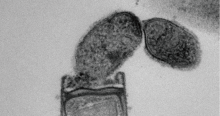
13 Feb 2025
Successful isolation of ultrasmall bacteria belonging to the CPR, a large phylogenetic group that includes various lineages of uncultivated bacteria

16 Dec 2024
Cell wall proteins exhibit emulsifying action, offer possible alternative to emulsifiers derived from milk, other known allergens

12 Dec 2024
Scientists unearth a clue to the molecular mechanisms involved in N2O reduction by deep-sea hydrothermal vent bacteria.

12 Dec 2024
Amino acid serine inhibits Clostridium perfringens spore formation
13 Nov 2024
Applied Microbiology International is holding a free webinar later this month aimed at connecting, inspiring, and advocating for LGBTQIA+ researchers in microbiology.
This event will provide a supportive platform for microbiologists around the world to share their experiences, challenges, and successes while exploring ways to promote diversity and inclusion within the scientific community.

11 Nov 2024
In a pivotal move ahead of COP29, Applied Microbiology International (AMI) has partnered with leading global scientific organisations to issue a unified call to action, spotlighting microbial solutions as pivotal in combating climate change.
In a strategic publication, released in multiple high-impact scientific journals at once, the joint paper advocates for the establishment of a global science-driven climate task force. This initiative aims to expedite the deployment of microbiome technologies, providing stakeholders worldwide with access to effective and immediate solutions

08 Nov 2024
Combination enhances microorganisms’ growth environment, uptake of ammonium and phosphate ions

17 Oct 2024
Pathogenic system found on plasmid can lead to severe food poisoning symptoms

25 Sep 2024
By targeting multiprotein molecule, antibody inhibits bacteria’s growth, pathogenicity

19 Sep 2024
Light-induced immunoassay coated with novel coronavirus spike proteins found highly sensitive even with weak light like a laser pointer
Events
Sorry, nothing coming up for this discipline
Researchers

Dr Sarkar is a senior research fellow at the Murdoch Children's Research Institute in Melbourne, Australia. She is
actively engaged in collaborating with academic and industry stakeholders and leads multiple projects for the development of novel therapeutics/vaccines to tackle antimicrobial resistance.
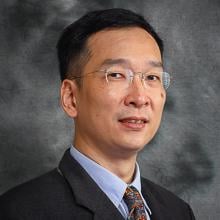
Dr. Cheng-Siang Tan is an Associate Professor at the Faculty of Medicine and Health Sciences, Universiti Malaysia Sarawak (UNIMAS). He is an expert in infectious and emerging diseases and biosafety and biorisk management.

Dr Ashfaq Ahmad Shah ('اشفاک'), born on 6 June 1992, from South Kashmir, Dodarkoot (ددیرکوٹ), Kulgam, Jammu and Kashmir, India, is the microbiologist/immunologist whose broad area of specialisation incorporates infection immunity. He served as a researcher at the Graphic Era (Deemed to be) University, Dehradun, UK, India, from 2020 to 2025. Currently he is working as a scientist and assistant professor at the University Centre for Research and Development at Chandigarh University. As a microbiology scientist, Dr Shah has pursued novel dimensions of infection immunity pertaining to the correlation and impact of elicitation-triggered phytoalexins and phytoanticipins on the benign immune system of human beings. This parameter of immunology is termed 'phytoalexin-immunomodulation scrutiny' in the contemporary era. Dr Shah's research encompasses a range of areas, including the investigation of anti-inflammatory and antimicrobial compounds; evaluation of antibiotic resistance; study of immunomodulatory activities; disease model studies; protease isolation against specific protein antigens; study of novel compounds via the hyphenated techniques of GCMS, HPLC, FTIR-MS, etc.; and the disciplines of Medicine and kalology, including tyrosinase inhibition, PPO inhibition, skin whitening agents, kerato-peeling, etc. Dr Ashfaq is a scientist, doctoral researcher, reviewer, and editorial member of several journals and books of national and international repute. He has contributed extensively to scientific literature by publishing his research in journals of national and international repute. So far he has published more than forty infection/immunology/pharmacology scientific papers in Scopus and SCIE-indexed journals, including two international books. In recognition of his contributions, Dr Shah received the Young Scientist Award in August 2023 for his groundbreaking academic performance in the field of infection immunity. Dr Shah has also been an active editor of Wikipedia pages in the field of medical science since 2015, with more than 1000 edits in medical topics available to medical literature worldwide. Dr Shah has also submitted his NGS work, like nucleotide sequences of mutated genes, to the gene banks like the National Library of Medicine (NCBI) USA.gov.

Dr. Tay has researched antibodies and diseases like malaria and SARS-CoV-2 at A*STAR. His focus is on discovering methods for developing antibodies that can be used in therapies against multidrug-resistant pathogens.
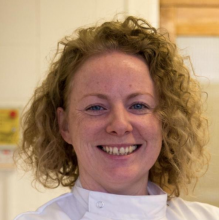
Professor Crumlish has researched aquatic microbial diseases, specifically ones that have economic impact in global aquaculture, and potential solutions to such infectious diseases. Her current project seeks to develop vaccines against antimicrobial resistance in aquaculture.

Dr. Ikhsan is an associate professor at the Department of Aquaculture, University Putra Malaysia. She specializes in the field of Aquatic Microbial Ecology particularly in the development of innovative and sustainable microbial management strategies through understanding of the host-microbe interaction for enhanced microbial stability.

Dr. Bifani is a principal investigator at A*STAR ID Labs at their Antimicrobial Resistance Lab. He has extensively researched antimicrobial resistance in tuberculosis and malaria. He is also an associate professor and research director at the Yong Yoo Lin School of Medicine, National University of Singapore.
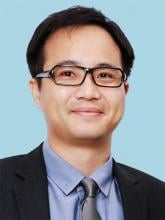
Dr. Deng is a biomedical scientist with a special interest in bacterial virulence, including gene regulation, signaling pathways, and RNA epigenetics. He has worked on virulence regulation in pathogens to discover new therapies against bacterial infections.

Dr. Mitchell is a professor at the Department of Biological Sciences, Ulsan National Institute of Science and Technology (UNIST). His primary research interest is the study of bacterial strains that attack and prey on other bacteria, including antimicrobial-resistant pathogens.

Dr. Soojin Jang heads the Antibacterial Resistance Research Laboratory at Institut Pasteur Korea, where her team focuses on discovering new antibacterial agents for “superbugs” or bacteria resistant to most antibiotics.

Department of Microbiology / Biomolecular Sciences
Universiti Teknologi MARA
Malaysia
Myungin Baek is currently an Assistant Professor at Daegu Gyeongbuk Institute of Science and Technology (DGIST).
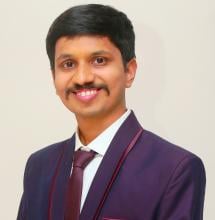

Aparna B. Gunjal is a microbiologist at Dr. D.Y. Patil, Arts, Commerce & Science College, India.
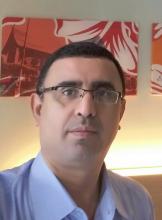
Professor Ahmed Al-Haddad, M.Sc., Ph.D. (Germany) is currently Professor of Microbiology and Medical Microbiology at College of Medicine and Health Sciences, Hadhramout University-Yemen.
He is the Founding-Dean of the first Faculty of Nursing in Yemen. He has over fifteen years of research and teaching experience in various domains of life sciences.
Al-Haddad has published many peer reviewed articles and conference papers in the areas of molecular biology, microbiology and antibiotics in National and International journals.
He is reviewer in different national and international Scientific Journals such as Annals of Clinical Microbiology and Antimicrobials, Journal of Microbiology and Antimicrobials, Sultan Qaboos University Medical Journal, British Biotechnology Journal.
He is a member of various national and international scientific organizations.
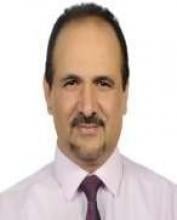
Professor and Head of Microbiology and Immunology Department,
Faculty of Medicine, Lincoln University College (LUC) Malaysia.

Currently Associate Professor at Universiti Putra Malaysia. Holds a PhD from University College of Wales and BSc (Hons) Genetics from the University of Liverpool
Giants in history
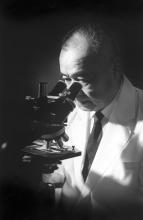
Minoru Shirota (April 23, 1899 – March 10, 1982) was a Japanese microbiologist who invented the popular fermented drink Yakult.
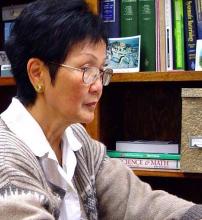
Roseli Ocampo-Friedmann (23 November 1937 – 4 September 2005) was a Filipino-American scientist whose research focused on cyanobacteria and microorganisms that inhabit extreme environments.