

Japan
News

25 Sep 2024
Osaka Metropolitan University
Study shows that ancient reef-building stromatoporoids survived the Late Devonian extinction and continued to thrive during the Carboniferous Period

24 Sep 2024
Osaka Metropolitan University
Propylene production harnesses biodiesel waste byproduct

24 Sep 2024
Tohoku University
Analyzing fossils can be difficult – especially when they're so small that they can only be seen with a microscope. Researchers at Tohoku University have come up with a solution.

24 Sep 2024
The University of Osaka
A research team from Osaka University has discovered a novel mechanism essential for initiating autophagy. The study highlights the role of ZDHHC13, an enzyme that palmitoylates ULK1, in triggering autophagy. This discovery sheds light on the molecular pathways involved in autophagy and their implications for diseases such as cancer, neurodegenerative disorders, and aging-related conditions.

20 Sep 2024
The University of Osaka
Researchers from Osaka University studied the neurological control applied to human walking that maintains the correct relationship between the leg positions. They found that the rhythm of each leg continues independently unless they become too far out of phase. This work can lead to better care for people who have difficulty walking due to age or neurological issues.

20 Sep 2024
Osaka Metropolitan University
Incidence, risk factors found for pulmonary aspergillosis, an invasive fungal infection of lungs, among COVID-19 patients

19 Sep 2024
The University of Osaka
Researchers from Osaka University found that antibiotic-resistant bacteria are fatter and shorter than their antibiotic-sensitive parental strains, and that these morphological changes correlate with changes in the expression of genes related to energy metabolism and antibiotic resistance. A machine learning approach was able to distinguish between antibiotic-resistant and antibiotic-sensitive bacteria in the absence of drug treatment based on microscope images, suggesting that bioinformatics could be used to detect antibiotic resistance in patient samples.

19 Sep 2024
Osaka Metropolitan University
Light-induced immunoassay coated with novel coronavirus spike proteins found highly sensitive even with weak light like a laser pointer

17 Sep 2024
The University of Osaka
A recent study from Osaka University reveals that intensive diabetes treatment can improve periodontal disease inflammation. Researchers found that two weeks of intensive diabetes treatment under hospitalization for patients with type 2 diabetes significantly improved not only blood sugar control but also PISA, an indicator of gum disease inflammation. Furthermore, the improvement in PISA was related to factors such as insulin secretion capacity and the severity of diabetes complications and comorbidities before diabetes treatment. These findings suggest that early intervention in diabetes is crucial for improving gum disease in diabetic patients.

13 Sep 2024
The University of Osaka
Researchers from Osaka University found that T cells recognize neoself-antigens––abnormal, unfolded host proteins presented by major histocompatibility complex II (MHC-II) lacking the invariant chain––as non-self antigens, leading to the development of autoimmunity. Reactivation of Epstein–Barr virus, a known risk factor for lupus onset and exacerbation, increases the presentation of neoself-antigens by MHC-II, which could help explain the link between viral infection and autoimmune disease.

13 Sep 2024
Institute for Integrated Cell-Material Sciences (iCeMS) at Kyoto University
A better understanding of how cells regulate their membranes could lead to new treatments for diseases such as epilepsy and anemia.

13 Sep 2024
Kavli Institute for the Physics and Mathematics of the Universe (Kavli IPMU)
An international team of researchers has found a simple relationship between the rates of energy and information transmission across an interface connecting two quantum field theories.

13 Sep 2024
Osaka Metropolitan University
Mutant microalgae produce wax esters for biofuel feedstock with improved cold flow

12 Sep 2024
Osaka Metropolitan University
Whether immunotherapy or conventional chemotherapy carries less mortality risk depends on BMI

12 Sep 2024
The University of Osaka
Researchers from Osaka University created ‘smart’ microparticles that self-assemble in response to the addition of a specific molecule. This work can help explain the behavior of biomolecular complexes, as well as pave the way for novel polymers that respond to their environment.

12 Sep 2024
The University of Osaka
Researchers from Osaka University fabricated copolymers with chiral backbones based on indacenodithiophene. Spin-coated films of the copolymers behaved differently toward currents with opposite polarization, resulting in chirality-induced spin selectivity. The magnitude of this selectivity was quantified as a spin polarization of almost 70%, which is among the highest achieved to date for a chiral polymer. These chiral copolymer films are attractive for use as spin filters in spintronics applications.

11 Sep 2024
Osaka Metropolitan University
Cleaner wrasse check their body size before fights due to having their own mental representation

11 Sep 2024
Tohoku University
How can we make certain electrochemical reactions faster and more efficient? Researchers at Tohoku University investigated the use of Co X-ides for the electrocatalytic hydrogenation of quinoline.

11 Sep 2024
The University of Osaka
Researchers from Monash University and Osaka University find that administering regulatory T cells (Tregs) to a tissue injury can promote healing. The team locally treated mouse bone, muscle, and skin injuries with Tregs, resulting in significant tissue regeneration and wound healing compared with control treatments. Mechanistically, Tregs can promote tissue monocyte and macrophage switching to an anti-inflammatory state, specifically by secreting signaling molecules like interleukin-10. These data demonstrate the strong potential of using Tregs as a cell-based therapy for regenerative medicine.

10 Sep 2024
The University of Osaka
Researchers from Osaka University have designed and synthesized a new organic semiconductor for organic solar cells (OSCs). By adding specific side units to their structure, they achieved separation between the frontier molecular orbitals, leading to lower exciton binding energy and increased power conversion efficiency. This tuning of the design of an acceptor component is expected to increase the performance of OSCs leading to more effective large-scale photovoltaic systems and new devices.

09 Sep 2024
Hiroshima University
Studied oxidative stress and Parkinson’s disease as a case study

09 Sep 2024
Kanazawa University
Researchers at the Nano Life Science Institute (WPI-NanoLSI), Kanazawa University, develop a biosensor that improves sensitivity to 1-methylnicotinamide (1-MNA) in urine by orders of magnitude without the need for sample purification.

09 Sep 2024
Osaka Metropolitan University
Suppression of an enzyme might allow melanocytes to recover

05 Sep 2024
Hokkaido University
Medaka fish that lacked functional Hmgn2 genes were unable to distinguish between simple shapes, revealing a new function for the regulatory gene.

05 Sep 2024
Institute for Integrated Cell-Material Sciences (iCeMS) at Kyoto University
New filter removes chemical contaminants from water even at very low concentrations

05 Sep 2024
The University of Osaka
Researchers from Osaka University have identified key immune cells that respond to the COVID-19 mRNA vaccination. These cells, known as activated atypical B cells, are increased in blood samples from people who have been vaccinated against COVID-19. Additionally, people with higher levels of these cells have more antibodies to fight the COVID-19 virus. These findings should help researchers assess how well people respond to the vaccine and help improve the design of new vaccines.

05 Sep 2024
Tohoku University
A capacitor is like a highspeed battery that can quickly store and release energy. What happens when it becomes “super?” Researchers at Tohoku University have potential solutions to improve energy-efficiency.

04 Sep 2024
Osaka Metropolitan University
Foaming plastic carriers creates uneven surfaces, more area for necessary microorganisms

04 Sep 2024
Osaka Metropolitan University
Feeder-free induced pluripotent stem cells hold hope in therapies for cats’ chronic kidney disease

04 Sep 2024
The University of Osaka
A study highlights that children with ADHD frequently experience sleep problems, potentially linked to lower levels of melatonin, a hormone crucial for regulating sleep. Genetic variations that reduce melatonin levels at night are associated with more severe ADHD symptoms in children aged 8-9. The research suggests that improving sleep habits, such as increasing morning sunlight exposure and reducing evening screen time, could help manage ADHD symptoms. This underscores the importance of addressing sleep issues as a possible way to alleviate ADHD symptoms in children.
Researchers
Sorry, no researchers coming up for this topic.
Giants in history

Japanese biochemist Akira Endo (1933 – 2024) discovered the first statin, called mevastatin, which lowered cholesterol levels in the blood by inhibiting a key enzyme in the cholesterol biosynthesis pathway. His work laid the foundation for the development of statins to help patients lower their blood cholesterol levels and reduce their risk of heart disease or stroke.
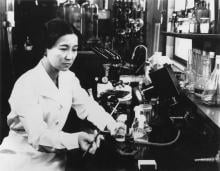
Ruby Sakae Hirose (1904 – 1960) was a Japanese-American scientist whose research contributed significantly to our understanding of blood clotting, allergies and cancer.
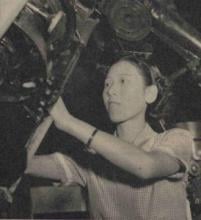
Haisako Koyama (1916 – 1997) was a Japanese solar observer whose dedication to recording sunspots – cooler parts of the sun’s surface that appear dark – produced a sunspot record of historic importance.
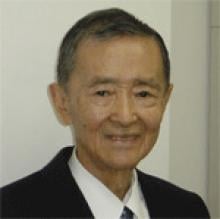
Michiaki Takahashi (17 February 1928 – 16 December 2013) was a Japanese virologist who developed the first chickenpox vaccine.
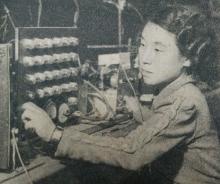
Toshiko Yuasa (11 December 1909 – 1 February 1980) was the first Japanese female physicist whose research on radioactivity shed light on beta decay – the process in which an atom emits a beta particle (electron) and turns into a different element.
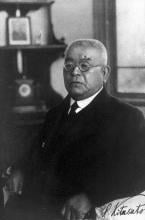
Baron Kitasato Shibasaburo (29 January 1856 – 13 June 1931) was a Japanese physician and bacteriologist whose work led to a new understanding of preventing and treating tetanus, diphtheria and anthrax.
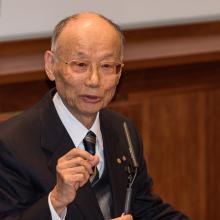
By isolating soil microorganisms and studying the compounds they produce, Satoshi Omura (born 1935) discovered almost 500 organic compounds with unique properties that were produced by these microorganisms, including many new antibiotics.
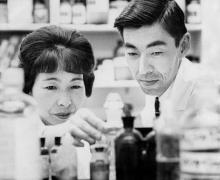
Husband and wife team, Kimishige (3 December 1925 – 6 July 2018) and Teruko Ishizaka (28 September 1926 – 4 June 2019) discovered the antibody class Immunoglobulin E (IgE) that triggers allergic reactions. They also discovered that IgE antibodies attach to white blood cells, known as mast cells, releasing histamine, which causes allergic reactions.
Husband and wife team, Kimishige (3 December 1925 – 6 July 2018) and Teruko Ishizaka (28 September 1926 – 4 June 2019) discovered the antibody class Immunoglobulin E (IgE) that triggers allergic reactions. They also discovered that IgE antibodies attach to white blood cells, known as mast cells, releasing histamine, which causes allergic reactions.
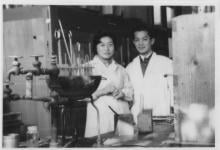
Reiji Okazaki (8 October 1930 – 1 August 1975) and Tsuneko (7 June 1933) were a Japanese couple who discovered Okazaki fragments – short sequences of DNA that are synthesized during DNA replication and linked together to form a continuous strand.
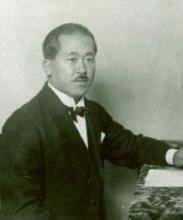
In 1915, Koichi Ichikawa along with pathologist Katsusaburo Yamagiwa became the first to prove that chronic exposure to chemicals can cause cancer.
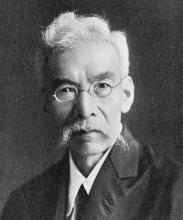
In 1915, pathologist Katsusaburo Yamagiwa and his research assistant Koichi Ichikawa became the first to prove that chronic exposure to chemicals can cause cancer.
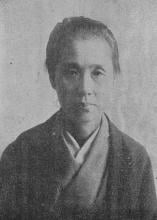
Ogino Ginko (3 March 1851 – 23 June 1913) was the first registered female doctor to practise modern medicine in Japan.
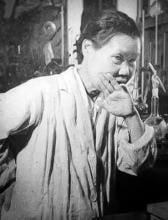
Michiyo Tsujimura (17 September 1888 – 1 June 1969) was a Japanese agricultural scientist and biochemist recognized for her research of green tea components.
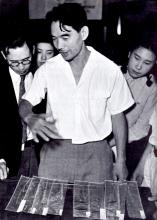
Hitoshi Kihara (1893 – 1986) was one of the most famous Japanese geneticists of the 20th century. One of his most significant contributions was identifying sex chromosomes (X and Y) in flowering plants.
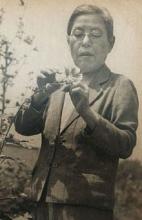
Kono Yasui (16 February 1880 – 24 March 1971) was a Japanese botanist who researched the genetics of poppies, corn and spiderworts and surveyed the plants that had been affected by the nuclear fallout after the atomic bombings of Hiroshima and Nagasaki.
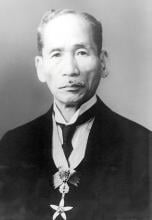
Umetaro Suzuki (7 April 1874 – 20 September 1943) was a Japanese scientist best remembered for his research on beriberi, a disease caused by vitamin B1 deficiency, characterized by limb stiffness, paralysis and pain.
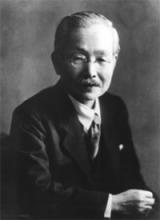
Kikunae Ikeda (8 October 1864 – 3 May 1936) was a Japanese chemist who discovered the fifth basic taste, umami.
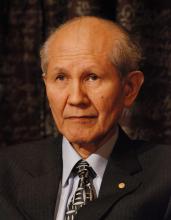
Osamu Shimomura (27 August 1928 – 19 October 2018) was a Japanese organic chemist and marine biologist who dedicated his career to understanding how organisms emitted light.
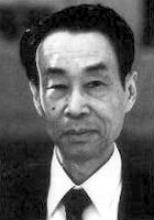
Motoo Kimura (13 November 1924 – 13 November 1994) was a Japanese theoretical population geneticist who is best remembered for developing the neutral theory of molecular evolution.

Chika Kuroda (24 March 1884 – 8 November 1968) was a Japanese chemist whose research focussed on the structures of natural pigments.
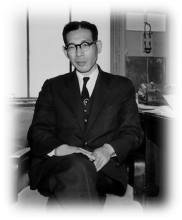
The field of solid-state ionics originated in Europe, but Takehiko Takahashi of Nagoya University in Japan was the first to coin the term ‘solid ionics’ in 1967. ‘Solid-state ionics’ first appeared in 1971 in another of his papers, and was likely a play on ‘solid-state electronics’, another rapidly growing field at the time.
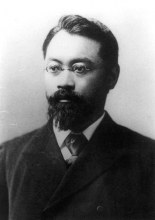
The techniques that make industrial pearl culturing possible were developed over a century ago at the Misaki Marine Biological Station in Japan. The station’s first director, Professor Kakichi Mitsukuri, emphasized to Kokichi Mikimoto in 1890 that stimulating pearl sac formation was important for pearl growth, and they went on to successfully develop methods for culturing pearls.
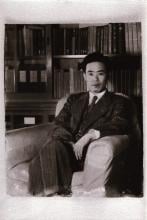
Japanese physicist Ukichiro Nakaya (1900-1962) made the world’s first artificial snowflakes. He started his research on snow crystals in the early 1930s at Hokkaido University, where there is an unlimited supply of natural snow in winter. By taking over 3,000 photographs, he established a classification of natural snow crystals and described their relationship with weather conditions.
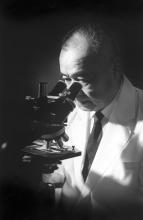
Minoru Shirota (April 23, 1899 – March 10, 1982) was a Japanese microbiologist who invented the popular fermented drink Yakult.
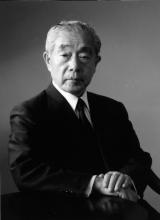
Japanese chemist Kenichi Fukui (4 October 1918 – 9 January 1998) was the first Asian scientist to be awarded the Nobel Prize in Chemistry. Together with Roald Hoffman, he received this honour in 1981 for his independent research into the mechanisms of chemical reactions.
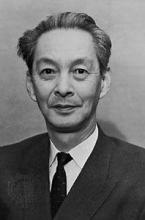
Shinichiro Tomonaga (31 March 1906 – 8 July 1979), together with Richard Feynman and Julian Schwinger, was awarded the Nobel Prize in Physics in 1965, for their contributions to advance the field of quantum electrodynamics. Tomonaga was also a strong proponent of peace, who actively campaigned against the proliferation of nuclear weapons and promoted the peaceful use of nuclear energy.
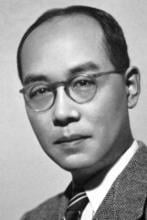
Hideki Yukawa (23 January 1907 – 8 September 1981) was awarded the Nobel Prize in Physics in 1949 for predicting the existence of the pi meson subatomic particle. Japan’s first Nobel laureate, Yakawa also expressed his support for nuclear disarmament by signing the Russell–Einstein Manifesto in 1955.
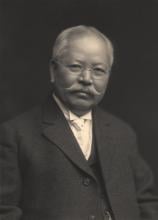
Japanese chemist Takamine Jokichi (3 November 1854 – 22 July 1922) founded the Tokyo Artificial Fertilizer Company, where he isolated a starch-digesting enzyme (named takadiastase) from the fungus Aspergillus oryzae.
Tsuneko (7 June 1933) and Reiji Okazaki (8 October 1930 – 1 August 1975) were a Japanese couple who discovered Okazaki fragments – short sequences of DNA that are synthesized during DNA replication and linked together to form a continuous strand.
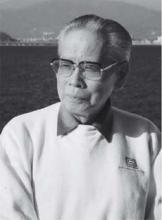
A Japanese surgeon, Tetsuzo Akutsu (20 August 1922 – 9 August 2007) built the first artificial heart capable of keeping an animal alive.
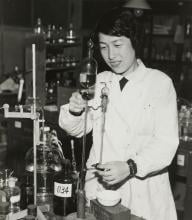
Japanese geochemist Katsuko Saruhashi developed the first method and tools for measuring carbon dioxide in seawater