
Japan
News
31 Mar 2022
Institute of Industrial Science, The University of Tokyo (UTokyo-IIS)
A team led by a Institute of Industrial Science, The University of Tokyo researcher has created a model to probe the role of emergent elastic fields in chiral molecular crystals
30 Mar 2022
Hokkaido University
Researchers have discovered argon trapped in air-hydrate crystals in ice cores, which can be used to reconstruct past temperature changes and climate shifts.
30 Mar 2022
Hiroshima University
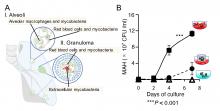
Mycobacteria are a group of pathogenic bacteria that cause diseases like leprosy and tuberculosis in humans. Now, a new study by scientists at Hiroshima University finds that mycobacteria are associated with red blood cells at lung infection sites, an interaction that has escaped scientific notice for 140 years since the discovery of the organism causing tuberculosis.
25 Mar 2022
Osaka City University
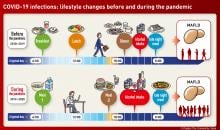
In a retrospective study drawing data from 973 participants between 2018 and 2020, researchers find that cases of metabolic dysfunction-associated fatty liver disease (MAFLD) increased from 22 pre-pandemic to 44 mid. Additionally, univariate and multivariate analysis of lifestyle habits reveal late-night meals pre-pandemic and increased alcohol intake mid-pandemic as independent lifestyle predictors of developing the disease.
24 Mar 2022
Asia Research News
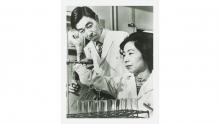
Giants in History: Husband and wife team, Kimishige (3 December 1925 – 6 July 2018) and Teruko Ishizaka (28 September 1926 – 4 June 2019) discovered the antibody class Immunoglobulin E (IgE) that triggers allergic reactions.
23 Mar 2022
Osaka City University
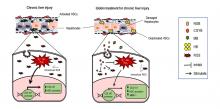
Researchers have discovered in mice an additional use of globins as an intravenous drug that can delay liver fibrosis progression. Last year, the application of recombinant human cytoglobin (CYGB) as a protein therapeutic agent against liver damage and cirrhosis was published in Hepatology (Hepatology 2021,73:2527-2545) by Professor Norifumi Kawada’s research group. Here, they studied the antifibrotic properties of the globin family members hemoglobin (HB), myoglobin (MB), and neuroglobin (NGB) in comparison with CYGB. All globins demonstrated greater antioxidant capacity than glutathione in cell-free systems. Interestingly, all globins, except HB, could enter the cells and inhibit the collagen synthesis leading to a suppression of fibrosis development both in vitro and in vivo. The study was published in the journal Redox Biology.
16 Mar 2022
Hiroshima University
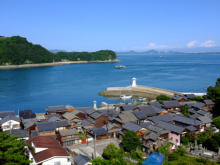
The small-scale, community-led Shiosai art fair embodies a revitalizing tourism approach that has breathed new life into the aging island village of Mitarai.
15 Mar 2022
Earth-Life Science Institute (ELSI), Tokyo Institute of Technology
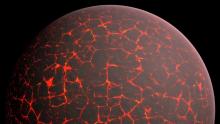
Unlike most traditional Japanese universities, the Earth-Life Science Institute (ELSI) at Tokyo Institute of Technology has created a ‘flat’ and diverse research environment. On its ten-year anniversary, Outgoing Director Kei Hirose shares what is special about the institute and the secret behind its successful management.
15 Mar 2022
Earth-Life Science Institute (ELSI), Tokyo Institute of Technology
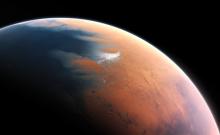
The Earth-Life Science Institute (ELSI) based at Tokyo Institute of Technology will reach a turning point this year. For the first time in its 10-year history, it will extend the scope of its initial research theme, "The Origins and Evolution of the Earth and Life", to include searching for evidence of extra-terrestrial life. ELSI’s new director, Yasuhito Sekine, told Asia Research News what they hope to achieve in the next phase and how.
15 Mar 2022
Osaka City University
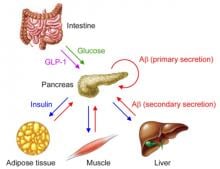
A research group has revealed that amyloid-β (Aβ) detected in blood is secreted from peripheral tissues (pancreas, adipose tissue, skeletal muscle, liver, etc.) that are sensitive to glucose and insulin. Also, that Aβ secreted from peripheral tissues acts as a regulator on pancreatic β-cells to suppress insulin secretion. The results of this study indicate that blood Aβ levels fluctuate significantly with diet, and special care should be taken when using blood samples as a diagnostic marker for Alzheimer's disease, such as taking blood samples during fasting.
14 Mar 2022
Kanazawa University
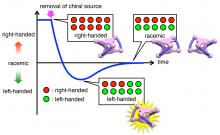
Researchers at Kanazawa University report in Proceedings of the National Academy of Sciences a responsive molecular system that, through chemical reactions, inverses its chirality before becoming racemic.
14 Mar 2022
Hokkaido University
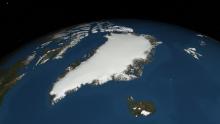
As a result of global warming in the 21st century, the Greenland ice sheet may contribute several metres to sea-level rise in the centuries to come; however, effective climate change mitigation measures will greatly reduce its decay.
14 Mar 2022
Kavli Institute for the Physics and Mathematics of the Universe (Kavli IPMU)
Mathematician Yukari Ito was excited at first to work from home. There was no need to commute to her office at the Kavli Institute for the Physics and Mathematics of the Universe, where she is professor, and she could attend seminars by mathematicians around the world from her living room. But there are also challenges, so she hopes some things will go back to the way they used to be.
14 Mar 2022
Hokkaido University
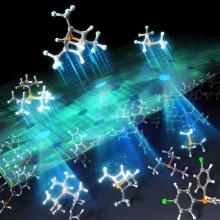
Researchers aim to streamline the time- and resource-intensive process of screening ligands during catalyst design by using virtual ligands.
12 Mar 2022
Hokkaido University
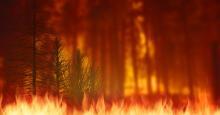
A recent summertime climate pattern could be driving co-occurring European heatwaves and large-scale wildfires over Siberia, Canada and Alaska.
11 Mar 2022
Hokkaido University
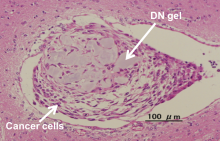
A soft hydrogel could help scientists find treatments for drug-resistant cancer stem cells.
10 Mar 2022
Hokkaido University
Scientists have developed a model that predicts six tropical fish species will expand into northern parts of Japan as sea temperatures rise.
09 Mar 2022
Hokkaido University
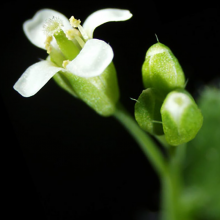
Scientists from Hokkaido University and colleagues have identified a pathway that accelerates plant flowering in low-nitrogen soils — a finding that could help enhance agricultural production.
08 Mar 2022
Hokkaido University
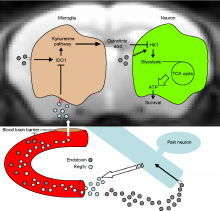
A research team led by the National Institute for Physiological Sciences and joined by Hokkaido University explored the role of pain neurons in the regulation of endotoxic death. They found that peptide named Reg3γ acts as a pain neuron-enriched brain-targeted hormone that protects the host from endotoxic death.
08 Mar 2022
Osaka City University
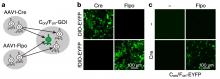
Scientists develop a method to genetically label neurons with a single gene of interest in mice by combining the anterograde transsynaptic spread of adeno-associated virus serotype 1 (AAV1) with intersectional gene expression. In two distinct circuits: the retina/primary visual cortex to the superior colliculus and the bilateral motor cortex to the dorsal striatum, injections of AAV1 expressing either Cre or Flpo recombinases and the Cre/Flpo double-dependent AAV into two upstream regions and the downstream region, respectively, were used to label postsynaptic neurons receiving inputs from the two upstream regions.
08 Mar 2022
Earth-Life Science Institute (ELSI), Tokyo Institute of Technology
The Earth-Life Science Institute (ELSI) in Tokyo launches a new integrated graduate course exploring the origin and evolution of life and planets.
08 Mar 2022
National Institute for Materials Science (NIMS)
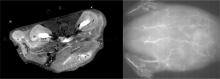
A nanoparticle’s size is fine-tuned to offer high-resolution images before and during surgical procedures.
08 Mar 2022
Institute of Industrial Science, The University of Tokyo (UTokyo-IIS)
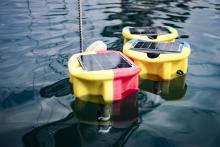
Device designers at the University of Tokyo are developing cheap and accessible ways to monitor and explore the sea.

08 Mar 2022
National Institute for Materials Science (NIMS)
A magnetic hybrid system generates electricity day and night with radiative cooling and solar heating.
08 Mar 2022
National Institute for Materials Science (NIMS)
A novel biomaterial promotes bone tissue regrowth, showing promise for surgical procedures.

08 Mar 2022
National Institute for Materials Science (NIMS)
A quick, cost-effective approach improves the accuracy with which machine learning models can predict the properties of new materials.
28 Feb 2022
Osaka City University
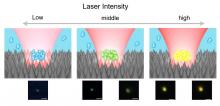
Scientists demonstrate an optical trapping technique using nanotextured black silicon that can efficiently trap polymer chains. By adjusting the laser intensity, these “optical tweezers” can control the florescence color emitted through a local concentration of a perylene-modified polymer solution. From a low intensity blue to high intensity orange, this reversible and fully remote technology can almost reach the entire RGB spectrum.
25 Feb 2022
Hokkaido University
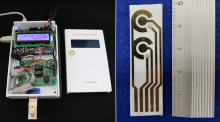
Scientists have developed a prototype sensor that could help doctors rapidly measure adenosine triphosphate (ATP) and lactate levels in blood samples from patients, aiding in the rapid assessment of the severity of some diseases.
25 Feb 2022
Hiroshima University
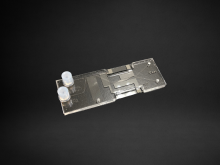
A Japanese research team created a new way to sort living cells suspended in fluid using an all-in-one operation in a lab-on-chip that required only 30 minutes for the entire separation process.
24 Feb 2022
Asia Research News
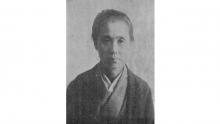
Giants in History: Ogino Ginko (3 March 1851 – 23 June 1913) was the first registered female doctor to practise modern medicine in Japan. After contracting gonorrhoea from her first husband and being embarrassed from having to seek medical attention from male doctors, Ginko resolved to become a doctor to help women in similar situations.
Researchers
Sorry, no researchers coming up for this topic.
Giants in history

Japanese biochemist Akira Endo (1933 – 2024) discovered the first statin, called mevastatin, which lowered cholesterol levels in the blood by inhibiting a key enzyme in the cholesterol biosynthesis pathway. His work laid the foundation for the development of statins to help patients lower their blood cholesterol levels and reduce their risk of heart disease or stroke.
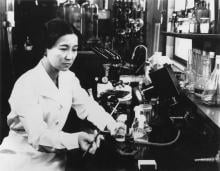
Ruby Sakae Hirose (1904 – 1960) was a Japanese-American scientist whose research contributed significantly to our understanding of blood clotting, allergies and cancer.
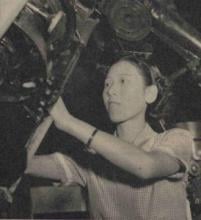
Haisako Koyama (1916 – 1997) was a Japanese solar observer whose dedication to recording sunspots – cooler parts of the sun’s surface that appear dark – produced a sunspot record of historic importance.
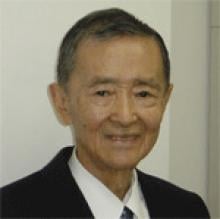
Michiaki Takahashi (17 February 1928 – 16 December 2013) was a Japanese virologist who developed the first chickenpox vaccine.
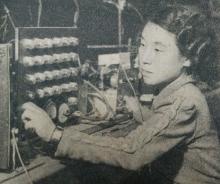
Toshiko Yuasa (11 December 1909 – 1 February 1980) was the first Japanese female physicist whose research on radioactivity shed light on beta decay – the process in which an atom emits a beta particle (electron) and turns into a different element.
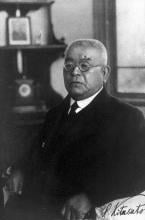
Baron Kitasato Shibasaburo (29 January 1856 – 13 June 1931) was a Japanese physician and bacteriologist whose work led to a new understanding of preventing and treating tetanus, diphtheria and anthrax.
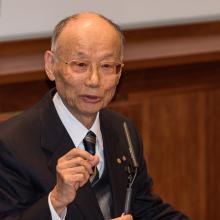
By isolating soil microorganisms and studying the compounds they produce, Satoshi Omura (born 1935) discovered almost 500 organic compounds with unique properties that were produced by these microorganisms, including many new antibiotics.
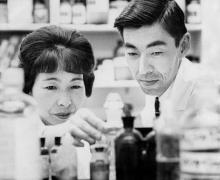
Husband and wife team, Kimishige (3 December 1925 – 6 July 2018) and Teruko Ishizaka (28 September 1926 – 4 June 2019) discovered the antibody class Immunoglobulin E (IgE) that triggers allergic reactions. They also discovered that IgE antibodies attach to white blood cells, known as mast cells, releasing histamine, which causes allergic reactions.
Husband and wife team, Kimishige (3 December 1925 – 6 July 2018) and Teruko Ishizaka (28 September 1926 – 4 June 2019) discovered the antibody class Immunoglobulin E (IgE) that triggers allergic reactions. They also discovered that IgE antibodies attach to white blood cells, known as mast cells, releasing histamine, which causes allergic reactions.
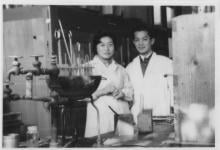
Reiji Okazaki (8 October 1930 – 1 August 1975) and Tsuneko (7 June 1933) were a Japanese couple who discovered Okazaki fragments – short sequences of DNA that are synthesized during DNA replication and linked together to form a continuous strand.
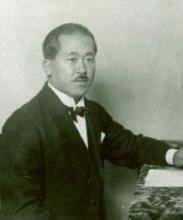
In 1915, Koichi Ichikawa along with pathologist Katsusaburo Yamagiwa became the first to prove that chronic exposure to chemicals can cause cancer.
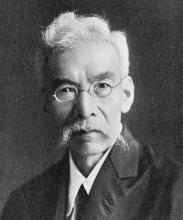
In 1915, pathologist Katsusaburo Yamagiwa and his research assistant Koichi Ichikawa became the first to prove that chronic exposure to chemicals can cause cancer.
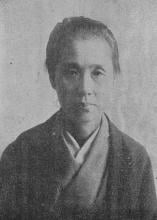
Ogino Ginko (3 March 1851 – 23 June 1913) was the first registered female doctor to practise modern medicine in Japan.
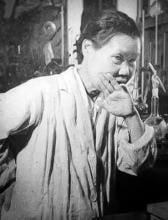
Michiyo Tsujimura (17 September 1888 – 1 June 1969) was a Japanese agricultural scientist and biochemist recognized for her research of green tea components.
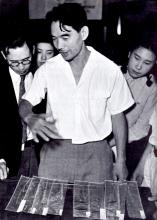
Hitoshi Kihara (1893 – 1986) was one of the most famous Japanese geneticists of the 20th century. One of his most significant contributions was identifying sex chromosomes (X and Y) in flowering plants.
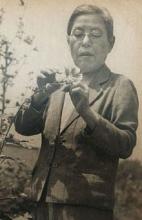
Kono Yasui (16 February 1880 – 24 March 1971) was a Japanese botanist who researched the genetics of poppies, corn and spiderworts and surveyed the plants that had been affected by the nuclear fallout after the atomic bombings of Hiroshima and Nagasaki.
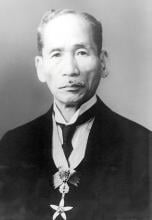
Umetaro Suzuki (7 April 1874 – 20 September 1943) was a Japanese scientist best remembered for his research on beriberi, a disease caused by vitamin B1 deficiency, characterized by limb stiffness, paralysis and pain.
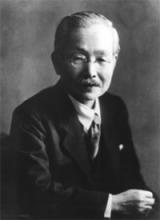
Kikunae Ikeda (8 October 1864 – 3 May 1936) was a Japanese chemist who discovered the fifth basic taste, umami.
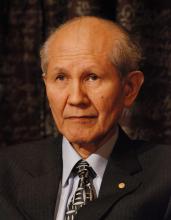
Osamu Shimomura (27 August 1928 – 19 October 2018) was a Japanese organic chemist and marine biologist who dedicated his career to understanding how organisms emitted light.
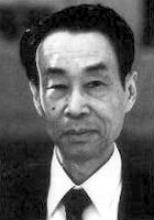
Motoo Kimura (13 November 1924 – 13 November 1994) was a Japanese theoretical population geneticist who is best remembered for developing the neutral theory of molecular evolution.

Chika Kuroda (24 March 1884 – 8 November 1968) was a Japanese chemist whose research focussed on the structures of natural pigments.
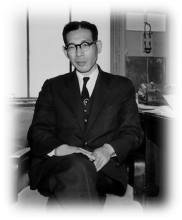
The field of solid-state ionics originated in Europe, but Takehiko Takahashi of Nagoya University in Japan was the first to coin the term ‘solid ionics’ in 1967. ‘Solid-state ionics’ first appeared in 1971 in another of his papers, and was likely a play on ‘solid-state electronics’, another rapidly growing field at the time.
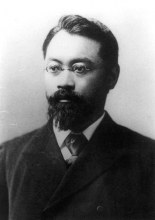
The techniques that make industrial pearl culturing possible were developed over a century ago at the Misaki Marine Biological Station in Japan. The station’s first director, Professor Kakichi Mitsukuri, emphasized to Kokichi Mikimoto in 1890 that stimulating pearl sac formation was important for pearl growth, and they went on to successfully develop methods for culturing pearls.
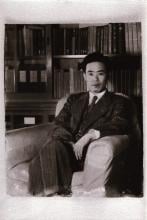
Japanese physicist Ukichiro Nakaya (1900-1962) made the world’s first artificial snowflakes. He started his research on snow crystals in the early 1930s at Hokkaido University, where there is an unlimited supply of natural snow in winter. By taking over 3,000 photographs, he established a classification of natural snow crystals and described their relationship with weather conditions.
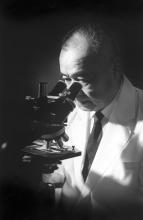
Minoru Shirota (April 23, 1899 – March 10, 1982) was a Japanese microbiologist who invented the popular fermented drink Yakult.
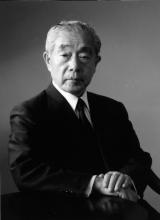
Japanese chemist Kenichi Fukui (4 October 1918 – 9 January 1998) was the first Asian scientist to be awarded the Nobel Prize in Chemistry. Together with Roald Hoffman, he received this honour in 1981 for his independent research into the mechanisms of chemical reactions.
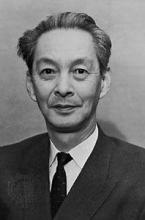
Shinichiro Tomonaga (31 March 1906 – 8 July 1979), together with Richard Feynman and Julian Schwinger, was awarded the Nobel Prize in Physics in 1965, for their contributions to advance the field of quantum electrodynamics. Tomonaga was also a strong proponent of peace, who actively campaigned against the proliferation of nuclear weapons and promoted the peaceful use of nuclear energy.
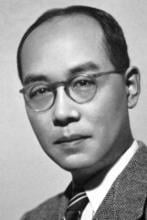
Hideki Yukawa (23 January 1907 – 8 September 1981) was awarded the Nobel Prize in Physics in 1949 for predicting the existence of the pi meson subatomic particle. Japan’s first Nobel laureate, Yakawa also expressed his support for nuclear disarmament by signing the Russell–Einstein Manifesto in 1955.
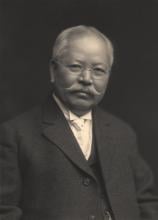
Japanese chemist Takamine Jokichi (3 November 1854 – 22 July 1922) founded the Tokyo Artificial Fertilizer Company, where he isolated a starch-digesting enzyme (named takadiastase) from the fungus Aspergillus oryzae.
Tsuneko (7 June 1933) and Reiji Okazaki (8 October 1930 – 1 August 1975) were a Japanese couple who discovered Okazaki fragments – short sequences of DNA that are synthesized during DNA replication and linked together to form a continuous strand.
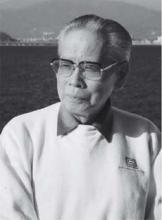
A Japanese surgeon, Tetsuzo Akutsu (20 August 1922 – 9 August 2007) built the first artificial heart capable of keeping an animal alive.
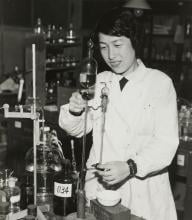
Japanese geochemist Katsuko Saruhashi developed the first method and tools for measuring carbon dioxide in seawater