

Japan
News
14 Jul 2022
Kavli Institute for the Physics and Mathematics of the Universe (Kavli IPMU)
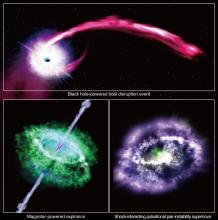
A team of astronomers including Kavli IPMU discovered a mysterious short-duration astronomical event that was as bright as a superluminous supernova, but evolving much faster, reports a new study.
12 Jul 2022
The University of Osaka
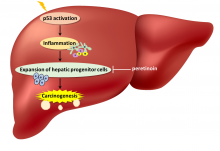
Osaka University researchers identified a novel mechanism by which expression of the tumor suppressor p53 paradoxically promotes liver cancer development in patients with chronic liver disease. By generating a mouse model with constant p53 expression in its liver cells, the team observed increased numbers of hepatic progenitor cells (HPCs) and liver cancer incidence. These HPCs could induce cancer when injected into certain mice. This did not occur with p53 deleted, demonstrating its critical significance.
11 Jul 2022
Hokkaido University
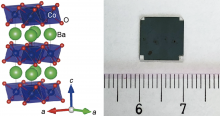
A thermoelectric metal oxide film with a thermoelectric figure of merit of ~0.55 at 600°C has been discovered, opening new avenues towards the widespread use of thermoelectric converters.
11 Jul 2022
Hokkaido University
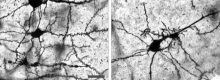
A novel molecular pathway involving cell signalling proteins in the brain may explain how stress affects neuropsychiatric lupus with diffuse neuropsychological manifestations.
11 Jul 2022
The University of Osaka
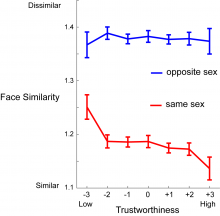
Researchers from Osaka University found that when viewing photos of strangers, ratings of trustworthiness were correlated with facial similarity as calculated by an artificial neural network. However, facial similarity was only a factor in trustworthiness when the observer and stranger were the same sex.
11 Jul 2022
The University of Osaka
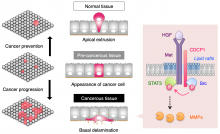
Researchers from Osaka University have shown that the oncogene-encoded molecule Src is responsible for epithelial cells developing invasive potential and overcoming the normal cellular defense of apical extrusion, but only when Src is located in lipid rafts in the cell membrane. Src is recruited and activated into lipid rafts by a molecule called CDCP1, which forms a molecular scaffold within the lipid rafts. CDCP1 could therefore be a promising new drug target for early-stage cancers.
06 Jul 2022
The University of Osaka
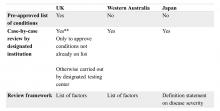
Researchers from Osaka University examined how disease severity is evaluated in the context of preimplantation genetic testing for single-gene diseases (PGT-M) by conducting case studies of the regulatory frameworks governing PGT-M in Japan, the United Kingdom, and Western Australia through analysis of relevant policy documents. Results of their study showed that how policies define the standard for disease severity that would justify PGT-M and how decisions are made regarding the eligibility of individual cases have important social and ethical implications.
06 Jul 2022
Osaka Metropolitan University
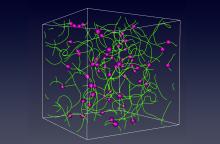
A research group of Professor Makoto Tsubota and Specially Appointed Assistant Professor Satoshi Yui, both from the Graduate School of Science and the Nambu Yoichiro Institute of Theoretical and Experimental Physics, Osaka Metropolitan University, in cooperation with their colleagues from Florida State University and Keio University, revealed that there are laws of vortex diffusion in superfluid helium-4 (He II) at extremely low temperatures, near absolute zero (−273°C). In this study, by conducting a systematic numerical study and comparing the results with experimental observations, the research group found that quantum vortices cause "superdiffusion" over short periods of time and "normal diffusion" over longer periods of time, similar to the movement of pollen in still water.
06 Jul 2022
Kanazawa University
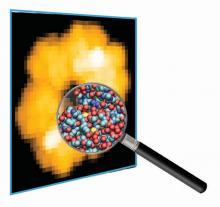
Atomic force microscopy (AFM) allows to visualize the dynamics of single biomolecules during their functional activity. All observations are, however, restricted to regions accessible by a fairly big probing tip during scanning. Hence, AFM images only the biomolecular surface with limited spatial resolution, missing important information required for a detailed understanding of the observed phenomena.

06 Jul 2022
The University of Osaka
Osaka University researchers described a novel effect in which the voltage generated by photovoltaic devices can change based on the color of incidence light. They show how this feature is due to random energy states that exist inside the antimony sulfiodide devices. This work may lead to more robust renewable energy generated by solar cells.
05 Jul 2022
Hokkaido University
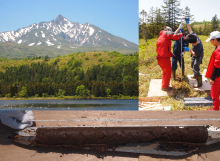
Scientists from Hokkaido University have reconstructed the climate of Hokkaido over the past 4400 years and have revealed that changes in the climate influenced changes in historic cultures during that time.
05 Jul 2022
The University of Osaka
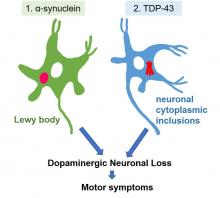
Researchers from Osaka University have described a case of clinically typical Parkinson’s disease with unusual changes in the brain. As well as the expected findings of cell loss and inflammation in disease-related brain regions, there were accumulations of the protein TDP-43 instead of the usual alpha-synuclein inclusions. This report suggests that TDP-43 accumulation can cause Parkinson’s disease-like symptoms and brain changes, which may be important for developing new treatments for this currently uncurable disease.
01 Jul 2022
Institute of Industrial Science, The University of Tokyo (UTokyo-IIS)
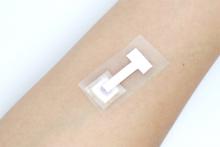
Researchers report a new, minimally invasive, antibody-based detection method for SARS-CoV-2 that could lead to the blood sample-free detection of many diseases
30 Jun 2022
The University of Osaka
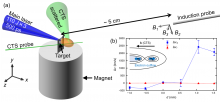
A research team led by Osaka University realized magnetic reconnection driven by electron dynamics in laser-produced plasmas and measured the pure electron outflows. Their findings will be applied not only to space and astrophysical plasmas, but also to magnetic propulsion and fusion plasmas.
30 Jun 2022
Hiroshima University
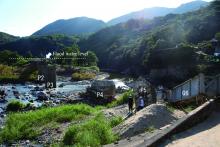
Researchers analyze the collapse of the Misasa Railroad Bridge in Japan — an infrastructure failure caused by unprecedented flooding back in 2018 — to inform future flood-resistant designs.
29 Jun 2022
Hokkaido University
The skin’s top layer contains a diverse set of hundreds of lipid molecules called ceramides with varying chain lengths that play a vital role in its barrier function.
29 Jun 2022
Osaka Metropolitan University
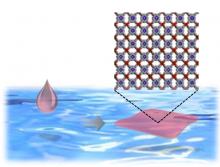
Rie Makiura, Associate Professor at the Graduate School of Engineering, Osaka Metropolitan University has published a review article on the facile synthesis of nanosheet materials with precise regular nanoscale pores. In 2010, Professor Makiura’s research group succeeded in fabricating the world's first MOF (metal-organic framework) nanosheets on the surface of water using a simple low-energy process. The procedure, which involved adding drops of suitably chosen molecular components to the water surface took advantage of the same phenomenon that causes the formation of oil films and led to the creation of nanosheets of exceptional integrity and stability. In the present review article, Professor Makiura describes the MOF nanosheets developed by her group so far and provides a detailed description of their characteristics and comparison with other MOF nanosheets reported around the world. In addition, she describes the formation mechanism of the MOF nanosheets on the water surface.
29 Jun 2022
Kanazawa University
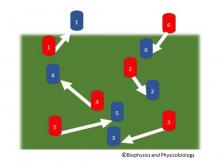
Researchers at Kanazawa University report in Biophysics and Physicobiology how to optimize high-speed atomic force microscopy experiments on live cell membranes, so that moving objects like molecules can be properly followed from frame to frame.
29 Jun 2022
Institute of Industrial Science, The University of Tokyo (UTokyo-IIS)
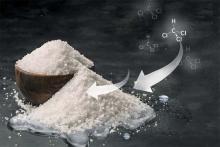
Researchers from the Institute of Industrial Science, The University of Tokyo, find that organic vapors can induce dissolution of molecular salts (i.e., organic deliquescence), similar to water vapor-induced deliquescence
28 Jun 2022
Hokkaido University
Hokkaido University (Location: Sapporo, Hokkaido, Japan) and NEC Corporation (NEC; TSE: 6701) have concluded a collaborative agreement to promote the realization of a “safe and secure society through spatial sensing" that helps to prevent the spread of illness.
27 Jun 2022
The University of Osaka
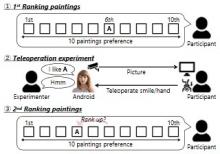
Osaka University researchers studied the effect of the “attitudes” of a semi-autonomous telepresence robot on its human operator. They found that when a person controlled only a part of the body of a semi-autonomous robot, its expressed opinions affected him or her. This work may help assist in the development of new semi-autonomous robots to perform labor more efficiently.
27 Jun 2022
Ehime University
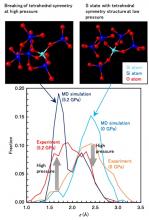
Understanding the structural origin of the anomalous properties of SiO2 liquid and glass is of great interest in a wide range of scientific fields. The fraction of the S state with tetrahedral symmetry structure is considered to be the controlling parameter of the anomalous properties of SiO2 liquid in theoretical studies. However, it has not been well identified in experiments. In this work, we find experimental evidence of tetrahedral symmetry breaking in SiO2 glass under pressure.
27 Jun 2022
The University of Osaka
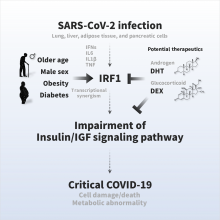
Researchers from Osaka University have found that infection with SARS-CoV-2 activates the expression of IRF1, a key regulator of insulin/IGF signaling in multiple tissues, leading to disruption of blood sugar metabolism and, in some cases, new onset of diabetes. Treating infected cells with hormonal factors that decreased IRF1 expression enhanced insulin/IGF signaling, suggesting that this approach could be used to mitigate some of the more severe side effects of COVID-19 in the future.

27 Jun 2022
The University of Osaka
Osaka University researchers develop a novel microfluidic chip that can detect very small concentrations of dissolved contaminants using just 100-picoliter sized samples. By using a terahertz point source, the detection area can be made very small. This work may lead to lab-on-a-chip technology for environmental and health care monitoring.
24 Jun 2022
Osaka Metropolitan University
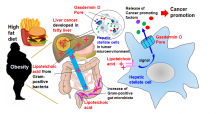
The formation of cell membrane pores is a major mechanism by which cancer-inducing proteins are released and hasten tumor development in nonalcoholic steatohepatitis-associated liver cancer.

24 Jun 2022
The University of Osaka
Osaka University researchers used sputtered silver to bond copper electrodes as part of 3D integrated circuits. By gently annealing the silver layers, enough surface roughness was created to connect the layers without added pressure. This work may lead to cheaper and smaller electronic devices that use less energy.
24 Jun 2022
The University of Osaka
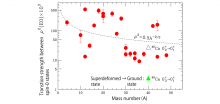
An international team led by Osaka University used experimental measurements and theoretical modeling to better understand the shape formed by the protons and neutrons in the atomic nucleus of calcium-40. They found that destructive interference affects the mixture of elongated and spherical states. This research may help shed light on the reasons for the relative stability of atomic nuclei and how they are formed.
24 Jun 2022
The University of Osaka
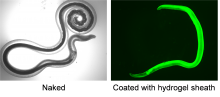
Researchers from Osaka University have found that nematodes can be coated with a protective hydrogel sheath that can be engineered to carry functional cargo. This system could potentially be developed to deliver anti-cancer drugs to tumors using worms with a natural predilection for human cancer cells.
21 Jun 2022
Hiroshima University
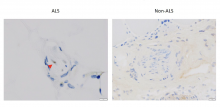
Researchers in Japan outline preliminary research that could pave the way for a future test to diagnose ALS, a progressive disease of the nervous system.
21 Jun 2022
Institute of Industrial Science, The University of Tokyo (UTokyo-IIS)
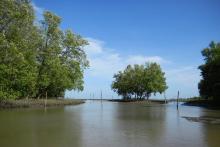
Researchers from the Institute of Industrial Science, The University of Tokyo, have developed a model to explore carbon storage in mangrove forests.
Researchers
Sorry, no researchers coming up for this topic.
Giants in history

Japanese biochemist Akira Endo (1933 – 2024) discovered the first statin, called mevastatin, which lowered cholesterol levels in the blood by inhibiting a key enzyme in the cholesterol biosynthesis pathway. His work laid the foundation for the development of statins to help patients lower their blood cholesterol levels and reduce their risk of heart disease or stroke.
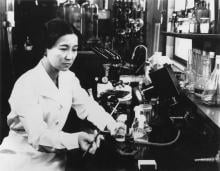
Ruby Sakae Hirose (1904 – 1960) was a Japanese-American scientist whose research contributed significantly to our understanding of blood clotting, allergies and cancer.
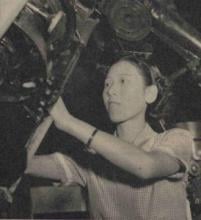
Haisako Koyama (1916 – 1997) was a Japanese solar observer whose dedication to recording sunspots – cooler parts of the sun’s surface that appear dark – produced a sunspot record of historic importance.
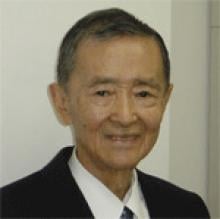
Michiaki Takahashi (17 February 1928 – 16 December 2013) was a Japanese virologist who developed the first chickenpox vaccine.
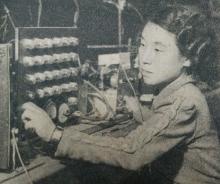
Toshiko Yuasa (11 December 1909 – 1 February 1980) was the first Japanese female physicist whose research on radioactivity shed light on beta decay – the process in which an atom emits a beta particle (electron) and turns into a different element.
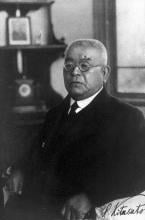
Baron Kitasato Shibasaburo (29 January 1856 – 13 June 1931) was a Japanese physician and bacteriologist whose work led to a new understanding of preventing and treating tetanus, diphtheria and anthrax.
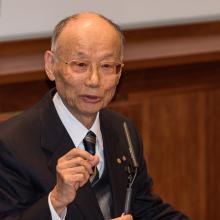
By isolating soil microorganisms and studying the compounds they produce, Satoshi Omura (born 1935) discovered almost 500 organic compounds with unique properties that were produced by these microorganisms, including many new antibiotics.
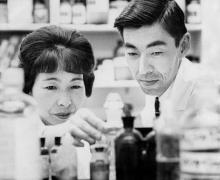
Husband and wife team, Kimishige (3 December 1925 – 6 July 2018) and Teruko Ishizaka (28 September 1926 – 4 June 2019) discovered the antibody class Immunoglobulin E (IgE) that triggers allergic reactions. They also discovered that IgE antibodies attach to white blood cells, known as mast cells, releasing histamine, which causes allergic reactions.
Husband and wife team, Kimishige (3 December 1925 – 6 July 2018) and Teruko Ishizaka (28 September 1926 – 4 June 2019) discovered the antibody class Immunoglobulin E (IgE) that triggers allergic reactions. They also discovered that IgE antibodies attach to white blood cells, known as mast cells, releasing histamine, which causes allergic reactions.
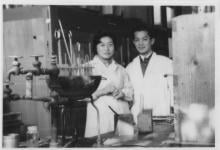
Reiji Okazaki (8 October 1930 – 1 August 1975) and Tsuneko (7 June 1933) were a Japanese couple who discovered Okazaki fragments – short sequences of DNA that are synthesized during DNA replication and linked together to form a continuous strand.
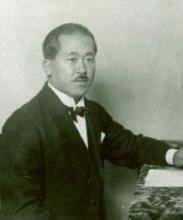
In 1915, Koichi Ichikawa along with pathologist Katsusaburo Yamagiwa became the first to prove that chronic exposure to chemicals can cause cancer.
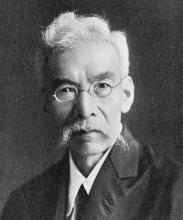
In 1915, pathologist Katsusaburo Yamagiwa and his research assistant Koichi Ichikawa became the first to prove that chronic exposure to chemicals can cause cancer.
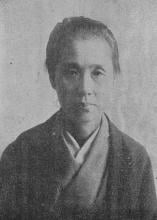
Ogino Ginko (3 March 1851 – 23 June 1913) was the first registered female doctor to practise modern medicine in Japan.
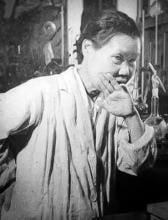
Michiyo Tsujimura (17 September 1888 – 1 June 1969) was a Japanese agricultural scientist and biochemist recognized for her research of green tea components.
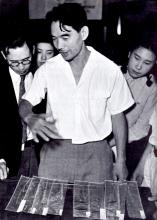
Hitoshi Kihara (1893 – 1986) was one of the most famous Japanese geneticists of the 20th century. One of his most significant contributions was identifying sex chromosomes (X and Y) in flowering plants.
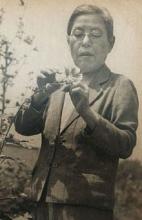
Kono Yasui (16 February 1880 – 24 March 1971) was a Japanese botanist who researched the genetics of poppies, corn and spiderworts and surveyed the plants that had been affected by the nuclear fallout after the atomic bombings of Hiroshima and Nagasaki.
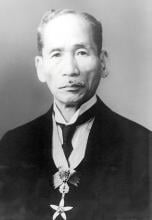
Umetaro Suzuki (7 April 1874 – 20 September 1943) was a Japanese scientist best remembered for his research on beriberi, a disease caused by vitamin B1 deficiency, characterized by limb stiffness, paralysis and pain.
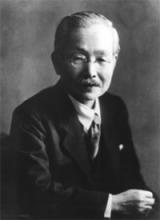
Kikunae Ikeda (8 October 1864 – 3 May 1936) was a Japanese chemist who discovered the fifth basic taste, umami.
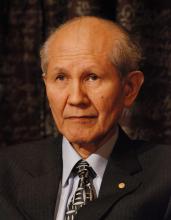
Osamu Shimomura (27 August 1928 – 19 October 2018) was a Japanese organic chemist and marine biologist who dedicated his career to understanding how organisms emitted light.
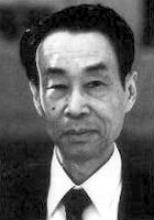
Motoo Kimura (13 November 1924 – 13 November 1994) was a Japanese theoretical population geneticist who is best remembered for developing the neutral theory of molecular evolution.

Chika Kuroda (24 March 1884 – 8 November 1968) was a Japanese chemist whose research focussed on the structures of natural pigments.
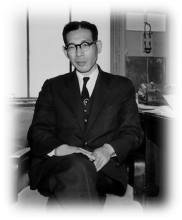
The field of solid-state ionics originated in Europe, but Takehiko Takahashi of Nagoya University in Japan was the first to coin the term ‘solid ionics’ in 1967. ‘Solid-state ionics’ first appeared in 1971 in another of his papers, and was likely a play on ‘solid-state electronics’, another rapidly growing field at the time.
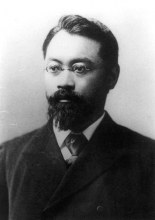
The techniques that make industrial pearl culturing possible were developed over a century ago at the Misaki Marine Biological Station in Japan. The station’s first director, Professor Kakichi Mitsukuri, emphasized to Kokichi Mikimoto in 1890 that stimulating pearl sac formation was important for pearl growth, and they went on to successfully develop methods for culturing pearls.
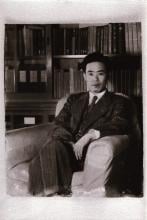
Japanese physicist Ukichiro Nakaya (1900-1962) made the world’s first artificial snowflakes. He started his research on snow crystals in the early 1930s at Hokkaido University, where there is an unlimited supply of natural snow in winter. By taking over 3,000 photographs, he established a classification of natural snow crystals and described their relationship with weather conditions.
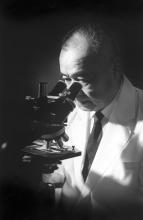
Minoru Shirota (April 23, 1899 – March 10, 1982) was a Japanese microbiologist who invented the popular fermented drink Yakult.
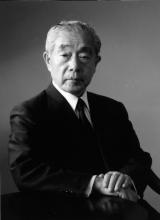
Japanese chemist Kenichi Fukui (4 October 1918 – 9 January 1998) was the first Asian scientist to be awarded the Nobel Prize in Chemistry. Together with Roald Hoffman, he received this honour in 1981 for his independent research into the mechanisms of chemical reactions.
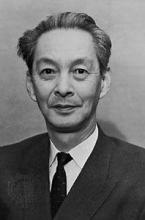
Shinichiro Tomonaga (31 March 1906 – 8 July 1979), together with Richard Feynman and Julian Schwinger, was awarded the Nobel Prize in Physics in 1965, for their contributions to advance the field of quantum electrodynamics. Tomonaga was also a strong proponent of peace, who actively campaigned against the proliferation of nuclear weapons and promoted the peaceful use of nuclear energy.
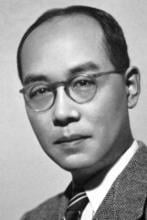
Hideki Yukawa (23 January 1907 – 8 September 1981) was awarded the Nobel Prize in Physics in 1949 for predicting the existence of the pi meson subatomic particle. Japan’s first Nobel laureate, Yakawa also expressed his support for nuclear disarmament by signing the Russell–Einstein Manifesto in 1955.
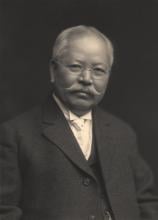
Japanese chemist Takamine Jokichi (3 November 1854 – 22 July 1922) founded the Tokyo Artificial Fertilizer Company, where he isolated a starch-digesting enzyme (named takadiastase) from the fungus Aspergillus oryzae.
Tsuneko (7 June 1933) and Reiji Okazaki (8 October 1930 – 1 August 1975) were a Japanese couple who discovered Okazaki fragments – short sequences of DNA that are synthesized during DNA replication and linked together to form a continuous strand.
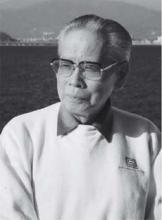
A Japanese surgeon, Tetsuzo Akutsu (20 August 1922 – 9 August 2007) built the first artificial heart capable of keeping an animal alive.
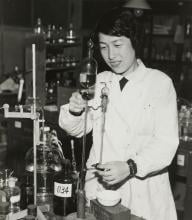
Japanese geochemist Katsuko Saruhashi developed the first method and tools for measuring carbon dioxide in seawater