
Japan
News
21 Jun 2022
Institute of Industrial Science, The University of Tokyo (UTokyo-IIS)
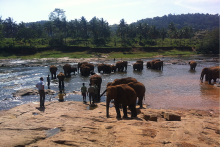
Researchers from the Institute of Industrial Science, The University of Tokyo, find that the risk of human–elephant conflict in Thailand is likely to shift with climate change

21 Jun 2022
Osaka Metropolitan University
Osaka Metropolitan University scientists detected, for the first time, collective resonance at remarkably high and broad frequency bands. In a magnetic superstructure called a chiral spin soliton lattice (CSL), they found that resonance could occur at such frequencies with small changes in magnetic field strength. The findings suggest CSL-hosting chiral helimagnets as promising materials for future communication technologies.
18 Jun 2022
Institute for Integrated Cell-Material Sciences (iCeMS) at Kyoto University
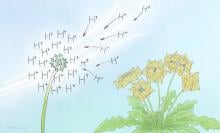
The molecule is unusual and has ‘great potential’ in catalysis, conduction and other applications.
17 Jun 2022
Hokkaido University
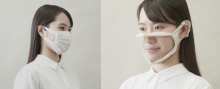
Commercially available transparent face masks allow for the perception of facial expressions while suppressing the dispersion of respiratory droplets that spread the SARS-CoV-2 virus, and thus have a clear advantage over surgical face masks.
17 Jun 2022
Osaka Metropolitan University
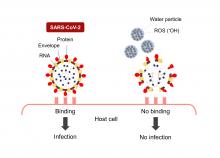
A research group led by Osaka Metropolitan University and Panasonic Corporation Living Appliances and Solutions Company discovered how nano-sized electrostatic atomized water particles disinfect SARS-CoV-2. The nano-sized electrostatic atomized water particles developed by Panasonic Corporation have an electron rich nano-sized water shell that contains reactive oxygen species. The researchers showed that the water particles damage the viral envelope, protein, and RNA. They also revealed that the damaged virus did not bind to host cells. These phenomena are considered the main inactivation mechanism of the nano-sized electrostatic atomized water particles on SARS-CoV-2.
17 Jun 2022
Osaka Metropolitan University
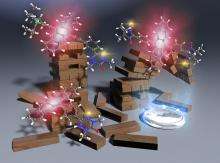
A research group led by Professor Yoshio Teki of the Osaka Metropolitan University Graduate School of Engineering has succeeded in developing a new pentacene derivative that is more than 100 times more photostable than TIPS-pentacene, a photostable pentacene derivative. Additionally, the team has further clarified the ultrafast excited state dynamics in this system. In the pentacene moiety of this system, we were able to demonstrate that the transition from the excited singlet state to the excited triplet state occurs ultrafast in the time region of a 10-13 seconds. In purely organic materials without heavy atoms such as rare metals, such intersystem crossing usually occurs on time scales longer than 10-9 seconds. The empirical results of this study are expected to be applied as a method for stabilizing and developing light-unstable materials in the future.
16 Jun 2022
Hokkaido University
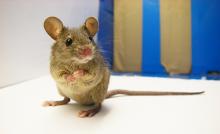
Scientists have revealed the genetic structure and diversity, and inferred the population history, of the wild house mouse across Europe and Asia.
13 Jun 2022
Kavli Institute for the Physics and Mathematics of the Universe (Kavli IPMU)
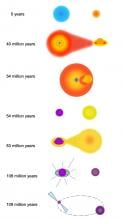
An international team of researchers, including former Kavli IPMU Project Researcher Oscar Macias (currently at the University of Amsterdam), have found that old and fast spinning neutron stars called millisecond pulsars could be responsible for an unexplained signal from the center of our Milky Way.

12 Jun 2022
Institute of Industrial Science, The University of Tokyo (UTokyo-IIS)
Researchers at The University of Tokyo create vertical field-effect transistors that can be used to store information in a 3D array, which may lead to faster and more energy-efficient data storage
08 Jun 2022
Kanazawa University
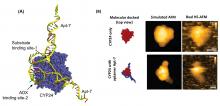
Researchers at Kanazawa University in collaboration with teams from Toyama Prefectural University and BioSeeds Corporation report in ACS Applied Materials & Interfaces the identification of a molecule with enhanced antiproliferative activity in cancer cells. The underlying biomolecular mechanism is the inhibition of an enzyme that is overproduced in several types of cancer.
07 Jun 2022
Ehime University
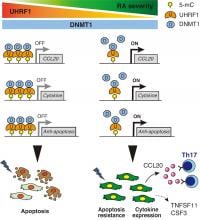
Potential of a novel therapeutic strategy for rheumatoid arthritis by UHRF1 stabilization
We identified an epigenetic regulator UHRF1 that suppresses various pathogeneses in rheumatoid arthritis. The UHRF1 expression level in synovium showed a negative correlation with the severity of pathogenesis in patients with rheumatoid arthritis and mouse arthritis models. In addition, stabilization of the UHRF1 expression achieved improvement of the arthritis pathology. Our results indicate that the stabilization of the UHRF1 protein is a potential therapeutic strategy for rheumatoid arthritis patients.
06 Jun 2022
Institute of Industrial Science, The University of Tokyo (UTokyo-IIS)
Researchers at the Institute of Industrial Science, The University of Tokyo studied the anomalous properties of amorphous solids, including glasses, using computer simulations, and found a common vibrational mechanism underlying them, which may help control the glass properties
06 Jun 2022
Kavli Institute for the Physics and Mathematics of the Universe (Kavli IPMU)
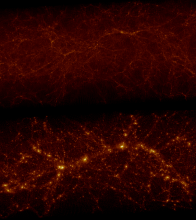
Researchers have created time machine-like simulations recreate the full life cycle of some of the largest collections of galaxies observed in the distant universe 11 billion years ago.
03 Jun 2022
Hokkaido University
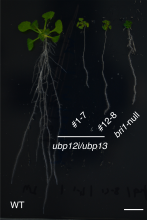
Scientists have revealed two enzymes that regulate protein degradation of proteins in the cell membrane of plants, and established the roles they play in plant growth and development.
03 Jun 2022
Hiroshima University
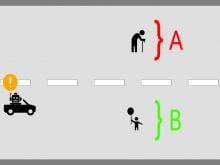
A research team has studied how humans react to the introduction of AI decision making. Specifically, they explored the question, “is society ready for AI ethical decision making?” by studying human interaction with autonomous cars.

03 Jun 2022
Kanazawa University
Tetraphenylammonium, with all four hydrogens of ammonium (NH4+) replaced with benzene rings, has neither been discovered in nature nor chemically synthesized, calling into question whether it could exist. Here, we succeeded in synthesizing tetraphenylammonium for the first time, demonstrating its stable existence. The synthetic strategy used in this study, radical coupling, may be applicable to the synthesis of various related ammoniums with high structural novelty.
01 Jun 2022
Osaka Metropolitan University
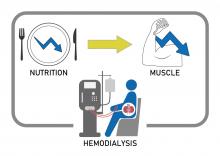
Scientists at Osaka Metropolitan University utilized a Japan-developed, objective, and simple nutritional indicator called the Nutrition Risk Index (NRI) to unveil a long-suspected yet unverified relationship between sarcopenia and malnutrition in end-stage kidney disease patients. Their findings confirmed that malnutrition contributes to sarcopenia, which can be detected through NRI.
31 May 2022
Hokkaido University
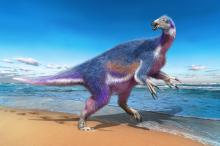
Scientists have described the youngest therizinosaur fossil from Japan and the first in Asia to have been found in marine sediments.
31 May 2022
Osaka Metropolitan University
Dr. Nishikawa at Osaka Metropolitan University focused on the Kondo effect on minimal ferrimagnetism and attempted to elucidate it theoretically. As a result, they found that the Kondo effect occurred via multiple "quantum entangled states" depending on temperature and other factors. They also found that the Kondo effect suppressed electrical conductivity through minimal ferrimagnetism, when usually it is amplified in many other cases.
26 May 2022
Kavli Institute for the Physics and Mathematics of the Universe (Kavli IPMU)
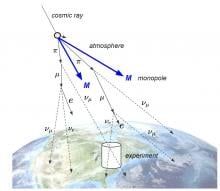
Particle accelerators have helped researcher to draw new leading limits on the existence of magnetic monopoles from the collisions of energetic cosmic rays bombarding the Earth’s atmosphere.
26 May 2022
Hiroshima University
Researchers in Japan demonstrated the benefits of a new non-radioactive, neutral negative staining reagent by imaging viruses at nanometer-scale.
26 May 2022
Osaka Metropolitan University
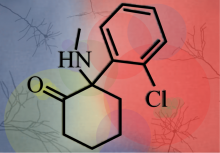
Among anesthetics, ketamine has a unique effect: it also acts as an antidepressant. A research team led by Osaka Metropolitan University Professor Makoto Kondo linked ketamine to brain regulation of IGF-1, which works independently of other ketamine-associated factors. The discovery may help untangle ketamine’s positive and negative effects, allowing future drug development to target IGF-1 directly.
25 May 2022
National Institute for Materials Science (NIMS)
A model that rapidly searches through large numbers of materials could find sustainable alternatives to existing composites.

23 May 2022
Osaka Metropolitan University
The antibiotic rifampicin is shown as a potential medicine for preventing Amyotrophic Lateral Sclerosis (ALS) and Frontotemporal dementia (FTD).
19 May 2022
Hokkaido University
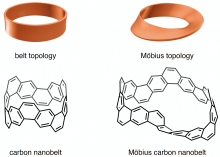
Scientists have synthesized the first belt-shaped molecular nanocarbon with a twisted Möbius band topology—a Möbius carbon nanobelt—that paves the way for the development of nanocarbon materials with complex topological structures.
19 May 2022
Institute for Integrated Cell-Material Sciences (iCeMS) at Kyoto University
Structural color printing creates new pathways for medical diagnostics and miniaturized sensors
17 May 2022
Hokkaido University
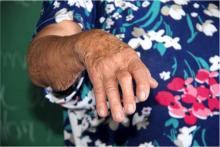
Adenosine triphosphate (ATP) secreted from sensory neuron-interneuron crosstalk is key to the spreading of inflammation across joints, acting as a neurotransmitter and inflammation enhancer.

16 May 2022
Osaka Metropolitan University
Researchers from the Osaka Metropolitan University Graduate School of Engineering have successfully developed a new technique allowing them to observe gas molecules packing into metal-organic frameworks (MOF) using infrared spectroscopy. Their innovation was to measure polarized light absorption of guest molecules in a MOF film to deduce molecule alignment using this common piece of lab equipment. This method is the first to show guest alignment and does so in real-time, while using an accessible and easily adoptable experimental setup. A short video (4 min) recreating their spectrometer modifications can be found in the Reference section.
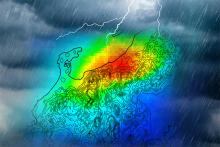
13 May 2022
Institute of Industrial Science, The University of Tokyo (UTokyo-IIS)
Researchers from the Institute of Industrial Science, The University of Tokyo, develop a novel method for more accurate prediction of local rainfall patterns
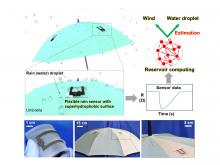
13 May 2022
Osaka Metropolitan University
The new multi-tasking weather sensor simultaneously measures rain volume and wind speed. Incorporating machine learning to analyze the output data, a single sensor can provide localized weather data in a timely manner, improving disaster preparedness.
Researchers
Sorry, no researchers coming up for this topic.
Giants in history

Japanese biochemist Akira Endo (1933 – 2024) discovered the first statin, called mevastatin, which lowered cholesterol levels in the blood by inhibiting a key enzyme in the cholesterol biosynthesis pathway. His work laid the foundation for the development of statins to help patients lower their blood cholesterol levels and reduce their risk of heart disease or stroke.
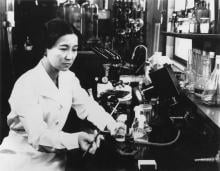
Ruby Sakae Hirose (1904 – 1960) was a Japanese-American scientist whose research contributed significantly to our understanding of blood clotting, allergies and cancer.
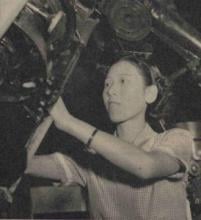
Haisako Koyama (1916 – 1997) was a Japanese solar observer whose dedication to recording sunspots – cooler parts of the sun’s surface that appear dark – produced a sunspot record of historic importance.
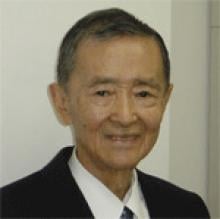
Michiaki Takahashi (17 February 1928 – 16 December 2013) was a Japanese virologist who developed the first chickenpox vaccine.
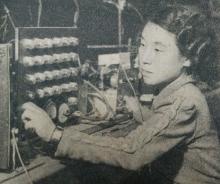
Toshiko Yuasa (11 December 1909 – 1 February 1980) was the first Japanese female physicist whose research on radioactivity shed light on beta decay – the process in which an atom emits a beta particle (electron) and turns into a different element.
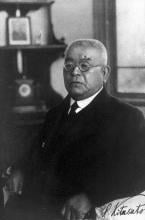
Baron Kitasato Shibasaburo (29 January 1856 – 13 June 1931) was a Japanese physician and bacteriologist whose work led to a new understanding of preventing and treating tetanus, diphtheria and anthrax.
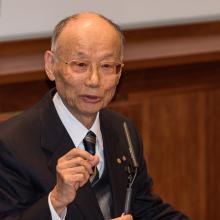
By isolating soil microorganisms and studying the compounds they produce, Satoshi Omura (born 1935) discovered almost 500 organic compounds with unique properties that were produced by these microorganisms, including many new antibiotics.
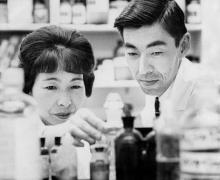
Husband and wife team, Kimishige (3 December 1925 – 6 July 2018) and Teruko Ishizaka (28 September 1926 – 4 June 2019) discovered the antibody class Immunoglobulin E (IgE) that triggers allergic reactions. They also discovered that IgE antibodies attach to white blood cells, known as mast cells, releasing histamine, which causes allergic reactions.
Husband and wife team, Kimishige (3 December 1925 – 6 July 2018) and Teruko Ishizaka (28 September 1926 – 4 June 2019) discovered the antibody class Immunoglobulin E (IgE) that triggers allergic reactions. They also discovered that IgE antibodies attach to white blood cells, known as mast cells, releasing histamine, which causes allergic reactions.
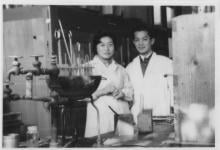
Reiji Okazaki (8 October 1930 – 1 August 1975) and Tsuneko (7 June 1933) were a Japanese couple who discovered Okazaki fragments – short sequences of DNA that are synthesized during DNA replication and linked together to form a continuous strand.
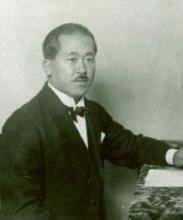
In 1915, Koichi Ichikawa along with pathologist Katsusaburo Yamagiwa became the first to prove that chronic exposure to chemicals can cause cancer.
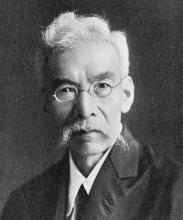
In 1915, pathologist Katsusaburo Yamagiwa and his research assistant Koichi Ichikawa became the first to prove that chronic exposure to chemicals can cause cancer.
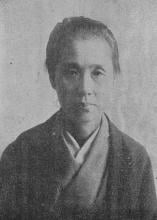
Ogino Ginko (3 March 1851 – 23 June 1913) was the first registered female doctor to practise modern medicine in Japan.
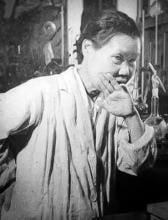
Michiyo Tsujimura (17 September 1888 – 1 June 1969) was a Japanese agricultural scientist and biochemist recognized for her research of green tea components.
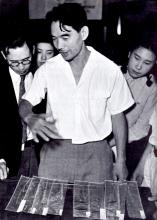
Hitoshi Kihara (1893 – 1986) was one of the most famous Japanese geneticists of the 20th century. One of his most significant contributions was identifying sex chromosomes (X and Y) in flowering plants.
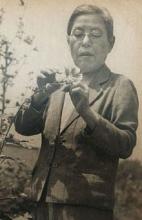
Kono Yasui (16 February 1880 – 24 March 1971) was a Japanese botanist who researched the genetics of poppies, corn and spiderworts and surveyed the plants that had been affected by the nuclear fallout after the atomic bombings of Hiroshima and Nagasaki.
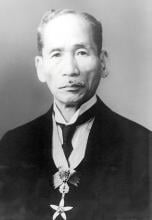
Umetaro Suzuki (7 April 1874 – 20 September 1943) was a Japanese scientist best remembered for his research on beriberi, a disease caused by vitamin B1 deficiency, characterized by limb stiffness, paralysis and pain.
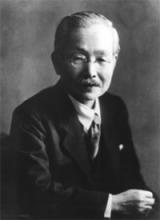
Kikunae Ikeda (8 October 1864 – 3 May 1936) was a Japanese chemist who discovered the fifth basic taste, umami.
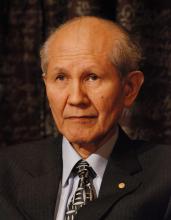
Osamu Shimomura (27 August 1928 – 19 October 2018) was a Japanese organic chemist and marine biologist who dedicated his career to understanding how organisms emitted light.
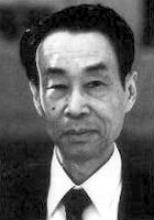
Motoo Kimura (13 November 1924 – 13 November 1994) was a Japanese theoretical population geneticist who is best remembered for developing the neutral theory of molecular evolution.

Chika Kuroda (24 March 1884 – 8 November 1968) was a Japanese chemist whose research focussed on the structures of natural pigments.
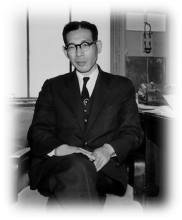
The field of solid-state ionics originated in Europe, but Takehiko Takahashi of Nagoya University in Japan was the first to coin the term ‘solid ionics’ in 1967. ‘Solid-state ionics’ first appeared in 1971 in another of his papers, and was likely a play on ‘solid-state electronics’, another rapidly growing field at the time.
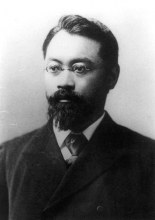
The techniques that make industrial pearl culturing possible were developed over a century ago at the Misaki Marine Biological Station in Japan. The station’s first director, Professor Kakichi Mitsukuri, emphasized to Kokichi Mikimoto in 1890 that stimulating pearl sac formation was important for pearl growth, and they went on to successfully develop methods for culturing pearls.
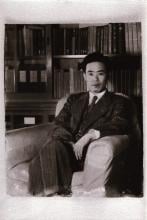
Japanese physicist Ukichiro Nakaya (1900-1962) made the world’s first artificial snowflakes. He started his research on snow crystals in the early 1930s at Hokkaido University, where there is an unlimited supply of natural snow in winter. By taking over 3,000 photographs, he established a classification of natural snow crystals and described their relationship with weather conditions.
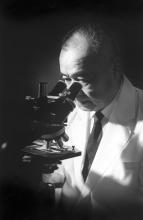
Minoru Shirota (April 23, 1899 – March 10, 1982) was a Japanese microbiologist who invented the popular fermented drink Yakult.
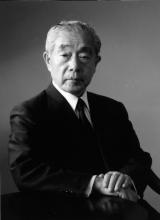
Japanese chemist Kenichi Fukui (4 October 1918 – 9 January 1998) was the first Asian scientist to be awarded the Nobel Prize in Chemistry. Together with Roald Hoffman, he received this honour in 1981 for his independent research into the mechanisms of chemical reactions.
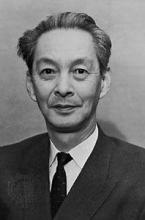
Shinichiro Tomonaga (31 March 1906 – 8 July 1979), together with Richard Feynman and Julian Schwinger, was awarded the Nobel Prize in Physics in 1965, for their contributions to advance the field of quantum electrodynamics. Tomonaga was also a strong proponent of peace, who actively campaigned against the proliferation of nuclear weapons and promoted the peaceful use of nuclear energy.
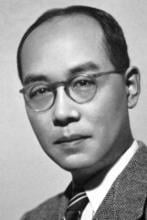
Hideki Yukawa (23 January 1907 – 8 September 1981) was awarded the Nobel Prize in Physics in 1949 for predicting the existence of the pi meson subatomic particle. Japan’s first Nobel laureate, Yakawa also expressed his support for nuclear disarmament by signing the Russell–Einstein Manifesto in 1955.
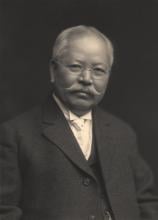
Japanese chemist Takamine Jokichi (3 November 1854 – 22 July 1922) founded the Tokyo Artificial Fertilizer Company, where he isolated a starch-digesting enzyme (named takadiastase) from the fungus Aspergillus oryzae.
Tsuneko (7 June 1933) and Reiji Okazaki (8 October 1930 – 1 August 1975) were a Japanese couple who discovered Okazaki fragments – short sequences of DNA that are synthesized during DNA replication and linked together to form a continuous strand.
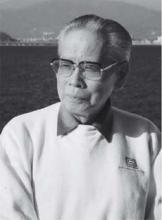
A Japanese surgeon, Tetsuzo Akutsu (20 August 1922 – 9 August 2007) built the first artificial heart capable of keeping an animal alive.
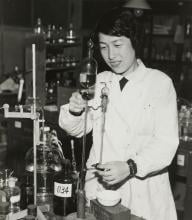
Japanese geochemist Katsuko Saruhashi developed the first method and tools for measuring carbon dioxide in seawater